

Nach wie vor besteht unser Leben auch aus lästigen Aufgaben. Wir alle müssen in der Winterkälte auf den Bus warten, den Abwasch machen, den Müll hinaustragen, möglicherweise einen langen Arbeitsweg mit dem Auto zurücklegen. Für David Sim liegt die Lösung direkt um die Ecke: Mit einfachen, kostengünstigen Mitteln und einem Fokus auf den menschlichen Maßstab könnte das Leben in der Stadt einfacher, angenehmer, sanfter aussehen. Sim zeigt, dass dafür das Gleichgewicht zwischen Dichte und Vielfalt der entscheidende Faktor ist und die in unserem städtischen Umfeld bereits vorhandenen Potenziale genutzt werden sollten. Das Ziel: Quartiere, die Leichtigkeit und Komfort versprechen und sich an unsere sich ständig ändernden Bedürfnisse anpassen. Langsamer, kleinteiliger, leiser: David Sim erzählt vom guten Leben in städtischen Nachbarschaften.
David Sim Bücher
David Sim ist Creative Director und Partner bei Gehl Architects in Kopenhagen und spezialisiert sich auf strategische Planung, Masterplanung und Stadtgestaltung. Er wendet Jan Gehls Theorien und die menschliche Dimension auf Großprojekte an, wobei er einen menschenzentrierten Ansatz verfolgt. Sim hat zahlreiche Werkzeuge zur Bürgerbeteiligung und Methoden für flexible, menschenzentrierte Stadtentwicklungsrahmen entwickelt. Er ist zudem ein versierter Pädagoge mit einer herausragenden Lehrtätigkeit weltweit.
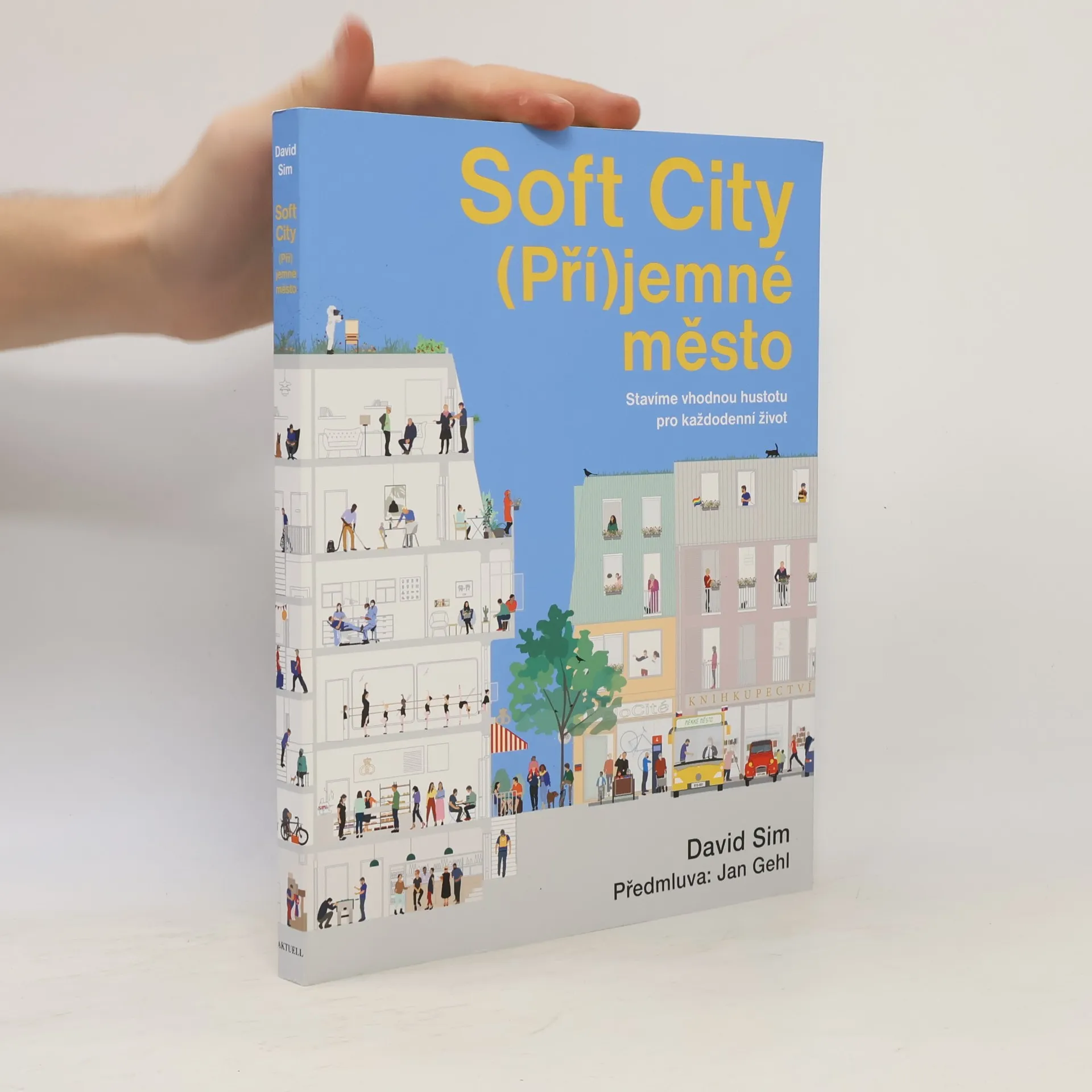

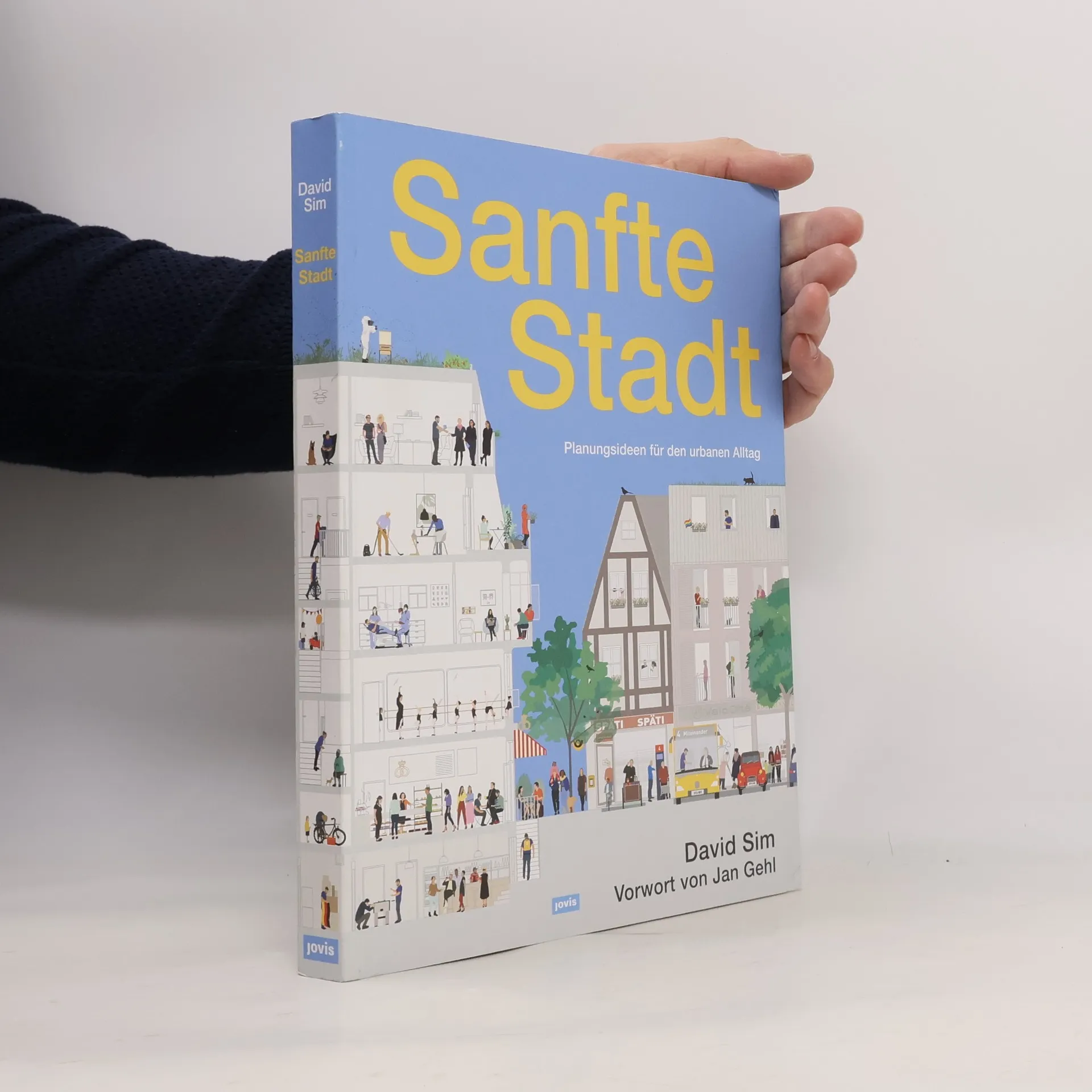
Imagine waking up to the gentle sounds of the city, moving through your day with confidence in reaching your destination efficiently. This work explores the concept of a soft city, where urban density is designed with a human dimension, adapting to our evolving needs, nurturing relationships, and enhancing everyday pleasures. It questions how we can transition from the current urban reality—characterized by separated uses and lengthy commutes in single-occupancy vehicles—to embrace a soft city approach. The author, a partner and creative director at Gehl, presents global ideas and graphic examples to illustrate this vision. Drawing from extensive design experience, he advocates for a dense, diverse built environment at a human scale, offering observations of both older and newer urban spaces. He emphasizes that increasing density alone is insufficient; the organization and layout of the environment must facilitate fluid movement and comfort, incorporate diverse building types, and promote thoughtful design for sustainability. The book begins with concepts of happiness and quality of life, linking them to our living conditions. It features visual elements showcasing neighborhood building blocks, the dynamics of urban mobility, and adaptation to climate challenges, providing inspiration and guidance for anyone interested in urban development.
Soft city. (Pří)jemné město pro každodenní život
- 234 Seiten
- 9 Lesestunden
PŘEDSTAVTE SI MĚSTO, kde můžete spát při otevřeném okně a kde pochůznost, tedy možnost pěšího pohybu a pěší dostupnost, začíná přímo u dveří vašeho bytu. (Pří)jemné město znamená lehkost a pohodlí, hustota v něm má lidské rozměry, přizpůsobuje se našim neustále se měnícím potřebám, podporuje rozvoj našich vztahů a přizpůsobuje se radostem našeho každodenního života. Jak ale proměníme současnou realitu většiny našich měst – s oddělenými účely využití a dlouhým dojížděním ve vozech obsazených jen jednou osobou, které drancují lidské, environmentální i komunitní zdroje – a zavedeme v nich principy příjemného města? V knize Soft City David Sim ukazuje, že to je možné, když budeme hustě zastavěné prostředí navrhovat v lidském měřítku. Příjemné město ale musí nabízet víc, než jen zvyšovat hustotu. Uspořádání a rozvržení zastavěného prostředí je nutné volit s ohledem na plynulejší pohyb a komfort, na různorodost typů budov a na promyšlený design, který zabezpečí udržitelné městské prostředí i společnost. Kniha Soft City přináší nápady, návody a inspiraci pro každého, kdo se zajímá o výstavbu měst. Sim ukazuje, jak může být jakékoliv město efektivnější, příjemnější pro život a lépe propojené se životním prostředím.