Bookbot

Douglas Gifford

    Douglas Gifford war eine führende Stimme in der schottischen Literatur, der umfangreiche Forschungen betrieb und über deren reiche Traditionen schrieb. Seine wissenschaftliche Arbeit tauchte in den Kern der schottischen Fiktion ein und untersuchte ihre einzigartigen Themen und Erzählstile. Giffords kritische Einblicke boten den Lesern ein tieferes Verständnis der Autoren und Werke, die diese ausgeprägte literarische Landschaft prägten. Sein Engagement für das Fach beleuchtete die bleibende Kraft und kulturelle Bedeutung des schottischen Geschichtenerzählens.

    Krigare, gudar & andar från de central- och sydamerikanska indianernas mytologi
    Magnus Merriman
    Neil M. Gunn and Lewis Grassic Gibbon
    • Magnus Merriman

      • 320 Seiten
      • 12 Lesestunden

      This hilarious novel charts the rise and fall (and perhaps the rise again) of Magnus Merriman-would-be lover, writer, politician, idealist and crofter-moved by dreams of greatness and a talent for farcical defeat. Convinced that 'small nations are safer to live in than big ones', Magnus becomes a Nationalist candidate for the parliamentary seat of 'Kinluce'. With details based on Linklater's own experiences in an East Fife by-election in 1933, the way is set for a satirical and irreverent portrait of Scottish life, literature and politics in the 1930s. Nothing is sacred and no-one is spared.
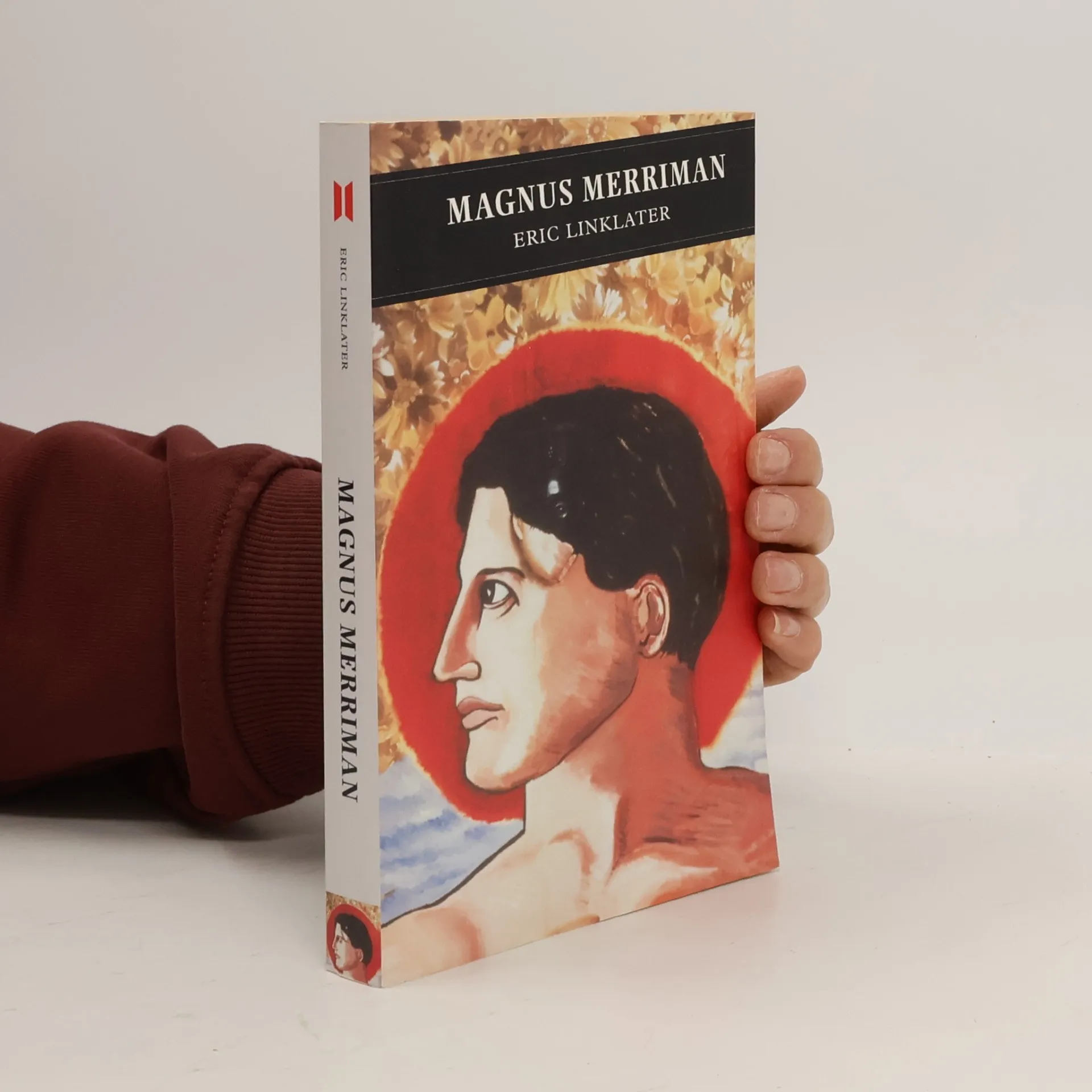
      Magnus Merriman1990
    • This full-length introductory study, first published in 1983, compares and contrasts these two writers. After setting Gunn and Gibbon in the context of the Scottish Renaissance - arguably, says Douglas Gifford, one of the richest periods of all Scottish Literature - it goes on to give an overview of each writer's work as a whole. This leads to detailed examination of their two most widely known works, Gunn's The Silver Darlings and Gibbon's A Scots Quair. The author shows how these two outstanding examples of the novelists' art, while providing plentiful examples of the qualities and similarities, yet epitomise their essential differences - Gunn's positive hope and Gibbon's negative despair.

      Neil M. Gunn and Lewis Grassic Gibbon1983