Arnold Wesker Bücher
Ein britischer Dramatiker, der für seine Beiträge zum Welttheater gefeiert wird. Seine Stücke, die in 17 Sprachen übersetzt wurden, befassen sich mit tiefen menschlichen Wünschen und gesellschaftlichen Anliegen mit schonungsloser Ehrlichkeit. Weskers unverwechselbarer Stil und seine aufschlussreiche Weltsicht etablieren ihn als einen Autor, dessen Werke Kulturen und Generationen übergreifend Anklang finden.



Say Goodbye: You May Never See Them Again
- 32 Seiten
- 2 Lesestunden
Say Goodbye, You May Never See Them Again Scenes from Two East-end Backgrounds
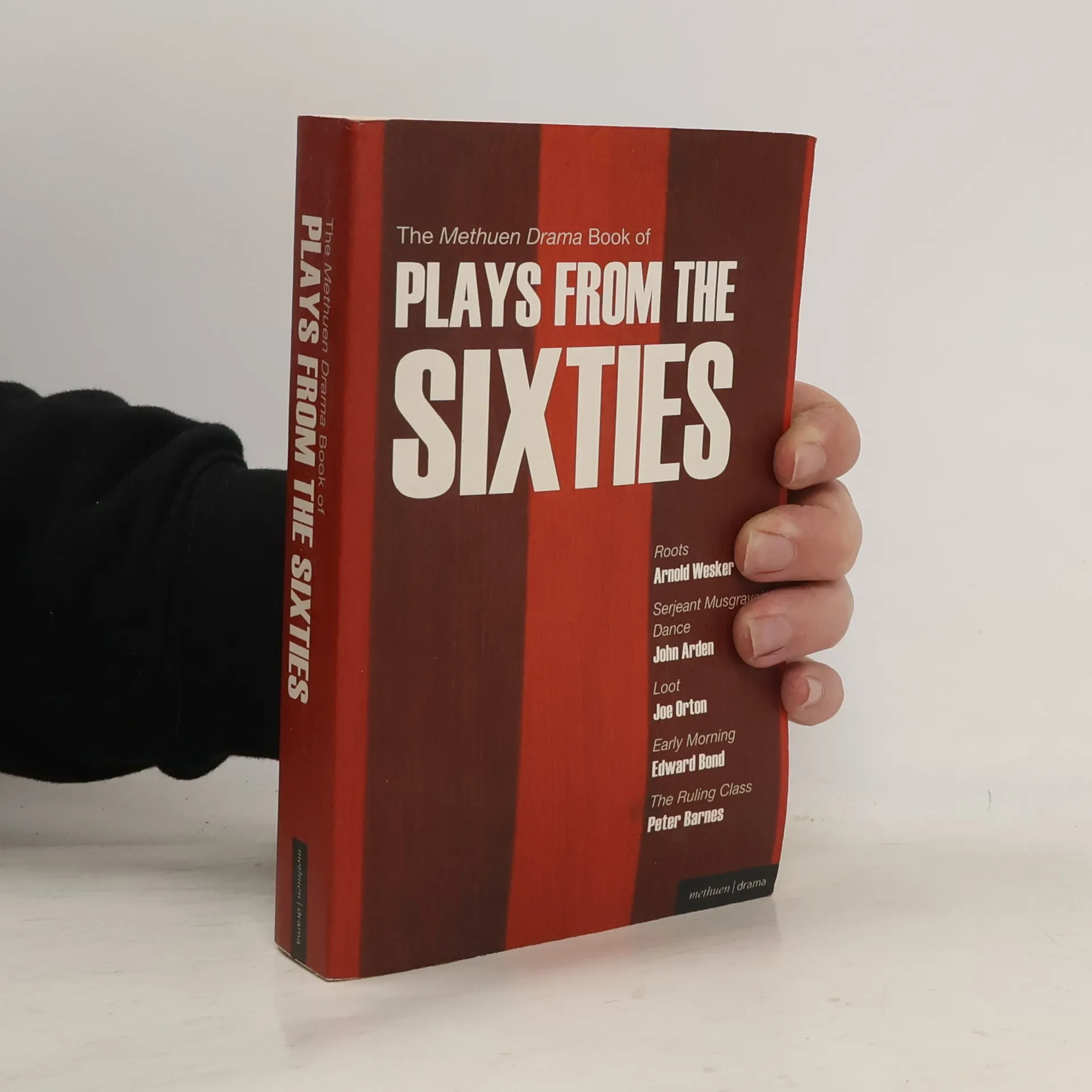
The Methuen Drama Book of Plays from the Sixties
Roots; Serjeant Musgrave's Dance; Loot; Early Morning; The Ruling Class
- 540 Seiten
- 19 Lesestunden
Five outstanding plays from the British theatre of the 1960s. This volume contains major works by five of the most important playwrights ot emerge during the late fifties and early sixties. Bold, challenging and iconoclastic, these plays are landmarks of post-war British theatre. Roots by Arnold Wesker focuses on the homecoming of young Beatie Bryant who returns to her family of Norfolk farm workers with stories of her boyfriend Ronnie. Serjeant Musgrave's Dance by John Arden is set in a mining town in the 19th century, with a group of soldiers returned from a colonial war. But when Musgrave is asked to keep the peace with the colliery workers, he decides to do so in a rather unusual way. Loot by Joe Orton is a brilliant parody of the skeleton-in-the-cupboard crime genre, exploding the very notions of English decency, good citizenry and traditional 'positions'. Edward Bond's Early Morning re-imagines the time of Victoria and Albert caught up in a military coup plotted by Disraeli. Peter Barnes' Ruling Class describes the fall out in an aristocratic family after the 14th Earl commits suicide and leaves his estate to a schizophrenic Franciscan friar who is under the illusion that he is Jesus.
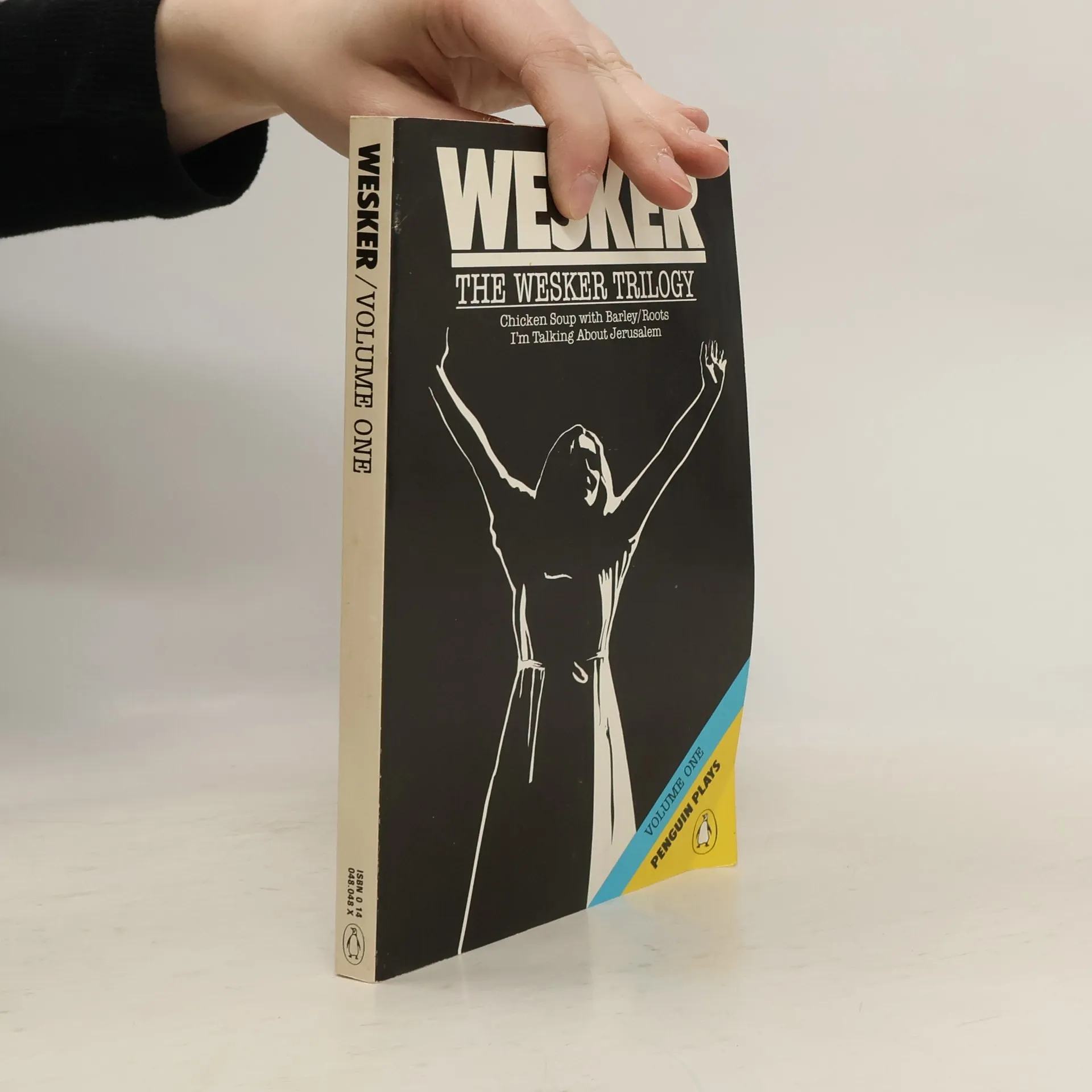
The Wesker Trilogy : Chicken Soup with Barley, Roots, I'm Talking about Jerusalem
- 224 Seiten
- 8 Lesestunden
Chicken Soup with Barley is an epic play that spans twenty years in the life of an East End Jewish family and the gradual crumbling of their socialist dream. It vividly captures the loss of political idealism and links the journey of a single family to the wider political situation.The kettle boils in 1936 as the fascists are marching. Tea is brewed in 1946, with disillusion in the air at the end of the war. Twenty years on, in 1956, as rumors spread of Hungarian revolution, the cup is empty.Sarah Khan, an East End Jewish mother, is a feisty political fighter and a staunch communist. Battling against the State and her shirking husband she desperately tries to keep her family together.This landmark state-of-the-nation play is a panoramic drama portraying the age-old battle between realism and idealism. Chicken Soup captures the collapse of an ideology alongside the disintegration of a family. Chicken Soup with Barley, the first in a trilogy that includes Roots and I'm Talking about Jerusalem was first performed at the Belgrade Theatre, Coventry in 1958 and transferred to the Royal Court in the same year.
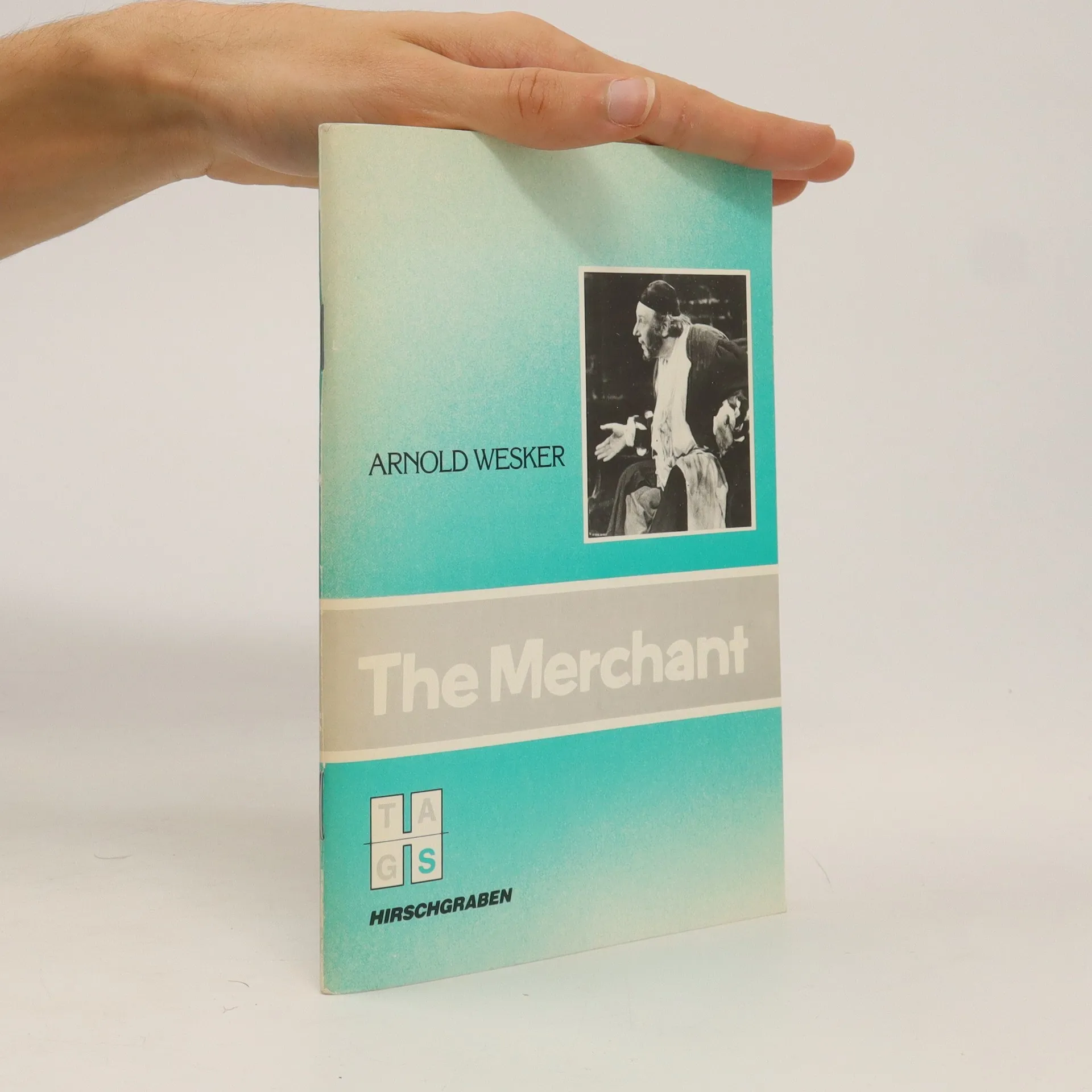
The Merchant
- 96 Seiten
- 4 Lesestunden
The son of a Russian refugee father and a Hungarian mother, Arnold Wesker was born in 1932 in the East End of London. After a state school education, he was first apprenticed to a furniture maker, and became in turn a bookseller's assistant, a farm labourer, a kitchen porter, and a pastry cook, with a spell in the RAF before turning to playwriting while attending a school of film technique. Along with John Osborne and Harold Pinter, Wesker was part of the explosion of theatrical talent in the late 50s that revolutionized playwriting in Britain. His autobiography is a personal history from the inside of modern British theatre.
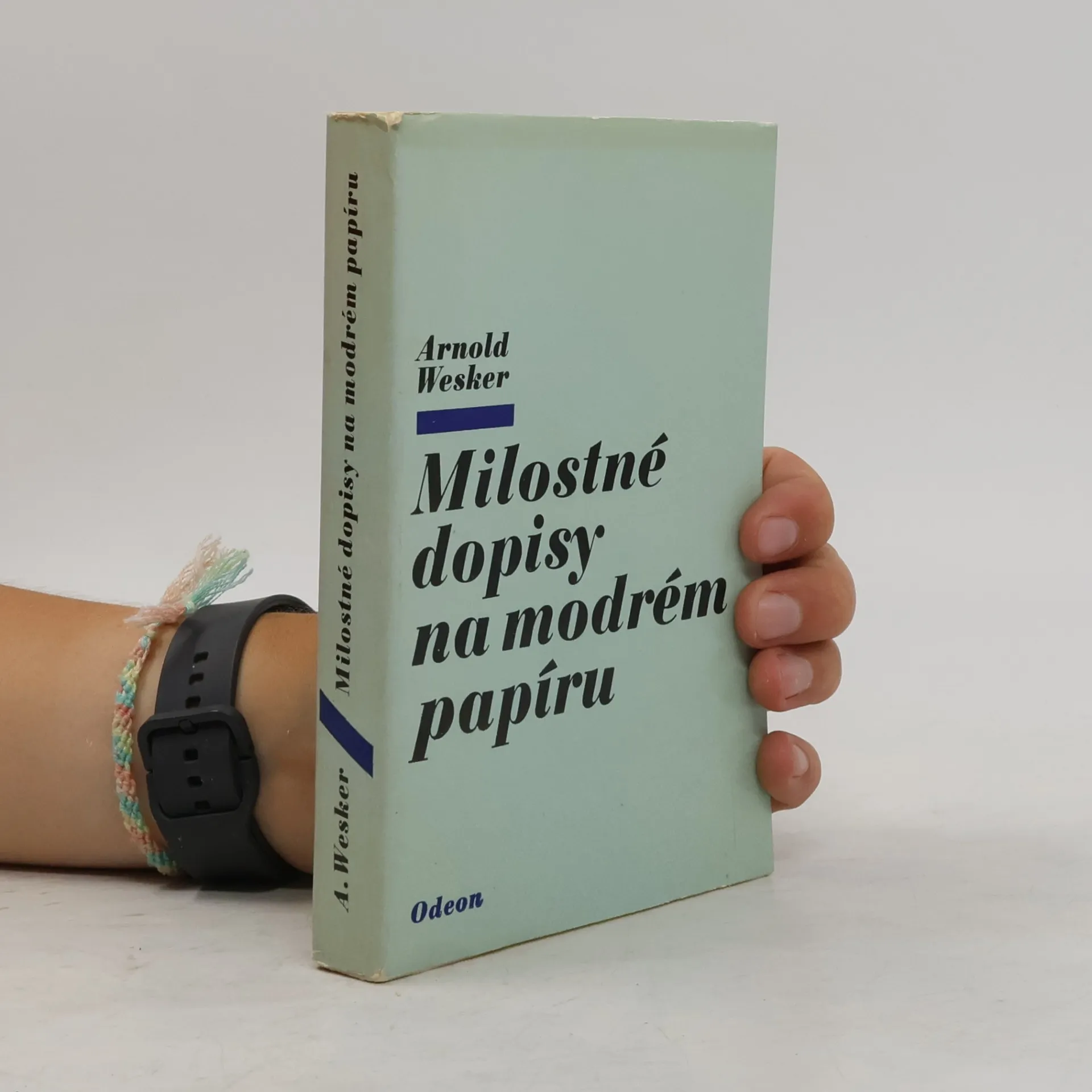
Knížka obsahuje pět povídek,které autor napsal v sedmdesátých letech: Muž, který nebude nikdy psát jako Balzac Řekl stařec mladíkovi Sazka Muž, který se začal bát Milostné dopisy na modrém papíru
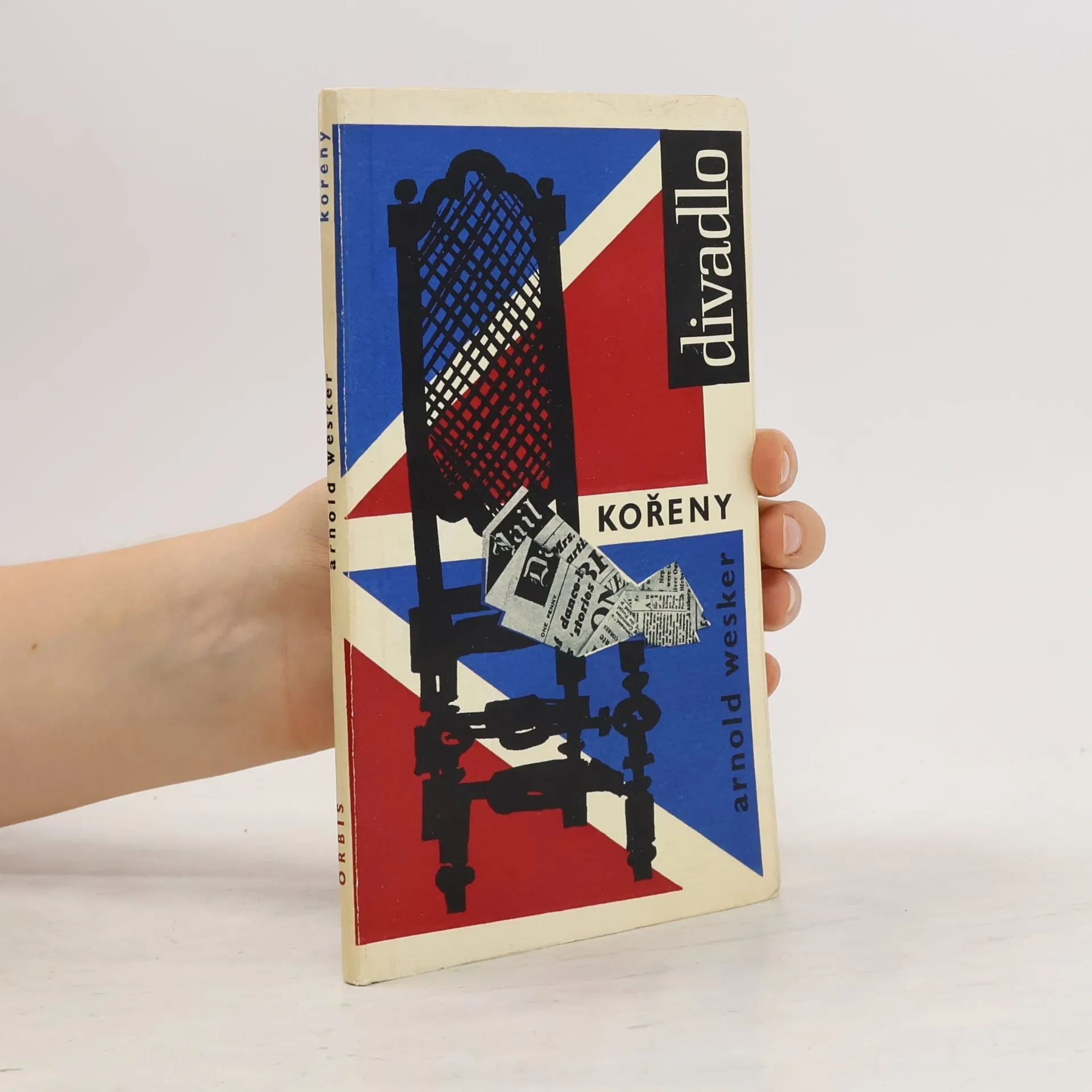
Drama o třech jednáních. Prostřední díl dramatické trilogie mladého pokrokového anglického spisovatele. Odehrává se v myšlenkově zatuchlém prostředí anglického venkova, v rodině Bryantů. Hrdinka hry se po návratu z města snaží změnit myšlenkovou pohodlnost rodiny a uplatnit v ní nové,socialistické názory, které převzala od svého milého, hlasatele teorie "přesvědčovacího socialismu".