Urmuz's work is recognized as a precursor to both Dada and Surrealism, showcasing the vibrant energy of the avant-garde movement within Romanian art. His unique style and innovative approach reflect a profound engagement with the themes of absurdity and the unconventional, positioning him as a significant figure in the evolution of modern artistic expression.
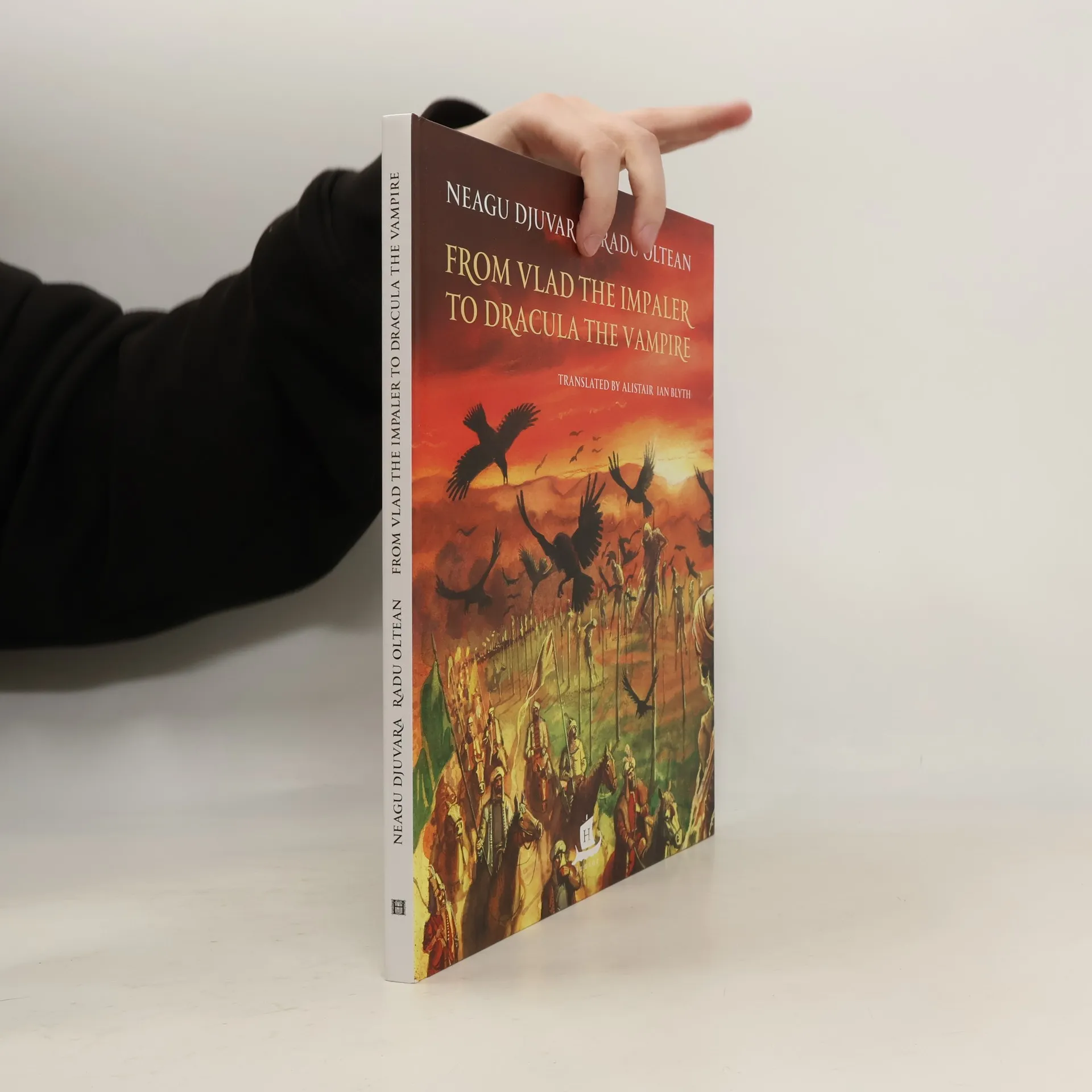
Why “Dracul”? Did he earn this nickname because he was evil, “Dracul” being a folk name for the Devil, the Unclean One? Not at all. What follows is the extraordinary story behind the cognomen that the son of Vlad Dracul, the famous Vlad the Impaler, was also to bear. In the cathedral of the great German city of Nuremberg, King Sigismund proclaimed Vlad Voivode of Wallachia, even though he was yet to reign, and named him a Knight of the Order of the Dragon. It was a great honour to be a member of the Order. For this reason, when he became actual ruler of Wallachia in 1437, Vlad, proud of his membership of the Order of the Dragon, ordered that coins bearing the Order’s emblem should be the dragon and the Cross. And given that “dragon” is similar to the Romanian vernacular term drac (which has the same origin), the people nicknamed Vlad “Dracul” or “Drăculea”. Since membership of the Order of the Dragon was hereditary, the sons of Vlad Dracul, Vlad the Impaler and Radu the Fair, were also to be called by the same name, both at home and abroad. And so it was that later Vlad the Impaler came to be known throughout Europe as Dracula Voivode. Is it not a strange tale?
ZEHN JAHRE NACH DEM STURZ der Ceausescu-Diktatur stehen Neuwahlen an. Die Rentnerin Emilia Apostoae, die den größten Teil ihres Lebens unter dem Regime der „Volksmacht“ verbracht hat, erhält einen Anruf von ihrer nach Kanada emigrierten Tochter Alice: „Wähle ja nicht die Kommunisten“. Dieses Telefonat und die folgenden Diskussionen stürzen Emilia in eine Identitäts- und Nostalgiekrise und sie erinnert sich wehmütig an eine Zeit, in der alles perfekt schien (aber gar nichts stimmte). Nach und nach verwebt die „Rote Babuschka“ den problematischen Alltag des heutigen Rumänien mit dem Alltag der Vergangenheit und geht sich dabei selbst auf den Leim. Mit Bauernschläue und Mutterwitz schlagen Dan Lungus Figuren den absurden Auswüchsen des Lebens ein Schnippchen. Und wie schon das international erfolgreiche „Hühnerparadies“, ist „Die Rote Babuschka“ von großer Fabulierlust und feiner, hinterlistiger Ironie geprägt. Doch es ist mehr als die Geschichte einer einfachen, energischen, alten Frau. Es ist das Museum des täglichen Lebens in einem totalitären Regime, eine Sammlung politischen Humors und eine Geschichte mit einem überraschenden Ende.