

A guide to the technologies, methods, and materials that can help writers of research papers.
Joseph M. Williams Reihenfolge der Bücher (Chronologisch)
Dieser Autor verfasst nachdenkliche Science-Fiction, die tiefgründige philosophische Fragen erforscht. Seine Werke zeichnen sich durch komplexe Welten und Charaktere aus, die den Leser dazu anregen, über die menschliche Natur und die Zukunft nachzudenken. Mit viel Liebe zum Detail und originellen Ideen liefert er fesselnde Erzählungen, die lange nach der letzten Seite nachhallen. Sein Ansatz zum Genre ist frisch und intellektuell anregend.
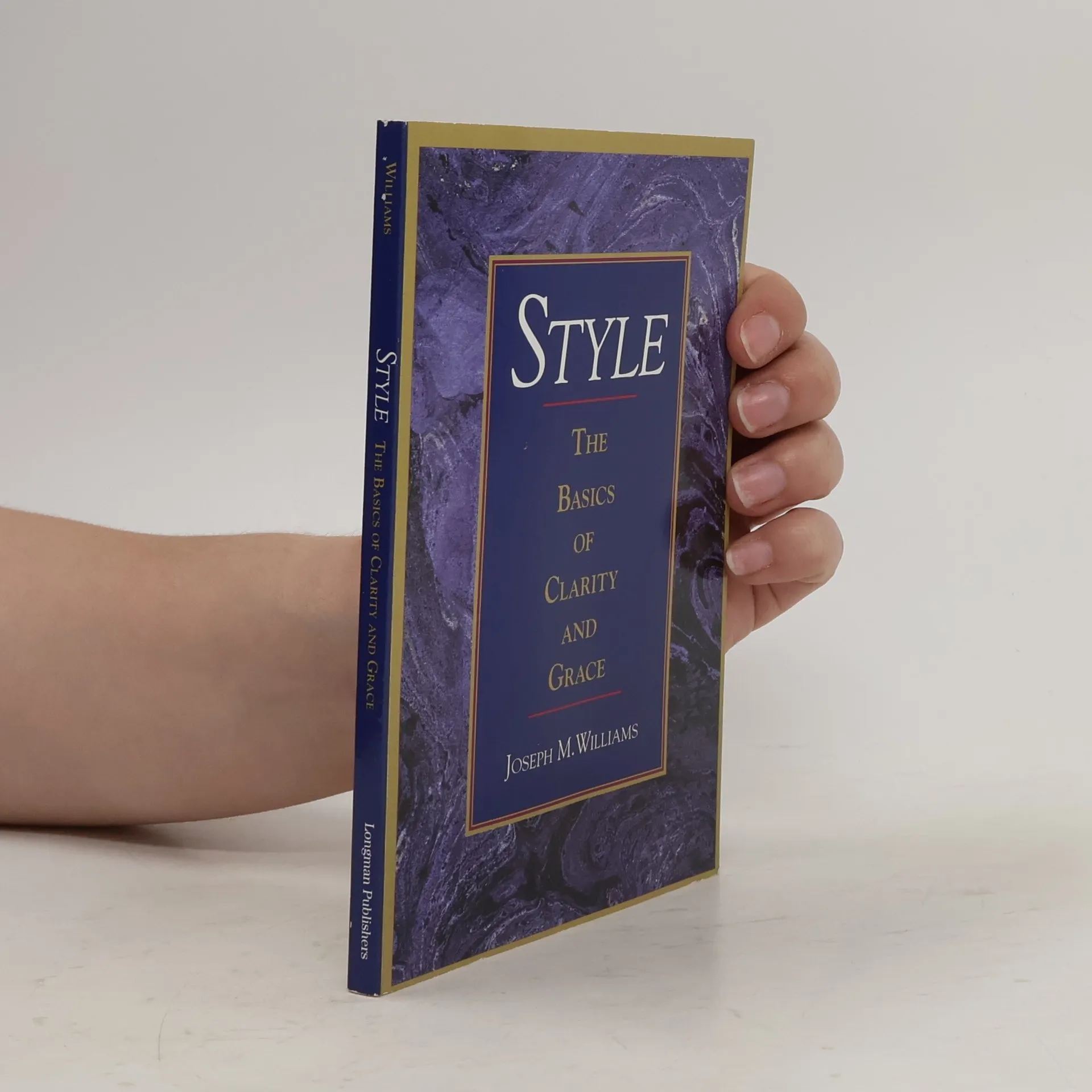
Style. The Basics of Clarity and Grace
- 160 Seiten
- 6 Lesestunden
Style: The Basics of Clarity and Grace retains the wisdom and clear authorial voice of Williams best-selling book, Style, while streamlining every chapter to create a very brief, yet powerfully direct guide to writing with style. The brevity of words and clarity of expression make this book a quick and ideal read for freshman composition courses, as well as for writing courses across the disciplines. Style: The Basics of Clarity and Grace covers the elemental principles of writing that will help students diagnose their prose quickly and revise it effectively. The four sections Style as Choice, Clarity, Grace, and Ethics feature principles of effective prose, written in William's hallmark conversational style. As in Style, Seventh Edition, these principles are offered as reason-based approaches to improving prose, rather than as hard and fast rules to writing well.
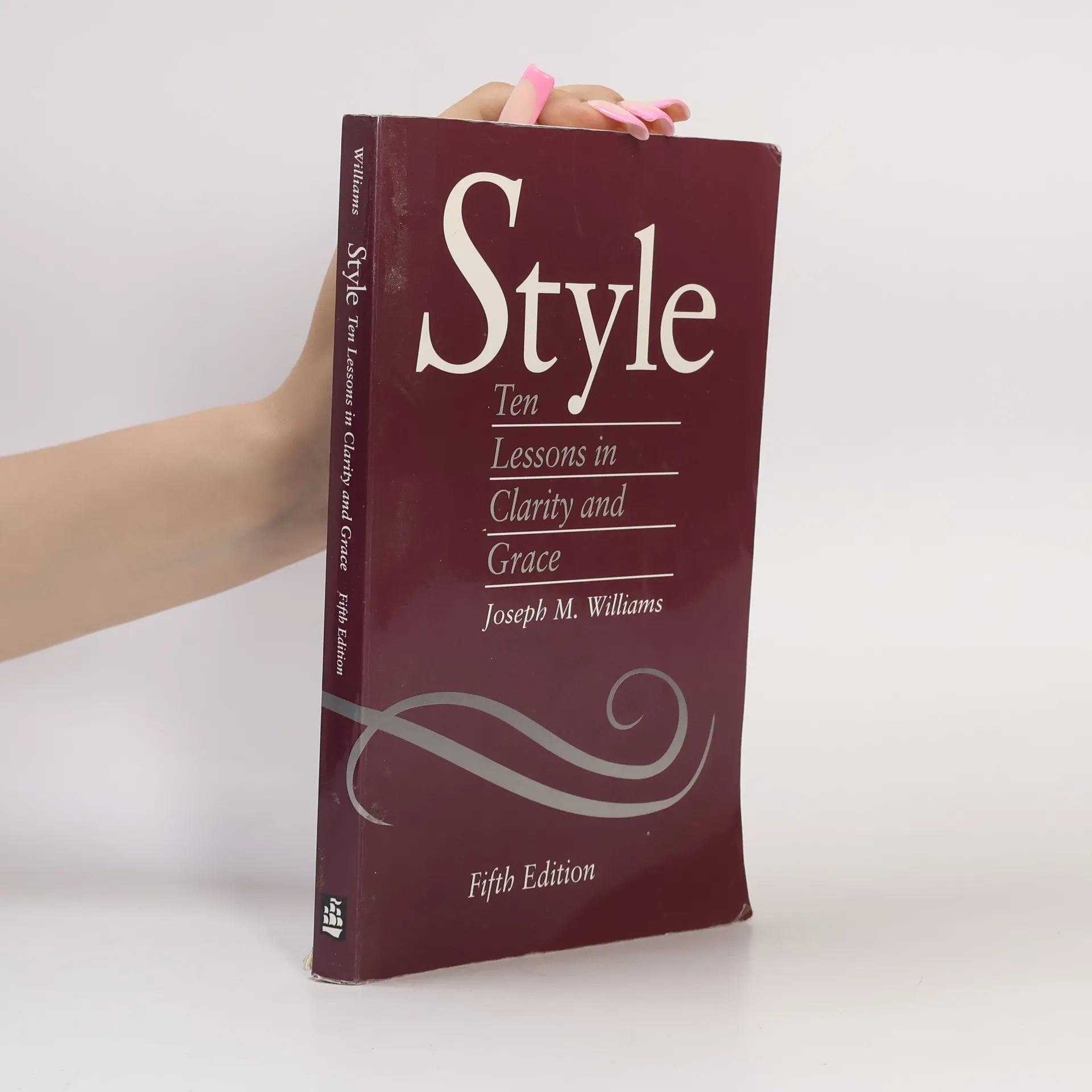
There is more to writing than simply obeying a list of rules. In this extensively revised fifth edition of "Style," Joseph Williams presents principles of writing in a new format designed to help writers diagnose problems with their prose quickly and revise it effectively. Divided into three parts-- "Style as Choice, Clarity, and Grace" --the text includes new principles of effective prose, boxed summaries for quick and easy review, and group exercises that encourage students to work and learn together. Williams encourages writers to use their writing not only as a tool to identify and solve problems but also as a method to explore their own thinking. In particular, writers learn how to use the revision process both to anticipate their readers' reactions and to understand better their own intended meaning.
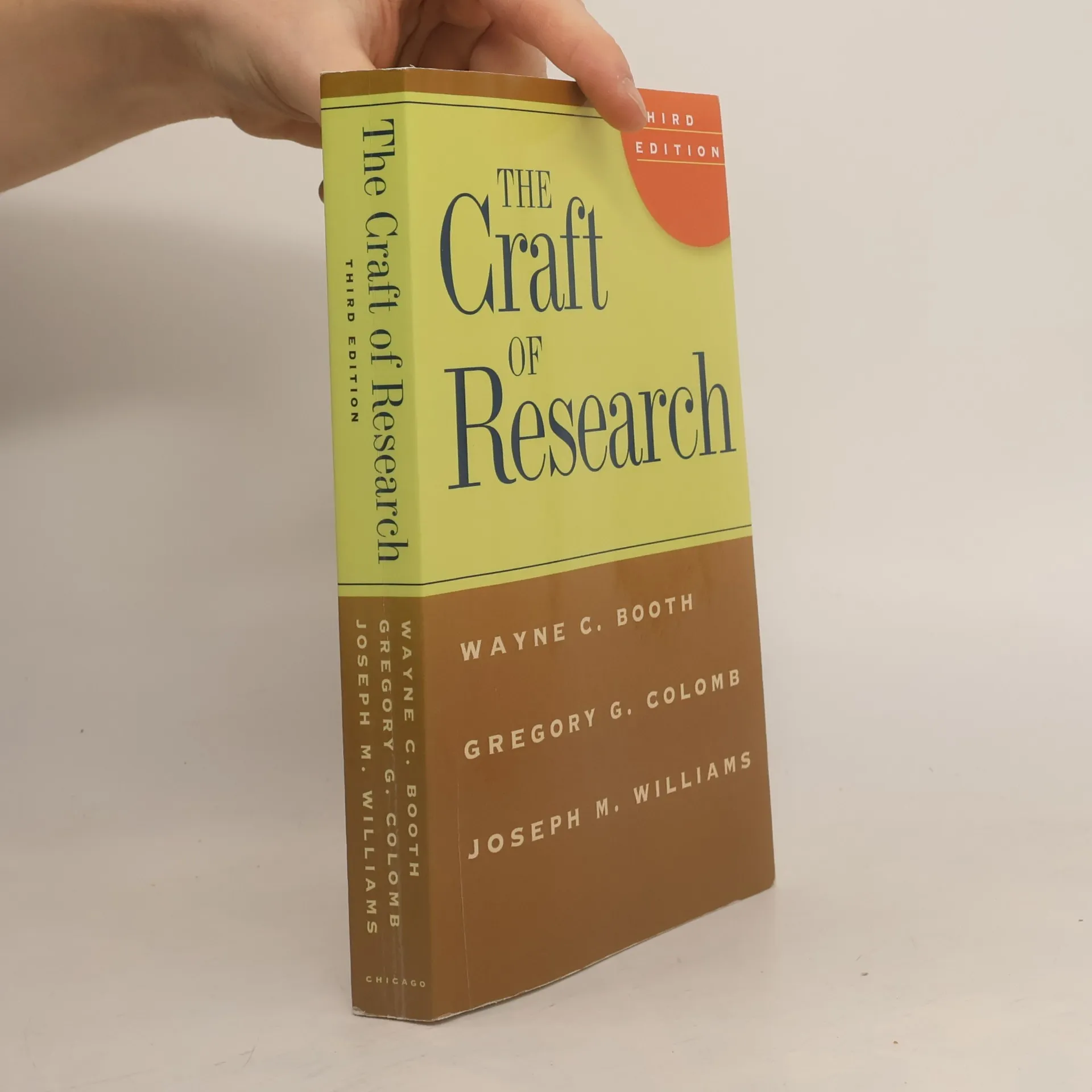
The Craft of Research
- 306 Seiten
- 11 Lesestunden
With more than 400,000 copies now in print, The Craft of Research is the unrivaled resource for researchers at every level, from first-year undergraduates to research reporters at corporations and government offices. Seasoned researchers and educators Gregory G. Colomb and Joseph M. Williams present an updated third edition of their classic handbook, whose first and second editions were written in collaboration with the late Wayne C. Booth. The Craft of Research explains how to build an argument that motivates readers to accept a claim; how to anticipate the reservations of readers and to respond to them appropriately; and how to create introductions and conclusions that answer that most demanding question, “So what?” The third edition includes an expanded discussion of the essential early stages of a research task: planning and drafting a paper. The authors have revised and fully updated their section on electronic research, emphasizing the need to distinguish between trustworthy sources (such as those found in libraries) and less reliable sources found with a quick Web search. A chapter on warrants has also been thoroughly reviewed to make this difficult subject easier for researchers Throughout, the authors have preserved the amiable tone, the reliable voice, and the sense of directness that have made this book indispensable for anyone undertaking a research project.
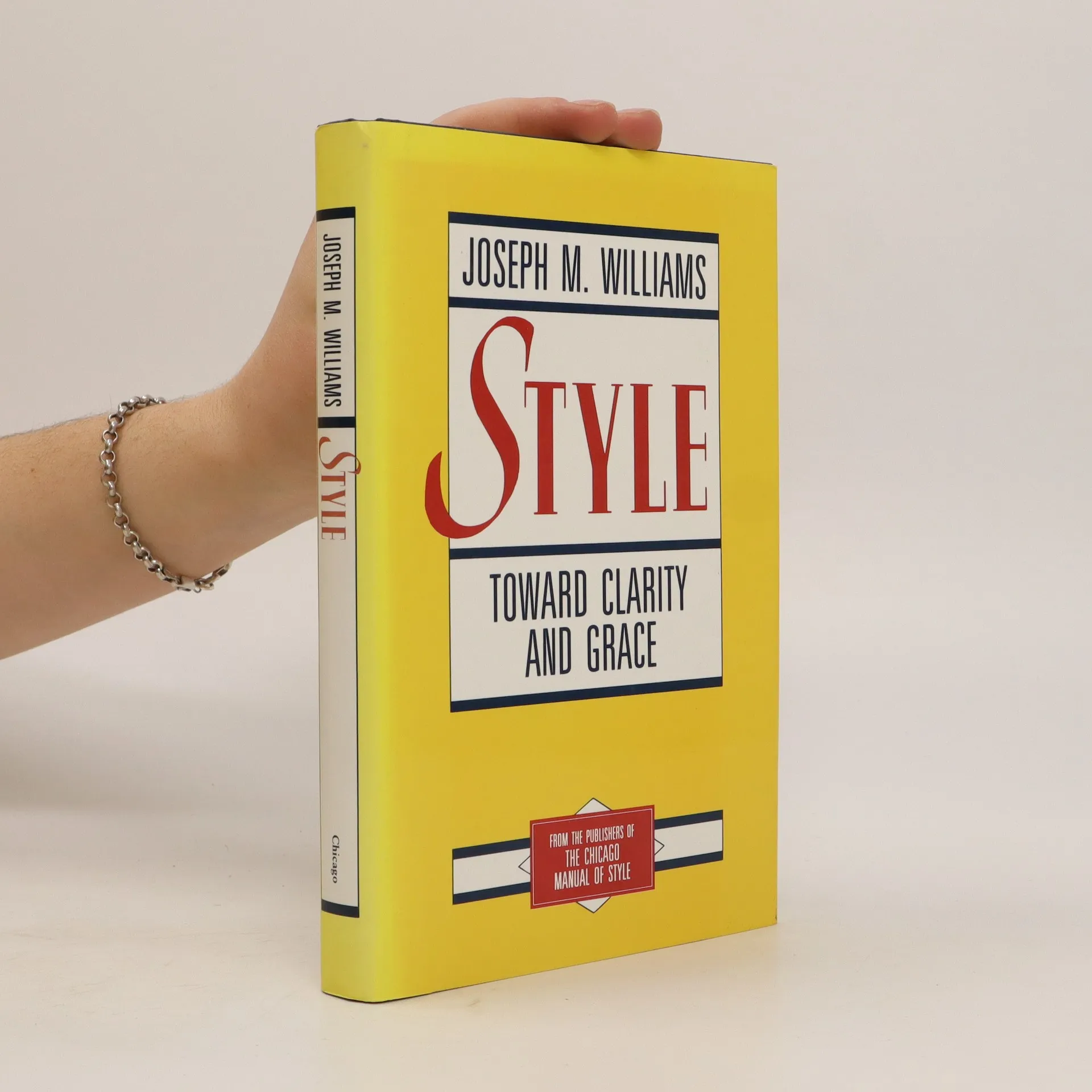
Style. Toward clarity and grace
- 226 Seiten
- 8 Lesestunden
This acclaimed book is a master teacher's tested program for turning clumsy prose into clear, powerful, and effective writing. A logical, expert, easy-to-use plan for achieving excellence in expression, Style offers neither simplistic rules nor endless lists of dos and don'ts. Rather, Joseph Williams explains how to be concise, how to be focused, how to be organized. Filled with realistic examples of good, bad, and better writing, and step-by-step strategies for crafting a sentence or organizing a paragraph, Style does much more than teach mechanics: it helps anyone who must write clearly and persuasively transform even the roughest of drafts into a polished work of clarity, coherence, impact, and personality