

Bookbot

William O'Grady

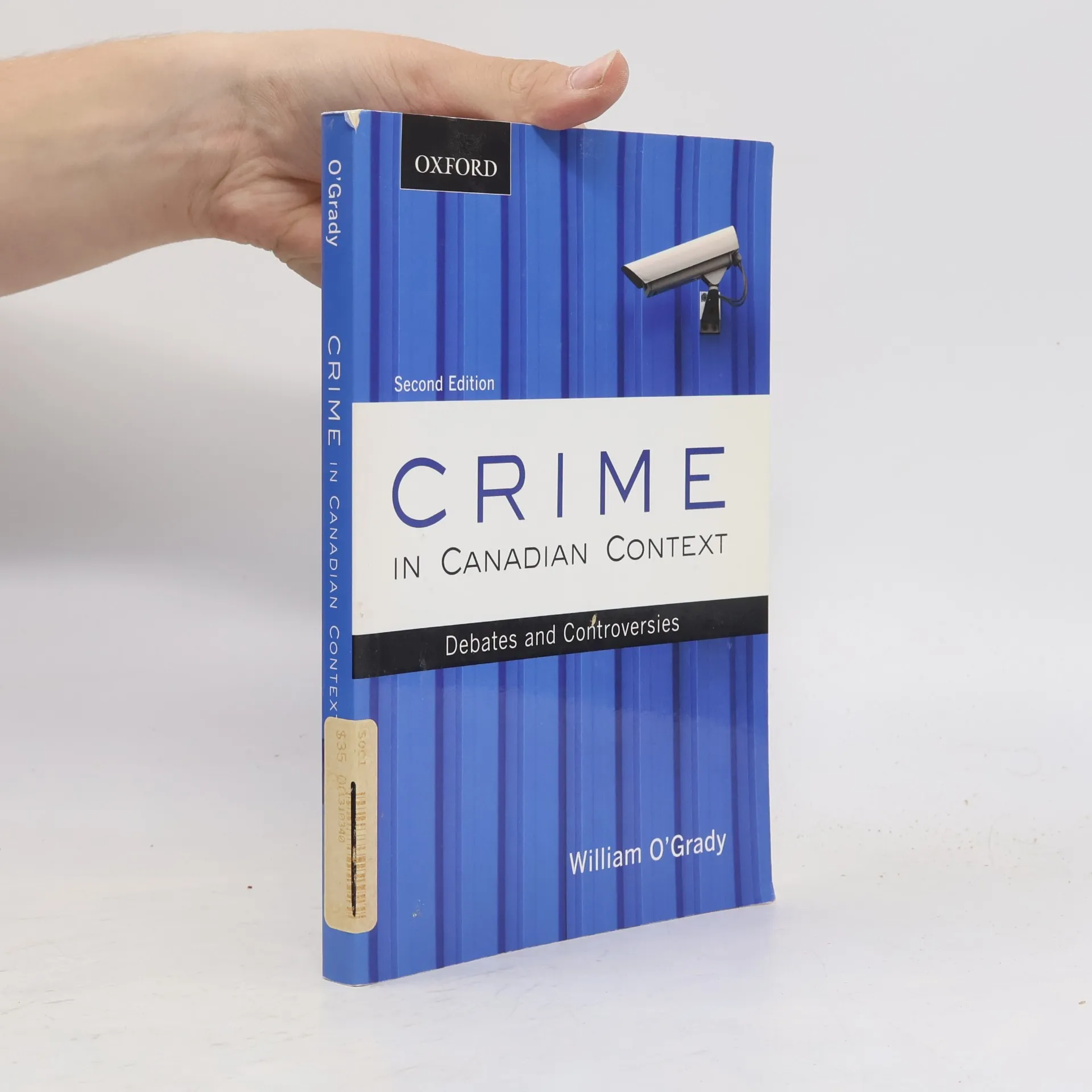
    Crime in Canadian Context
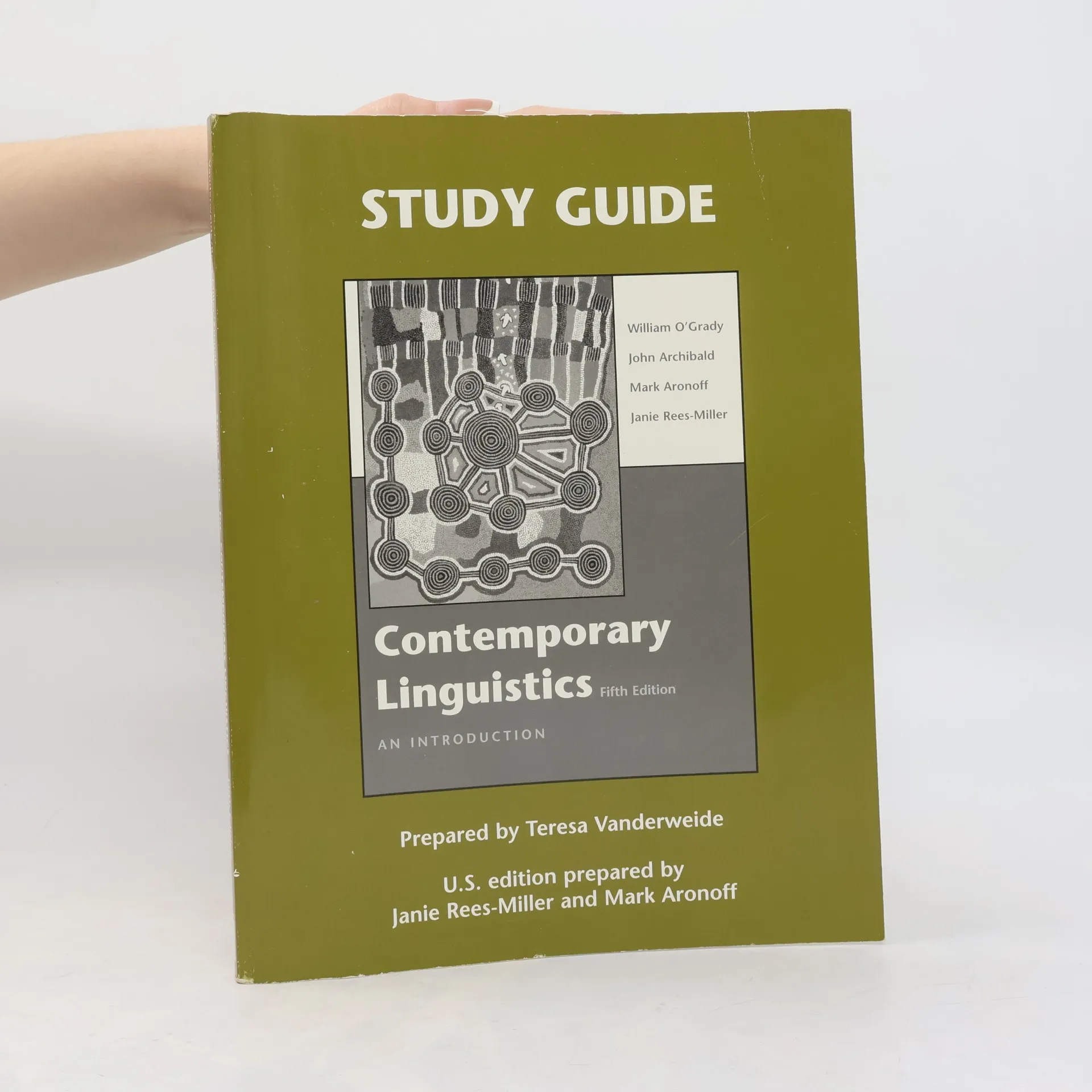
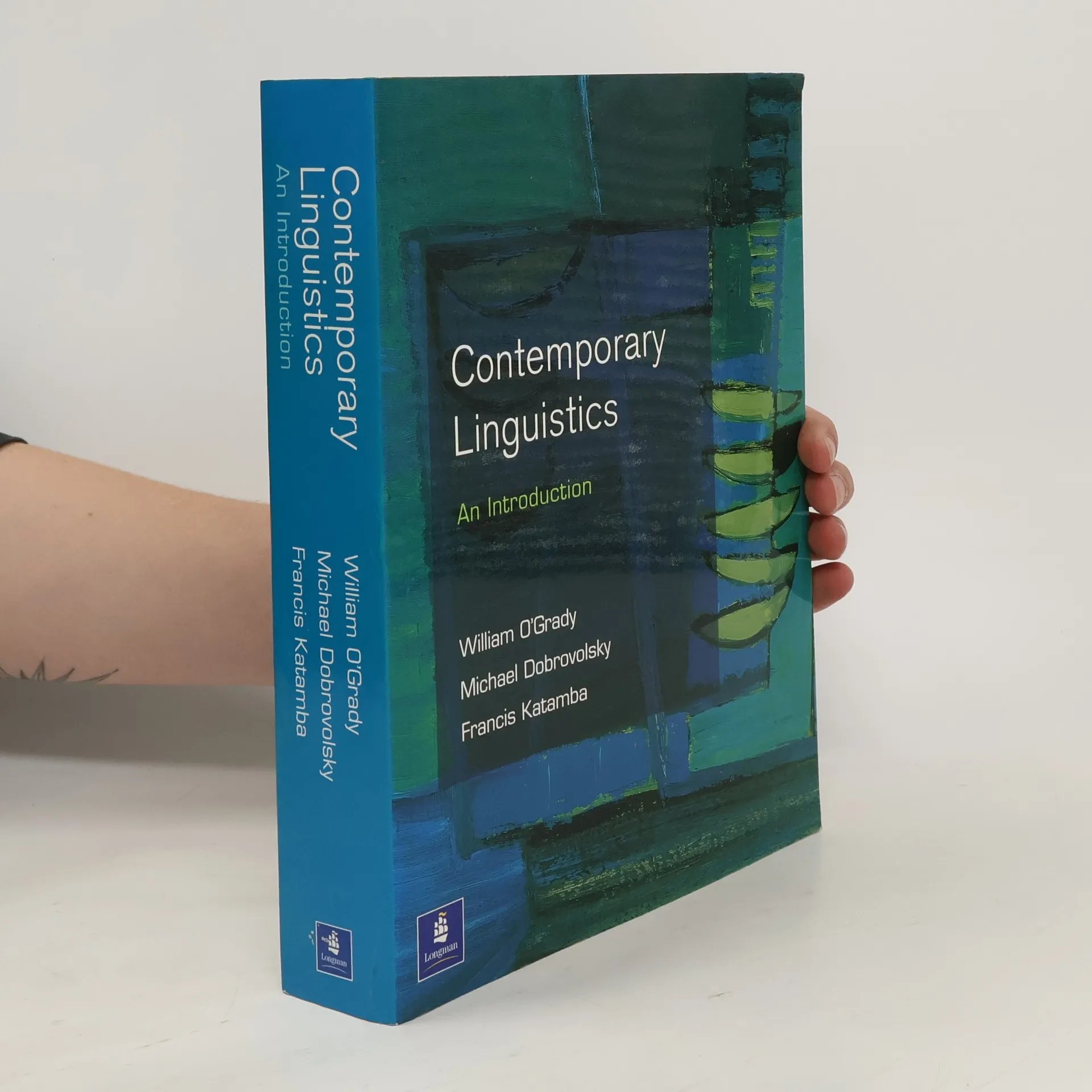
    Contemporary Linguistics
    Handbook of Korean Vocabulary
    The Sounds of Korean: A Pronunciation Guide
    • This book is a highly readable introduction to Korean pronunciation for students at all levels of proficiency. Beginners will find the information and practice they need to cross the threshold of intelligibility in Korean, while more advanced students will have the opportunity to fine-tune their pronunciation and improve their comprehension. The Sounds of Korean focuses on the most challenging features of Korean pronunciation. Careful attention is paid to the way in which a sound's pronunciation can be modified in different contexts. The first part of the text consists of an overview and chapters on vowel and consonant sounds in Korean, adjustment processes that modify speech sounds in different positions within words and phrases, and the role of prosody in expressing meaning and emotion. The practice exercises that follow are paired with the various contrasts and adjustment processes discussed earlier. These exercises, recorded in MP3 format by two native speakers (male and female) from Seoul, give students systematic, focused exposure to natural colloquial speech that represents the way Korean is actually spoken in the real world.

      The Sounds of Korean: A Pronunciation Guide2016
      5,0
    • Crime in Canadian Context

      Debates and Controversies - Second Edition

      • 280 Seiten
      • 10 Lesestunden

      <em>Crime in Canadian Context: Debates and Controversies</em>, 2/e, is a concise, accessible introduction to criminology. Building on the success of the first edition, author William O'Grady continues to cover the fundamentals of the field while responding to changes in the discipline with updated statistics and revised content throughout. Well-balanced and even-handed, this book aims to avoid promoting one particular approach to crime over others. Students will study how crime is defined, presented, and perceived before moving on to comprehensive chapters outlining measurement and analysis of crime, non-sociological explanations of crime, criminological theory, social inequality and crime, organizational crime, and intersections with the law and the criminal justice system. Providing a vivid look at the statistics, research, and policies that form the Canadian context, this text will be appreciated by students for its succinct style, brevity, and relevance at every turning point. New material includes expanded discussions on policy, youth justice, and correlates of crime (age, gender, race, social class), as well as criminal law, crime and global and media issues, and recommended films and documentaries.

      Crime in Canadian Context2011
    • Handbook of Korean Vocabulary

      A Resource for Word Recognition and Comprehension

      • 387 Seiten
      • 14 Lesestunden

      Vocabulary learning is the single most important component of second-language acquisition. In cases where the second language is unrelated to the learner's native tongue, this task presents special challenges because there are typically few clues in a word's form to assist in learning and remembering its meaning. This book offers a solution to this problem for students of Korean. The Handbook is the first ever root dictionary of Korean designed for second-language learners. Useful for students at all levels, it contains more than 1,500 vocabulary lists consisting of words built from a shared root. These lists offer a unique and efficient way for students to acquire new words. Upon encountering a word, students can consult the lists for its component roots and discover many other semantically related words built from the same elements. An introduction provides an overview of Korean vocabulary and detailed instructions on how to use the word lists. A pronunciation guide outlines the major principles determining the pronunciation of compounds and other multipart words in Korean.

      Handbook of Korean Vocabulary1996
      4,2
    • Contemporary Linguistics

      • 776 Seiten
      • 28 Lesestunden

      Contemporary Linguistics: An Introduction is a comprehensive, fully up-to-date introduction to linguistics. All the core topics of linguistics are covered, including phonetics, phonology, morphology, syntax, semantics, the genetic and typological classification of the languages of the world, and historical linguistics. Interdisciplinary areas discussed include language and the brain, psycholinguistics - the study of language processing, first and second language acquisition, language in social contexts and the fast-growing area of computational linguistics. Adapted from the Canadian edition by O'Grady and Dobrovolsky, this new European edition has been fully adapted and updated by Francis Katamba with appropriate UK and international phonetic and sociolinguistic material.

      Contemporary Linguistics1996
      3,9