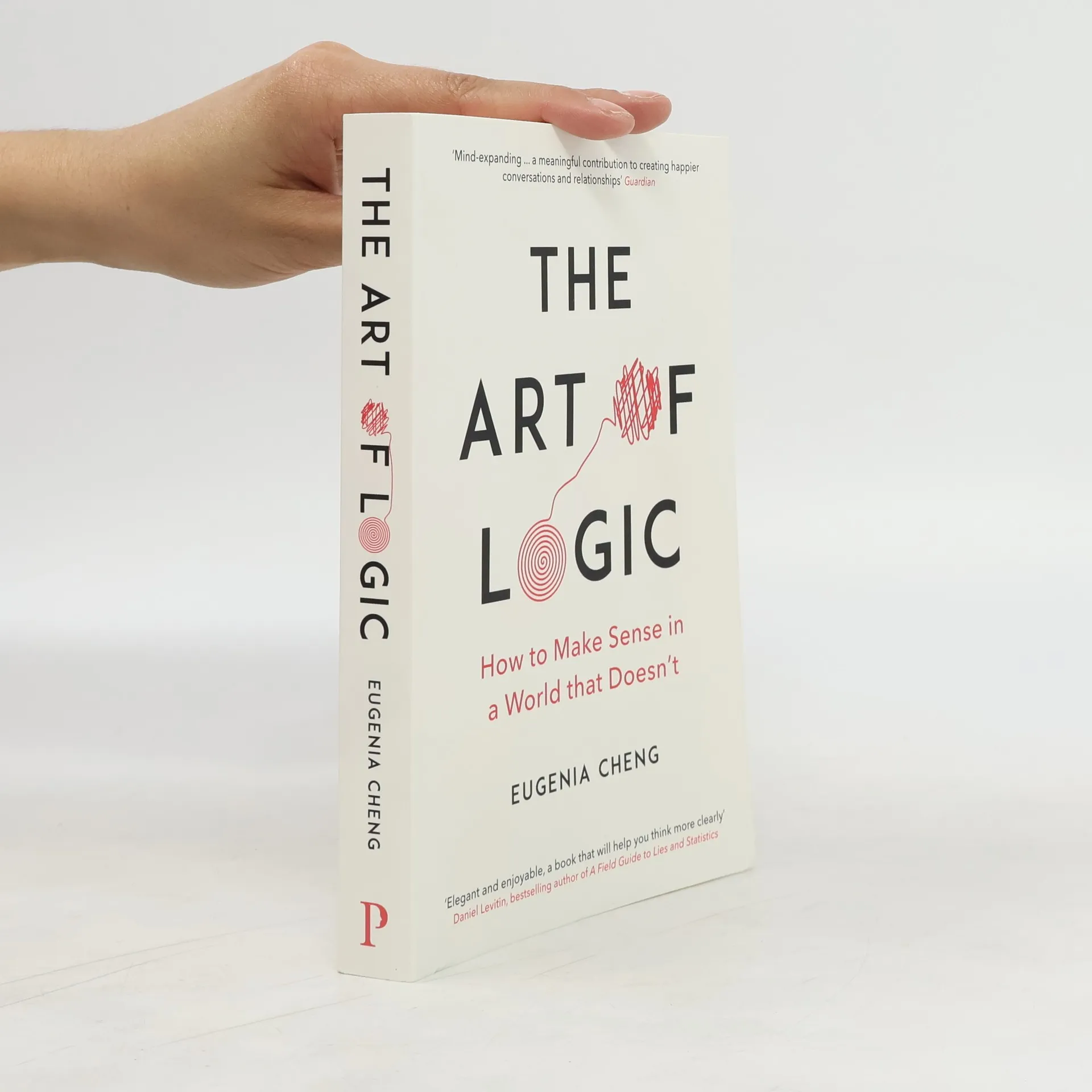
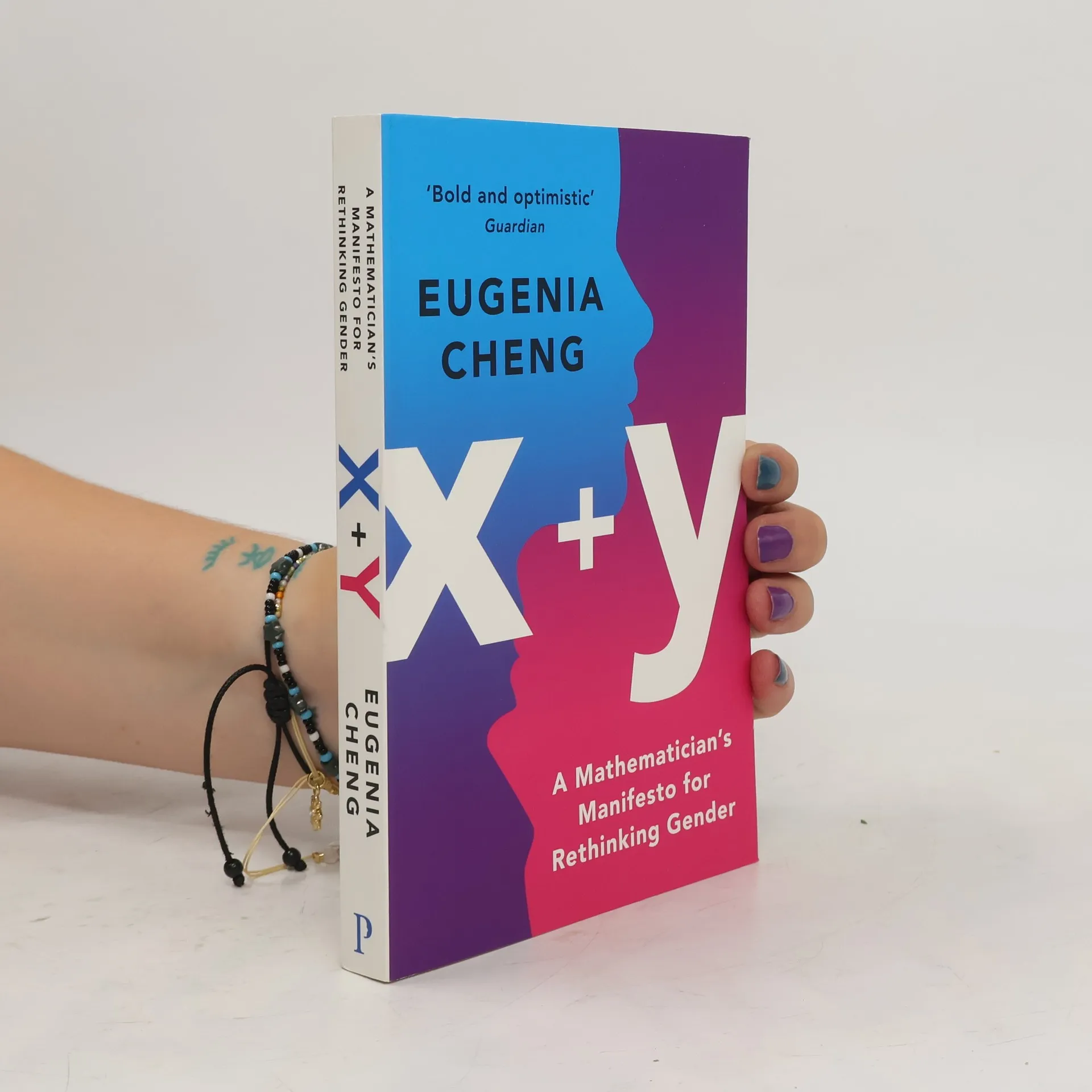
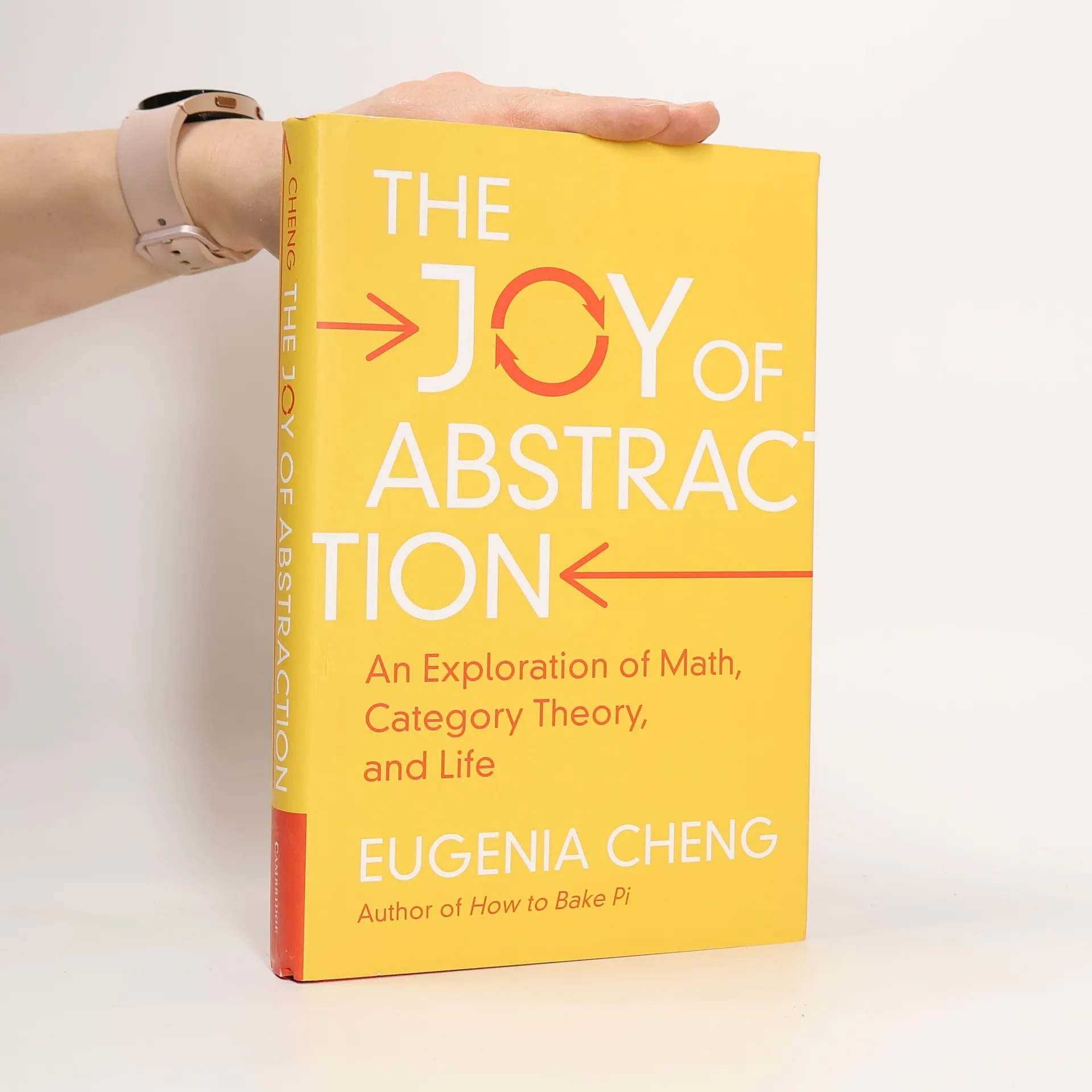
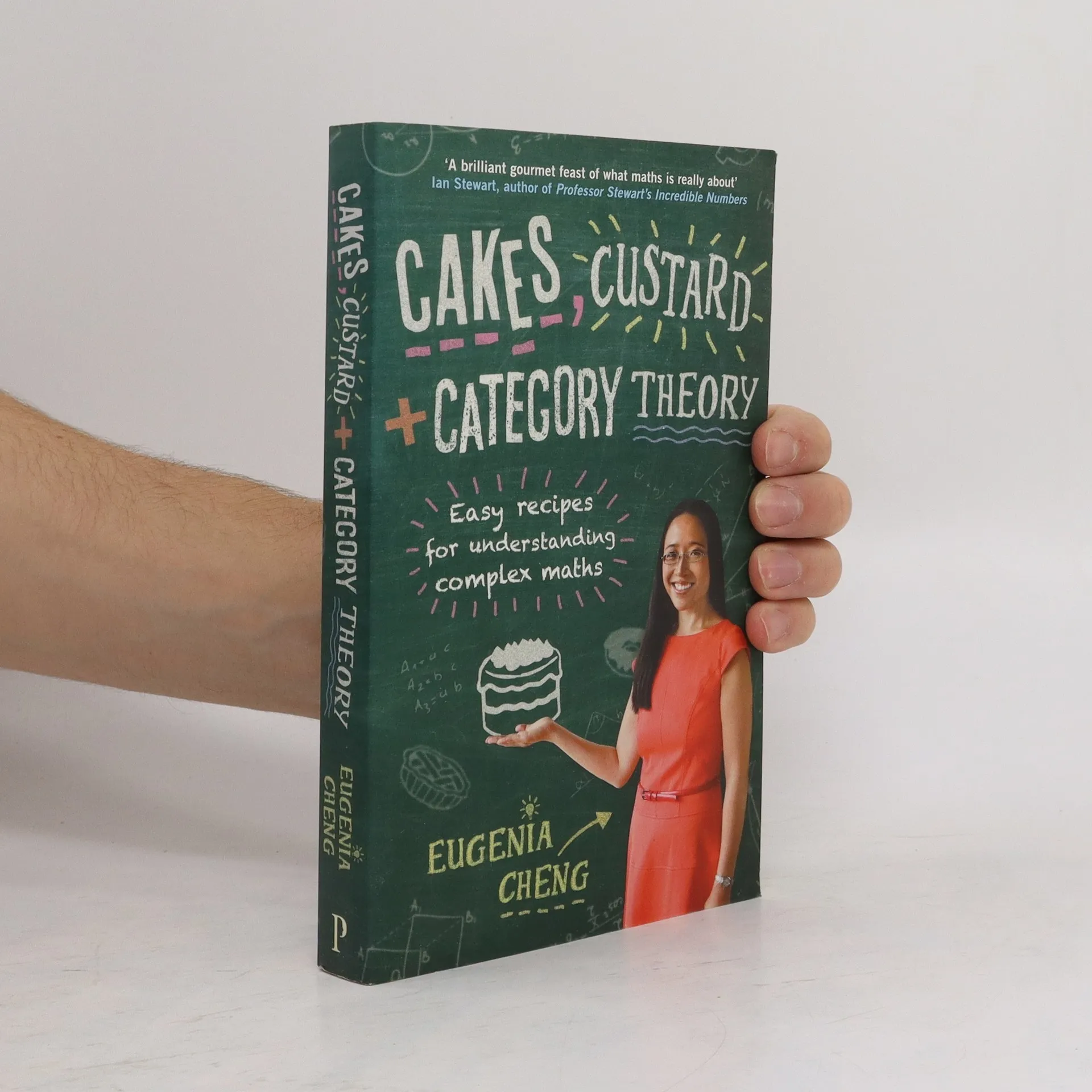
Eugenia Cheng ist eine Mathematikerin, Pianistin und Dozentin, die sich leidenschaftlich dafür einsetzt, die weltweite Angst vor Mathematik zu beseitigen. Sie verwandelt ihre Begeisterung für die Mathematik gekonnt in fesselnde und zugängliche Erzählungen, die ihre Schönheit und Logik offenbaren. Mit ihren Werken möchte sie zeigen, dass Mathematik nicht nur eine abstrakte Wissenschaft ist, sondern ein mächtiges Werkzeug zum Verständnis der Welt um uns herum. Ihr Ansatz betont Geduld, Spielfreude und die Hingabe, komplexe Konzepte einem breiten Publikum nahezubringen.
In "Warum 1 + 1 nicht immer 2 ist" beleuchtet Eugenia Cheng die spannende und neugierige Seite der Mathematik, die oft von starren Regeln geprägt ist. Sie ermutigt Schüler:innen, Eltern und Lehrer:innen, Mathematik als eine Disziplin der Fragen zu sehen, die Spaß macht und zum Staunen anregt.
In Beyond Infinity, Eugenia Cheng reveals the inner workings of infinity. What happens when a new guest arrives at your infinite hotel - but you already have an infinite number of guests? How does infinity give Zeno's tortoise the edge in a paradoxical foot-race with Achilles? And can we really make an infinite number of cookies from a finite amount of cookie dough? Wielding an armoury of inventive, intuitive metaphor, Cheng draws beginners and enthusiasts alike into the heart of this mysterious, powerful concept to reveal fundamental truths about mathematics, all the way from the infinitely large down to the infinitely small.
Most people imagine maths is something like a slow cooker: very useful, but pretty limited in what it can do. Maths, though, isn't just a tool for solving a specific problem - and it's definitely not something to be afraid of. Whether you're a maths glutton or have forgotten how long division works (or never really knew in the first place), the chances are you've missed what really makes maths exciting. Calling on a baker's dozen of entertaining, puzzling examples and mathematically illuminating culinary analogies - including chocolate brownies, iterated Battenberg cakes, sandwich sandwiches, Yorkshire puddings and M�bius bagels - brilliant young academic and mathematical crusader Eugenia Cheng is here to tell us why we should all love maths. From simple numeracy to category theory ('the mathematics of mathematics'), Cheng takes us through the joys of the mathematical world. Packed with recipes, puzzles to surprise and delight even the innumerate, Cake, Custard & Category Theory will whet the appetite of maths whizzes and arithmophobes alike. (Not to mention aspiring cooks: did you know you can use that slow cooker to make clotted cream?) This is maths at its absolute tastiest.
Mathematician and popular science author Eugenia Cheng is on a mission to show you that mathematics can be flexible, creative, and visual. This joyful journey through the world of abstract mathematics into category theory will demystify mathematical thought processes and help you develop your own thinking, with no formal mathematical background needed. The book brings abstract mathematical ideas down to earth using examples of social justice, current events, and everyday life - from privilege to COVID-19 to driving routes. The journey begins with the ideas and workings of abstract mathematics, after which you will gently climb toward more technical material, learning everything needed to understand category theory, and then key concepts in category theory like natural transformations, duality, and even a glimpse of ongoing research in higher-dimensional category theory. For fans of How to Bake Pi, this will help you dig deeper into mathematical concepts and build your mathematical background.