Dieses Buch verfolgt die Entwicklung des orientalischen Motivs von der venezianischen Darstellung der Renaissance und den ersten Beispielen der türkischen Mode bis zur Blütezeit des 19. Jahrhunderts und den Tunis-Bildern von August Macke und Paul Klee.
The oriental motif is a recurring theme in western painting. From the Renaissance with its awakening interest in ancient cultures and art to the 18th century with its Grand Tours and "Turkish fashion," the oriental theme has not only documented artists' travels to the East, but has projected the wishes, desires and imagination of the West. From ethnographic etchings to exaggerated displays of the sultans' splendor, this paradox of fact and fantasy culminated in the 19th century with the genre Orientalism. Napoleon's conquest of Egypt, European colonization, and archaeological excavations opened up the region to numerous artists such as Decamps. Delacroix, Fromentin, Ingres, Lear, and Hunt, whose most famous works express oriental imagery. The Orient in Western Art presents the emergence and development of an artistic motif accompanied by explanations of social and cultural history.
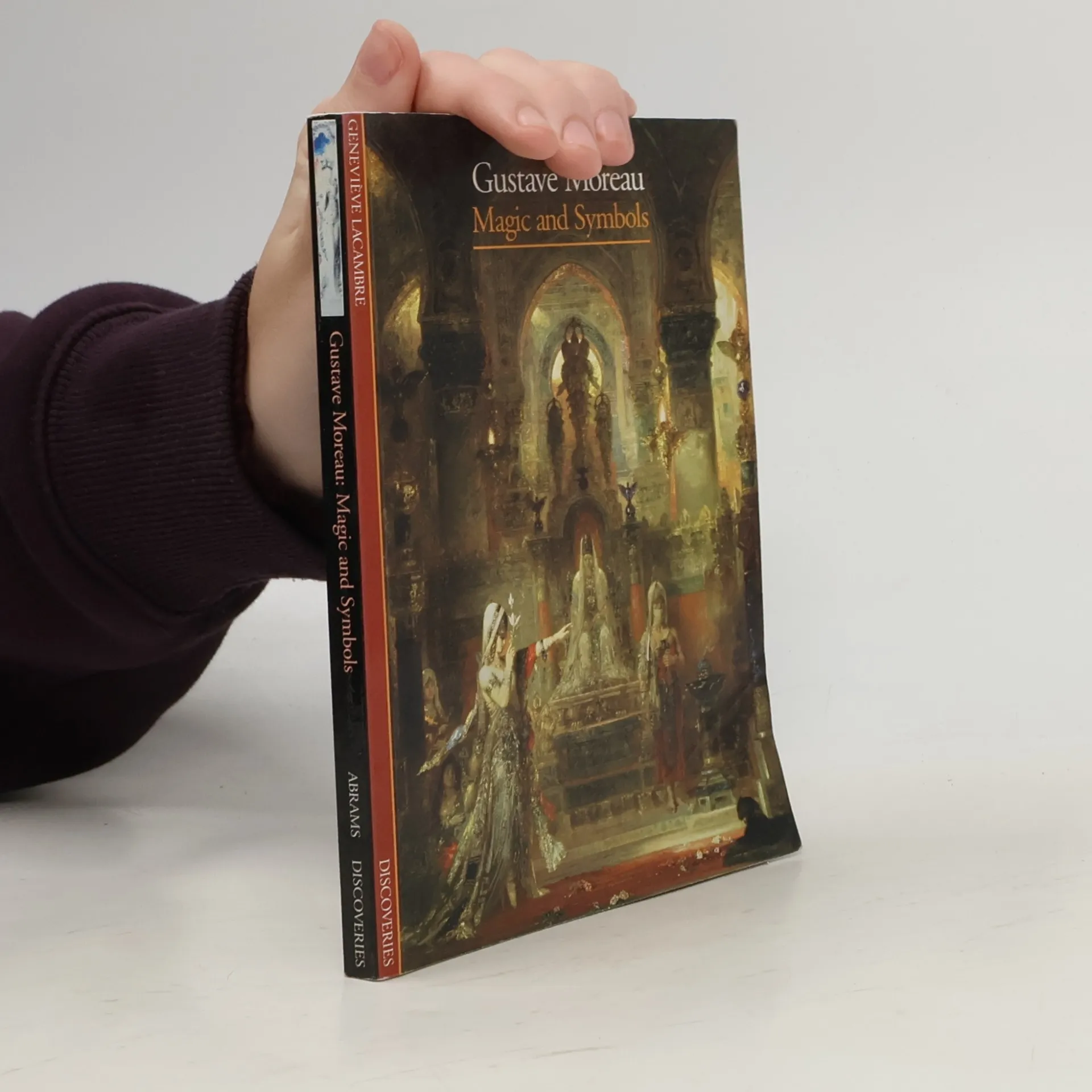
Evoking the mysterious world of Gustave Moreau, Marcel Proust writes: "His house was almost a museum, his person was already almost just the place where a work was accomplished." By deciding to enlarge his house on Rue de la Rochefoucauld in 1895 with the construction of large studios necessary for the exhibition of his paintings, Gustave Moreau creates an exemplary work. The museum, where the spirit of the original presentation is meticulously preserved, still allows, a century later, "to observe the sum of work and efforts of the artist during his life" and, thanks to the recently restored rooms of the first-floor apartment, to grasp the intimate personality of the symbolist painter, a mediator between tradition and the innovations of our century.
Gustave Moreau was one of the most influential painters of the 19th century, yet he is little known today. Teacher of Henri Matisse and Georges Rouault, he created a world of glittering, bejeweled illusion and mystery in his art. His complex, decorative style united a passion for mythology and mysticism with exquisite craftsmanship, and inspired a generation of Symbolist painters, poets, and writers, among them Proust, Mallarme, and the English Pre-Raphaelites. In his elusive, shadowed universe, compounded of dreams, memories, fragments of poetry, and ancient myths, Salome dances, Oedipus confronts the Sphinx, and Orpheus, master of music, sets his lyre singing. Trained in Renaissance art traditions, Moreau helped to open the way for modern art, and was especially fascinating to the later Surrealists, themselves drunk on dreams. Genevieve Lacambre takes us into the heart of this man's unique creativity, exploring his life and artistic sources. More than 120 paintings, drawings, and watercolors and a wealth of documents, letters, and photographs illustrate the life and work of this singular artist.
Geïllustreerd / Illustrated / Illustré / Illustriert / 9782844590015 / Oriental art / Frans / French / Français / Französisch / hard cover / dust jacket / 28 x 32 cm / 360 .pp /