EQ für Kinder
- 283 Seiten
- 10 Lesestunden





There is a secret language that all children speak. It is a language beyond words. It is revealed in your child's body movements and facial expressions, in their voice, in their art, in their play, even in their stories and dreams. It is a language that reveals their deepest fears and conflicts. It is a language quite familiar to professional therapists, but as a parent, you hardly know that it exists. In HOW TO UNDERSTAND THE SECRET LANGUAGE OF CHILDREN, Dr Lawrence E. Shapiro provides the keys that will open the door to a whole new way for you to relate to your children. This secret language is too important in the understanding of children to be the exclusive province of mental health professionals: it should be a tool that you can use to enrich your relationship with your child. Learn how to: * Interpret your infant's cries * Observe and interpret your child's body language * Use art activities to reassure your child in times of trouble or conflict * Learn how to play on your child's terms * Enhance your child's ability to exercise self-control and co-operate * Boost your child's social skills In this innovative book, grounded in the science of parenting, Dr Shapiro teaches you the crucial and practical tools you need to understand - and speak - the secret language of your child.
Is worry taking over your life? Are you constantly worrying about money, health, family, work, or other issues? Do you find it difficult to control your worries even though you know they are not helping you? Although anxiety can make it seem like things will never get better, it is possible to break free from the cycle of worry. In the Generalized Anxiety Disorder Workbook , Dr. Lawrence Shapiro provides you with the tools you need to stop battling against your worries and strip anxiety of its power. Filled with a variety of straightforward and easy-to-use worksheets, you’ll learn how
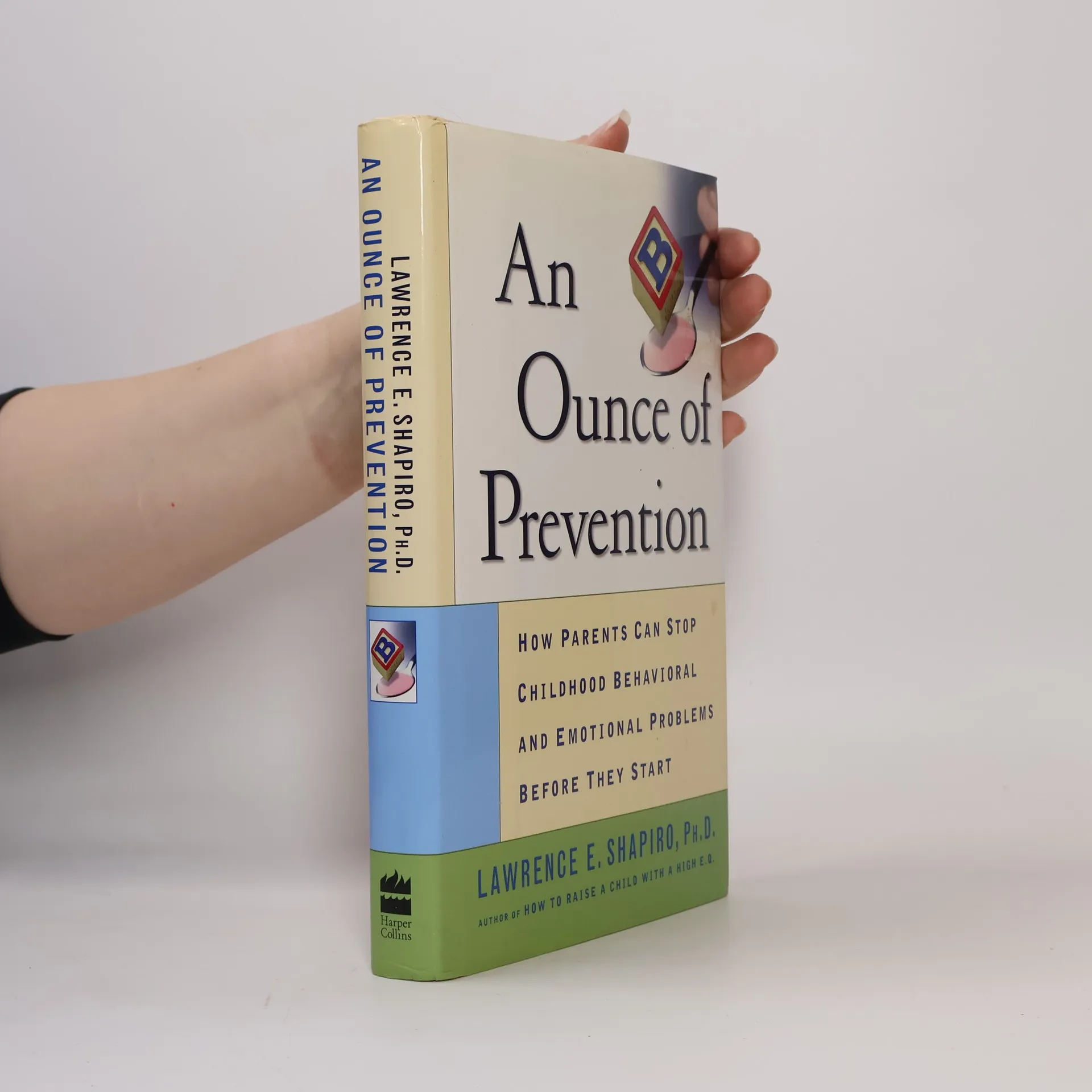
How Parents Can Stop Childhood Behavioral and Emotional Problems Before They Start
Most parents recognize the need for prevention regarding their children's physical health and safety, yet many overlook the importance of emotional and behavioral prevention. Dr. Lawrence E. Shapiro emphasizes that parents often wait for symptoms to arise before taking action. However, many issues can be addressed proactively if parents know what to look for. Preventing emotional problems is far easier than treating them once they disrupt a child's life. Dr. Shapiro offers imaginative and effective strategies for navigating critical moments in a child's emotional development, from infancy through adolescence. He guides parents in identifying risks for issues like depression, underachievement, shyness, eating disorders, and ADHD, while providing actionable advice. Some suggestions may seem like common sense—such as instilling healthy eating habits early to prevent future disorders—while others may be surprising, like not coddling fearful babies or avoiding excessive praise for toddlers. Engaging in a teenager's education, even when they seem distant, is also crucial. This resource is filled with practical examples and advice, equipping parents with the skills to help their children build resilience against the challenges of today. By providing "an ounce of prevention" daily, parents can significantly enhance their child's happiness and well-being.
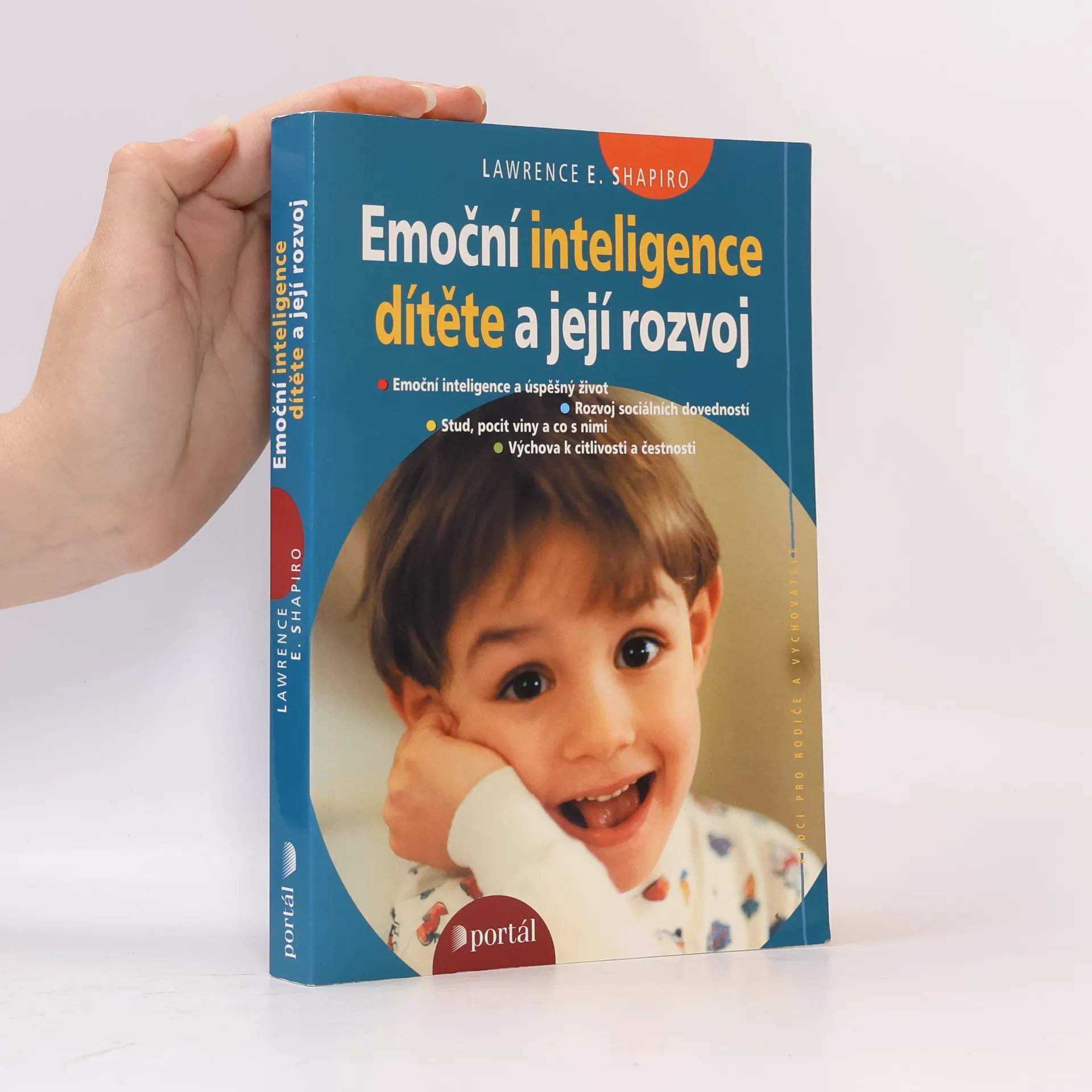
Lawrence E. Shapiro ve své knize předkládá rodičům a vychovatelům řadu podnětů k tomu jak ovlivnit jednání dětí změnou jejich myšlení.
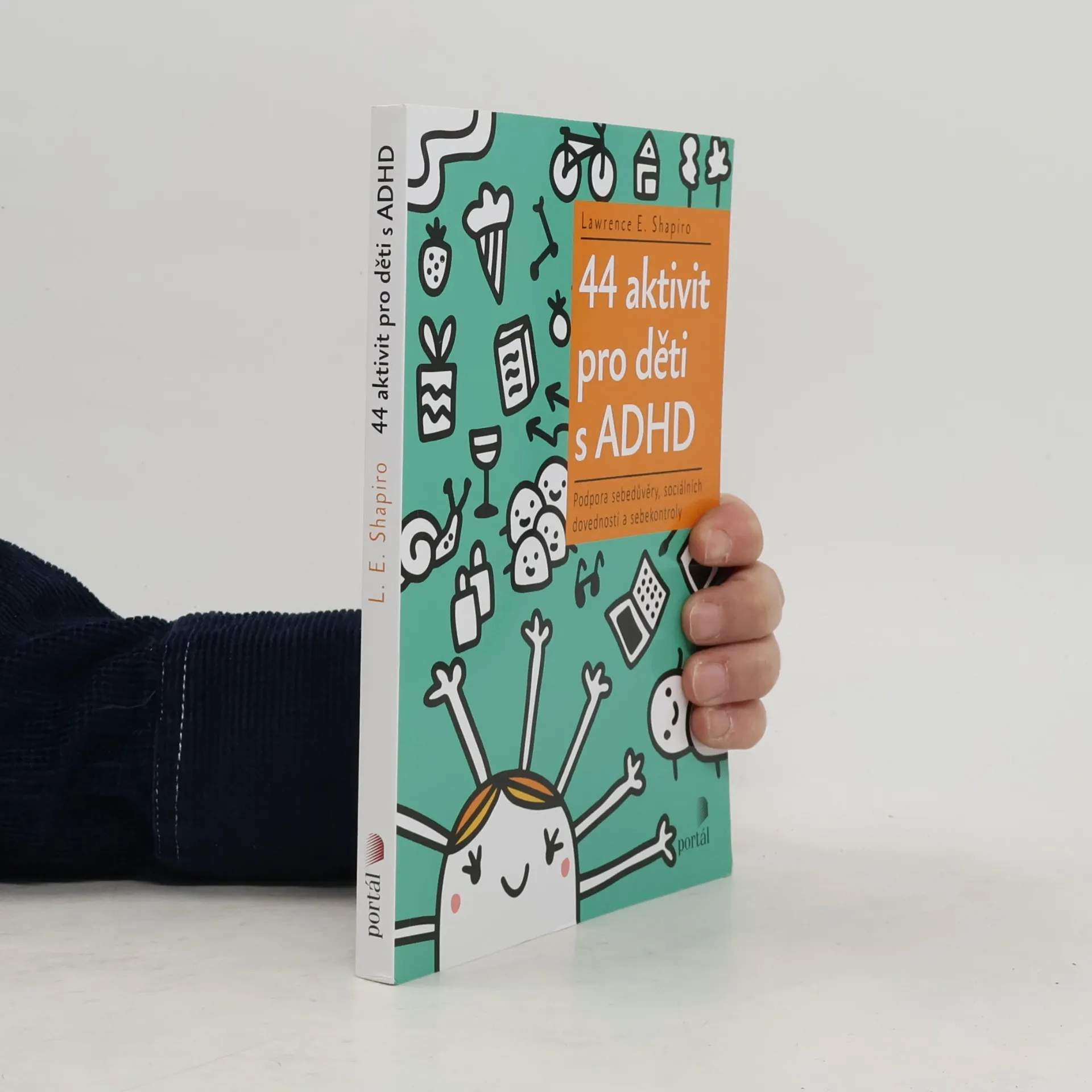
Jak mohou děti s ADHD dostat své impulzivní chování pod kontrolu? Odpověď nabízí kniha plná aktivit, které rozvíjejí sebedůvěru, sociální dovednosti a sebekontrolu. Autor shromáždil 44 jednoduchých aktivit, které mají podobu desetiminutovek a dají se provádět bez větší přípravy. Co se děti při hrách naučí? Budou z nich dobří kamarádi, kteří naslouchají ostatním, školu budou zvládat s větší lehkostí, rozpoznají své speciální dovednosti a podpoří tak svou sebeúctu, a naučí se své chování lépe plánovat a chovat se zodpovědně. Aktivity jsou určeny dětem od 8 do 12 let.
Bu kitapta yazar, sosyal oyunlar ve eğlence aracılığıyla çocuklarınıza problem çözmeyi ve öz güven geliştirmeyi öğretir, stres ve ergenlik sorunlarını aşmalarına yardımcı olur. Araştırmalar, duygusal zekanın çocuğunuzun başarısı için IQ ile ölçülen zekadan daha önemli olduğunu göstermektedir. Bu kitapta, Lawrence E. Shapiro, çocuğunuzun diğer çocuklarla dostane ilişkiler kurmasını ve sürdürmesini; grup içinde çalışmasını; problemleri çözmesini; eksiklikleriyle gülmesini; kendini motive etmesini; zor durumlarla yüzleşmesini; bilgisayarı yeteneklerini geliştirmek için kullanmasını sağlamak için basit ve pratik tavsiyeler sunmaktadır.