

The book presents a critical examination of the current socio-political landscape, emphasizing the urgent need for action to prevent the rise of fascism in society. It serves as a strategic guide, outlining the challenges faced and proposing solutions to safeguard democratic values. Through compelling arguments and insights, the author aims to mobilize readers to engage in activism and foster resilience against authoritarianism. This essential read calls for awareness and proactive measures in the face of growing threats to freedom and justice.
Jason Stanley Reihenfolge der Bücher (Chronologisch)
12. Oktober 1969
Jason Stanley ist ein Philosoph an der Yale University, dessen Werk sich mit der Natur und Geschichte der Propaganda befasst. Seine Schriften untersuchen, wie Machtstrukturen Sprache und Narrative nutzen, um die öffentliche Wahrnehmung zu formen, und sezieren die Mechanismen, die autoritäre Systeme aufrechterhalten. Stanleys Analysen beleuchten, wie man demokratisches Denken angesichts von Desinformation kultiviert und verteidigt. Seine Arbeit dient als wesentlicher Leitfaden zum Verständnis der komplexen Dynamiken von Macht und Ideologie in der heutigen Welt.


Wie Faschismus funktioniert
- 216 Seiten
- 8 Lesestunden
Angesichts der neuen Konjunktur von Ultranationalismen auch in Europa und einer wachsenden Zahl von Ländern weltweit arbeitet der Philosoph Jason Stanley aus einer historischen wie gegenwärtigen Doppelperspektive die allgemeinen Muster und Rhetoriken, die Stoffe und Mythen des Faschismus heraus. Stanley ist sich sicher: Nur wenn wir faschistische Politik erkennen, können wir ihren schädlichsten Auswirkungen widerstehen und zu demokratischen Idealen zurückkehren.
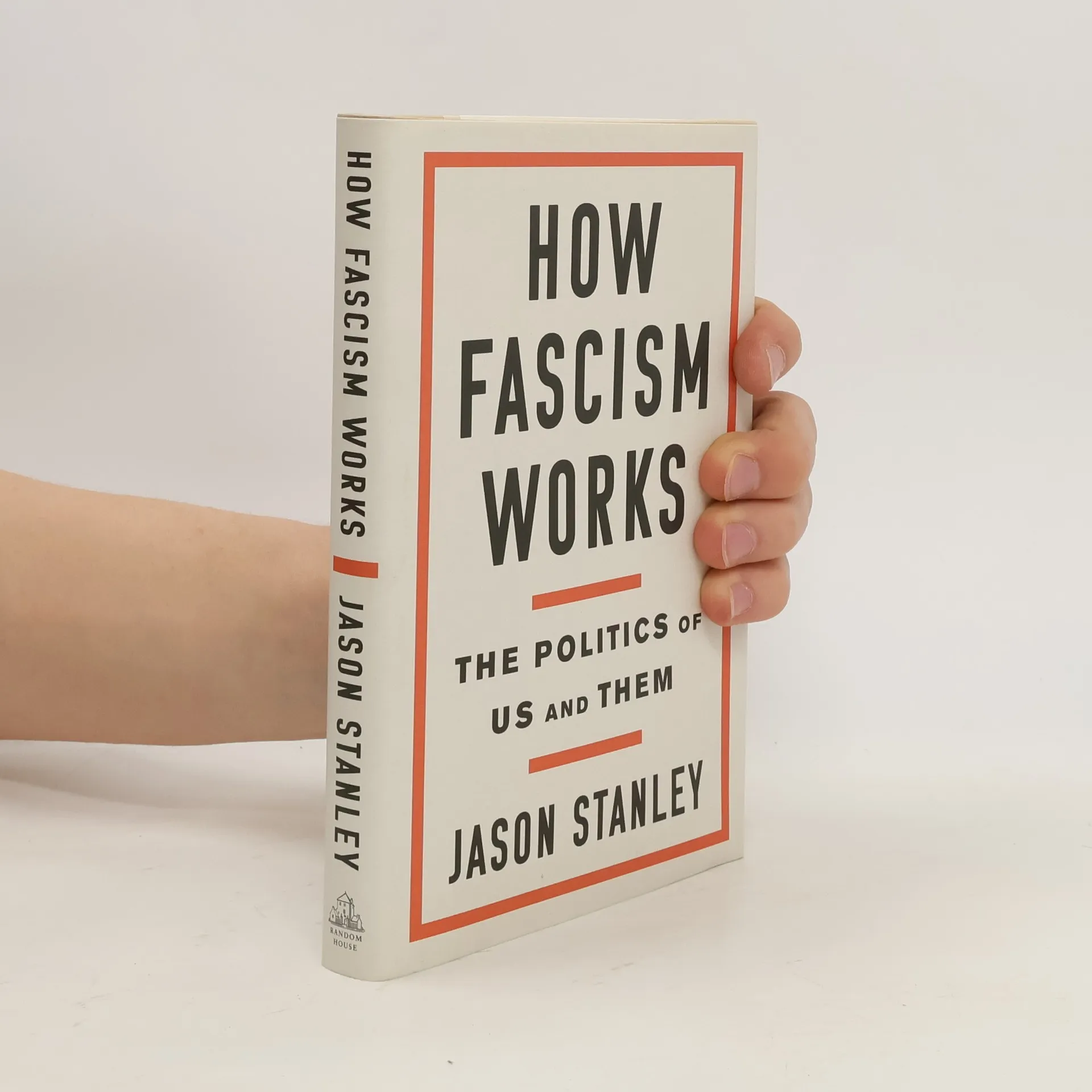
How Fascism Works
- 218 Seiten
- 8 Lesestunden
Jason Stanley explores how the liberties of the people diminish when voters support politicians who foster divisive "us versus them" politics, undermining cooperation and respect. This work builds on his previous insights to explain how individuals are misled into reversing the rights that have historically defined America. The book addresses the troubling resurgence of fascism, raising questions about its current manifestation in national populism, from figures like Trump and Bannon to movements in Europe. Stanley provides compelling evidence that fascism is not only alive but gaining traction, urging readers to recognize and confront this reality. He argues that fascism is less about governance and more about seizing control, making this a crucial read. The narrative highlights how moments of crisis can revive harmful myths, yet emphasizes the importance of dismantling these narratives to recognize our shared humanity. Stanley's analysis offers a critical framework to understand the mechanisms threatening democracies worldwide, making this book essential for anyone committed to civic responsibility. It serves as a timely guide to the ongoing struggle between democracy and authoritarianism, illuminating the connections between past and present fascist ideologies.
How Propaganda Works
- 376 Seiten
- 14 Lesestunden
Our democracy today is fraught with political campaigns, lobbyists, liberal media, and Fox News commentators, all using language to influence the way we think and reason about public issues. Even so, many of us believe that propaganda and manipulation aren't problems for us--not in the way they were for the totalitarian societies of the mid-twentieth century. In How Propaganda Works, Jason Stanley demonstrates that more attention needs to be paid. He examines how propaganda operates subtly, how it undermines democracy--particularly the ideals of democratic deliberation and equality--and how it has damaged democracies of the past.
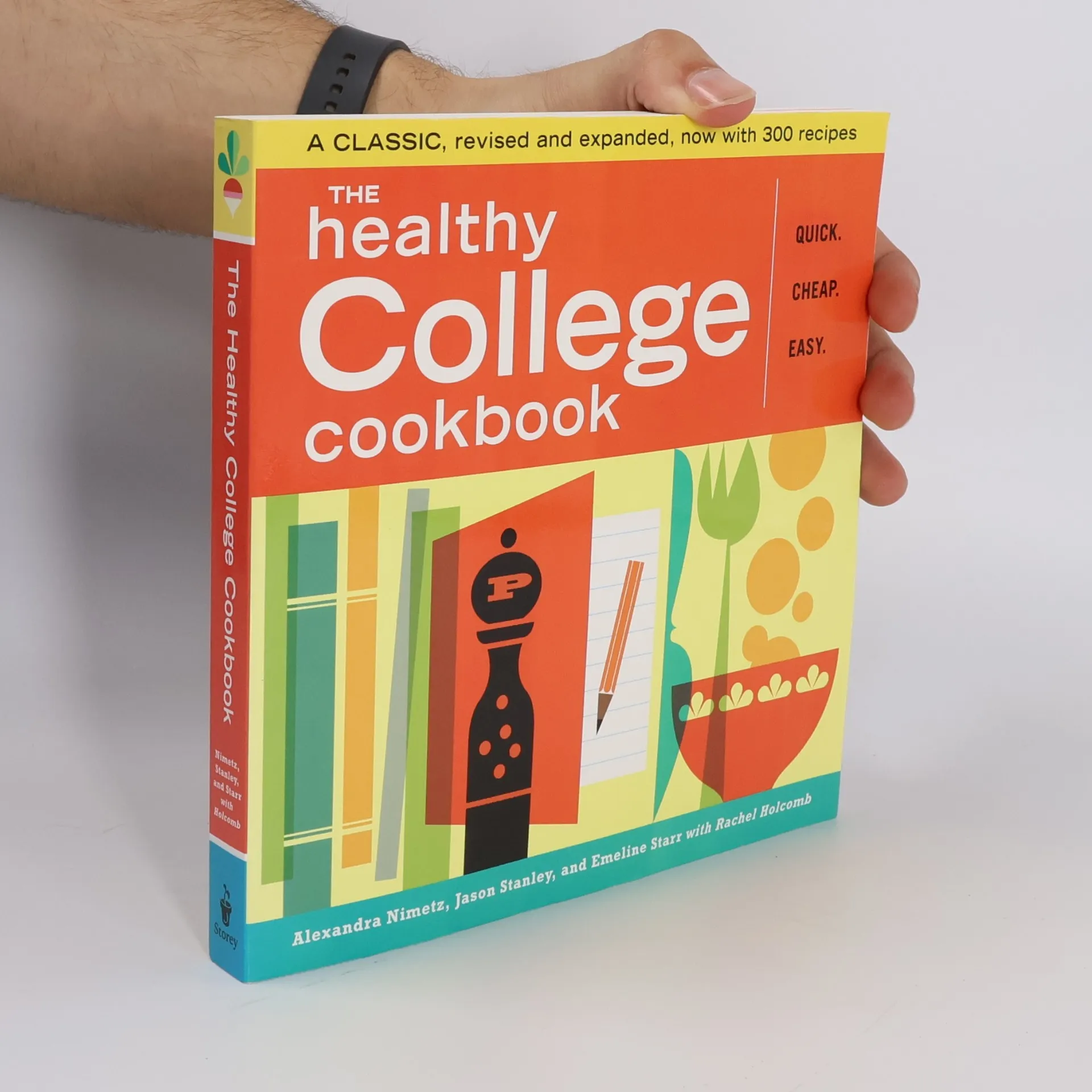
The Healthy College Cookbook: A Classic, Revised and Expanded, Now with 300 Recipes
- 293 Seiten
- 11 Lesestunden
If the pizza-delivery guy is in your apartment more often than your roommate, The Healthy College Cookbook is exactly what you need. Whether you’re a meat lover, vegetarian, or vegan, you’ll find simple and adaptable recipes for quick breakfasts, portable snacks, fresh lunches, and satisfying dinners. Busy students will love these tasty, nutritious recipes.
Exploring the interplay between context and language, Jason Stanley's collection of essays offers a nuanced theory of how situational factors influence communication. The work is both clear and concise, making it accessible to philosophers, linguists, and cognitive scientists engaged in language acquisition, production, and interpretation. It delves into the complexities of how our environment shapes our spoken words, providing valuable insights for those studying the nature of language.