Gratis Versand in ganz Österreich
Bookbot

Arthur Ponsonby

    Falsehood in Wartime
    Wars & Treaties, 1815-1914; Democracy and Diplomacy
    Wars & Treaties, 1815-1914
    The Camel and the Needle's eye; Spiritual Perfection, A Dialogue
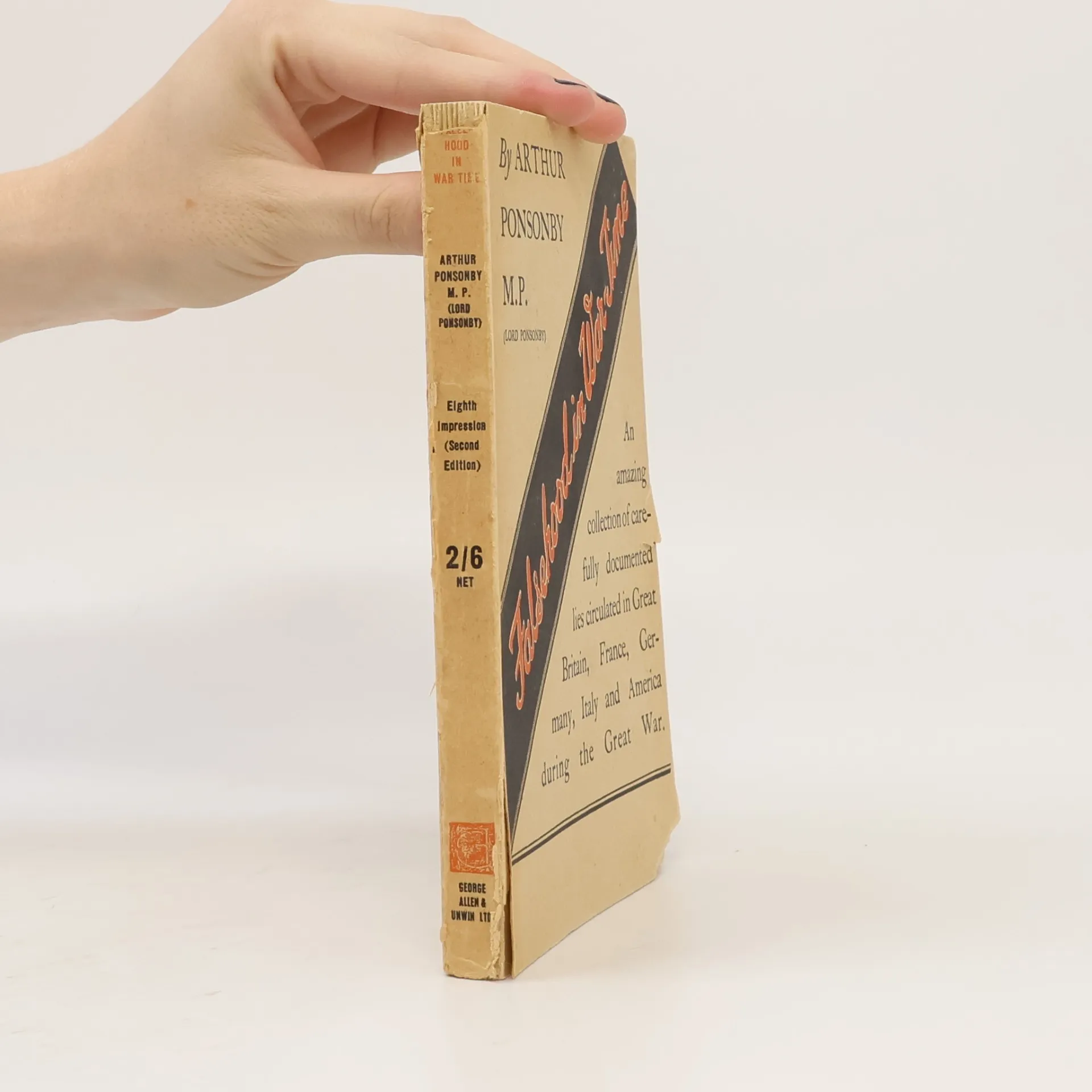
    Falsehood in Wartime.
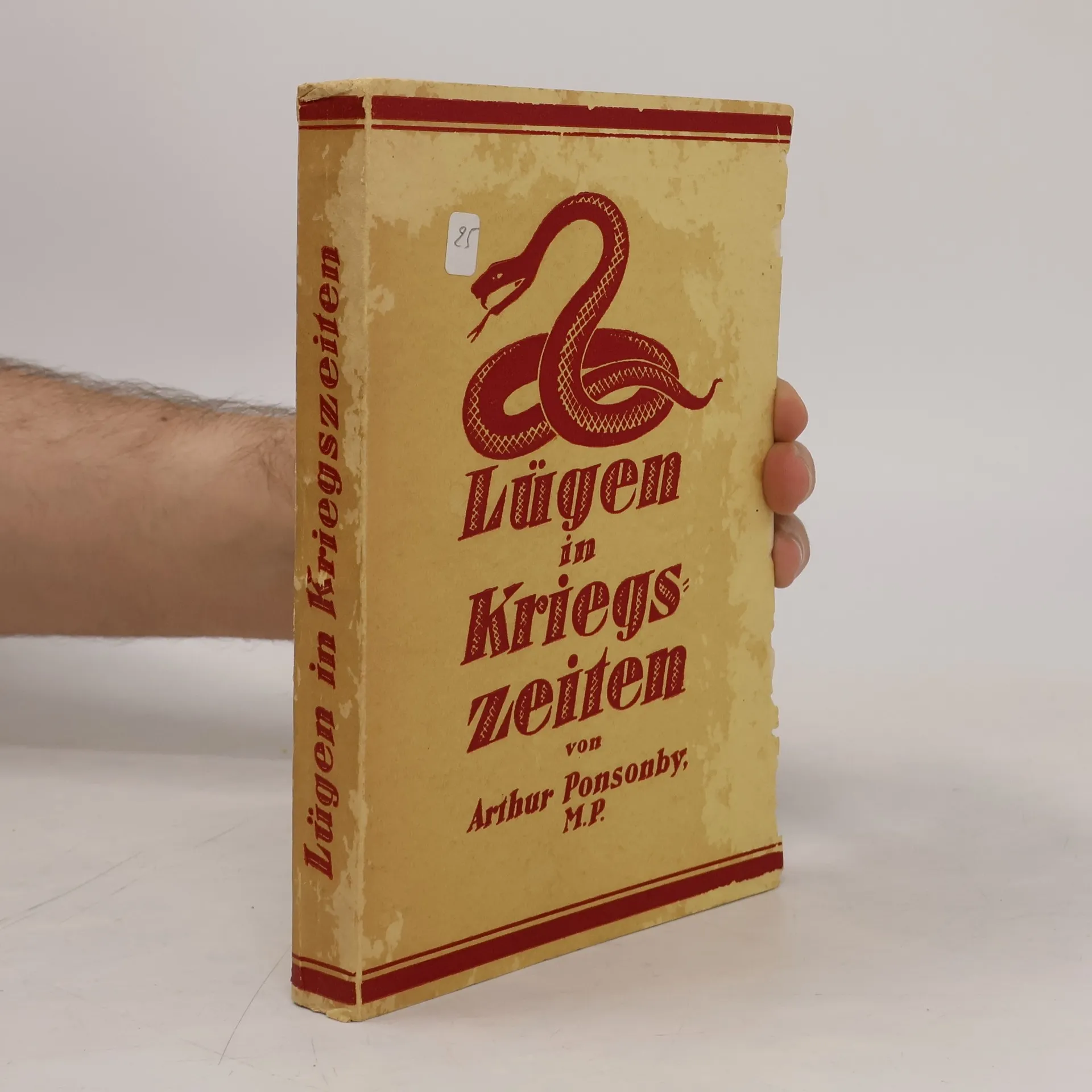
    Lügen in Kriegszeiten
    • Lügen in Kriegszeiten

      Kritische Betrachtungen

      Das erste Opfer des Krieges ist die Wahrheit. Schon im Ersten Weltkrieg zeigte sich das Phänomen, das für uns heute alltäglich geworden ist, und welches Arthur Ponsonby mit seinem weltbekannten Ausspruch zusammenfasste. Der steile Siegeszug der Propaganda, durch welche der Gegner entmenschlicht und die eigene Bevölkerung zum Krieg motiviert werden sollte, trieb nicht nur die jungen Männer in die Schützengräben von Verdun, sondern ebnete den Weg für die Schreckensherrschaft der Nationalsozialisten und die Informationskriege der Moderne. Die Ursprünge all dessen untersucht Ponsonby hier akribisch, sowohl am Beispiel seines Heimatlandes Großbritannien als auch den USA, Frankreich, Italien und Deutschland. Ein Buch von erschreckender Aktualität.

      Lügen in Kriegszeiten
    • Falsehood in Wartime.

      Propaganda Lies of the First World War.

      • 188 Seiten
      • 7 Lesestunden
      4,0(1)Abgeben

      Exploring the strategic use of deception in warfare, the book delves into how nations manipulate information to mislead their citizens, sway neutral parties, and confuse adversaries. It highlights the ignorance of the masses, who remain unaware of the false narratives being spun around them. Once conflicts conclude, the truth often remains obscured, as the focus shifts away from uncovering lies to the consequences of the misinformation. This examination reveals the complexities of truth and falsehood in the context of historical conflicts.

      Falsehood in Wartime.
    • This work is a reproduction of an original text, emphasizing accessibility for readers with impaired vision through large print. Published by Megali, a house dedicated to making historical works more readable, it highlights the importance of inclusivity in literature.

      The Camel and the Needle's eye; Spiritual Perfection, A Dialogue
    • Wars & Treaties, 1815-1914

      • 106 Seiten
      • 4 Lesestunden

      The book addresses the growing interest in foreign affairs among individuals who may lack access to comprehensive historical texts. It emphasizes the importance of understanding recent European and world history to grasp current events and inform future decisions. By providing a concise overview of key dates, conflicts, and agreements between nations, the book aims to serve as a practical reference tool, offering essential facts in an accessible format for readers seeking to enhance their knowledge of international relations.

      Wars & Treaties, 1815-1914
    • Wars & Treaties, 1815-1914; Democracy and Diplomacy

      in large print

      • 124 Seiten
      • 5 Lesestunden

      Focusing on accessibility, this book is a reproduction of a historical work presented in large print format. Megali, the publishing house, aims to enhance reading experiences for individuals with impaired vision, ensuring that important texts remain available and easy to read for all.

      Wars & Treaties, 1815-1914; Democracy and Diplomacy
    • Falsehood in Wartime is a compelling exploration into the early days of war propaganda. Arthur Ponsonby dissects government lies and manufactured truths of the First World War.

      Falsehood in Wartime
    • Wydana po raz pierwszy w 1928 roku książka Kłamstwa czasów wojny była pierwszą tak wnikliwą analizą propagandy stosowanej przez angielskich polityków i media w okresie pierwszej wojny światowej. Odwołując się do artykułów prasowych, korespondencji wojennych, wystąpień parlamentarnych, a nawet rozsiewanych celowo plotek autor precyzyjnie ujawnia metody dezinformacji i manipulacji opinią publiczną stosowane po to, aby przekonać ludzi do poparcia działań wojennych i wzięcia w nich udziału. Z książki wynika jednoznacznie, że gdyby nie te kłamstwa i gdyby nie propaganda, jest mało prawdopodobne, aby obywatele Wielkiej Brytanii poparli decyzję o włączeniu się na front. Aby uzyskać ich przychylność, trzeba było zmienić ich obraz świata. To zaś udało się dokonać poprzez odwoływanie się do najbardziej prostych emocji: strachu, nienawiści, chęci odwetu, oburzenia, a także dzięki sloganom, w których sięgano do najwyższych wartości: patriotyzmu, sprawiedliwości i wolności.

      Kłamstwa czasów wojny