
Bookbot

Quan Barry Bücher

    Quan Barry ist eine gefeierte Dichterin, deren Werk sich mit der Komplexität von Identität und kultureller Überschneidung auseinandersetzt. Ihre Poesie, die oft aus persönlichen Erfahrungen und dem vietnamesischen Erbe schöpft, verbindet meisterhaft traditionelle und zeitgenössische Themen. Barrys Verse werden für ihre eindrucksvollen Bilder, ihre Musikalität und ihre tiefe emotionale Resonanz gefeiert. Als Englischprofessorin bereichert sie die literarische Landschaft nicht nur durch ihre eigenen Schriften, sondern auch durch die Förderung aufstrebender Stimmen.

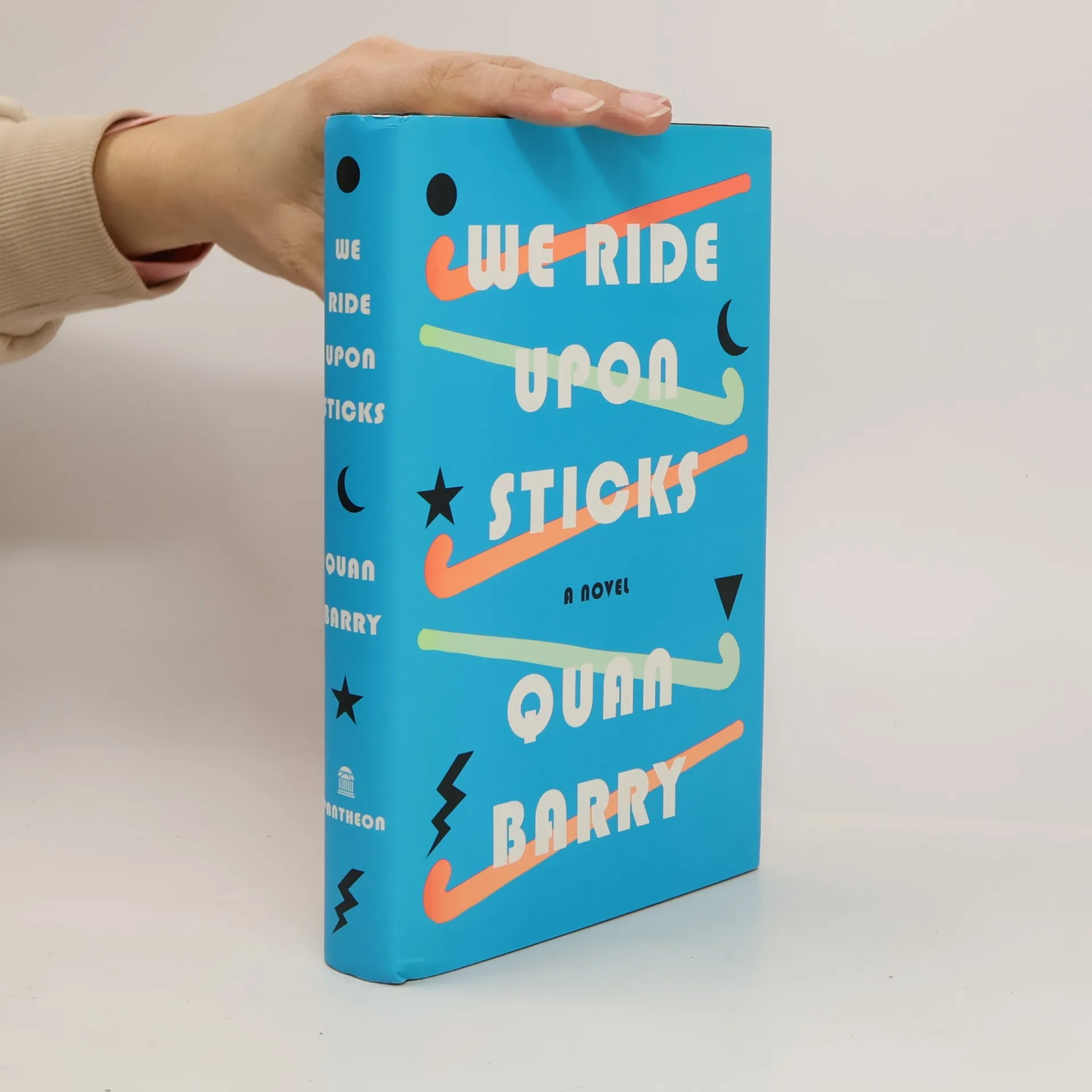
    We Ride Upon Sticks
    When I'm Gone, Look for Me in the East
    Asylum
    • Asylum

      • 88 Seiten
      • 4 Lesestunden

      Quan Barry’s stunning debut collection has been compared to Sylvia Plath’s Ariel for the startling complexity of craft and the original sophisticated vision behind it. In these poems beauty is just as likely to be discovered on a radioactive atoll as in the existential questions raised by The Matrix.Asylum is a work concerned with giving voice to the displaced—both real and fictional. In "some refrains Sam would have played had he been asked" the piano player from Casablanca is fleshed out in ways the film didn’t allow. Steven Seagal, Yukio Mishima, Tituba of the Salem Witch Trials, and eighteenth-century black poet Phillis Wheatley also populate these poems.Barry engages with the world—the Tuskegee syphilis experiments, the legacy of the Vietnam war—but also tackles the broad meditative question of the individual’s existence in relation to a higher truth, whether examining rituals or questioning, "Where is it written that we should want to be saved?" Ultimately, Asylum finds a haven by not looking away.

      Asylum
      4,1
    • From the acclaimed author of We Ride Upon Sticks comes a luminous novel that moves across a windswept Mongolia, as estranged twin brothers make a journey of duty, conflict, and renewed understanding."A dazzling achievement...The rhythms are more like prayer than prose, and the puzzlelike plot yields revelations." — The New York TimesTasked with finding the reincarnation of a great lama—a spiritual teacher who may have been born anywhere in the vast Mongolian landscape—the young monk Chuluun sets out with his identical twin, Mun, who has rejected the monastic life they once shared. Their relationship will be tested on this journey through their homeland as each possesses the ability to hear the other’s thoughts.Proving once again that she is a writer of immense range and imagination, Quan Barry carries us across a terrain as unforgiving as it is beautiful and culturally varied, from the western Altai mountains to the eerie starkness of the Gobi Desert to the ancient capital of Chinggis Khaan. As their country stretches before them, questions of faith—along with more earthly matters of love and brotherhood—haunt the twins.Are our lives our own, or do we belong to something larger? When I’m Gone, Look for Me in the East is a stunningly far-flung examination of our individual struggle to retain our convictions and discover meaning in a fast-changing world, as well as a meditation on accepting what simply is.

      When I'm Gone, Look for Me in the East
      4,0
    • We Ride Upon Sticks

      A Novel

      • 384 Seiten
      • 14 Lesestunden

      It’s 1989, and the Danvers High School Women’s Field Hockey team is staring down another losing season. But things start to look up when the team’s goalie discovers a book that will change both the course of the season as well as each player’s life. FACT: In 1692, a handful of young girls, interested in divining the nature of their futures, brought devastating consequences to what was then known as Salem Village. FACT: Three hundred years later, Salem Village is now the Town of Danvers, and these teen girls are just as wily and original as their ancestors. If hell hath no fury like a woman scorned, then Boston’s north shore is about to discover what lengths eleven teen girls will go to win a state championship, uncovering their true selves and bucking convention along the way. We Ride Upon Sticks and Are There Presently presents a portrait of teen girl-dom in all its furious messiness, from big hair to Heathers to coming into one’s glorious own despite society’s stale notions of femininity.

      We Ride Upon Sticks
      3,8