

Oral History is part of the Understanding Qualitative Research series, which is designed to provide researchers with authoritative guides to understanding, presenting, and critiquing analyses and associated inferences. There are three subareas in this series: Quantitative Research, Measurement, and Qualitative Research. This volume fits in the Qualitative Research group and addresses issues surrounding oral history - how to both fully and succinctly report and present this material, as well as the challenges of evaluating it.
Patricia Leavy Bücher
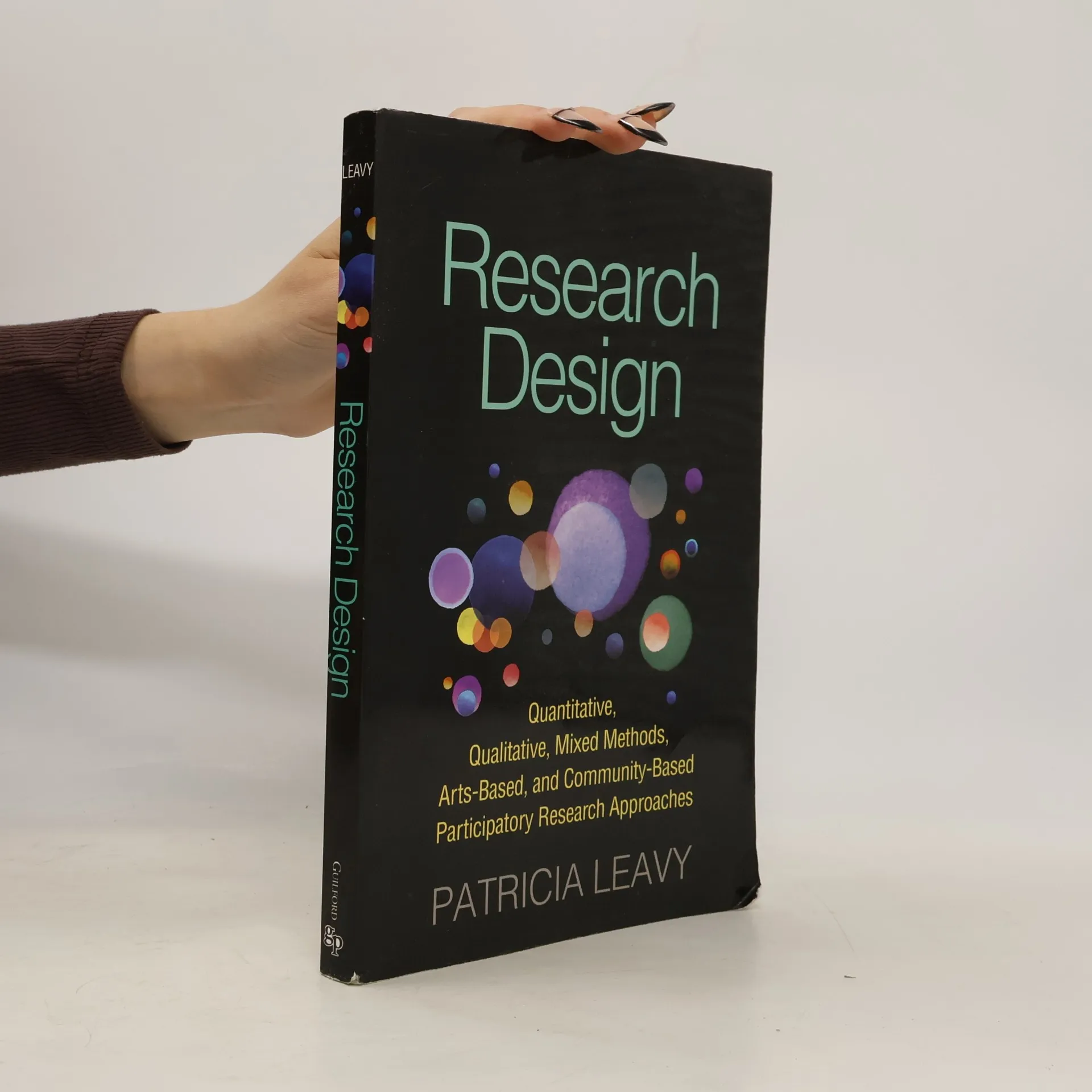


Research Design, Second Edition
Quantitative, Qualitative, Mixed Methods, Arts-Based, and Community-Based Participatory Research Approaches
- 323 Seiten
- 12 Lesestunden
This revised second edition offers a comprehensive guide to the five major research design approaches, now enhanced with a new chapter on literature reviews. It features user-friendly templates for research proposals, along with detailed instructions for each section. The book incorporates interdisciplinary examples related to current events and social justice, making it relevant and engaging. Additionally, a companion website provides worksheets, while instructors have access to PowerPoints and chapter tests with answer keys to facilitate teaching.
Research Design
Quantitative, Qualitative, Mixed Methods, Arts-Based, and Community-Based Participatory Research Approaches
- 301 Seiten
- 11 Lesestunden
This user-friendly book provides a step-by-step guide to using the five major approaches to research design: quantitative, qualitative, mixed methods, arts-based, and community-based participatory research. Chapters on each approach follow a unique format--they present a template for a research proposal and explain in detail how to conceptualize and fill in every section. Terminology commonly used within each approach is identified, and key moments of ethical decision making are flagged. Interdisciplinary research examples draw on current events and social justice topics. Unique coverage includes hot topics: replication studies and data sharing, tailoring proposals to different audiences, and more. The book also includes a general introduction to social research; an in-depth, practical discussion of ethics; and a chapter on how to begin a research study, from planning a topic to developing a research question via a literature review. Pedagogical Features *Multiple "Review Stops" in each chapter--quick quizzes with answer keys. *End-of-chapter writing exercises, research activities, and suggested resources. *Bold-face key terms and an end-of-book glossary. *Boxed tips from experts in the respective approaches. *Supplemental PowerPoint slides for instructors using the book in a class. Winner (Third Place)-- American Journal of Nursing Book of the Year Award, Nursing Research Category