Gratis Versand in ganz Österreich
Bookbot

Luis Garcia Montero

    Luis García Montero ist ein gefeierter Dichter und Professor für spanische Literatur, dessen Werke tief in die Landschaft menschlicher Emotionen und literarischer Traditionen eintauchen. Seine Poesie, die oft von Alltag und intimen Erfahrungen inspiriert ist, erforscht die Komplexität von Beziehungen und die Vergänglichkeit der Existenz mit unverblümter Ehrlichkeit. Durch seine fantasievolle und eindringliche Prosa deckt der Autor universelle Wahrheiten über Liebe, Verlust und die Suche nach Sinn in einer sich ständig verändernden Welt auf. Seine Arbeit bietet eine fesselnde Reflexion über die Natur der Poesie und ihren Platz in unserem Leben.

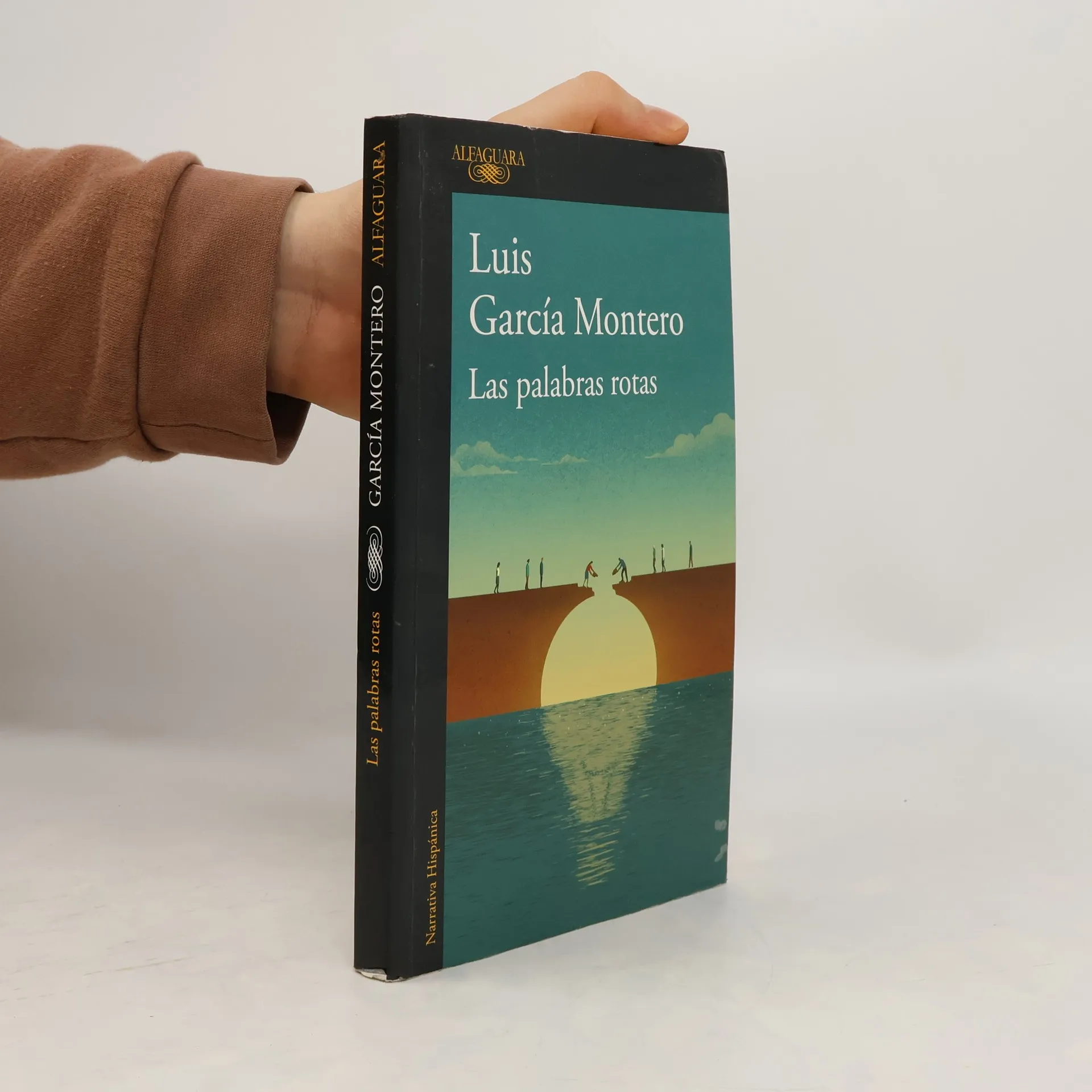
    Las palabras rotas
    O dono do derradeiro minuto
    Las flores del frío
    Someone Speaks Your Name
    The World So Often: Poems 1982-2008
    A Form of Resistance: Reasons for keeping mementos
    • Amid Spain's economic challenges, the author reflects on how small mementos and everyday objects can combat despair. Through personal stories tied to items like a Zippo lighter and vinyl records, he explores the universal connection to memory and identity. This prose work emphasizes the importance of preserving history against the backdrop of capitalism's destructive forces, echoing themes from Steinbeck's The Grapes of Wrath. The book, now available in English, showcases García Montero's insights on resilience and the enduring power of memory.

      A Form of Resistance: Reasons for keeping mementos
    • Luis García Montero, a prominent Spanish writer and poet, has made significant contributions to literature through his essays, fiction, and journalism. His accolades include Spain's National Poetry Prize and the National Critic's Prize, highlighting his influence in contemporary poetry. This anthology, "The World So Often," marks his debut in English, showcasing selections from his eleven poetry collections. Montero's work reflects his deep engagement with themes of identity and culture, making him a vital voice in modern literature.

      The World So Often: Poems 1982-2008
    • A lyrical novel following an idealistic student who explores the power of literature in Franco's Spain. It's the summer of 1963 and León Egea, a cocky nineteen-year-old student and aspiring author, has just finished his first year studying literature at the University of Granada and is starting a summer job as an encyclopedia salesman. León, infuriated by the injustices in Spanish society under the Franco dictatorship, comes to find that literature can speak the truth when the reality is clouded. In this coming-of-age novel by renowned Spanish writer Luis García Montero, León discovers that, under the repressive Franco dictatorship, people, places, and events are not always what they seem. But literature, words, and names open paths to discovery, both personal and political. Through lyrical fast-paced narrative, Someone Speaks Your Name explores literature as a foundation for understanding human relationships, national character, discrete differences between right and wrong, and for pursuing the path forward. As León's professor tells him: "Learning to write is learning to see."

      Someone Speaks Your Name
    • Las palabras rotas

      • 232 Seiten
      • 9 Lesestunden

      "Verdad, progreso, tiempo, identidad, política, realidad, conciencia, bondad... Son palabras que, en su esencia, nos pertenecen a todos y nos unen por encima de cualquier diferencia. Pero estamos asistiendo a una transformación dirigida de sus significados para conseguir que definan realidades mucho más parciales e interesadas, mucho menos universales. Luis García Montero las recupera aquí, las alisa, les devuelve su sentido original y las rehabilita en su valor integral. La del compromiso cívico es la estirpe a la que, como el Juan de Mairena de Antonio Machado, pertenece este libro en el que brillan las marcas del genio literario del autor: la reflexión, el vitalismo y una prosa que desprende elegancia, calidez, poesía y sensibilidad. «Resulta necesario actuar. El ser humano es racional y tiene costumbres porque es un ser de palabras. A través del lenguaje ha creado su conciencia, su relación con el mundo, su capacidad de imaginar. El lenguaje pasa de las palabras a los hechos. Para empezar a actuar, en nuestra cocina o en la calle, debemos recuperar las palabras rotas por los poderes salvajes. Necesitamos sacar las palabras y su tiempo del cubo de la basura del descrédito para que nuestros actos respondan a ellas y de ellas. Necesitamos unas pocas palabras verdaderas."--Amazon

      Las palabras rotas
    • No me cuentes tu vida

      • 459 Seiten
      • 17 Lesestunden

      Ramón, un joven de 23 años, se enamora de Mariana, la joven rumana que trabaja para su familia. Tras descubrir la sorprendente relación, Juan, el padre de Ramón, decide escribir su historia para encontrar en el pasado un punto de unión con el presente.

      No me cuentes tu vida