

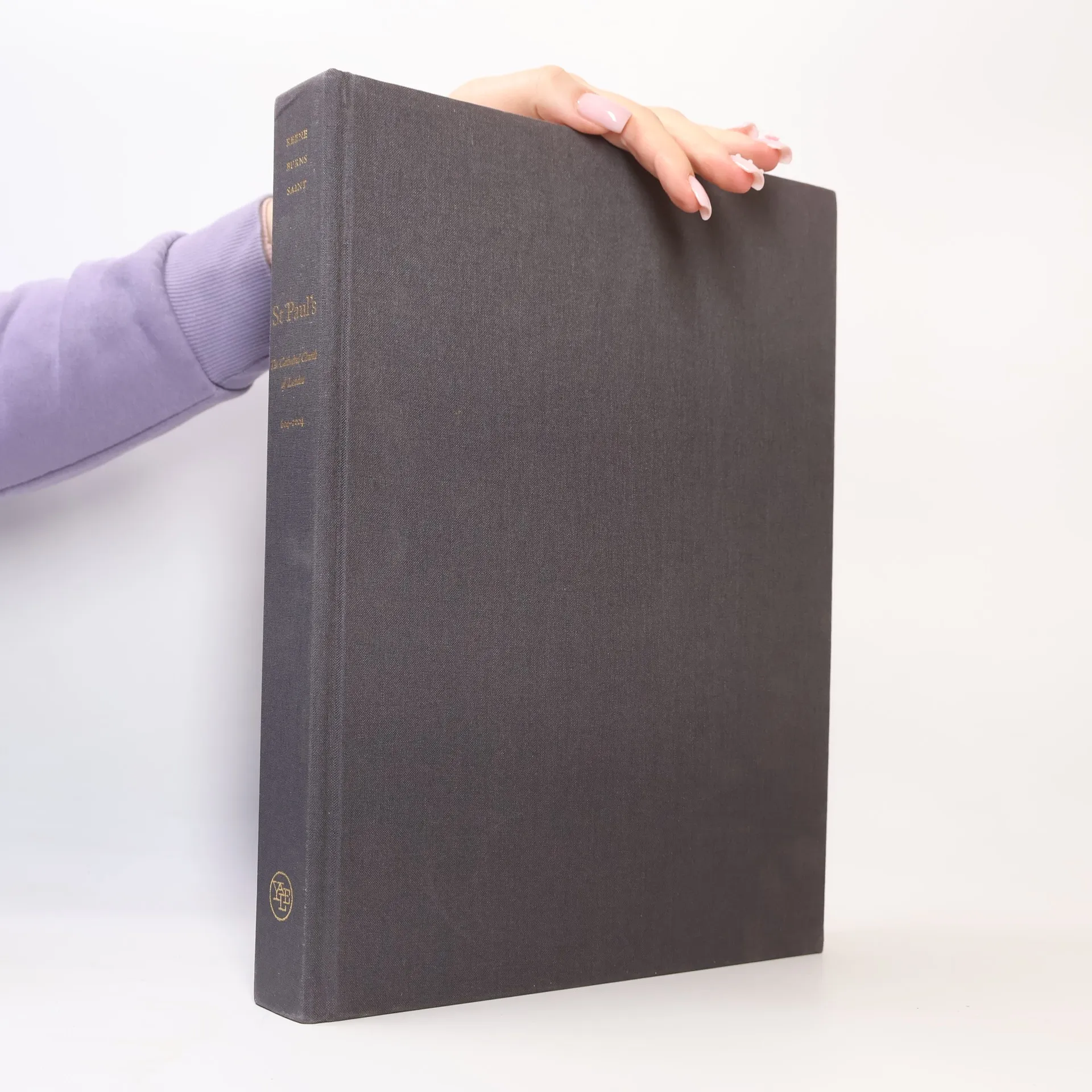
The present St Paul's Cathedral, Christopher Wren's masterpiece, is the fourth religious building to occupy the site. Its location in the heart of the capital reflects its importance in the English church while the photographs of it burning during the Blitz forms one of the most powerful and familiar images of London during recent times. This substantial and richly illustrated study, published to mark the 1,400th anniversary of St Paul's, presents 42 scholarly contributions which approach the cathedral from a range of perspectives. All are supported by photographs, illustrations and plans of the exterior and interior of St Paul's, both past and present. Eight essays discuss the history of St Paul's, demonstrating the role of the cathedral in the formation of England's church and state from the 7th century onwards; nine essays examine the organisation and function of the cathedral during the Middle Ages, looking at, for example, the arrangement of the precinct, the tombs, the Dean's household during the 15th century, the liturgy and the archaeology. The remaining papers examine many aspects of Wren's cathedral, including its construction, fittings and embellishments, its estates and income, music and rituals, its place in London, its library, its role in the book trade and its reputation.
Andrew Saint Reihenfolge der Bücher (Chronologisch)
Andrew John Saint ist ein englischer Architekturhistoriker, dessen Werk sich auf die kritische Bewertung von Architekturstilen und deren historischen Kontext konzentriert. Durch seine wissenschaftlichen Publikationen bietet er tiefe Einblicke in die Entwicklung des architektonischen Denkens. Seine Analysen beleuchten oft die gesellschaftlichen und kulturellen Kräfte, die die gebaute Umwelt prägen. Er gibt sein Wissen als Professor an der Bartlett School of Architecture an Studenten und die Öffentlichkeit weiter.
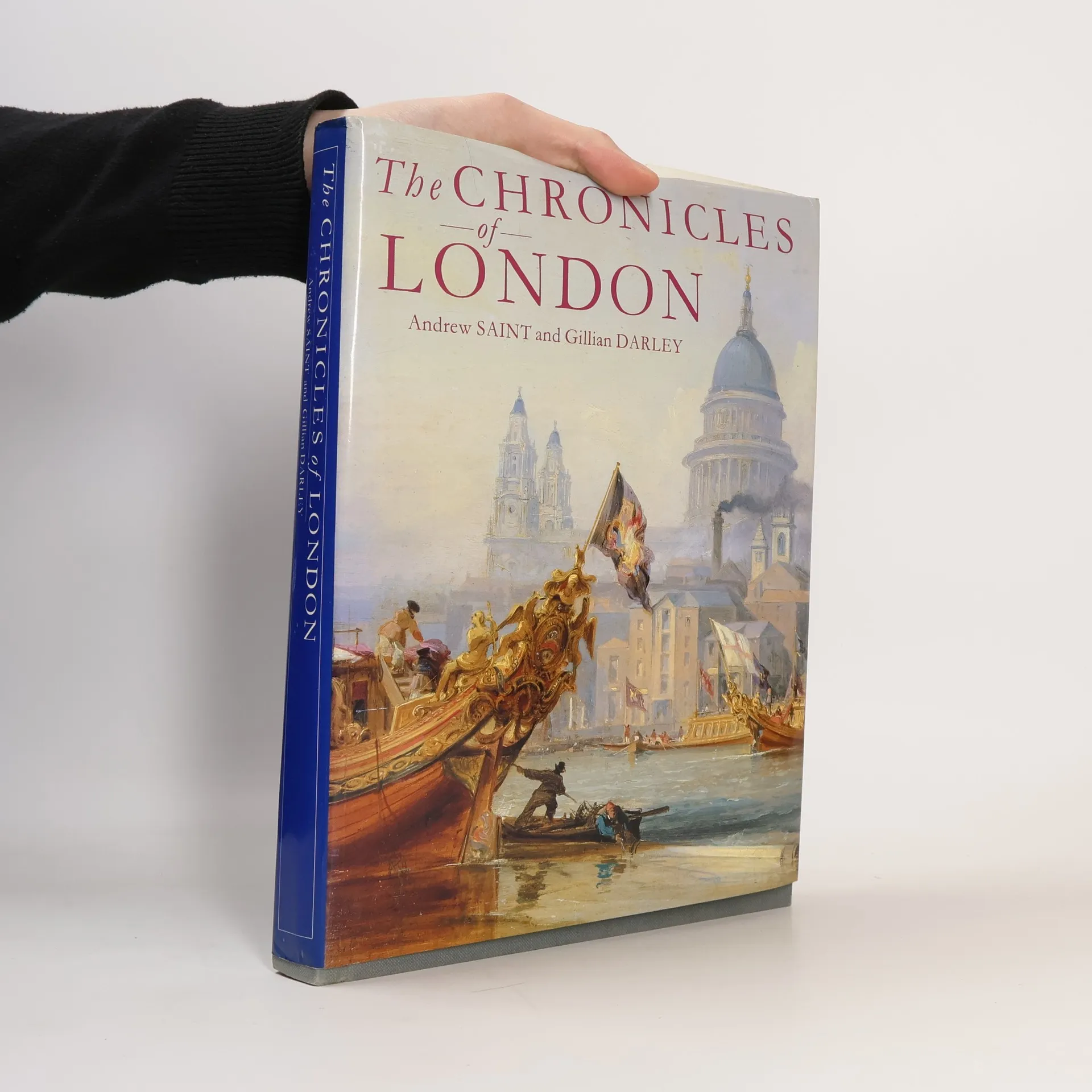
The Chronicles of London
- 320 Seiten
- 12 Lesestunden
This unique and beautifully illustrated anthology tells the history of London in the words of those that experienced and lived through it. Kings, merchants, ministers, citizens, foreign visitors, poets, journalists and schoolboys remember the events--some momentous, some everyday--that have shaped the London we know today, from Boudicca's rebellion against the Roman invaders down to the funeral of Winston Churchill. By tapping a wide range of fascinating written sources, familiar and forgotten, The Chronicles of London brings the city and its people vividly to life.
Towards a Social Architecture
The Role of School-building in Post-war England
The Image of the Architect
- 180 Seiten
- 7 Lesestunden
Richard Norman Shaw (1831–1912) was the most fertile, representative, and influential British domestic architect of his time. Andrew Saint’s book on Shaw and his work is regarded as a masterpiece among architectural biographies. It provides a readable biography as well as a scholarly assessment of Shaw’s work.
Hard to find.