

Gratis Versand ab € 14,99. Mehr Infos.
Bookbot

Kenneth Pomeranz

    4. November 1958

    Kenneth Pomeranz ist ein herausragender Historiker, der sich auf die vergleichende Geschichte Asiens und Europas spezialisiert hat. Seine Arbeit befasst sich mit langfristigen wirtschaftlichen und sozialen Trends und analysiert, warum sich bestimmte Regionen der Welt im Laufe der Zeit unterschiedlich entwickelten. Pomeranz ist bekannt für seine gründliche Forschung und aufschlussreiche Gelehrsamkeit, die neue Perspektiven auf die Weltgeschichte eröffnet. Seine Analysen bieten den Lesern ein tieferes Verständnis dafür, wie die Welt geworden ist, wie sie ist.

    Great Divergence
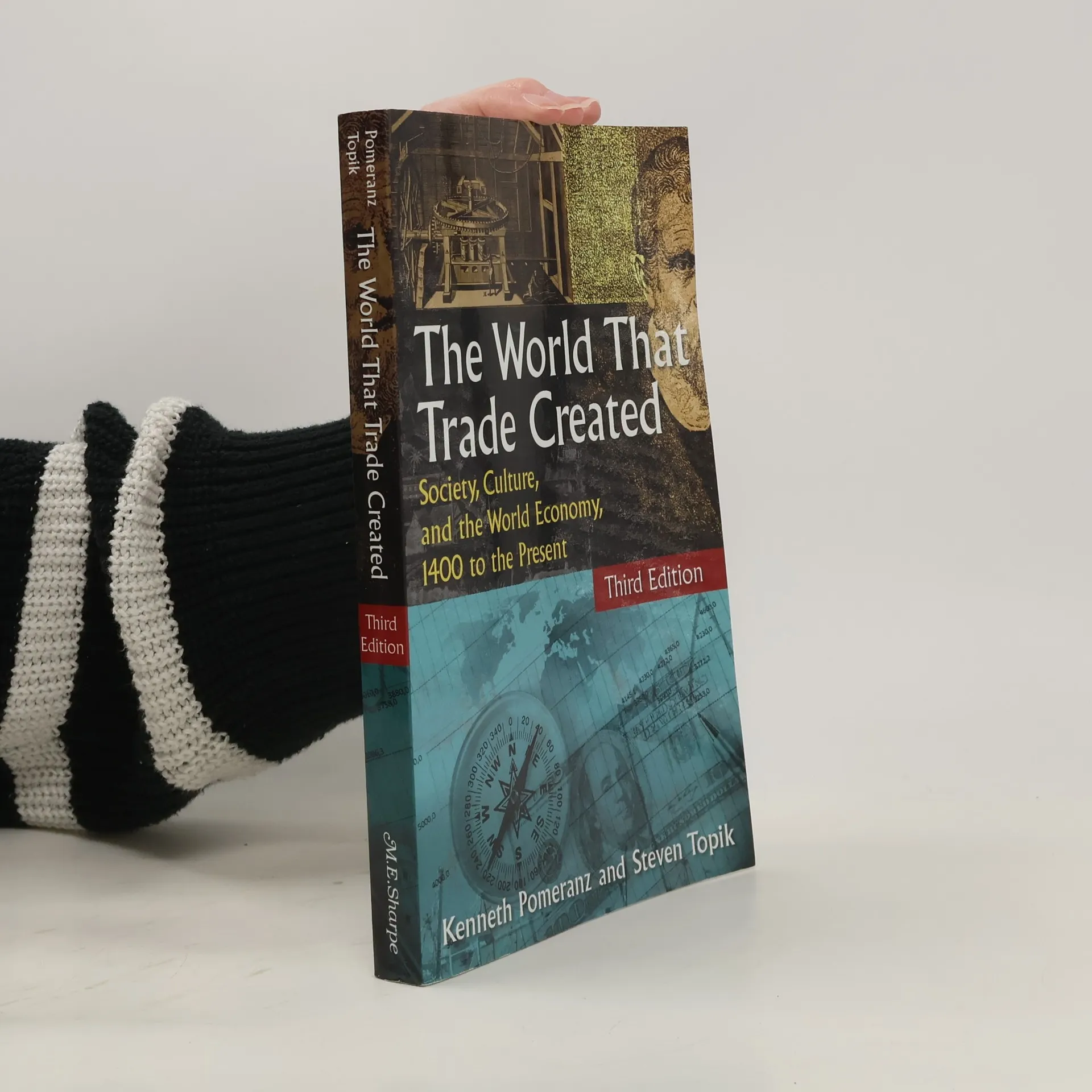
    The World that Trade Created
    The Cambridge World History
    The Cambridge World History
    • Great Divergence

      • 404 Seiten
      • 15 Lesestunden

      A landmark comparative history of Europe and China that examines why the Industrial Revolution emerged in the West The Great Divergence sheds light on one of the great questions of history: Why did sustained industrial growth begin in Northwest Europe? Historian Kenneth Pomeranz shows that as recently as 1750, life expectancy, consumption, and product and factor markets were comparable in Europe and East Asia. Moreover, key regions in China and Japan were no worse off ecologically than those in Western Europe, with each region facing corresponding shortages of land-intensive products. Pomeranz’s comparative lens reveals the two critical factors resulting in Europe's nineteenth-century divergence—the fortunate location of coal and access to trade with the New World. As East Asia’s economy stagnated, Europe narrowly escaped the same fate largely due to favorable resource stocks from underground and overseas. This Princeton Classics edition includes a preface from the author and makes a powerful historical work available to new readers.

      Great Divergence2021
      3,6
    • The Cambridge World History

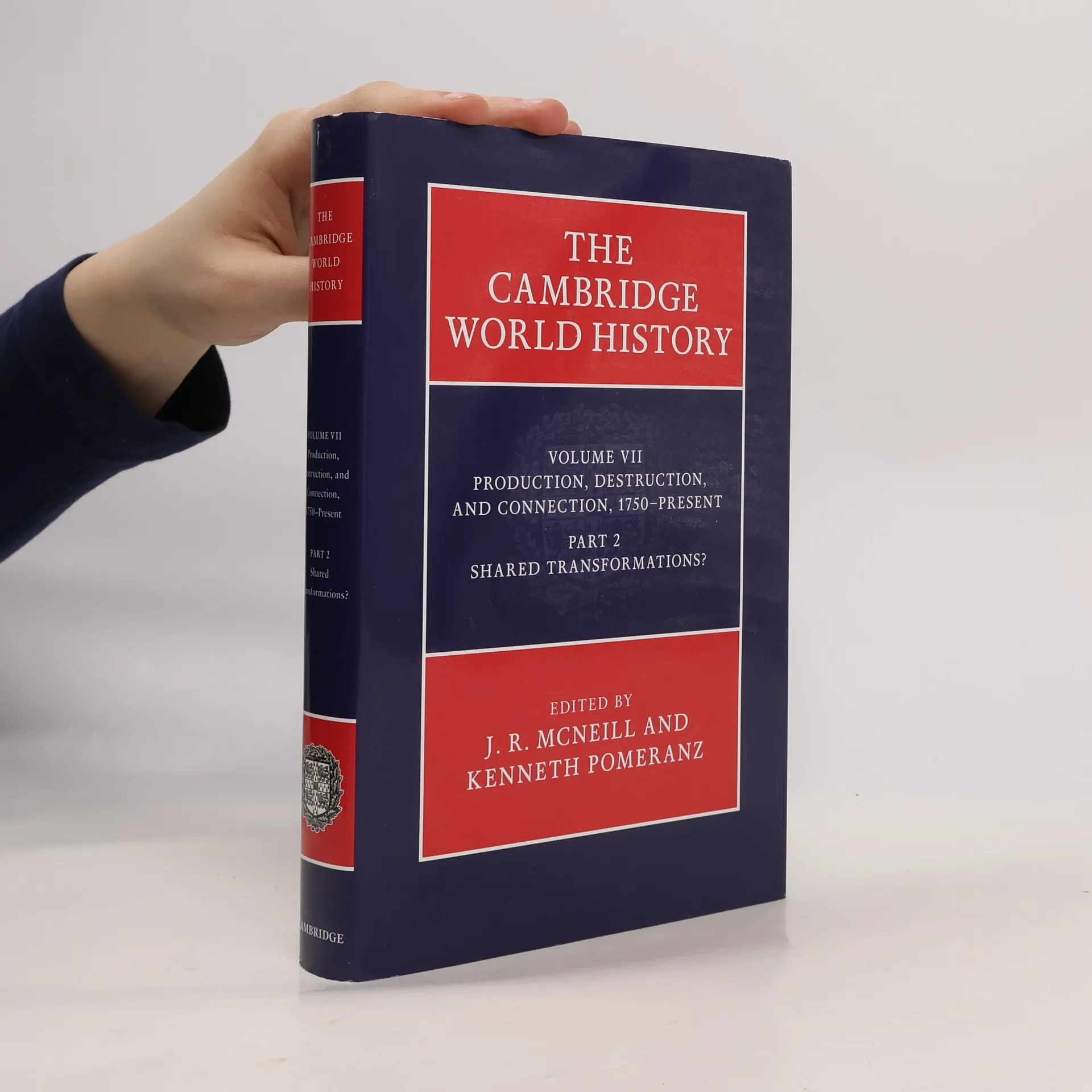
      Production, Destruction, and Connection, 1750-Present, Part 2, Shared Transformations

      • 570 Seiten
      • 20 Lesestunden

      Since 1750, the world has become ever more connected, with processes of production and destruction no longer limited by land- or water-based modes of transport and communication. Volume 7 of the Cambridge World History series, divided into two books, offers a variety of angles of vision on the increasingly interconnected history of humankind. The second book questions the extent to which the transformations of the modern world have been shared, focusing on social developments such as urbanization, migration, and changes in family and sexuality; cultural connections through religion, science, music, and sport; ligaments of globalization including rubber, drugs, and the automobile; and moments of particular importance from the Atlantic Revolutions to 1989.

      The Cambridge World History2015
      5,0
    • The Cambridge World History

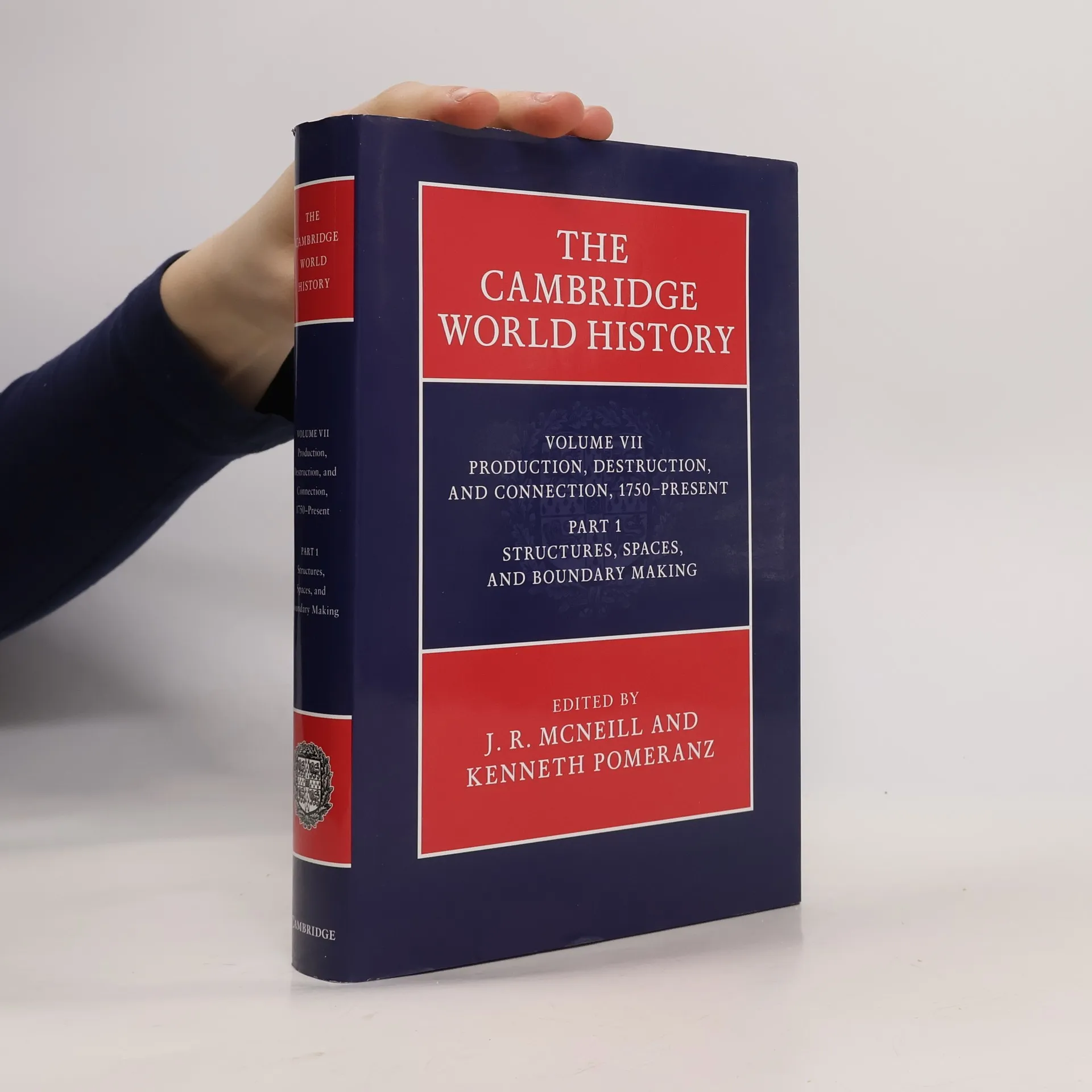
      Production, Destruction, and Connection, 1750–Present, Part 1, Structures, Spaces, and Boundary Making

      • 674 Seiten
      • 24 Lesestunden

      Since 1750, the world has become ever more connected, with processes of production and destruction no longer limited by land- or water-based modes of transport and communication. Volume 7 of the Cambridge World History series, divided into two books, offers a variety of angles of vision on the increasingly interconnected history of humankind. The first book examines structures, spaces, and processes within which and through which the modern world was created, including the environment, energy, technology, population, disease, law, industrialization, imperialism, decolonization, nationalism, and socialism, along with key world regions.

      The Cambridge World History2015
      5,0
    • The World that Trade Created

      Society, Culture, and the World Economy, 1400 to the Present

      • 344 Seiten
      • 13 Lesestunden

      In a series of brief, highly readable vignettes, the authors bring to life international trade and its actorsmerchants and bankers, pirates and privateers, sailors and slaves, traders and tree tappers. In the process they make clear that the seemingly modern concept of economic globalization has deep historical roots. The third edition provides expanded coverage of the twentieth century, new selections on silver and gold in Brazil and Mexico, the rise of Panama as a financial center, the transition from coal to oil, fair trade laws, and the expansion of offshore manufacturing since World War II. A new illustration program has been added that offers a more visual appeal to the text.

      The World that Trade Created2005
      3,9