Michael D. O’Brien ist ein Autor, Künstler und häufiger Essayist und Dozent zu Glauben und Kultur. Seine Werke sind von einer tiefen katholischen Weltanschauung durchdrungen und untersuchen die komplexe Beziehung zwischen spirituellem Leben und der heutigen Gesellschaft. O’Brien verbindet meisterhaft künstlerische Schönheit mit philosophischer Tiefe und bietet den Lesern eine einzigartige Perspektive auf die Suche nach Sinn in der modernen Welt.
Der karmelitische Mönch Pater Elijah, Überlebender des Warschauer Ghettos, wird vom Papst mit einer geheimen Mission beauftragt: Er soll den „Präsidenten“, der im Begriff ist, zum Weltherrscher aufzusteigen an seine Seele erinnern … ein abenteuerliches Unterfangen, das dem Leser ebenso Einblick gibt in die Kämpfe hinter den Mauern des Vatikans wie in die Kämpfe in der menschlichen Seele. Gefesselt von der Spannung der Handlung, bemerkt der Leser am Ende staunend, dass seine innere Welt heller geworden ist und er Antworten auf große Fragen unserer Zeit bekommen hat.
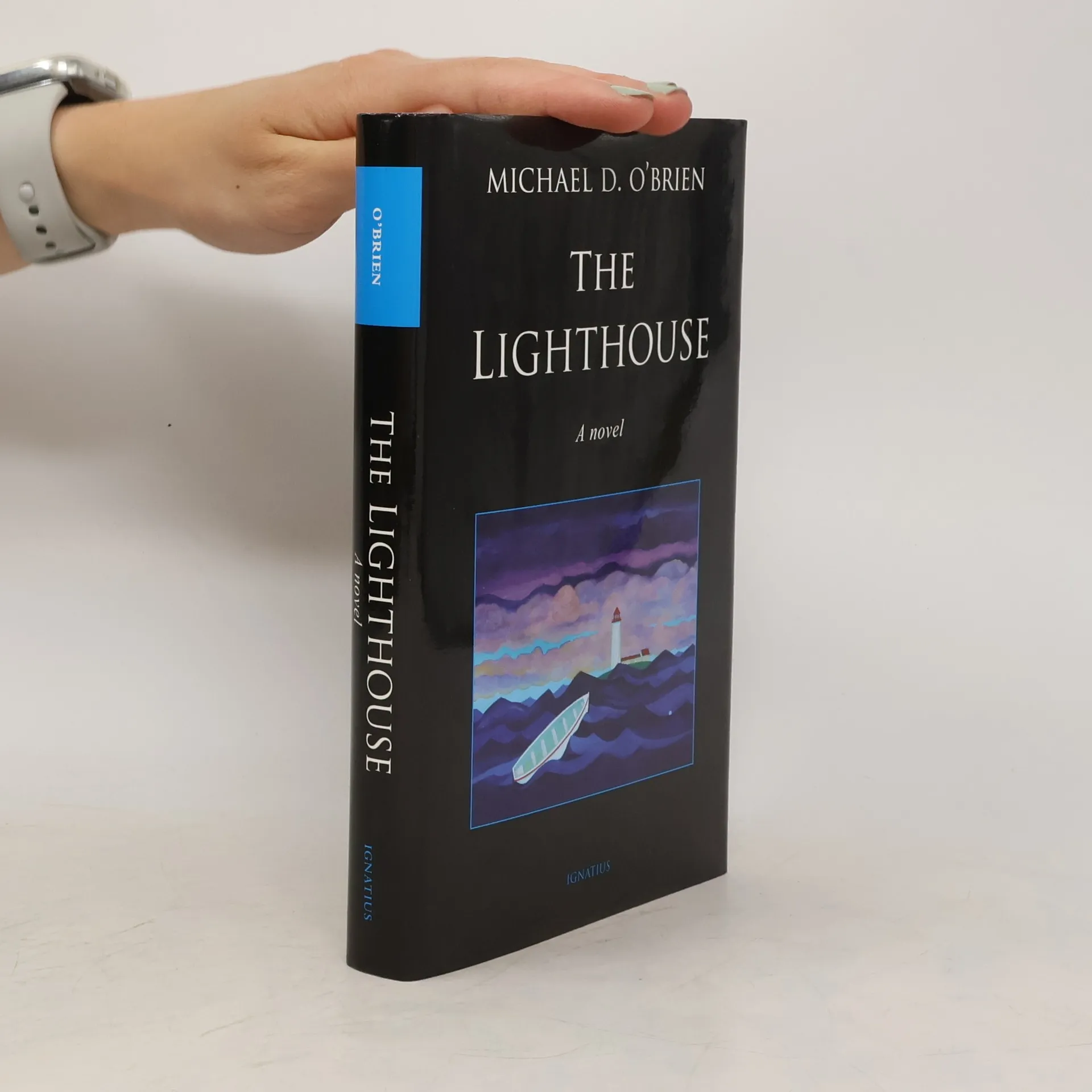
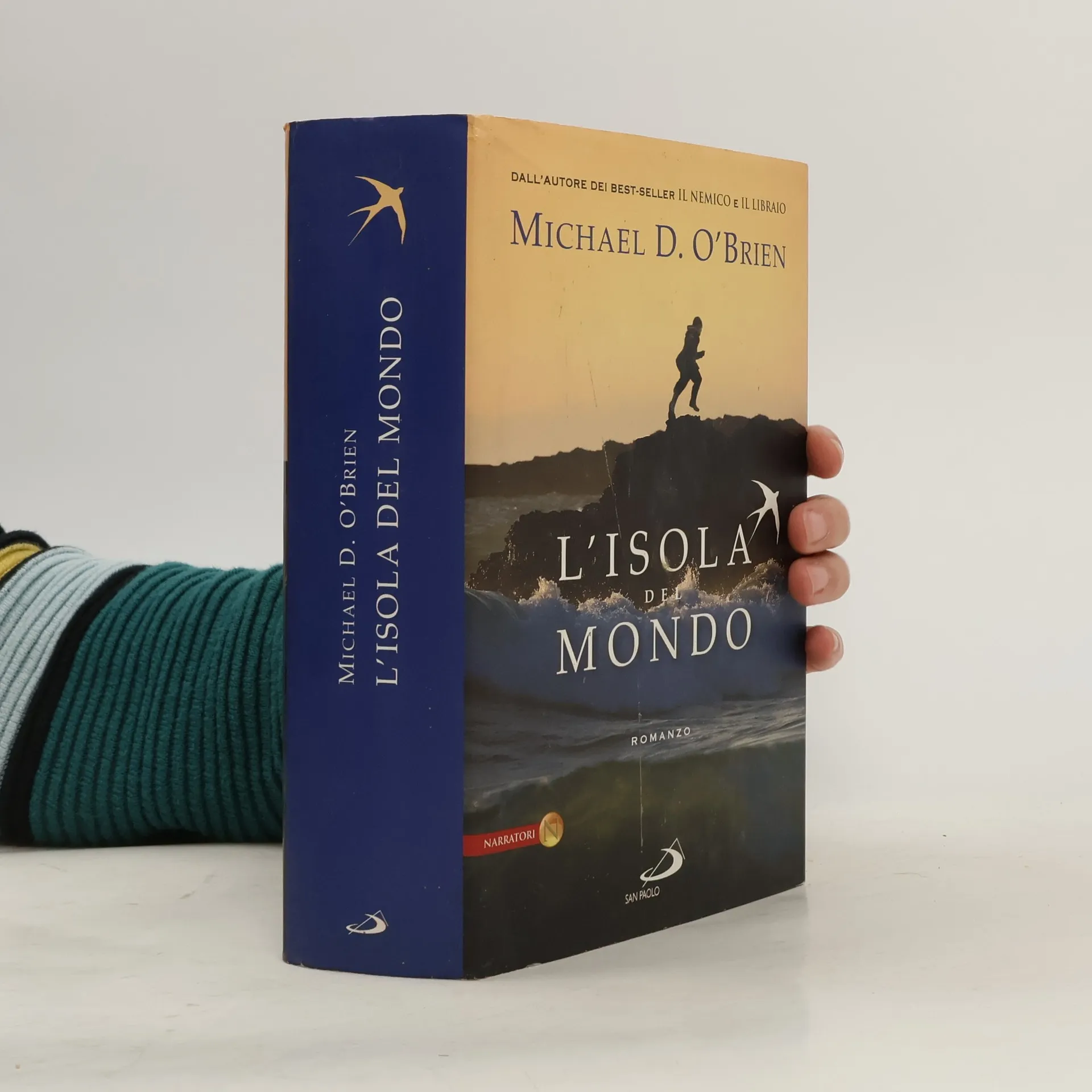
Ethan McQuarry serves as a dedicated lighthouse keeper on a remote island off Cape Breton, embodying solitude and commitment. With no family ties, he embraces his role with courage and a strong sense of duty, ensuring the safety of those at sea. The story explores themes of isolation, responsibility, and the quiet strength of a man devoted to his work in the face of nature's challenges.
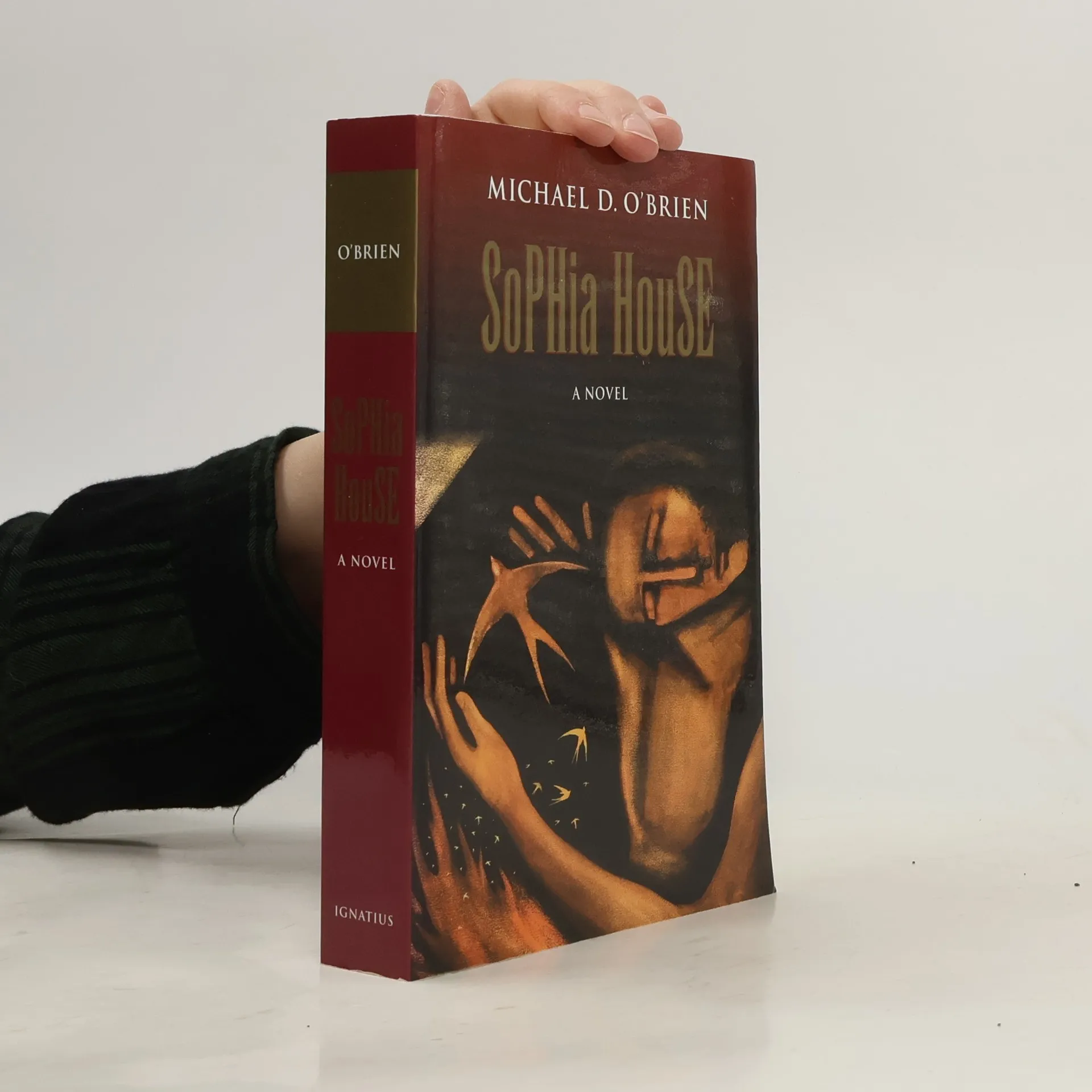
Sophia House is set in Warsaw during the Nazi occupation. Pawel Tarnowski, a bookseller, gives refuge to David Schäfer, a Jewish youth who has escaped from the ghetto, and hides him in the attic of the book shop. Throughout the winter of 1942-43, haunted by the looming threat of discovery, they discuss good and evil, sin and redemption, literature and philosophy, and their respective religious views of reality. Decades later, David becomes a convert to Catholicism, and is the Carmelite priest Fr. Elijah Schäfer called by the Pope to confront the Anti-Christ in Michael O'Brien's best-selling novel, Father Elijah: an Apocalypse. In this "prequel", the author explores the meaning of love, religious identity, and sacrifice viewed from two distinct perspectives. The cast of characters also includes the notorious Count Smokrev, a literate Nazi Major, a French novelist, a terrifying Polish bear, the Russian icon painter Andrei Rublev, and Pawel's beloved Kahlia, the elusive figure who moves through the story as an unseen presence. As the story unfolds, the loss of spiritual fatherhood in late Western society is revealed as a problem of language in the heart and soul, and as one of the gravest crises of our times. The story points the way to rediscovery of our Father in heaven, and also shows us the path to renewal of human fatherhood. This is a novel about small choices that shift the balance of the world.
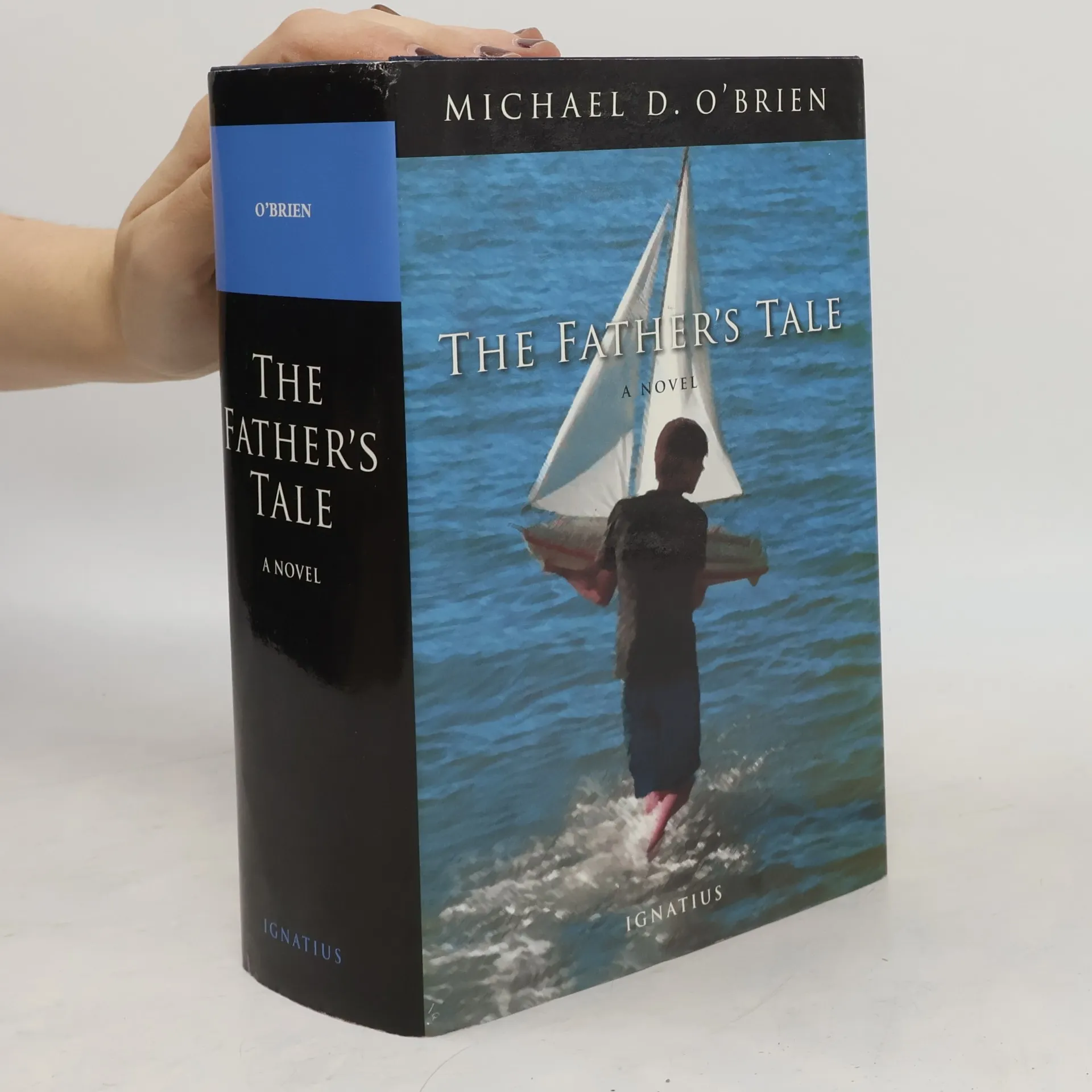
Canadian bookseller Alex Graham is a middle-age widower whose quiet life is turned upside down when his college-age son disappears from school in England. Leaving his safe and orderly world for the first time in his life, Graham travels to Oxford, Russia and beyond in search of his lost son who might have become involved with a high-brow, New Age group. The father's odyssey leads him to fascinating and sometimes frightening people, places and perils - including imprisonment and torture for being mistaken as a spy.Through the uncertainty and the anguish, the loss and the longing, Graham considers his past - youth, marriage, and fatherhood. Apart from childhood illness and the loss of his beloved wife, the bookseller's life had gone rather smoothly within the confines of his small hometown, or so he had once believed.Pulled ever deeper into conflicts between nations, as well as the eternal conflict between good and evil, Graham is stretched nearly to the breaking point by the inexplicable suffering he witnesses and experiences. Struggling to overcome fear and discouragement, he discovers unexpected sources of strength as he presses onward in the hope of recovering his son--and himself.
Theophilos, a Greek agnostic, is worried about his son Loukas, a follower of Christ, and determined to bring him home, he embarks on a long journey. A physician deeply committed to reason as the guiding principle of his life, Theophilos leaves Crete, where he lives, to verify for himself what is said about Christ, his theories, and what is happening. Despite his investigations, he finds nothing conclusive: convinced that Loukas has been ensnared by a new religion, he returns to Crete only to realize that he himself is the one imprisoned, imprisoned by "reason." Through conflicts between nations, myth and truth, good and evil, Theophilos undergoes an inner journey into a spiritual dimension he never imagined he possessed. The reader, propelled into ancient civilizations—Roman, Jewish, and Greek—encounters, along with the protagonist, the first Christians, men who believed from the beginning that Christ was the Messiah. Although Theophilos is a man of his time, it is not difficult to empathize with him in this story that speaks of the mysterious relationship between faith and reason and the power of love over death.
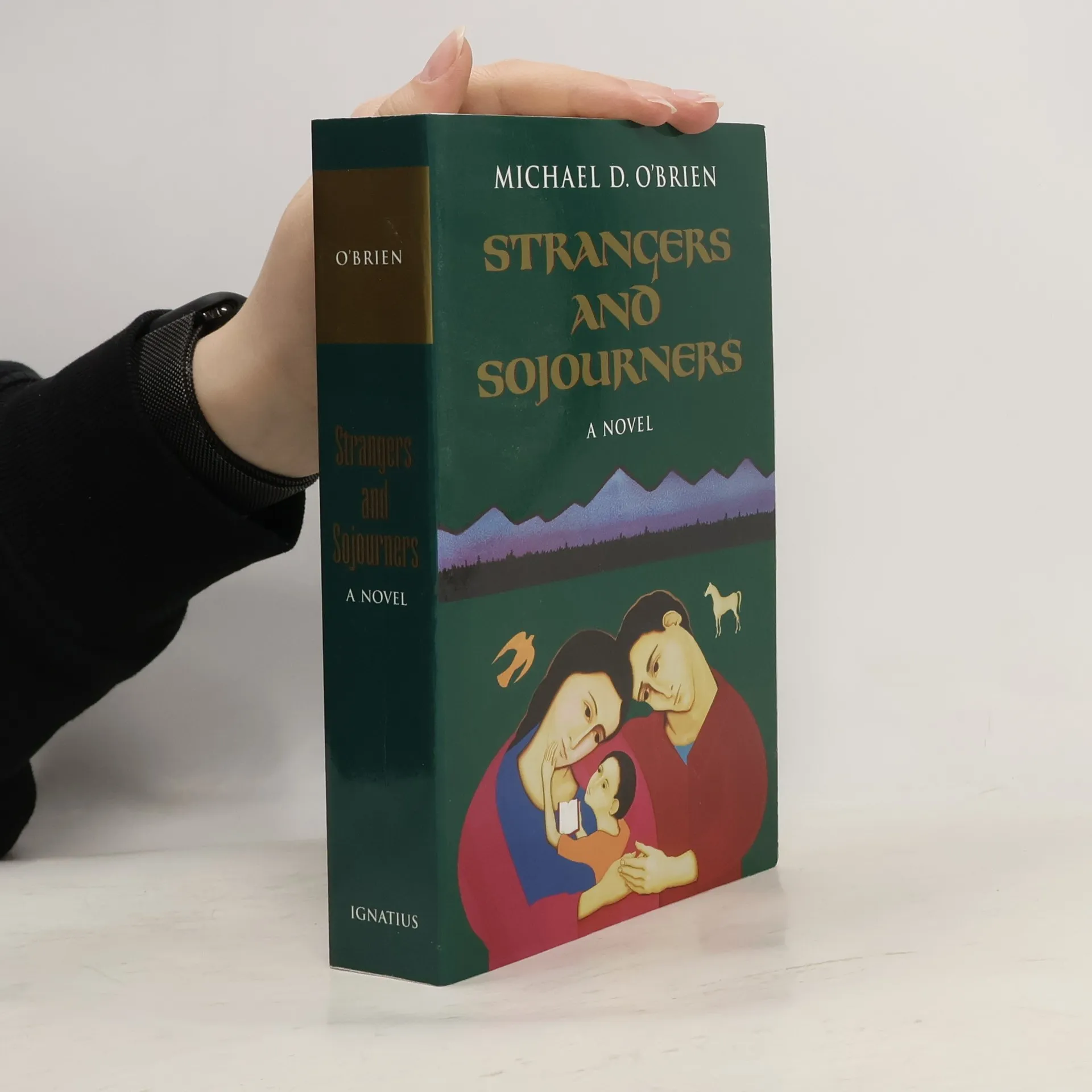
An epic novel set in the rugged interior of British Columbia, the first volume of a trilogy which traces the lives of four generations of a family of exiles. Beginning in 1900, and concluding with the climactic events leading up to the Millennium, the series follows Anne and Stephen Delaney and their descendants as they live through the tumultuous events of this century. Anne is a highly educated Englishwoman who arrives in British Columbia at the end of the First World War. Raised in a family of spiritualists and Fabian socialists, she has fled civilization in search of adventure. She meets and eventually marries a trapper-homesteader, an Irish immigrant who is fleeing the "troubles" in his own violent past. This is a story about the gradual movement of souls from despair and unbelief to faith, hope, and love, about the psychology of perception, and about the ultimate questions of life, death and the mystery of being. Interwoven with scenes from Ireland, England, Poland, Russia, and Belgium during the War, Strangers and Sojourners is a tale of the extraordinary hidden within the ordinary. It is about courage and fear, and the triumph of the human spirit.
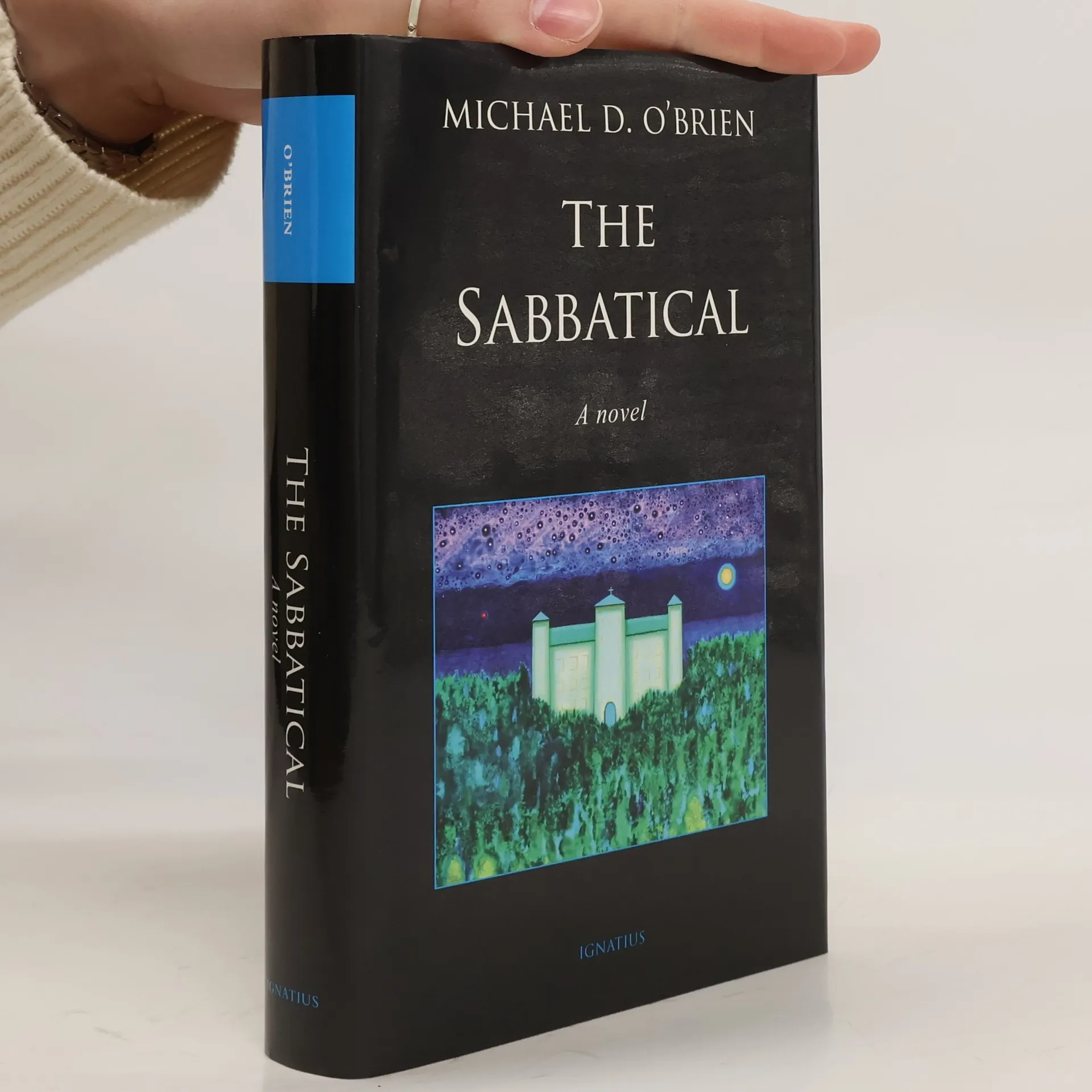
Set against the backdrop of a sabbatical year, an elderly Oxford history professor finds his peaceful plans disrupted by a web of coincidences that lead him into a dangerous situation involving a family targeted by assassins. As he travels to Romania, the narrative explores profound themes of fatalism versus providence, highlighting the courage and love needed to decipher the chaos around him. The story ultimately champions the victory of faith and reason over destructive forces, intertwining personal and historical struggles in a gripping journey.
Eschatology is often neglected and met with suspicion among believers today. Many writings on the topic come from fundamentalist fear-mongers, their critics who preach false peace, or scholars who miss the bigger picture. This book serves as a wake-up call, relevant to our times, presenting a multitude of perspectives that resonate with the teachings of Christ, scripture, the Church Fathers, and modern thinkers like Lewis and Chesterton. It warns that we are on the edge of an abyss, blissfully unaware, akin to passengers on the Titanic. When Catholics embrace this message, they will rekindle the fervor of their ancestors, who recognized both light and darkness in the future.
As the comfort zone of Christians in once-Christian societies vanishes, a new totalitarianism is emerging, heralding the Antichrist. Michael O’Brien acts as a whistleblower, urging Christians to heed the severe warnings of Jesus. His work is a powerful call to prepare for the grace that is being offered during these tumultuous times. The current crisis in the Church and society is unprecedented, and O’Brien's prophetic voice is essential for those willing to listen.
Michael O’Brien, born in Ottawa in 1948, is a prolific author and artist, known for his novel Father Elijah and various essays on faith and culture. He has dedicated his life to religious imagery and has exhibited widely across North America, living near Combermere, Ontario, with his wife a
As a result of the degradation of traditional values, a totalitarian regime is established in North America. A newspaper editor in British Columbia is arrested and his family flees.
"Elijah in Jerusalem, the long-awaited sequel to the acclaimed, best-selling novel Father Elijah: An Apocalypse, is the continuing story of the Catholic priest called to confront a powerful politician who could be the Antichrist foretold in the Bible. Now-Bishop Elijah, wanted for a murder he did not commit, tries again to meet the President. Accompanied by his fellow monk Brother Enoch, he enters Jerusalem just as the President arrives in the holy city to inaugurate a new stage of his rise to world power. This time Elijah hopes to unmask him as a spiritual danger to mankind. As the story unfolds, people of various backgrounds meet the fugitive priest, and in the encounter their souls are revealed and tested. Elijah perseveres in his mission even when all seems lost. The dramatic climax is surprising, yet it underlines that God works all things to the good for those who love him."-- Amazon.com
Nathaniel Delaney takes over the journal The Echo founded by his grandmother Anne. As major events shake Northern America, Delaney witnesses his country silently slipping from democracy into totalitarianism. He is one of the last voices in the media attempting to tell the whole truth about what is happening. In seeking to protect his children and save what remains of his life, he makes a choice that will transform the future of each member of his family and many others. Throughout the story, he keeps a journal of observation, reporting the escalation of events and analyzing the motives of his political opponents with chilling transparency. As his world collapses, he is forced to deeply examine the meaning of his own positions and compromises, his successes and failures. The plague journal chronicles the struggle of a deeply modern man tested in his last spiritual and psychological resources, a man who, in losing himself, finds himself.
Michael D. O’Brien, poznati suvremeni katolički pisac, u ovom bestseleru daje biblijski utemeljenu viziju apokalipse i opisuje stanje svijeta i Katoličke crkve na kraju vremena. Kroz tajnu misiju na koju Vatikan šalje središnji lik, oca Iliju Schäfera, karmelićanskog svećenika, on se upliće u niz kriza i smicalica koje utječu na krajnju sudbinu Crkve. Otac Ilija je obraćenik s judaizma, preživjeli svjedok holokausta, nekoć moćna osoba u Izraelu. Dvadeset godina bio je povučeni redovnik, a sada mu Papa povjerava zadatak najveće osjetljivosti: približiti se čovjeku za kojega se vjeruje da bi mogao biti Antikrist. To rađa bogatom i napetom pričom u kojoj otac Ilija prelazi Europu i srednji Istok, kreće se u javnim i tajnim krugovima svjetske moći, susreće se sa svecima i grješnicima, predsjednicima, sucima, misticima, borbenim katoličkim novinarima, vjernim svećenicima i izdajničkom urotom unutar same Crkve. Ovaj veliki književni hit, koji su do sada u tvrdom uvezu pročitale tisuće hrvatskih čitatelja, sada biva dostupan i unutar popularne Verbumove biblioteke Uskličnik. "Pročitao sam tisuće knjiga, i ovo je jedna od onih velikih. Nadam se da će je desetine tisuća pročitati i da će biti potreseni kao što sam bio i ja."
Godina je 2097. Svjetska nadvlada kontrolira planet, a ljudska prava su gušena pod prividom demokracije. Mjere depopulacije su posvuda, a religije su ukinute. Čovječanstvo je izgradilo svemirski brod Kosmos, sposoban putovati polovicom brzine svjetlosti, kako bi istražili novo područje u svemiru. Putovanje do planeta Alpha Centauri A-7 trajat će devet godina, a na tom putu znanstvenici će se suočiti s raznim poteškoćama. Glavni junak, fizičar nobelovac Neil Ruiz de Hoyos, sudjeluje u misiji kako bi pobjegao od totalitarne vlasti koja kontrolira svaki aspekt života na Zemlji. On je cinični skeptik s mekim srcem, nosi sjećanja na prošle tragedije, ljubavi i mržnje. Na putu ga čekaju iznenađenja koja će srušiti njegove pretpostavke i usmjeriti ga prema novim horizontima. U svom desetom romanu, autor nas vodi na svemirsku odiseju prožetu izazovima i istraživanjem ljudske prirode i smisla života. Što čovjek traži u beskonačnom svemiru? Je li to samo veće znanje, ili postoji nešto dublje?
Josip Lasta è un bambino capace di intuire il mistero del mondo - contemplando l'azzurro del mar Adriatico - e di parlare il linguaggio del cuore, silenzioso e profondo. Nato in un piccolo villaggio sui monti della Croazia ove regnano l'armonia, la solidarietà e il gusto delle cose semplici, Josip viene educato alla fede e alla vita da un padre amorevole e una mamma generosa. Nel caos politico precedente l'affermazione al potere di Tito, la violenza sconvolge la vita del piccolo paese, da cui Josip fugge - unico superstite del massacro. Inizia così il pellegrinaggio di una vita intera,misurata sulle numerose perdite di affetti e sicurezza, sugli attacchi incessanti del Male e sull'esperienza del dolore - ma anche sulla poesia, l'amore fedele, l'amicizia accogliente e la redenzione ad opera di un Cristo bambino, con le mani piagate.