La Celestina oder Tragikomödie von Calisto und Melibea
- 363 Seiten
- 13 Lesestunden


Fernando de Rojas ist eine Figur, die in Mysterien gehüllt ist und hauptsächlich für ein einziges, bahnbrechendes Werk bekannt ist. Dieser Autor wird dafür gefeiert, die literarische Renaissance Spaniens mit einer tragischen Liebesgeschichte eingeleitet zu haben, die die Leser fesselte. Obwohl ursprünglich anonym veröffentlicht, wurde die Identität des Autors später subtil enthüllt. Trotz der Bedeutung seines Beitrags werden ihm keine anderen Werke zugeschrieben, und er bleibt eine weitgehend rätselhafte Erscheinung in der Literaturgeschichte.


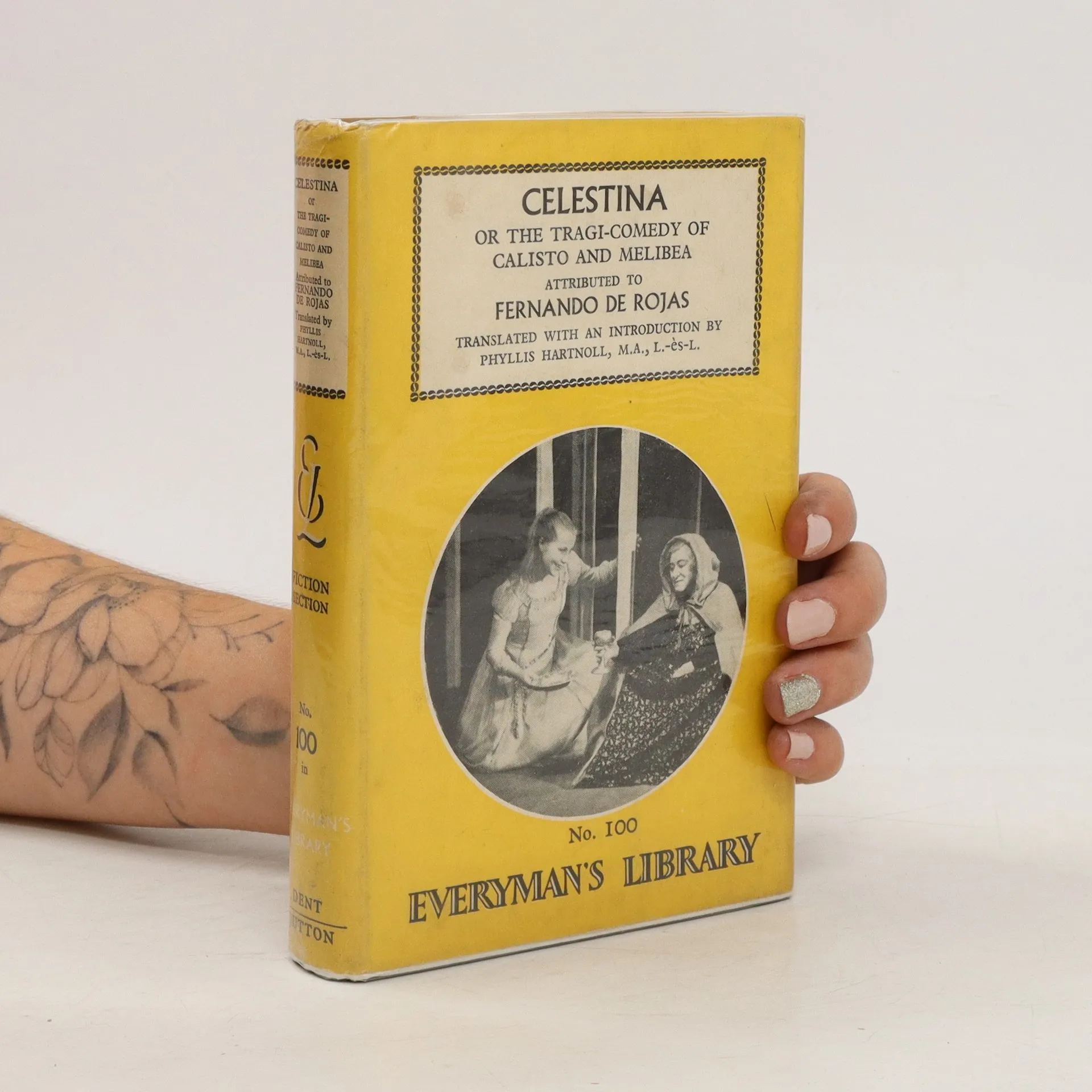
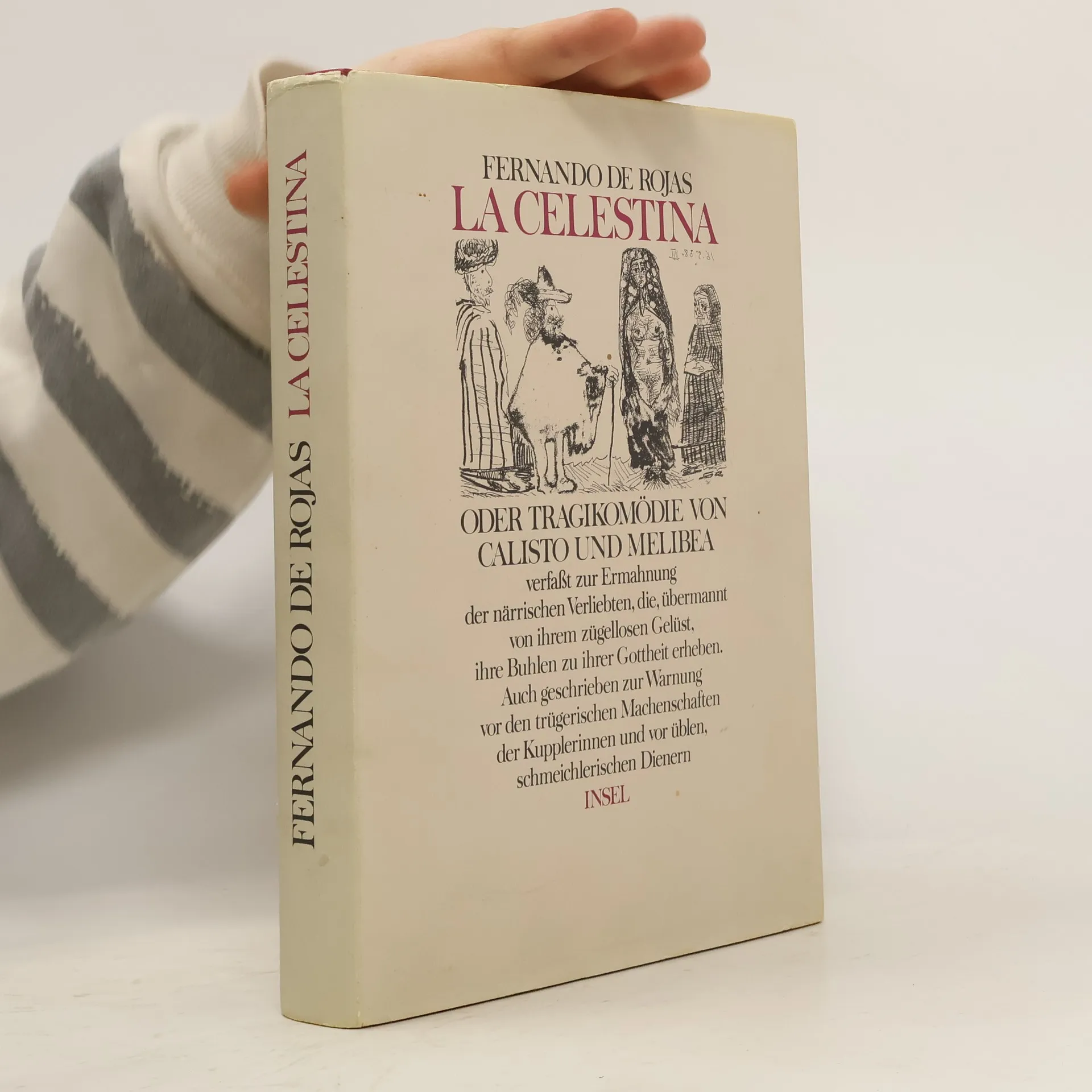
Celestina, or simply Celestina, is the title under which the Tragicomedy of Calisto and Melibea, attributed to Fernando de Rojas, has become popular. Its composition dates back to the late 15th century, during the reign of the Catholic Monarchs, although its extraordinary editorial success began in the 16th century and continued, with fluctuations, until its prohibition in 1792. Due to its romantic plot, didactic purpose, abundance of authoritative quotes, character choices, dialogic form, and probable connection to a university environment, Celestina is considered a unique example of humanistic comedy, though some prefer to view it as a hybrid between novel and drama. Its influence on both genres is significant, to the extent that one can speak of the subgenre of celestinesque, which includes works developed directly from its plot, characters, or themes, as well as celestinesque settings or characters in comedies and novels that, at first glance, have no connection to Celestina.