

Bookbot

Hans Abbing

    Een Nederlands wonder
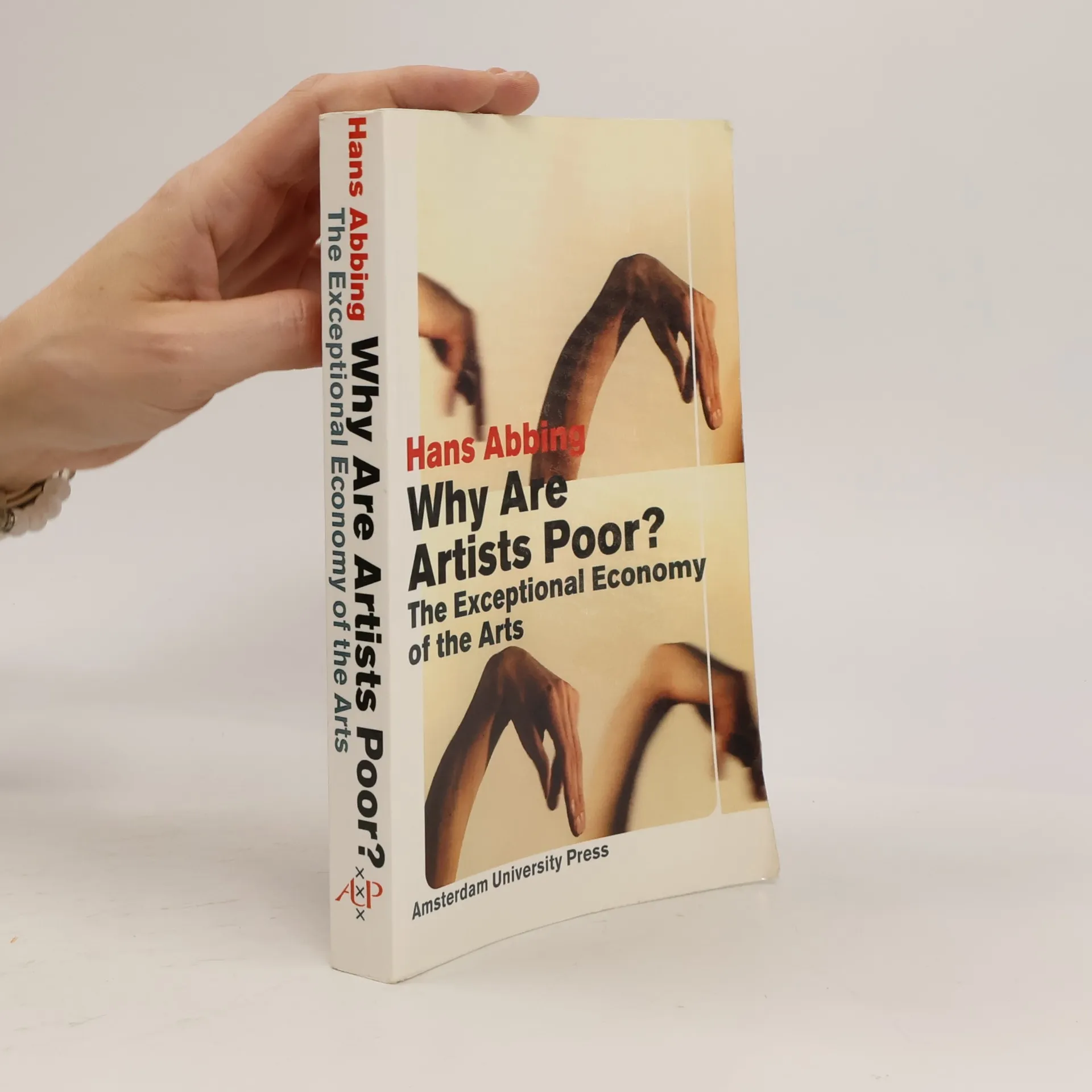
    Why Are Artists Poor?
    The Economies of Serious and Popular Art
    Die Ökonomien von ernsthafter und populärer Kunst
    • Die Ökonomien von ernsthafter und populärer Kunst

      Wie sie sich trennten und wieder vereinten

      • 396 Seiten
      • 14 Lesestunden

      Die Untersuchung der Trennung zwischen populärer und ernsthafter Kunst über fast zwei Jahrhunderte beleuchtet ökonomische, soziologische und historische Aspekte. Fragen zur Exklusivität und deren Auswirkungen auf Kunstpreise und Subventionen werden aufgeworfen, ebenso wie die Ausschlüsse benachteiligter Gruppen aus Kunstproduktion und -konsum. Zudem wird die Entwicklung der Kunst im 21. Jahrhundert betrachtet, insbesondere der Einfluss der Plattformökonomie und die Verbindung zwischen etablierten Künsten und der Unterhaltungsindustrie. Der Autor, sowohl Künstler als auch Sozialwissenschaftler, bietet wertvolle Einblicke für ein breites Publikum.

      Die Ökonomien von ernsthafter und populärer Kunst
    • The Economies of Serious and Popular Art

      How They Diverged and Reunited

      • 360 Seiten
      • 13 Lesestunden

      Exploring the historical divide between 'popular' and 'serious' art, this book delves into the implications of this separation over nearly two centuries. It raises critical questions about exclusivity in established arts, the financial dynamics involved, and the accessibility of art for underprivileged groups. The author also examines the rise of popular music in the late twentieth century and the allure of the art profession despite economic challenges. Additionally, the impact of the platform economy and diversity in contemporary art are discussed, making it relevant for cultural economists, academics, and artists alike.

      The Economies of Serious and Popular Art
    • Why Are Artists Poor?

      The Exceptional Economy of the Arts

      • 367 Seiten
      • 13 Lesestunden

      Most artists earn very little. Nevertheless, there is no shortage of aspiring young artists. Do they give to the arts willingly or unknowingly? Governments and other institutions also give to the arts, to raise the low incomes. But their support is subsidies only increase the artists’ poverty.The economy of the arts is exceptional. Although the arts operate successfully in the marketplace, their natural affinity is with gift-giving, rather than with commercial exchange. People believe that artists are selflessly dedicated to art, that price does not reflect quality, and that the arts are free. But is it true?This unconventional multidisciplinary analysis explains the exceptional economy of the arts. Insightful illustrations from the practice of a visual artist support the analysis.

      Why Are Artists Poor?