

"Dies soll keine politische Revolution sein. Ihr Ziel wird es sein, nicht Regierungen zu stürzen, sondern die wirtschaftliche und technologische Grundlage der gegenwärtigen Gesellschaft." - "Die Industriegesellschaft und ihre Zukunft", Abschnitt 4. Dieses Buch ist kein bloßer Appell zum Handeln, sondern ein Aufruf zur Revolution. Der technologische Fortschritt ist nicht reformfähig und wird unweigerlich zur Katastrophe führen. Nur der Zusammenbruch der modernen technologischen Zivilisation kann dies verhindern. Jeder einzelne technologische Fortschritt scheint für sich genommen vorteilhaft zu sein, aber alle zusammen schaffen eine Welt, in der die Menschen zu Sklaven degradiert und die wilde Natur zerstört wird. Kaczynski ruft zu einer Revolution gegen das industrielle System auf.
David F. Skrbina Bücher
Dieser Autor ist ein Pionier der Ökophilosophie und entwickelt eine ökologisch zentrierte Weltsicht, die Ethik, Metaphysik und Kosmologie umfasst. Seine Arbeit befasst sich mit tiefgreifenden ethischen und kosmologischen Fragen im Hinblick auf unseren Planeten. Sein Engagement für Umweltgedanken, Aktivismus und die philosophischen Grundlagen unserer Beziehung zur Natur definiert seinen einzigartigen literarischen Beitrag.

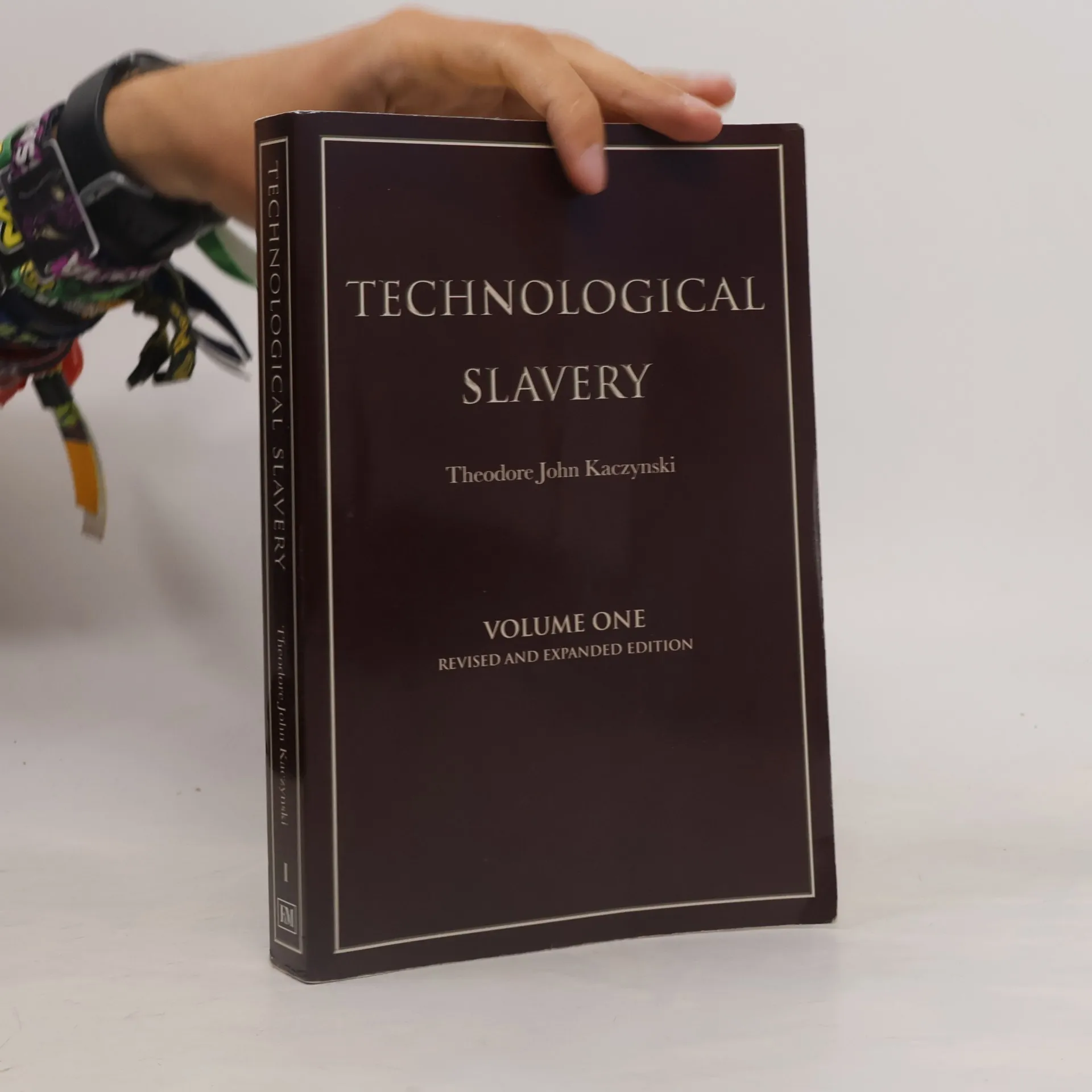
Logical, lucid, and direct, Technological Slavery radically reinvigorates and reforms the intellectual foundations of an age-old and resurgent world-view: "Progress" is a myth. Wild nature and humanity are fundamentally incompatible with technological growth. In Technological Slavery , Kaczynski argues that: (i) the unfolding human and environmental crises are the direct, inevitable result of technology itself; (ii) many of the stresses endured in contemporary life are not normal to the human condition, but unique to technological conditions; (iii) wilderness and human life close to nature are realistic and supreme ideals; and, (iv) a revolution to eliminate modern technology and attain these ideals is necessary and far more achievable than would first appear. Drawing on a broad range of disciplines, Kaczynski weaves together a set of visionary social theories to form a revolutionary perspective on the dynamics of history and the evolution of societies. The result is a comprehensive challenge to the fundamental values and assumptions of the modern technology-driven world, pinning the cause of the rapidly unfolding catastrophe on technology itself, while offering a realistic hope for ultimate recovery. Note: Theodore John Kaczynski does not receive any remuneration for this book.
"It is important not to confuse freedom with mere permissiveness." Theodore John Kaczynski (1942-) or also known as the Unabomber, is an Americandomestic terrorist and anarchist who moved to a remote cabin in 1971. The cabin lackedelectricity or running water, there he lived as a recluse while learning how to be self-sufficient. He began his bombing campaign in 1978 after witnessing the destruction ofthe wilderness surrounding his cabin.
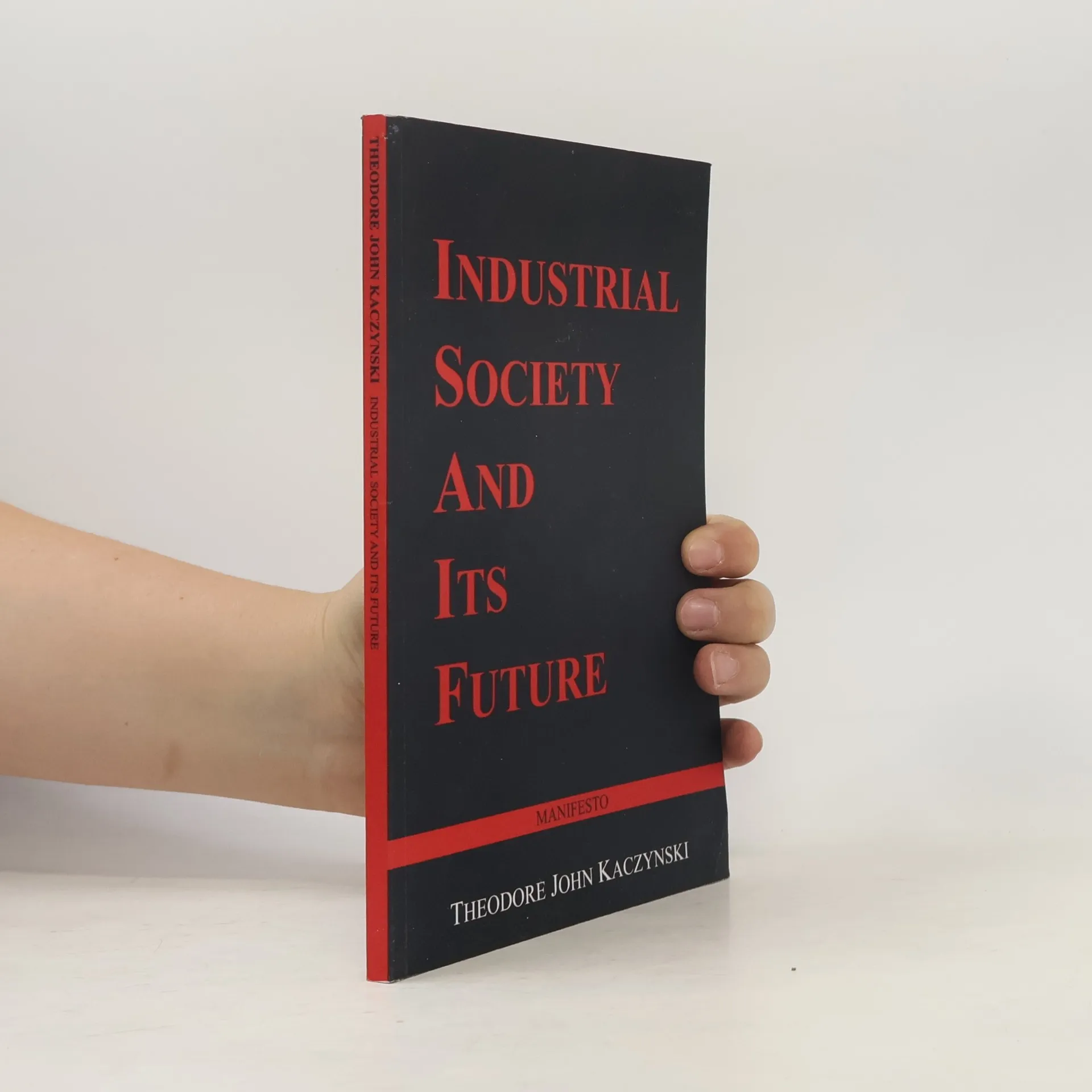
Theodore John Kaczynski: The Unabomber Manifesto - »Industrial Society and Its Future« | Unleashing chaos through a series of relentless bombing spree, the Unabomber sent shockwaves through society. In his notorious Manifesto, »Industrial Society and Its Future« he unveiled a chilling philosophy, vehemently decrying the dehumanizing grip of modern technology and industrialization. From 1978 to 1995, he targeted universities, airlines, and individuals involved in technology, mailing explosive devices to his victims. war against society. The 16 bomb attacks that have become known, claimed at least three lives and injured dozens more. The onslaught sparked widespread fear and panic across the United States. With every explosion, the Unabomber's ideology gained notoriety, sparking intense debates on the perilous intersection of progress and personal freedom.