
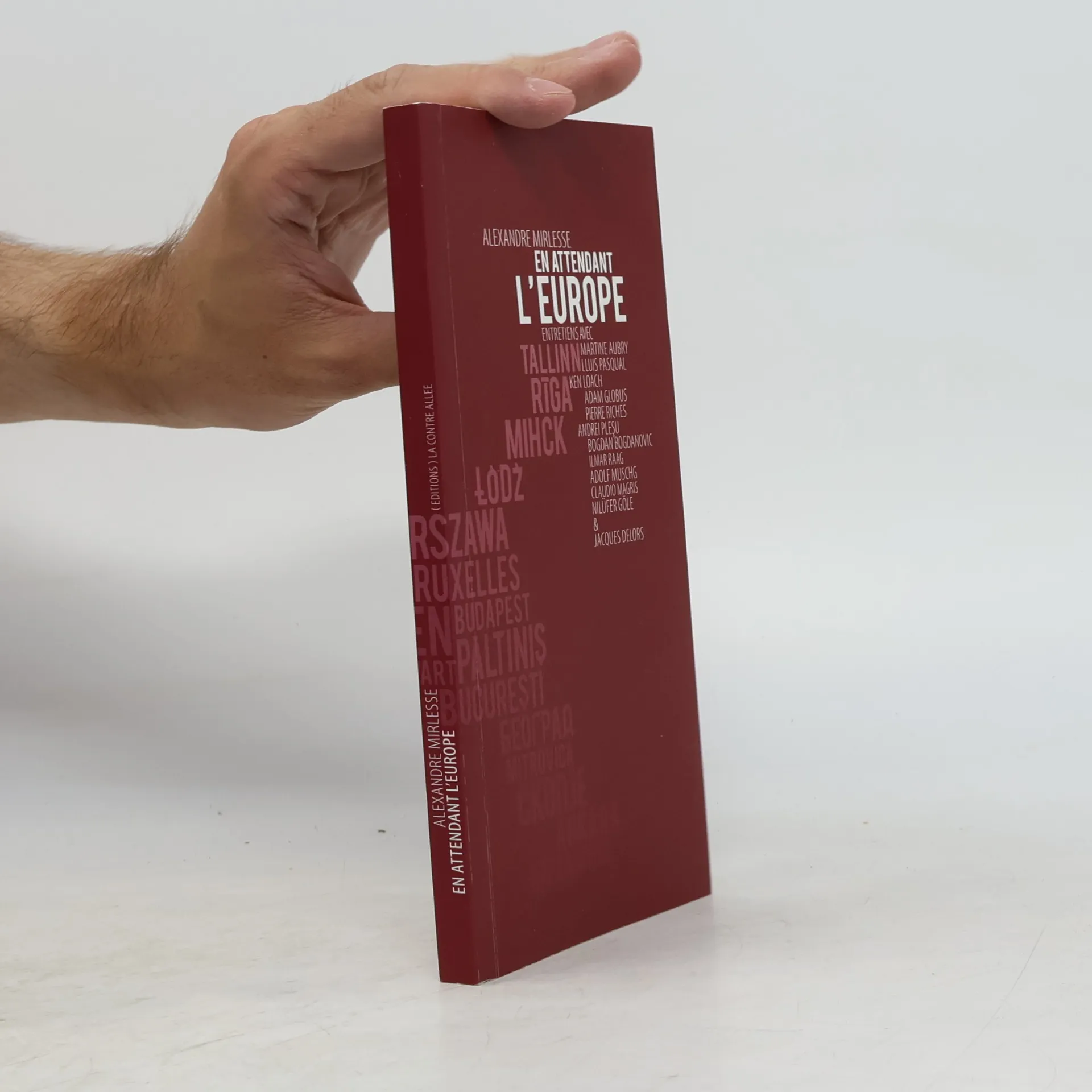

Książka powstała w wyniku badań socjologicznych przeprowadzonych w latach 2009-2013 w dwudziestu jeden europejskich miastach, takich jak Paryż, Kopenhaga, Bolonia, Oslo, Bruksela i Sarajewo. W każdym z tych miast wystąpiły kontrowersje dotyczące obecności muzułmanów w przestrzeni publicznej, obejmujące noszenie chusty przez kobiety, uliczne modlitwy, budowę meczetów oraz granicę między wolnością słowa a ochroną uczuć religijnych. Autorka przedstawia historię i tło poszczególnych sporów, cytując uczestników debaty: socjologów, publicystów, działaczy społecznych oraz intelektualistów świeckich i muzułmańskich. Oddaje również głos zwykłym muzułmanom, ukazując różnorodność ich opinii. Książka dokumentuje zmiany w politycznym i społecznym klimacie wokół islamu w Europie. W każdym z miast socjolożka Nilüfer Göle prowadzi wywiady w lokalnej społeczności, a następnie organizuje spotkania, w których uczestniczą przedstawiciele obu stron konfliktu, co często jest pierwszą okazją do wysłuchania argumentów drugiej strony. To nie tylko przekrojowa prezentacja kontrowersji, ale także zapis pionierskiego przedsięwzięcia mającego na celu przekroczenie społecznych podziałów i budowę społeczeństwa opartego na szacunku.
Nilüfer Göle Reihenfolge der Bücher
Nilüfer Göle ist eine führende türkische Soziologin, die sich auf die politische Bewegung gebildeter, urbanisierter und religiöser muslimischer Frauen konzentriert. Durch persönliche Interviews entwickelt sie detaillierte Fallstudien junger türkischer Frauen, die die Grundsätze islamischer Geschlechterkodizes annehmen. Ihr soziologischer Ansatz bietet eine breitere Kritik des Eurozentrismus in Bezug auf aufkommende islamische Identitäten und untersucht die Komplexität des multikulturellen Lebens. Göles Arbeit befasst sich speziell mit dem Thema des Schleierns und der Durchdringung von Islam und Europa.


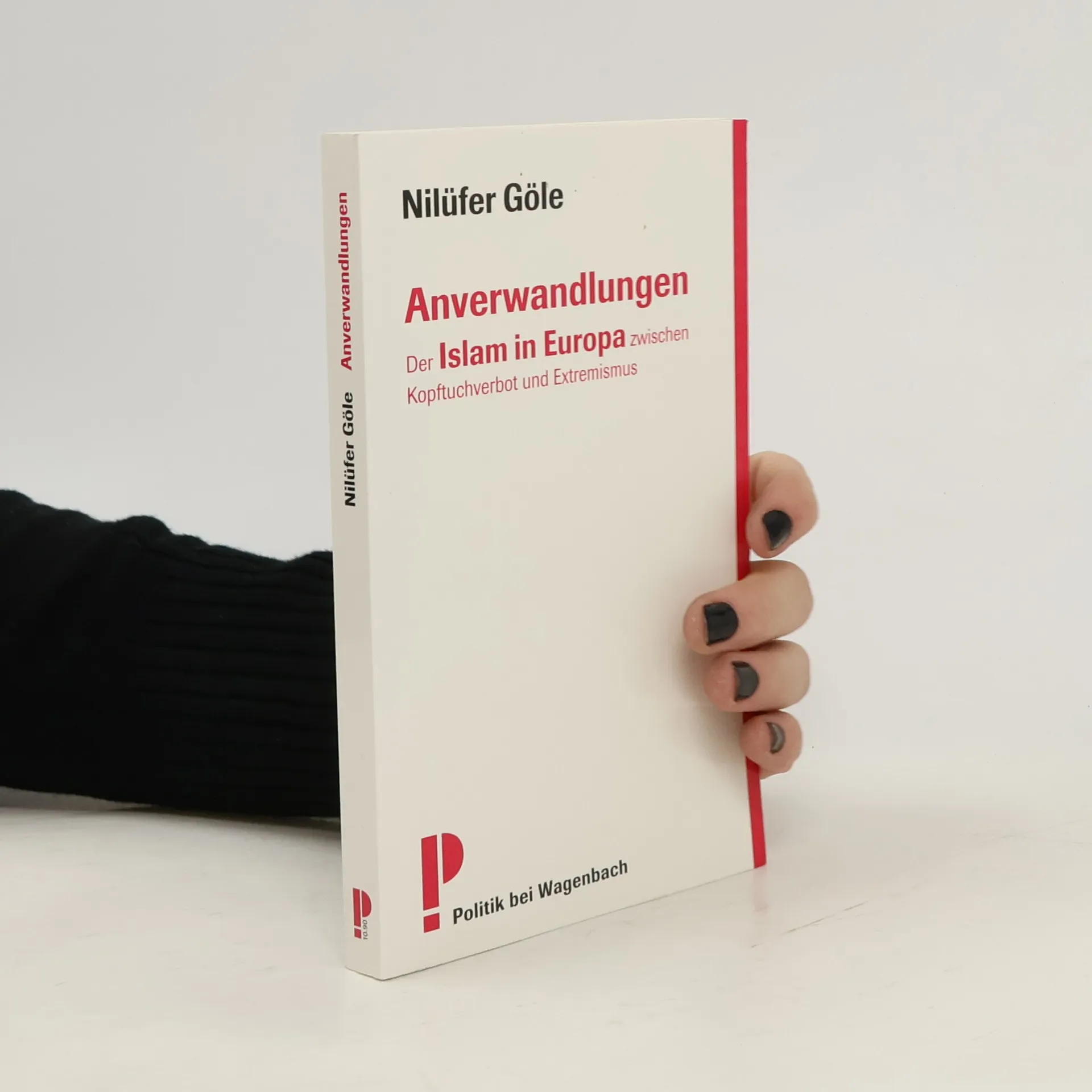
- 2016
- 2016
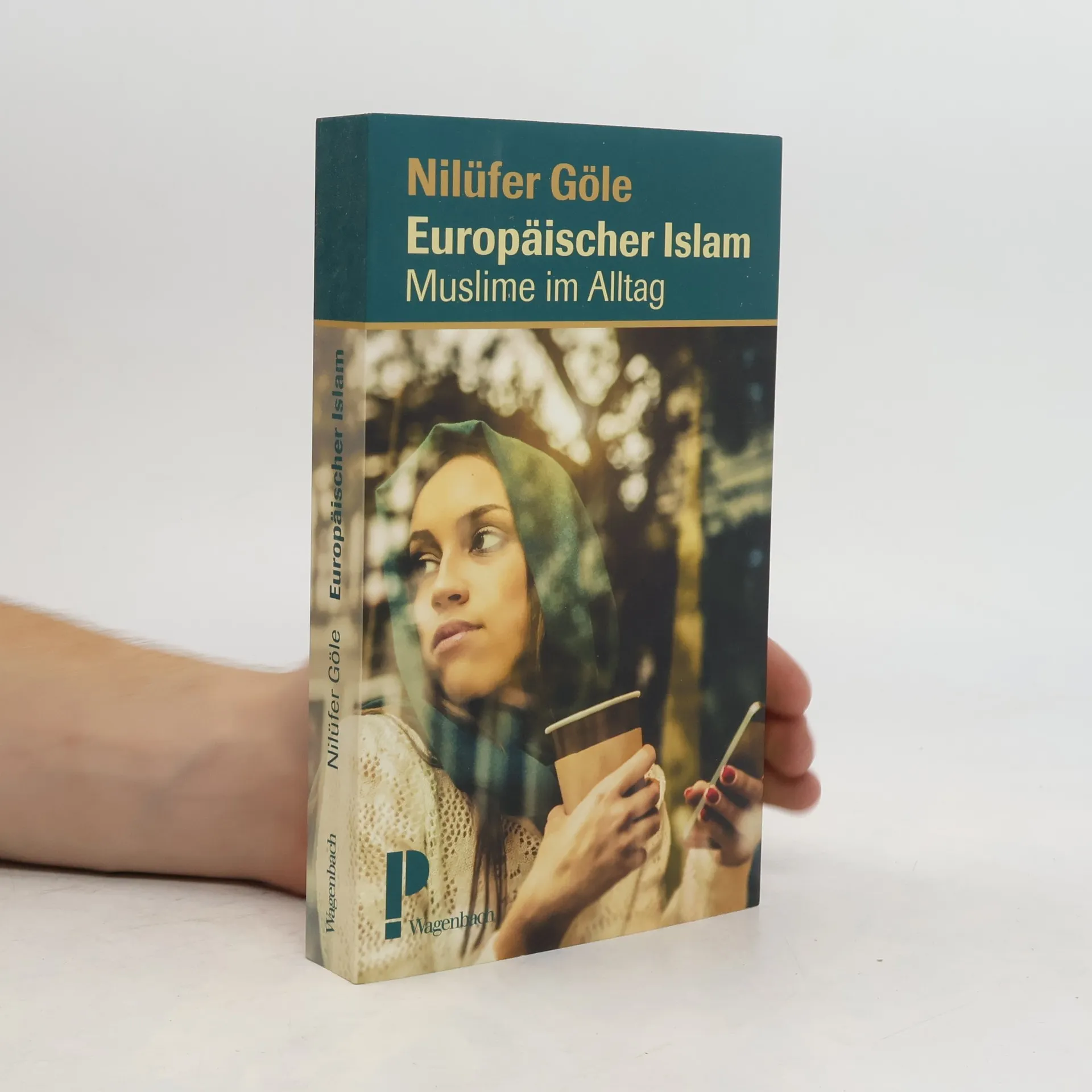
Europäischer Islam
Muslime im Alltag
Über den Islam wird viel gesprochen und publiziert, aber die anerkannte Soziologin Nilüfer Göle hat in diesem Buch erstmals das Thema aus einer gesamteuropäischen Perspektive und mit Fokus auf den Alltag der Menschen beleuchtet. Sie hat vier Jahre lang in Deutschland, Frankreich, England und anderen Ländern zahlreiche Menschen befragt, was den Islam in Europa ausmacht. Gerade in Zeiten von Terror scheinen die Konfrontationslinien zwischen dem Islam und der europäischen Welt härter zu werden, aber dieser Eindruck trügt. Wie Nilüfer Göle zeigt, ist der Islam längst selbstverständlicher Bestandteil unseres ? gemeinsamen ? modernen Alltagslebens geworden. Es entstehen neue Identitäten und Formen des Zusammenlebens und natürlich auch neue Konflikte, wie etwa im Karikaturenstreit, die aber durchaus kreativ gelöst werden. In diesem Prozess erfindet sich Europa neu, eine Entwicklung, die kein Fundamentalist aufhalten kann.
- 2008
Islam in Europe is a book full of striking the assassination of and the death threats against artists and intellectuals; violent demonstrations demanding Sharia law for Europe; and acts of terrorism, Also detailed are European political initiatives and, in some cases, new laws that forbid the wearing of the burka in public spaces, the ban on minarets in Switzerland, and other efforts to keep Western culture pure. But there is another reality, as Nilüfer Göle describes it from her own life Muslims who are politicians in European parliaments; scholars teaching in European universities; and artists who use this creative intercultural exchange as a theme in their art. More visible are the hundreds of thousands of students, workers, merchants, and professionals who participate in every aspect of public life without concealing their heritage. Göle sees the best hope for a modern and European Islam in the Muslim women who--in contrast to the men--demonstrate their commitment to their heritage by wearing head scarfs while participating in modern Western life. In manifesting their professional and public experience in their own communities, they become the agents of change and modernism. Göle thus sees European Islam as feminine, in contrast to the male-dominated traditional Islam.