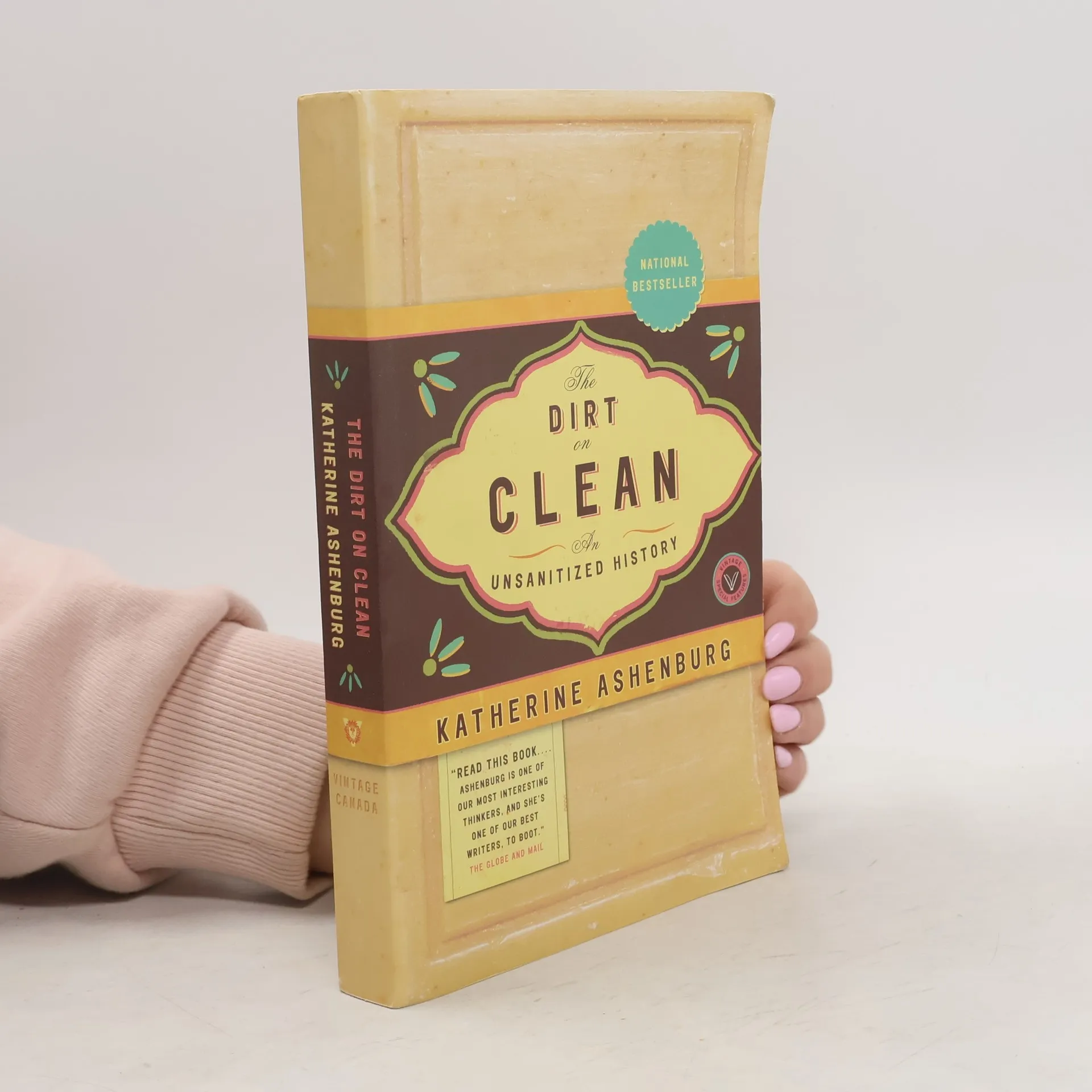
For the first-century Roman, cleanliness involved a public two-hour soak in varying temperatures, body scraping with a miniature rake, and a final application of oil. In contrast, the seventeenth-century aristocratic Frenchman considered changing his shirt daily and using perfume essential, while avoiding water altogether. By the early 1900s, North America embraced the idea of frequent bathing, even daily, leading to unprecedented cleanliness reminiscent of the Roman Empire. As the millennium approached, standards became even more stringent. Today, we inhabit a deodorized world where germophobes avoid handshakes and hand sanitizer sales soar. Katherine Ashenburg uses the act of washing with soap and water as a springboard for a unique exploration of Western culture, uncovering surprising insights about privacy, health, individuality, religion, and sexuality. She investigates cleanliness in plague-ridden streets, medieval baths, castles, and various bathrooms, revealing the odd prescriptions of historical doctors and the hygienic habits of kings, monks, and everyday people. Filled with amusing anecdotes and quotes from historical figures, this exploration is both intriguing and humorous, shedding light on our evolving understanding of cleanliness and its deeper implications for our identities.
Katherine Ashenburg Reihenfolge der Bücher (Chronologisch)
Katherine Ashenburg ist eine preisgekrönte Autorin von Sachbüchern, deren Werk sich von Reisen über Trauerrituale bis hin zur Architektur erstreckt. Sie ist bekannt für ihre tiefe Neugier auf menschliche Praktiken und Geschichte, oft aus einem unerwarteten Blickwinkel betrachtet. Ashenburg erforscht die ambivalente Beziehung der Gesellschaft zu verschiedenen Aspekten des Lebens und Sterbens und verleiht ihren Schriften eine lebendige Analyse. Ihre Prosa ist gekonnt und fesselnd und bietet den Lesern neue Perspektiven auf bekannte und weniger bekannte Phänomene.