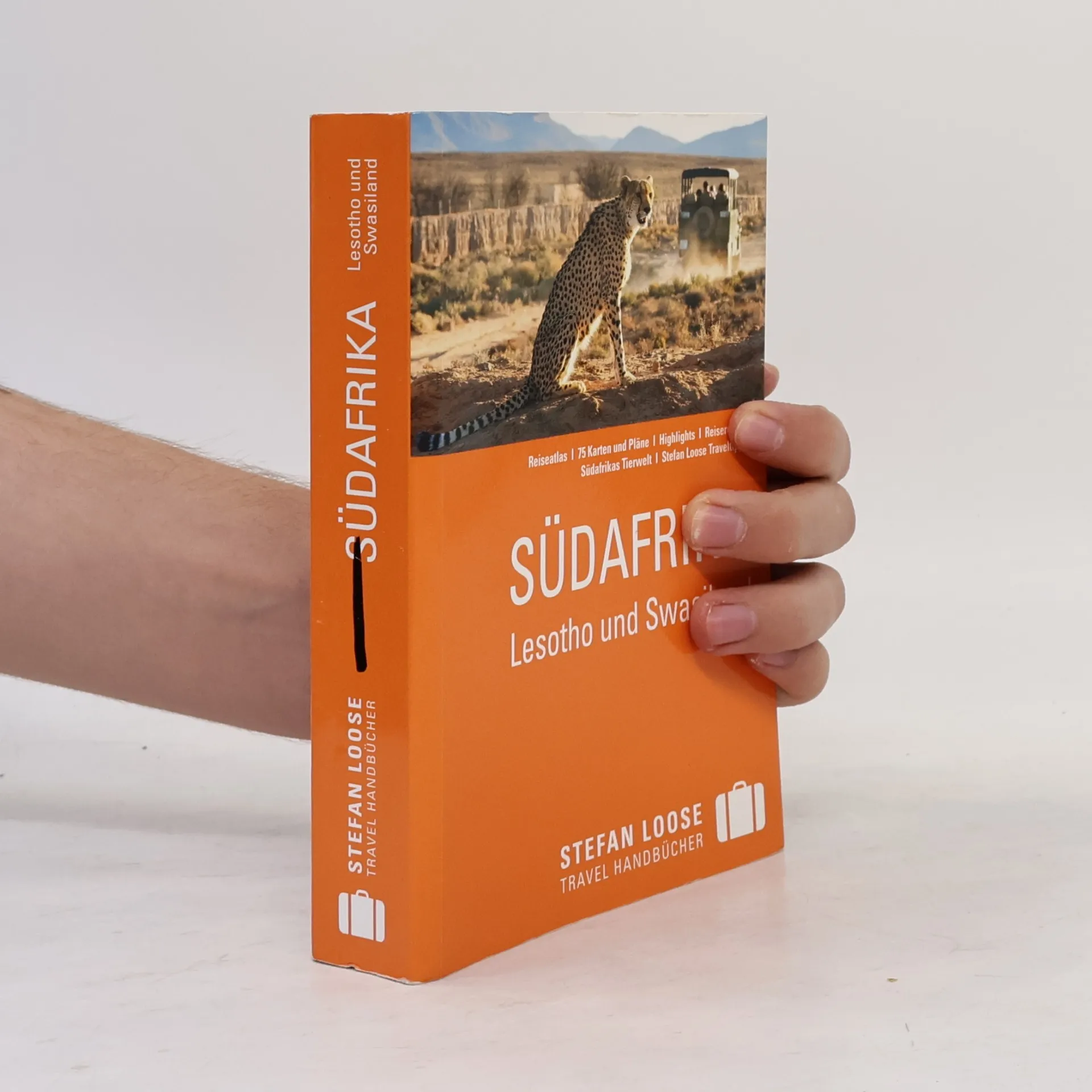
Stefan Loose Travel Handbücher: Südafrika, Lesotho und Swasiland
- 760 Seiten
- 27 Lesestunden



The Rough Guide to Germany is the ultimate travel guide with clear maps and detailed coverage of all the best attractions Germany has to offer. Discover the dynamic regions of Germany from the lively nightlife in Berlin, magnificent Baroque gardens in Northern Germany, medieval castles and historical towns, to the flavours of German cuisine. Packed with detailed, practical advice on what to see and do in Germany this guide provides reliable, up-to-date descriptions of the best hotels in Germany, German bars, recommended restaurants in Germany, and tips on the best shopping and festivals in Germany for all budgets. Featuring detailed coverage on a full range of attractions; from the spas of Baden-Baden and the galleries of Dresden, to boat trips in Hamburg and the jazz clubs of Munich, you'll find expert tips on exploring Germany's amazing attractions with an authoritative background on Germany's rich culture and history. Explore all corners of Germany with the clearest maps of any guide and practical German language tips.Make the most of your holiday with The Rough Guide to Germany.
900 farb. Fotos, 40 Ktn, 30 Zeichn., Farbleitsystem, histor. Abriss, Schnittzeichn., Grundr., Routentips, Stadtpl.