

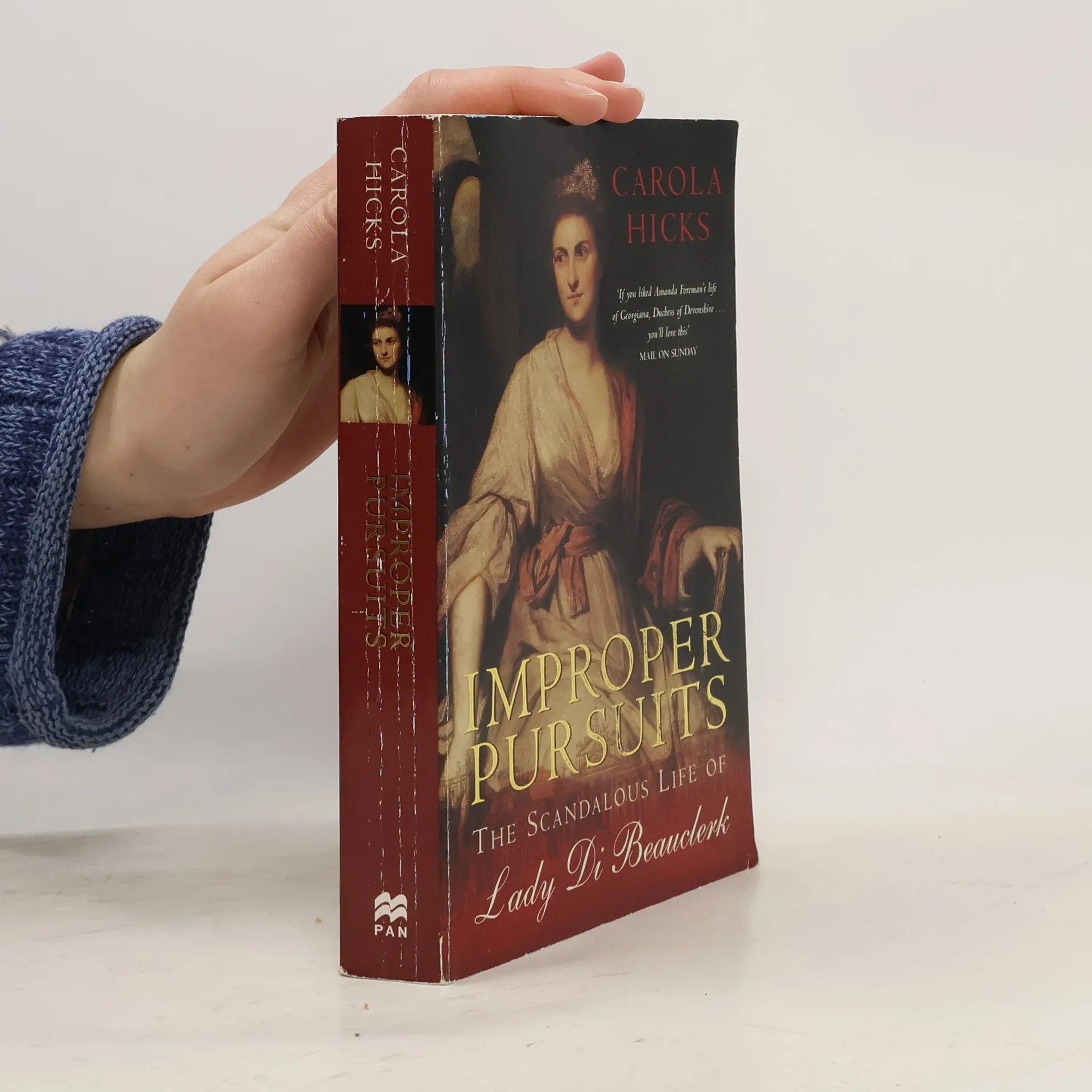
Lady Diana Spencer was born in 1735, the eldest child of the third Duke of Marlborough. She was expected to follow a traditional path through life: educated in the fashion considered suitable for a girl and married to a man of the appropriate rank for a duke's daughter. However, Lady Di overturned convention. She left her husband, pursued a secret relationship with Topham Beauclerk, hid the birth of an illegitimate child, was divorced, remarried and eventually had to earn her living by painting.
Carola Hicks Bücher
Carola Hicks taucht in die Kunstgeschichte ein und konzentriert sich dabei auf die visuellen Kulturen des Mittelalters. Ihre Arbeit untersucht oft spezifische Kunstwerke wie Wandteppiche und Porträts und deckt deren verborgene Erzählungen und gesellschaftliche Kontexte auf. Hicks verbindet die strenge Gelehrsamkeit einer Kunsthistorikerin mit einem fesselnden erzählerischen Stil, der vergangenen Epochen Leben einhaucht. Ihre Analysen sind aufschlussreich und ihre Prosa ansprechend, was den Lesern einen tiefen Einblick unter die Oberfläche ikonischer Werke bietet.

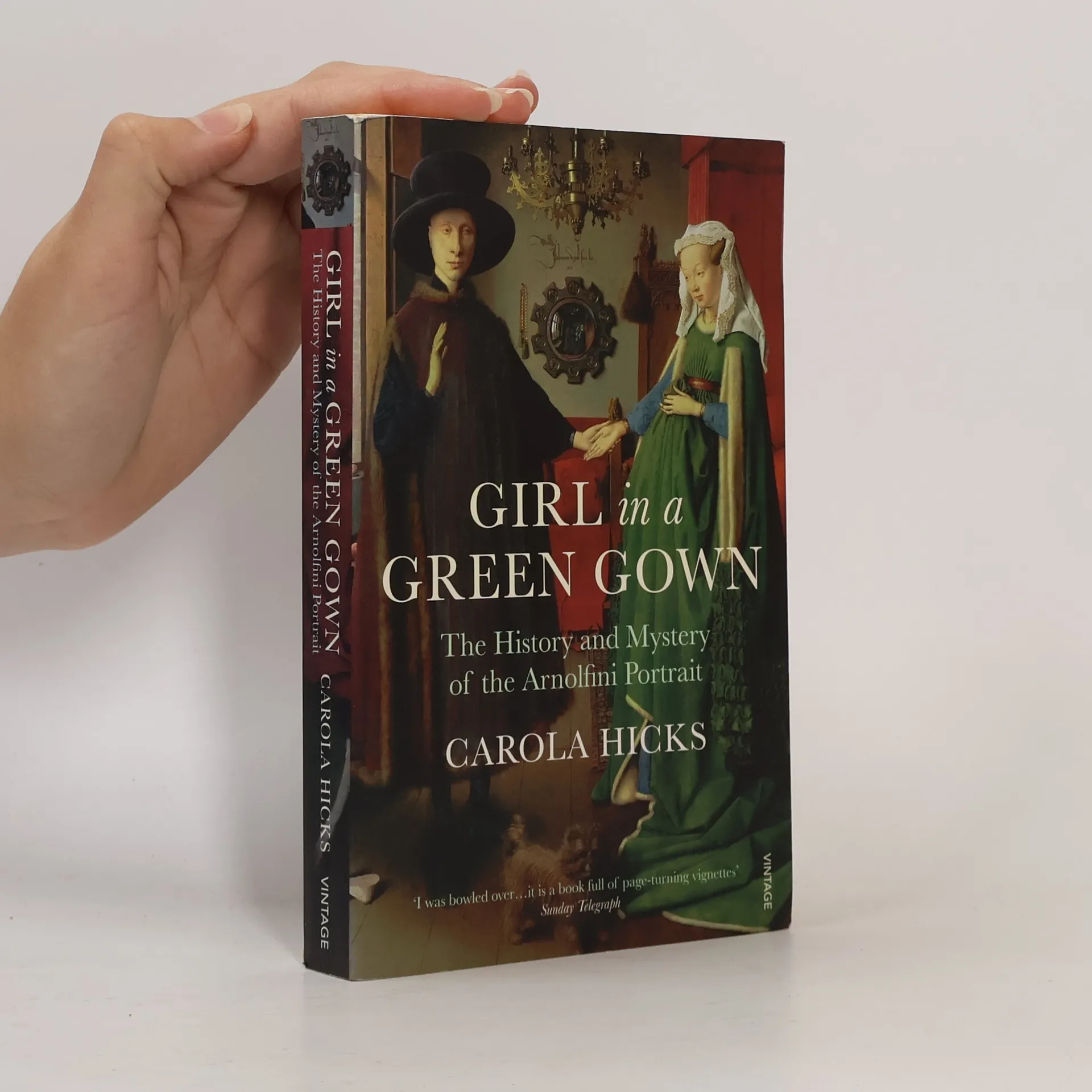
The Arnolfini portrait, painted by Jan van Eyck in 1434, is one of the world's most famous paintings. This title tells the story of the painting's survival through fires, battles, hazardous sea journeys, and its role as a mirror reflecting the culture and history of the time - from jewel of the Hapsburg empire to Napoleonic war trophy.
The Bayeux Tapestry
- 352 Seiten
- 13 Lesestunden
The vivid scenes on the Bayeux Tapestry depict the events leading up to the Battle of Hastings in 1066. Hicks shows us this world and the miracle of the tapestry's making: the stitches, dyes and strange details in the margins. For centuries it lay ignored in Bayeux cathedral until its 'discovery' in the eighteenth century.