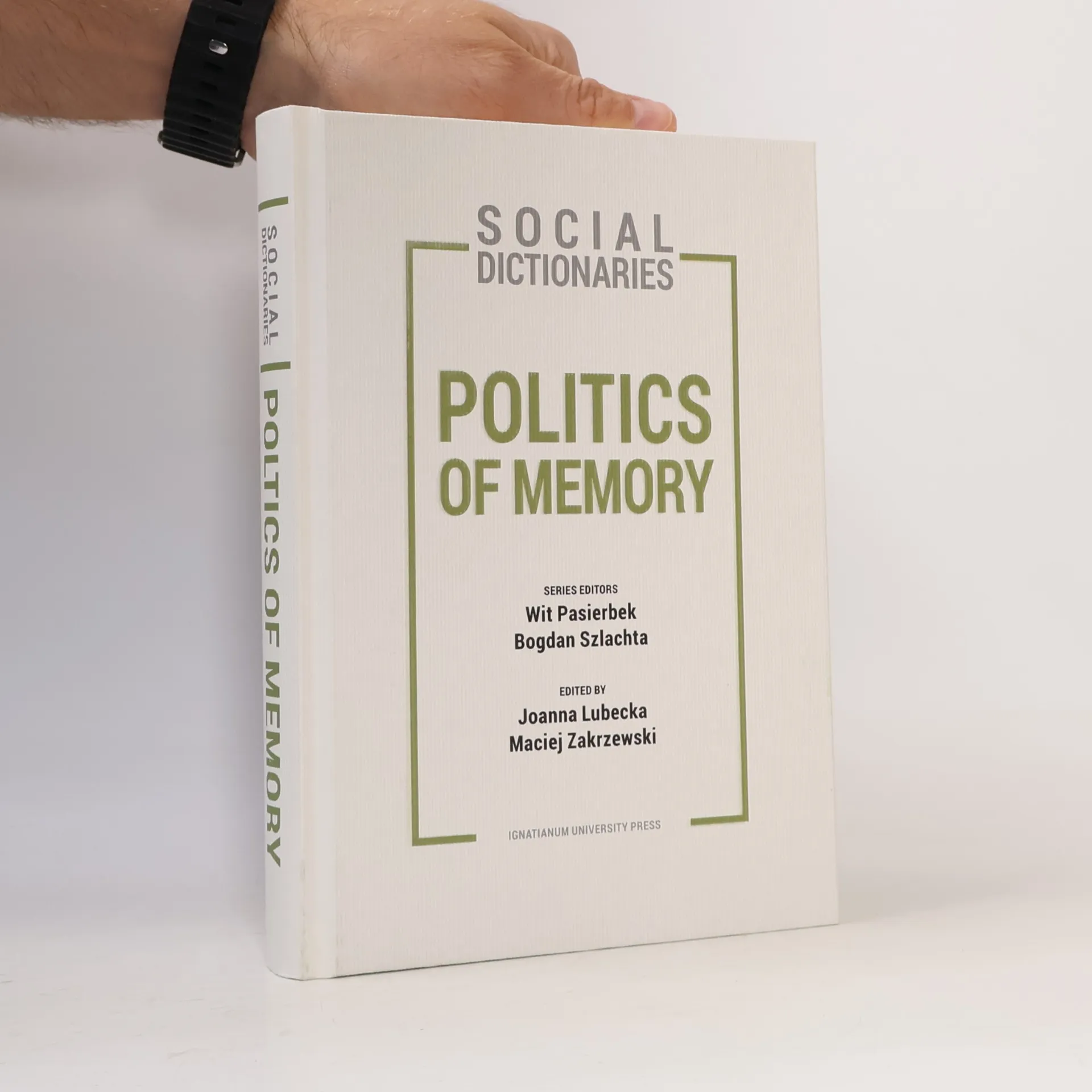
In 2019, the team members of the Ignatian Social Forum decided to continue the work that was initiated by the publication of the Social Dictionary in 2004. Scientists from both Polish and foreign academic centres contributed to this publication, which contained over one hundred extended essays that discussed the findings of recent humanities and social science research. This new project is more extensive than the original Social Dictionary. The aim of the project is to present the state of knowledge from within various fields of humanities and social sciences as they are at the beginning the third decade of the 21st century. They plan to show man, who is developing within diverse civilizations, cultures and societies, who adheres to many religions, and who honours diverse patterns of behaviour and products that condition his behaviour. However, rather than divide the humanities and social sciences according to the fields and disciplines listed by various international or national (departmental) institutions, we will divide them according to research areas that have been investigated by 'officially acknowledged' scientific disciplines, with the use of a range of methods that yield a more comprehensive, interdisciplinary view. (Foreword: Wit Pasierbek and Bogdan Szlachta, series editors) The concept of the politics of memory - a relatively new category in the academic space - refers to the entanglement of memory in the world of politics, as has been characteristic of political life since the earliest times. In the social and political dimensions, collective identity has always required referencing a coherent narrative of the past which could serve as the focus for both communities and power structures. [...] The experiences of the 20th century acutely demonstrated that politics (understood not only as an instrumental game of power but also as the realisation of the common good) cannot exist without history. The separating of politics and history has proved ineffective, therefore it is necessary to civilise the relationships between them; in this context, the category of 'politics of memory', so frequently used in various contexts today, gains in significance. [...]. The intention of the editors of this volume was to reliably present the politics of memory as a key dimension of state politics which is indispensable in building a collective identity and pursuing international policy objectives; this, however, should not be equated with the narratives of individual political groupings. (Introduction: Joanna Lubecka and Maciej Zakrzewski, volume editors)