
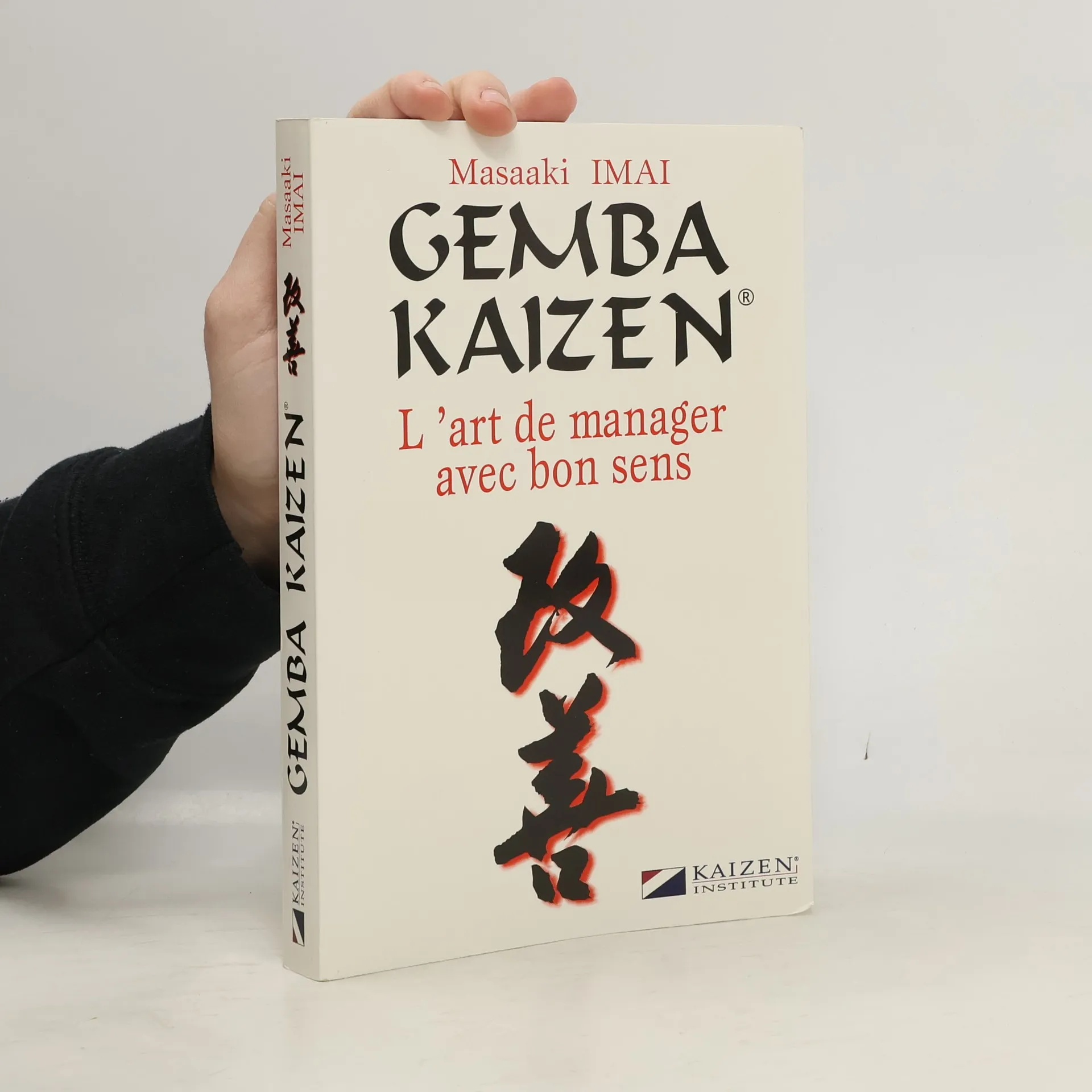

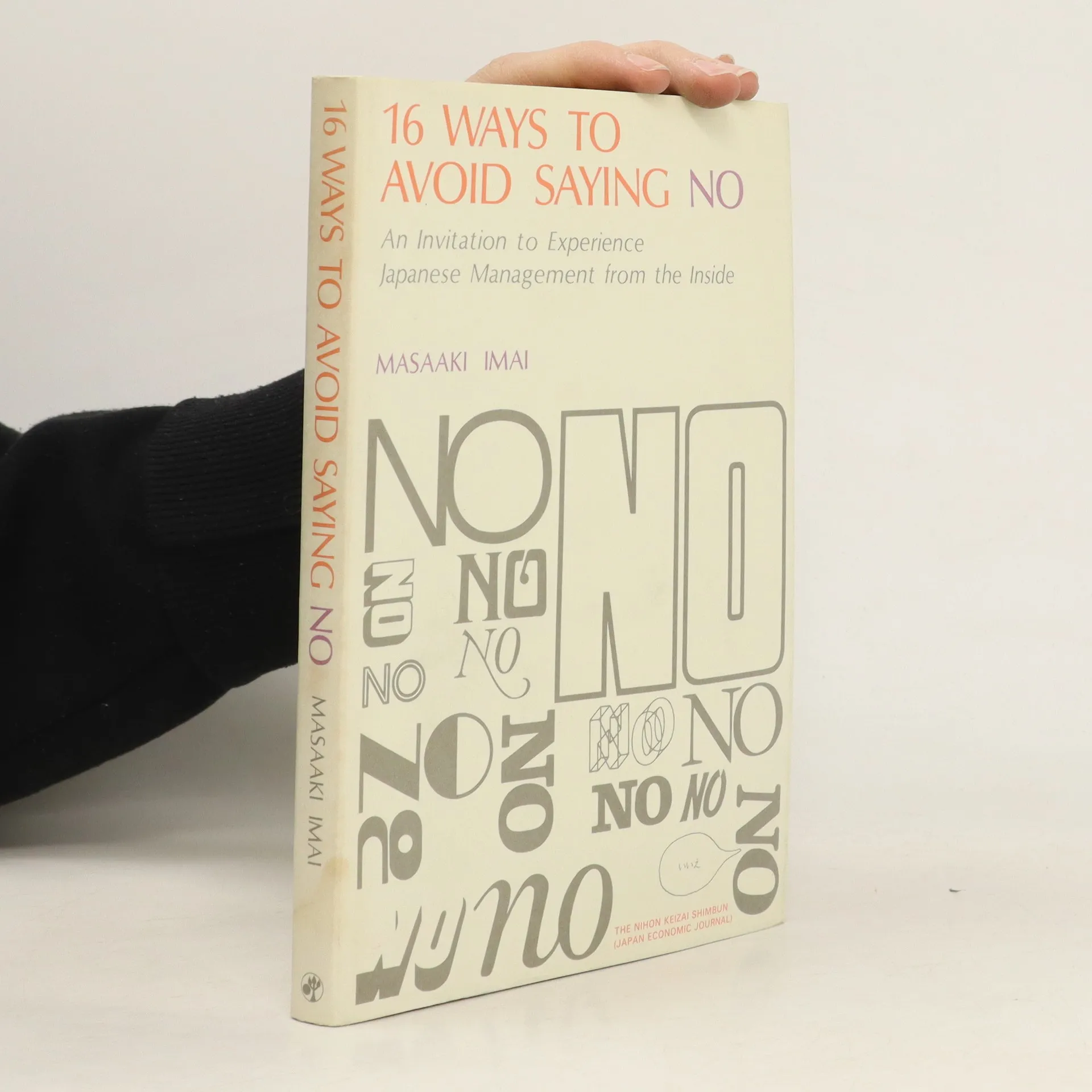
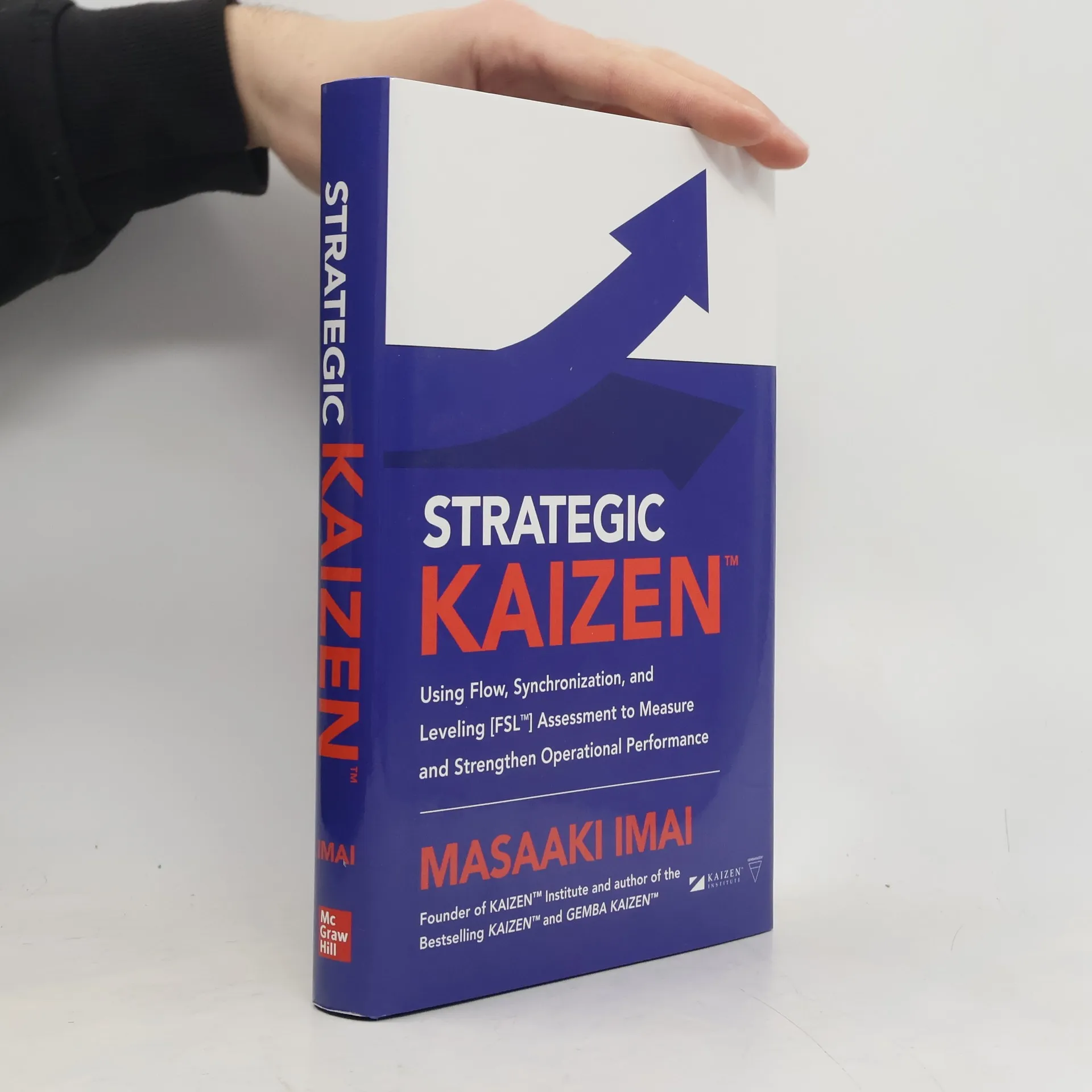

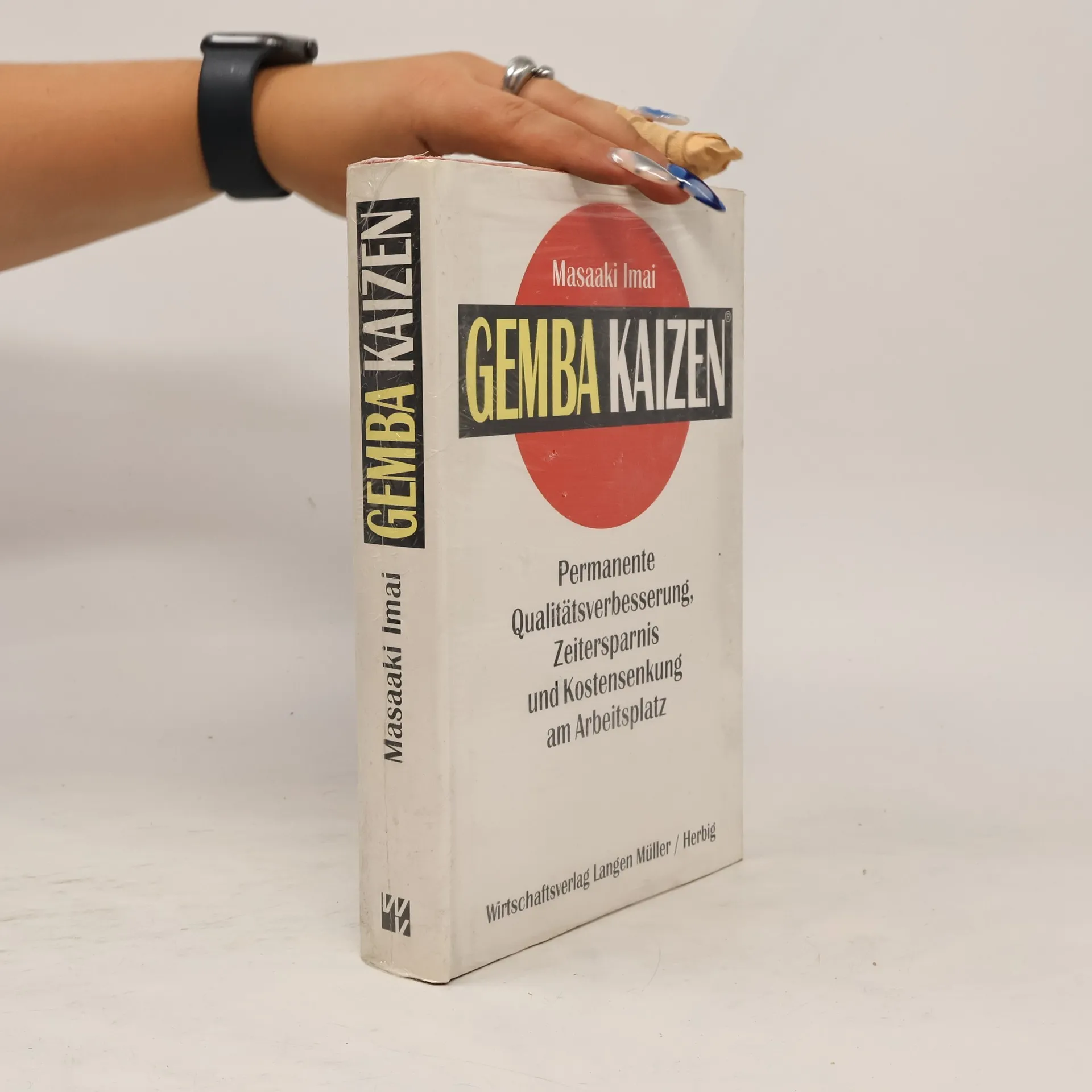
Masaaki Imai Bücher
Masaaki Imai ist ein Management-Pionier, der für die Popularisierung der Kaizen-Philosophie der kontinuierlichen Verbesserung bekannt ist. Seine Arbeit konzentriert sich auf die Integration verschiedener Managementpraktiken in die Organisationskulturen und verlagert Unternehmen von einer ergebnisorientierten zu einer prozessorientierten Denkweise. Imai befasst sich sowohl mit Führungs- als auch mit Frontline-Herausforderungen am 'Gemba', dem Ort, an dem Werte geschaffen werden. Sein Beitrag liegt in der Etablierung von Kaizen als vernünftige, umsetzbare Methode zur Verbesserung der operativen Exzellenz weltweit.


Kaizen. Der Schlüssel zum Erfolg im Wettbewerb.
- 394 Seiten
- 14 Lesestunden
For the professional manager or student of management, a comprehensive handbook of 16 Kaizen management practices that can be put to work. KAIZEN uses more than 100 examples in action and contains 15 corporate case studies.
Strategic Kaizen
- 320 Seiten
- 12 Lesestunden
The groundbreaking follow-up from the bestselling author of Gemba Kaizen, and pioneer of "continuous improvement" operational excellence. Whether you run a business or practice Lean, this groundbreaking guide provides everything you need to transform your company in measurable ways. The founder of the Kaizen Institute, Masaaki Imai introduces his revolutionary Flow, Synchronization, and Leveling Assessment (FSLA)--a first-of-its-kind Lean paradigm for measuring and improving operational performance. This new business classic teaches you: -The importance of assessing corporate performance from both the financial and operational standpoints -How to identify basic structures of the ideal production systems-Proven ways of implementing FSLA to both measure operational performance and drive cost-effective, incremental improvements in their most critical business processes
Kaizen. The Key To Japan's Competitive Success
- 260 Seiten
- 10 Lesestunden
Fully explains to non-Japanese managers the ramifications and applications of the Kaizen philosophy of continually striving for improvement and repeatedly setting ever higher standards
16 Ways to Avoid Saying No
An Invitation to Experience Japanese Management from the Inside
When it comes to making your business more profitable and successful, don't look to re-engineering for answers. A better way is to apply the concept of kaizen, which mean making simple, common-sense improvements and refinements to critical business processes.The greater productivity, quality, and profits achieved with minimal cost, time, and effort invested. In this book, you discover how to maximize the results of kaizen by applying it to gemba--business processes involved in the manufacture of products and the rendering of services--the areas of your business where, as the author puts it, the "real action" takes place.
Masaaki Imai, założyciel Instytutu Kaizen i pionier koncepcji ciągłego doskonalenia, podejmuje wyzwanie opracowania ogólnej strategii kaizen/lean, która może odmienić operacje firm. Współczesne przedsiębiorstwa są oceniane głównie na podstawie wyników finansowych, co rodzi pytanie o znaczenie sprawności operacyjnej. Imai proponuje nowe podejście, koncentrując się na Ocenie FSL™ (przepływ, synchronizacja, poziomowanie), zachęcając do projektowania procesów w sposób umożliwiający płynny ruch elementów pracy. Książka przedstawia podstawowe założenia idealnego systemu operacyjnego oraz krok po kroku opisuje wdrażanie FSL™ w celu poprawy wydajności i oszczędności zasobów. Zawiera analizy przypadków z różnych firm na całym świecie. Imai krytycznie ocenia, dlaczego wiele firm nie wdraża rozwiązań lean, obwiniając liderów, którzy skupiają się na akcjonariuszach, a nie na klientach. Proponuje konkretne rozwiązania, które pomagają w ocenie sprawności operacyjnej. W książce podkreśla, że tradycyjne firmy maksymalizują wykorzystanie zasobów dla minimalnych wyników, podczas gdy firmy lean osiągają maksymalne wyniki przy minimalnym wykorzystaniu zasobów. Imai dostarcza menedżerom cennych wskazówek, jak uwolnić się od przestarzałych paradygmatów i wdrożyć efektywniejsze podejście.


