
Gratis Versand ab € 14,99. Mehr Infos.
Bookbot

James M. McCormick

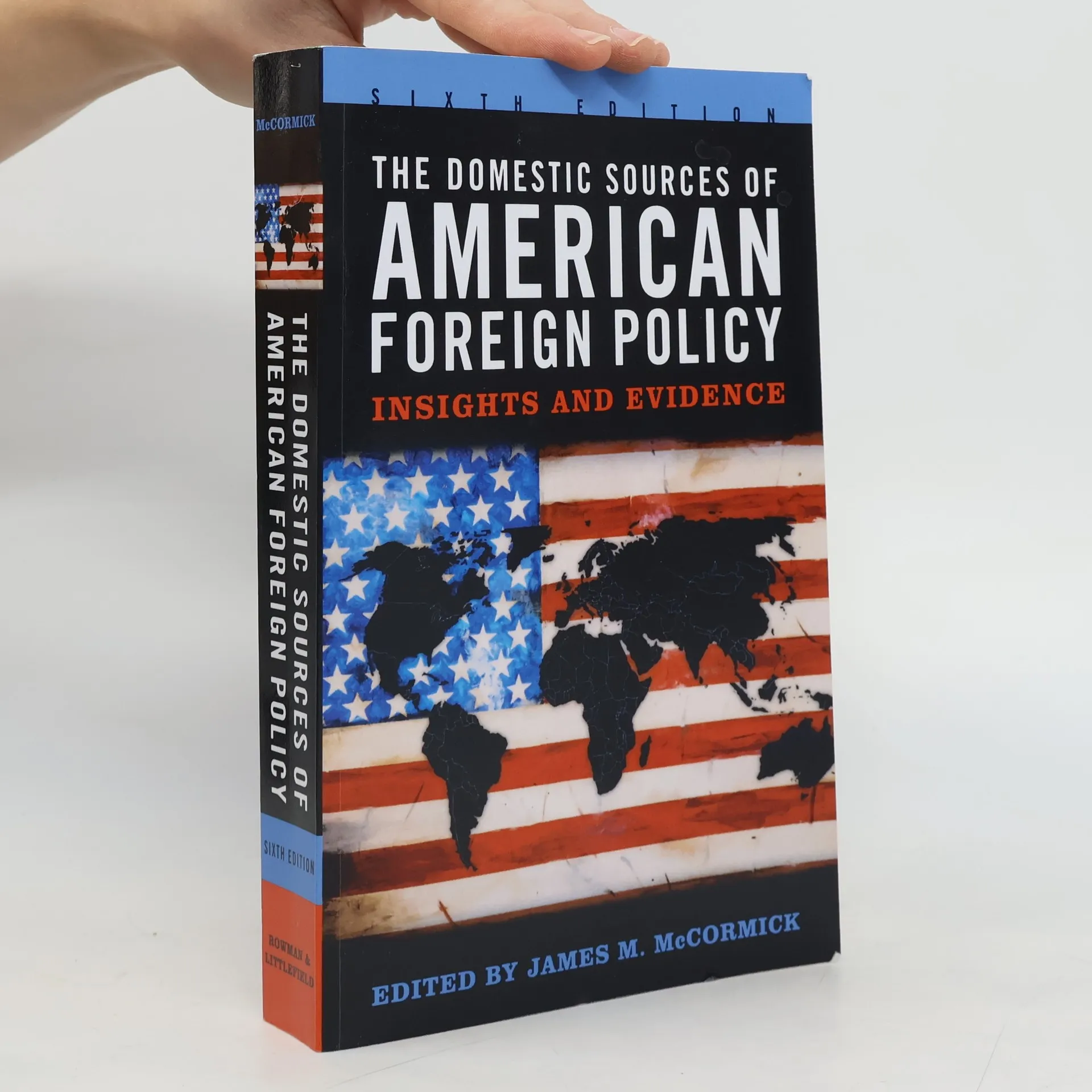
    The Domestic Sources of American Foreign Policy
    Zero Balancing
    • Zero Balancing

      • 200 Seiten
      • 7 Lesestunden

      Zero Balancing - conscious touch and transformation offers a practical and multi-layered approach to personal transformation for practitioners of Zero Balancing. The author explains the basic principles of Zero Balancing and then gives examples of how to use those principles in bodywork through the use of fascinating case histories and detailed stories of individual sessions with clients. Overall the book provides a step-by-step guide for clinicians. Each chapter stands on its own but together they build up to give the whole story of Zero Balancing's unique ability to assist in personal transformation for ZB clients. The book illustrates how working with the body and mind through touch can lead to a richer sense of self and a more satisfying life as well as assisting with numerous health issues. Jim McCormick is known for creating a caring and creative environment, where participants feel safe to be their full selves, while exploring new ideas and skills. Into the pages of this book he has woven his 50 years of experience in alternative medicine. His explanation of the unique principles behind Zero Balancing and how to apply them is presented clearly, warmly and with good humor and joy.

      Zero Balancing2021
      5,0
    • The Domestic Sources of American Foreign Policy: Insights and Evidence is a collection of current readings on how the domestic environment impacts American foreign policy today. The reader begins with an introduction focusing on why and how the domestic setting affects U.S. foreign policy. The volume is divided into three major parts with an opening essay by the editors to place that part in context and then eight essays that analyze the topic in that part in more detail. Part I, 'The Societal Environment,' contains a series of articles on the position of interest groups, the impact of military experience, the effect of public opinion, and the role of elections and political parties on foreign policy. Part II, 'The Institutional Setting,' examines how various political institutions, such as Congress, the presidency, and various bureaucracies shape American foreign policy. Part III, 'Decisionmakers and Their Policymaking Positions,' provides various case analyses over several administrations to illustrate how individuals and bureaucracies affect foreign policy decision-making at the highest levels of government.

      The Domestic Sources of American Foreign Policy2012
      3,5