

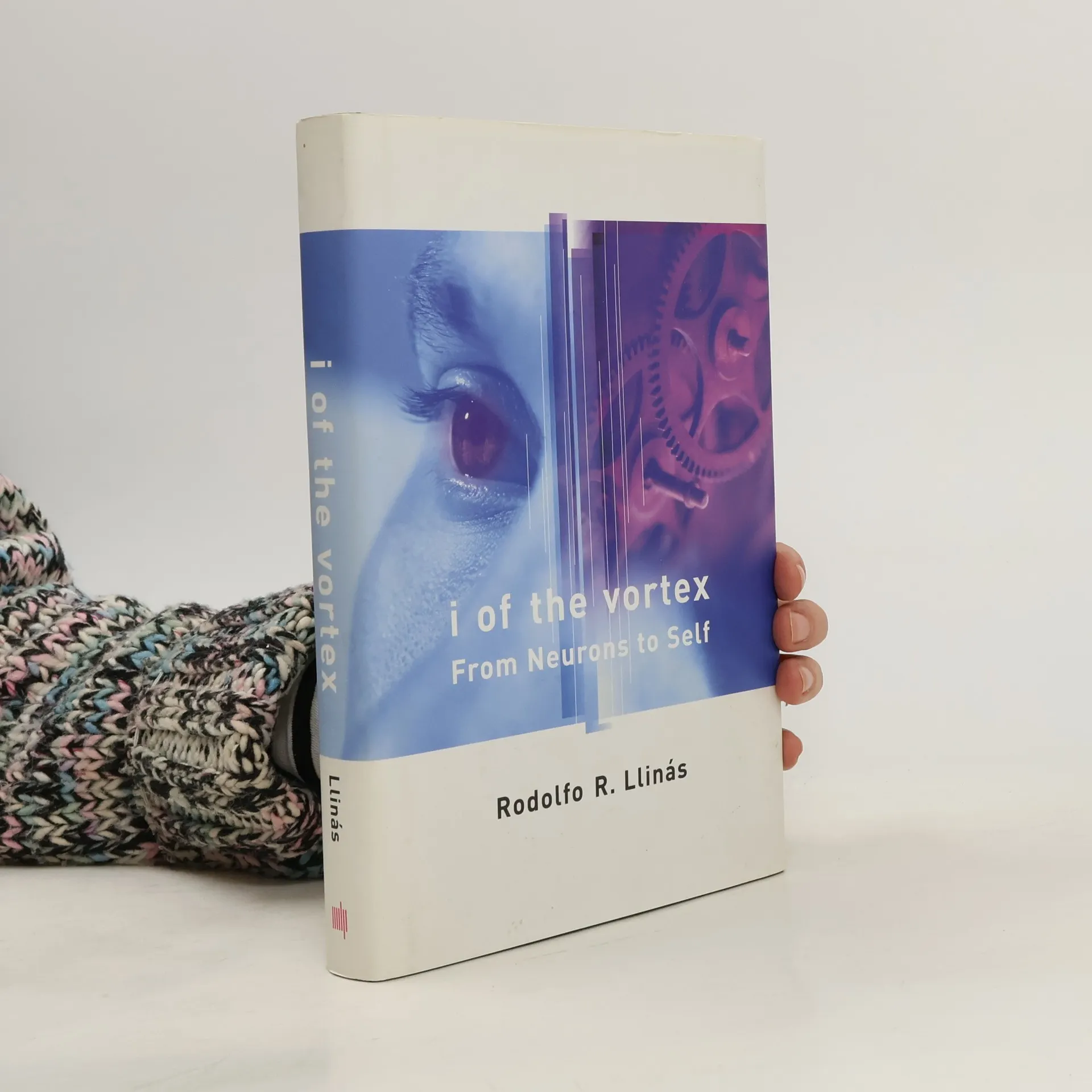
In I of the Vortex, Rodolfo Llinas, a pioneer in brain science, offers a unique perspective on the evolution and essence of the mind. He posits that the "mindness state" developed to facilitate predictive interactions between mobile organisms and their surroundings. Llinas traces the origins of mind to the sea squirt, a primitive creature with a brainlike ganglion that processes sensory information. Remarkably, as adults, sea squirts attach to a surface and consume most of their own brain, indicating that the nervous system evolved primarily to support movement. To navigate their environment safely, animals must predict the outcomes of their actions based on sensory input, making prediction a fundamental brain function. The concept of Self emerges as the centralization of this predictive capability. Central to Llinas's theory is oscillation, where many neurons exhibit electrical activity through oscillating voltage changes across their membranes. Larger electrical events occur at the peaks of these oscillations, enabling communication between neurons. When groups of neurons oscillate in sync, they resonate with other neuron groups, forming the neurobiological basis of cognition. While the mind is influenced by sensory experiences, it is also shaped by these internal oscillations, suggesting that reality is not solely external but resembles a form of virtual reality.
Rodolfo R. Llinas Bücher
Rodolfo Llinás nähert sich dem Gehirn durch eine evolutionäre Linse und postuliert, dass die Entwicklung des Gehirns grundlegend durch die Notwendigkeit von Organismen angetrieben wurde, aktiv in ihrer Umgebung zu navigieren und mit ihr zu interagieren. Seine umfangreiche Forschung befasst sich mit entscheidenden Bereichen wie dem Kleinhirn und dem Thalamus und deckt die komplizierten Mechanismen der neuronalen Kommunikation auf. Llinás erforscht weiterhin die funktionellen Auswirkungen dieser komplexen Systeme und berührt breitere Konsequenzen für unser Verständnis der menschlichen Kognition und des Verhaltens. Seine Arbeit bietet eine faszinierende Perspektive auf das Zusammenspiel zwischen evolutionärem Druck und der strukturellen und funktionellen Organisation des Gehirns.
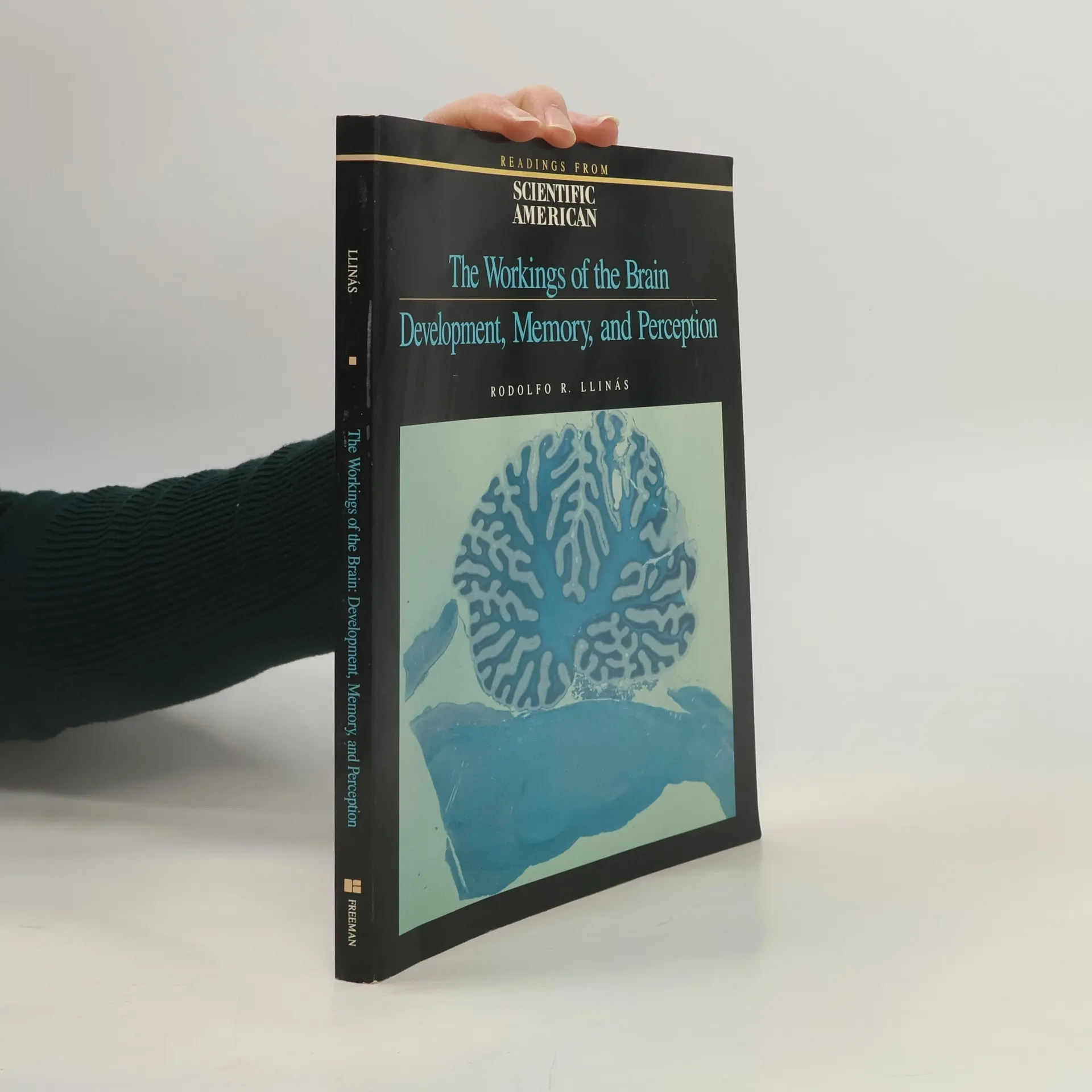
Readings from Scientific American: The Workings of the Brain
Development, Memory, and Perception
- 173 Seiten
- 7 Lesestunden
Articles discuss the evolution and structure of the brain, explains how it develops and looks at emotion, memory, dreams and imagination