


Jesús Huerta de Soto Bücher
23. Dezember 1956
Jesús Huerta de Soto ist ein spanischer Ökonom der Österreichischen Schule, der sich auf die Anwendung der Ökonomie auf Recht und Unternehmertum konzentriert. Seine Arbeit untersucht die Beziehung zwischen freiem Markt, Unternehmertum und menschlichem Handeln und betont die dezentrale Natur wirtschaftlicher Entscheidungsfindung. Er folgt der Tradition von Ludwig von Mises und F.A. Hayek und analysiert, wie institutionelle Rahmenbedingungen den wirtschaftlichen Wohlstand beeinflussen. Seine Analysen heben die Bedeutung von Eigentumsrechten und begrenzter staatlicher Intervention für nachhaltiges Wirtschaftswachstum hervor.

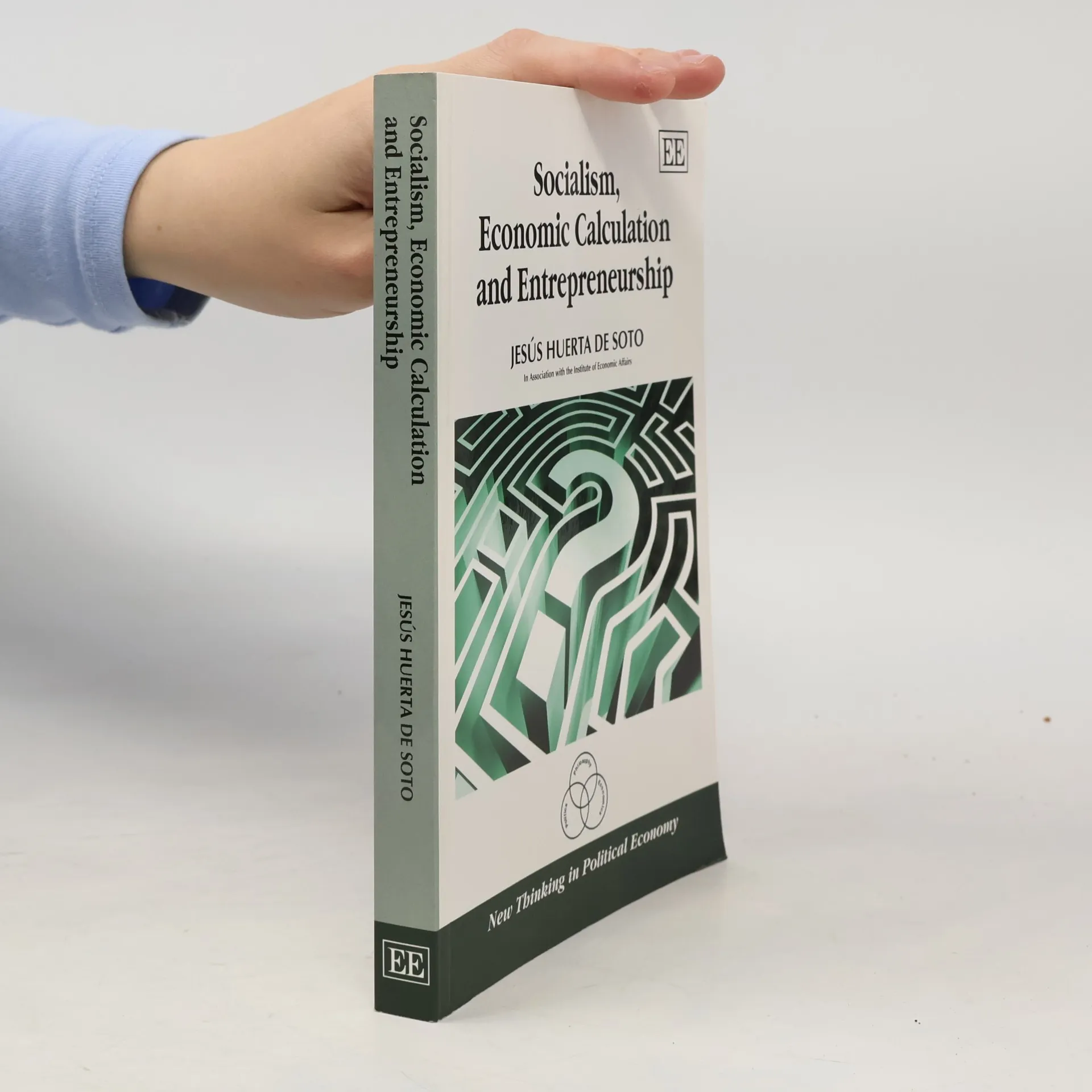

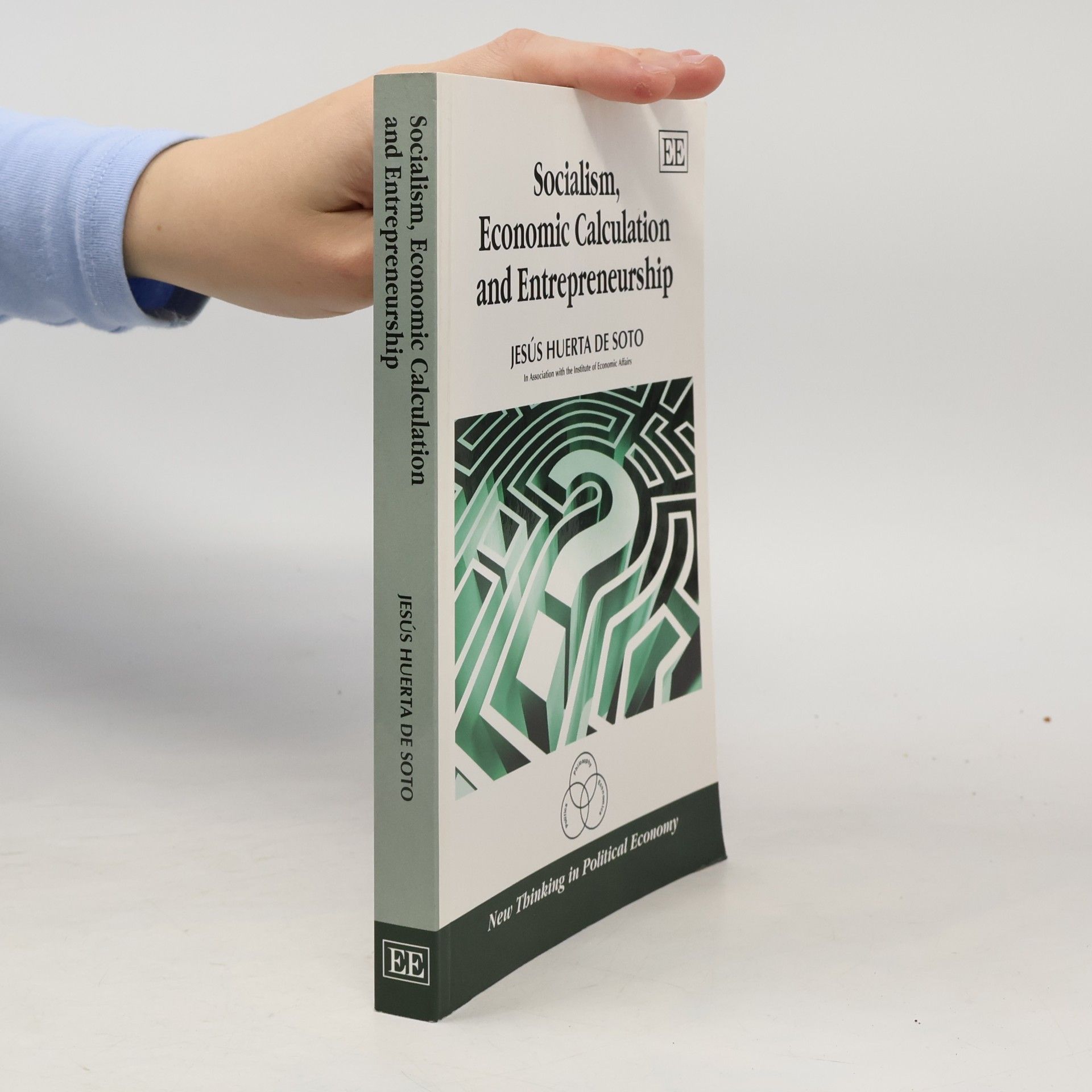
This highly topical book presents a new theory on the characteristics of entrepreneurial knowledge. It explores the recent shift among professional economists and scholars in their evaluation of the debate of socialism. Socialism, Economic Calculation and Entrepreneurship presents an application of Israel M. Kirzner's theory of entrepreneurship to the theory of the impossibility of socialism. It discusses the influence of the fall of socialism, with particular reference to the evolution of economic thought.
 4,4
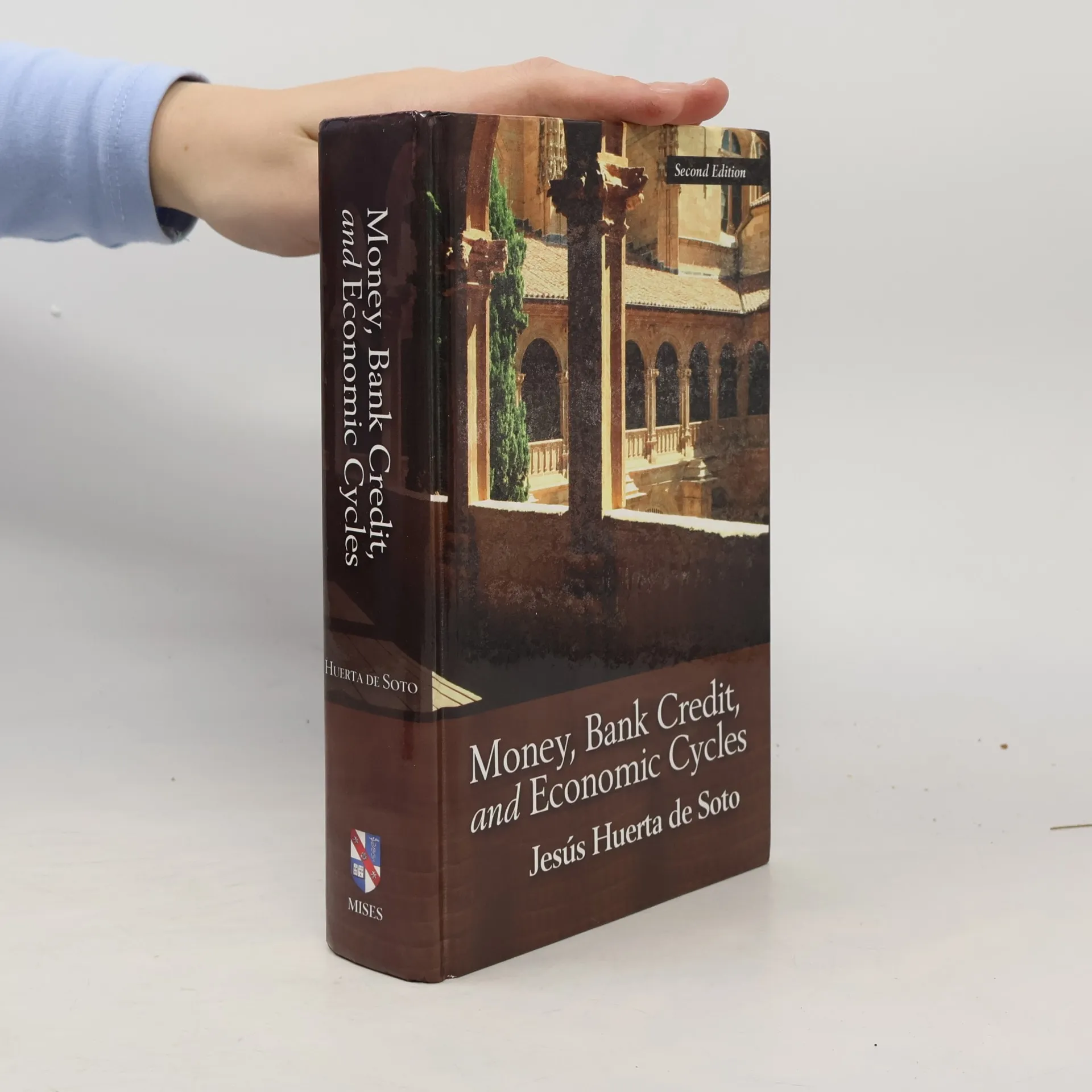
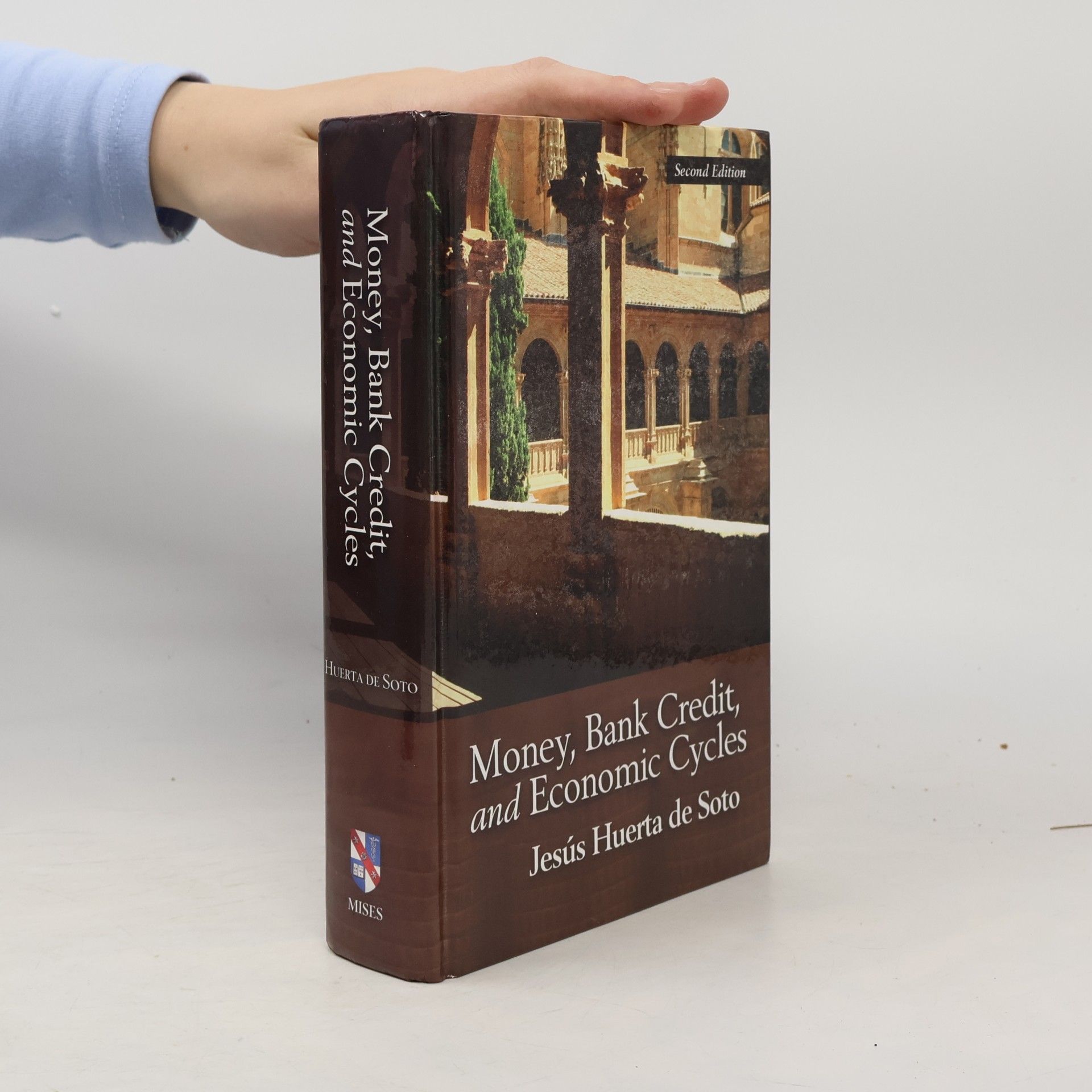
Can the market effectively manage the money and banking sector? Jesus Huerta de Soto, a professor of economics at Universidad Rey Juan Carlos, presents a groundbreaking treatise that argues for a monetary system free from inflation, business cycles, and the instability associated with government control. This work is a comprehensive exploration of economic theory, offering an extensive elucidation of Austrian business cycle theory and a robust defense of the Misesian-Rothbardian perspective on money and banking. De Soto claims this is the most significant contribution to the field since Mises's influential work in 1912. The book’s five main contributions include: a reconstruction of the legal framework for money and banking throughout history; an application of law-and-economics logic that connects microeconomic analysis to macroeconomic phenomena; a critique of fractional-reserve banking from historical, theoretical, and policy angles; an application of the Austrian critique of socialism to central banking; and a thorough examination of banking enterprise through the lens of market-based entrepreneurship. Beyond these points, De Soto defends the Austrian perspective on business cycles, addresses objections to full reserve theory, and presents a comprehensive policy program for reform. The implications of this work will take time to fully appreciate, but it is clear that serious students of economics must engage with this
 4,5
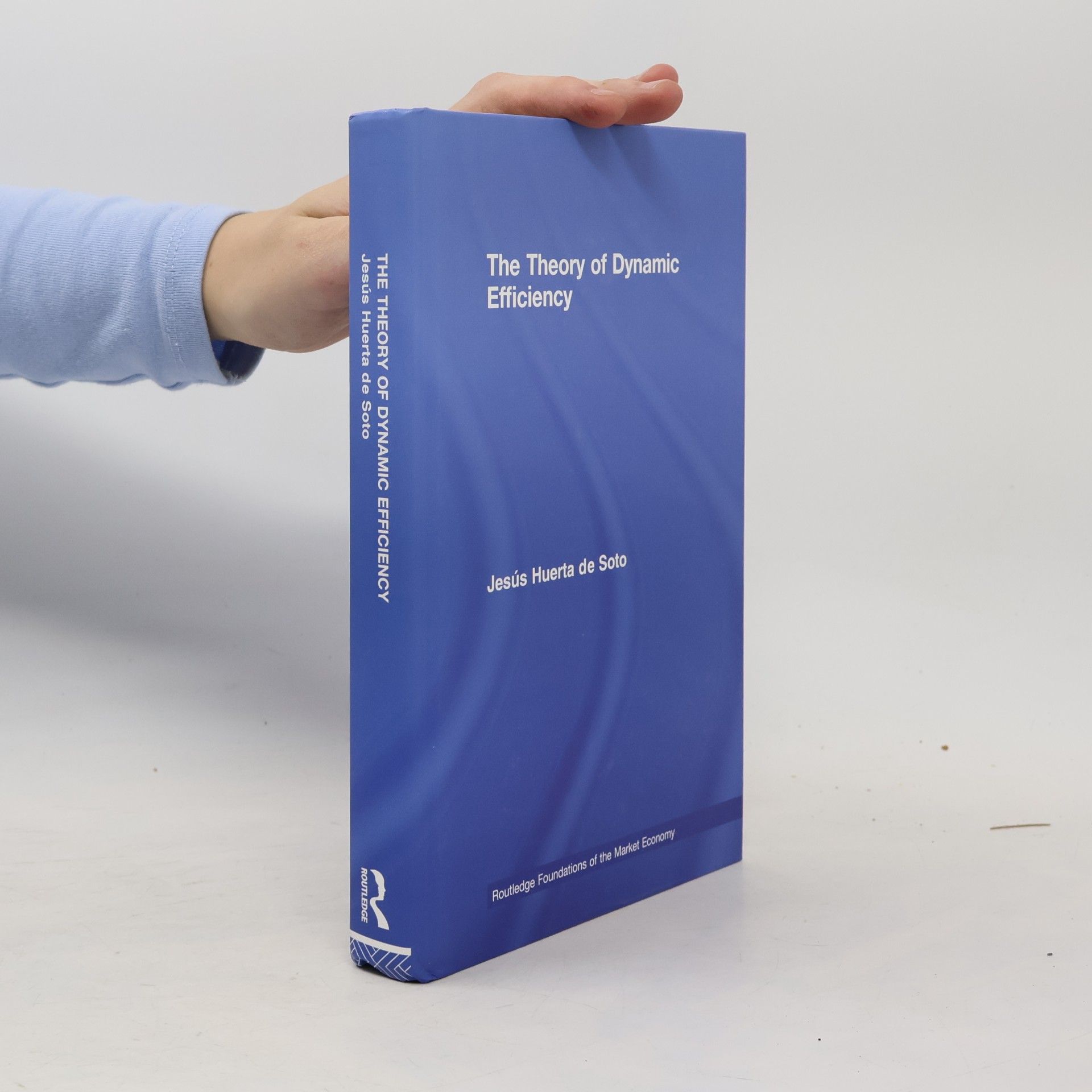
Routledge Foundations of the Market Economy: The Theory of Dynamic Efficiency
- 372 Seiten
- 14 Lesestunden
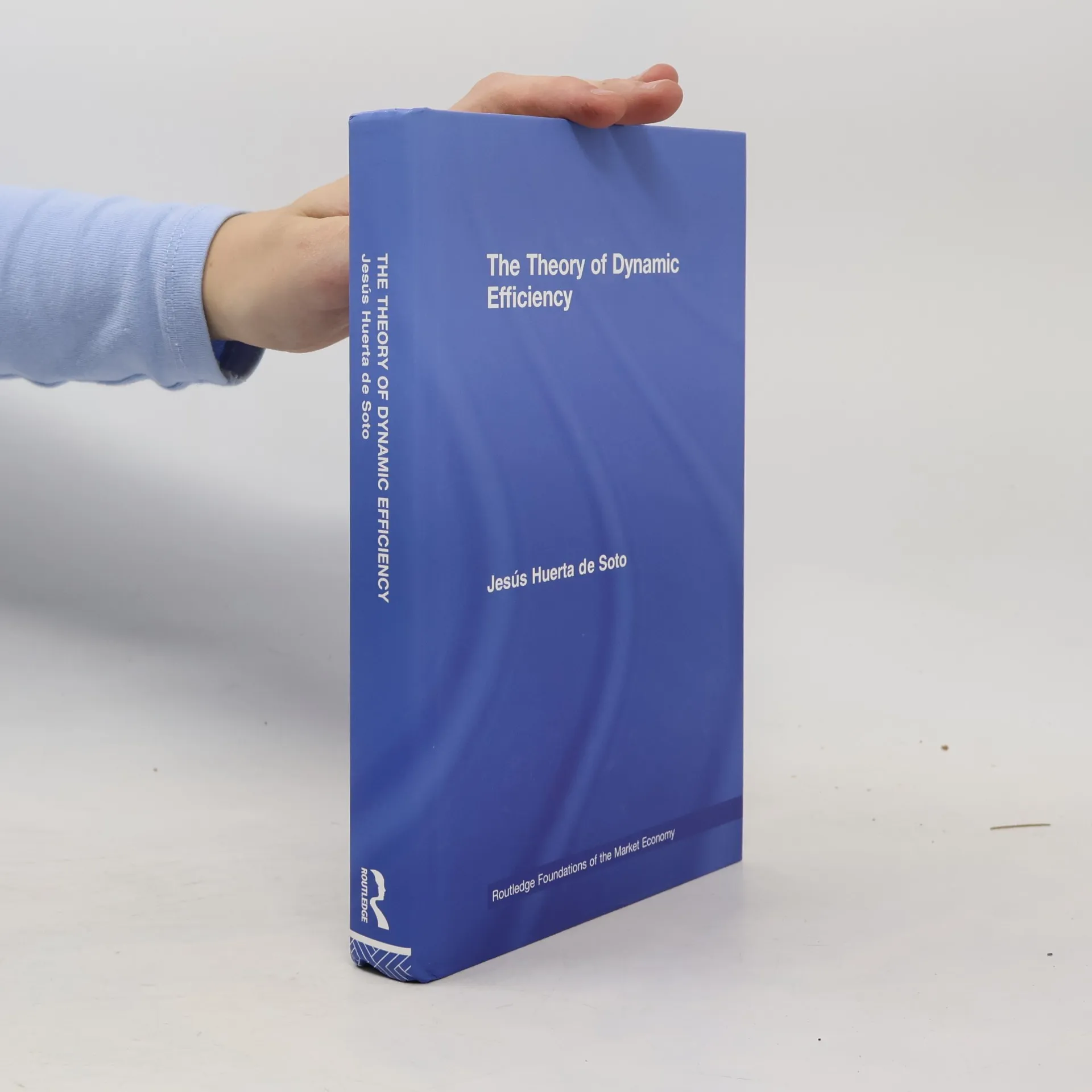
This book gathers a collection of English language essays by Jes�s Huerta de Soto over the past ten years, examining the dynamic processes of social cooperation which characterize the market, with particular emphasis on the role of both entrepreneurship and institutions. The author's multidisciplinary approach to the subject is in keeping with a trend in economic thought established by the Austrian school of economics; a discourse that had witnessed a significant revival over the last thirty years. Areas covered in this book include an introduction to the theory of dynamic efficiency as an alternative to the standard paretian criteria, an explanation of the differences between the Austrian and the neoclassical approach to economics, a generalized definition of socialism that allows the joint application of the analysis of interventionism, a dynamic Austrian approach to the analysis of free market environmentalism, nationalism, the reform of Social Security and the theory of banking and an evaluation of the role of Spanish Scholastics of the Sixteenth Century.
 4,0
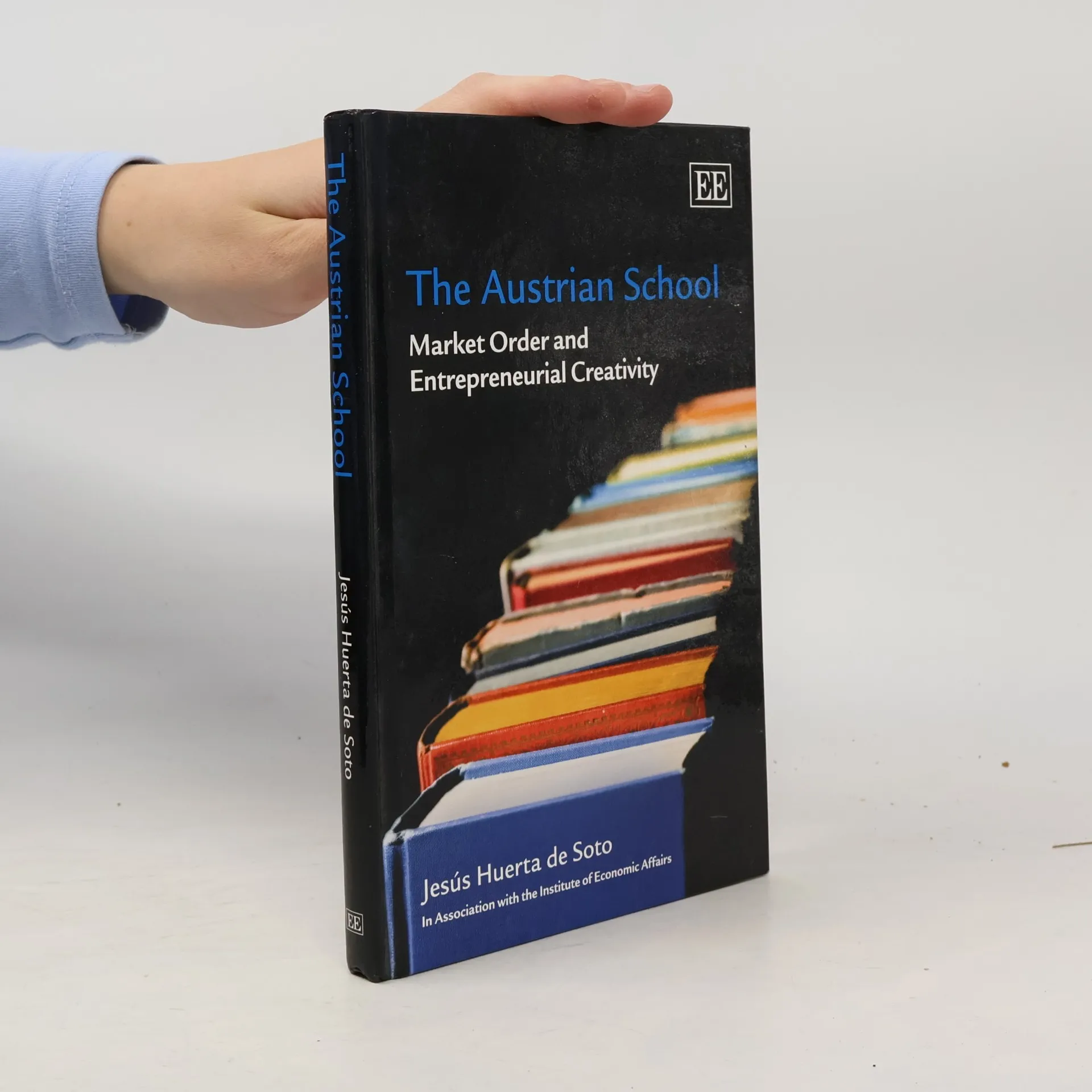
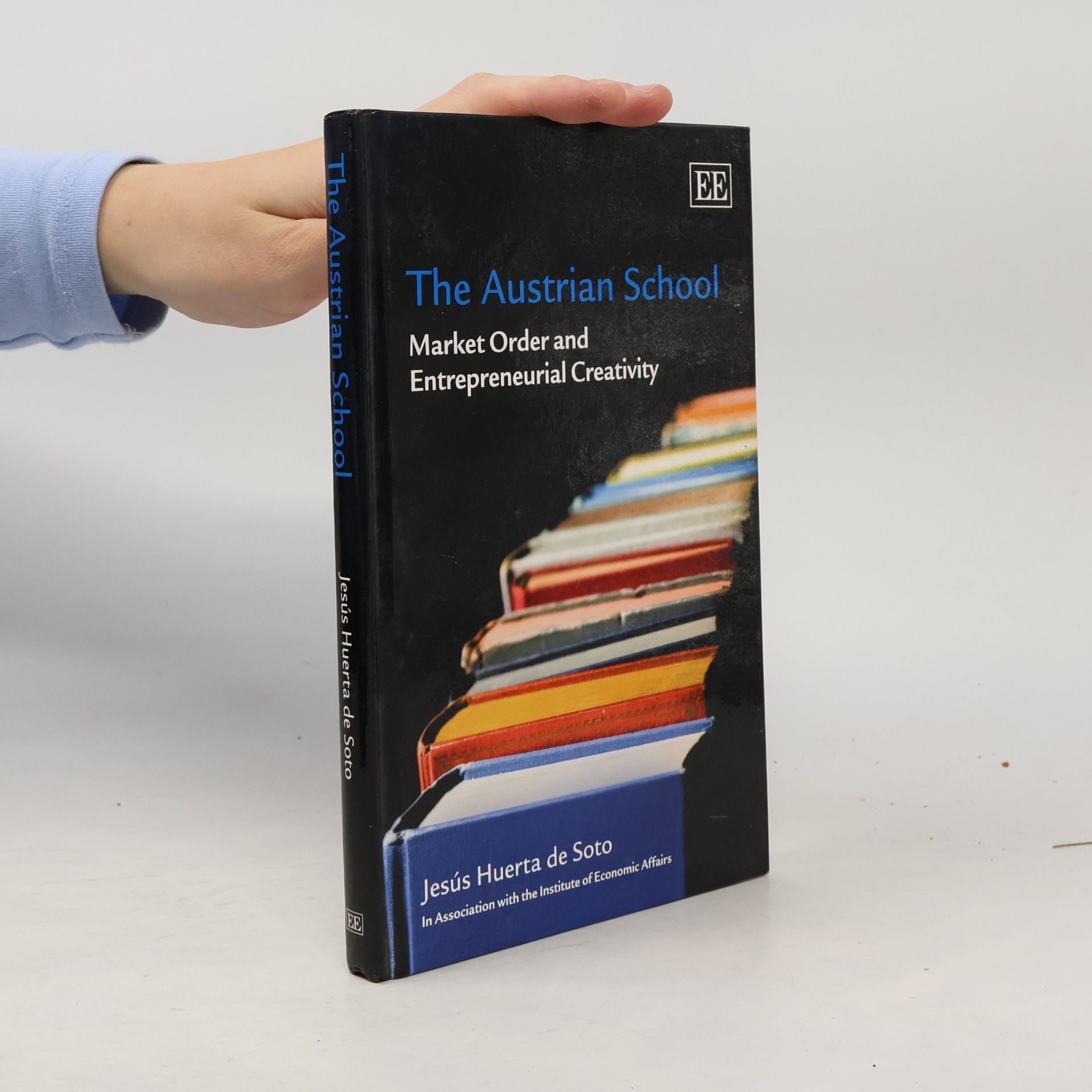
The Austrian School forms a concise but comprehensive exposition of the main tenets of the modern Austrian School of Economics while also providing a detailed explanation of the differences between the Austrian and the neoclassical (including the Chicago School) approaches to economics. The book also includes: - reviews of the contributions of the main Austrian economists, critical analysis of the major objections to Austrian economics and an evaluation of its likely future development - complete exposition on the concepts and implications of entrepreneurship and dynamic competition - a new concept of dynamic efficiency (as an alternative to the standard Paretian criterion) and a generalised definition of socialism (as a systematic aggression against entrepreneurship) - evaluation of the role of Spanish Scholastics of the 16th century as forerunners of the Austrian School, as well as the influence and contributions of the main Austrian Scholars of the 19th and 20th centuries. This book will most notably appeal to Austrian economists but also to other free market economists as well as researchers and academics of economic methodology, the history of economic thought, institutional economics and comparative economic systems.
 4,0