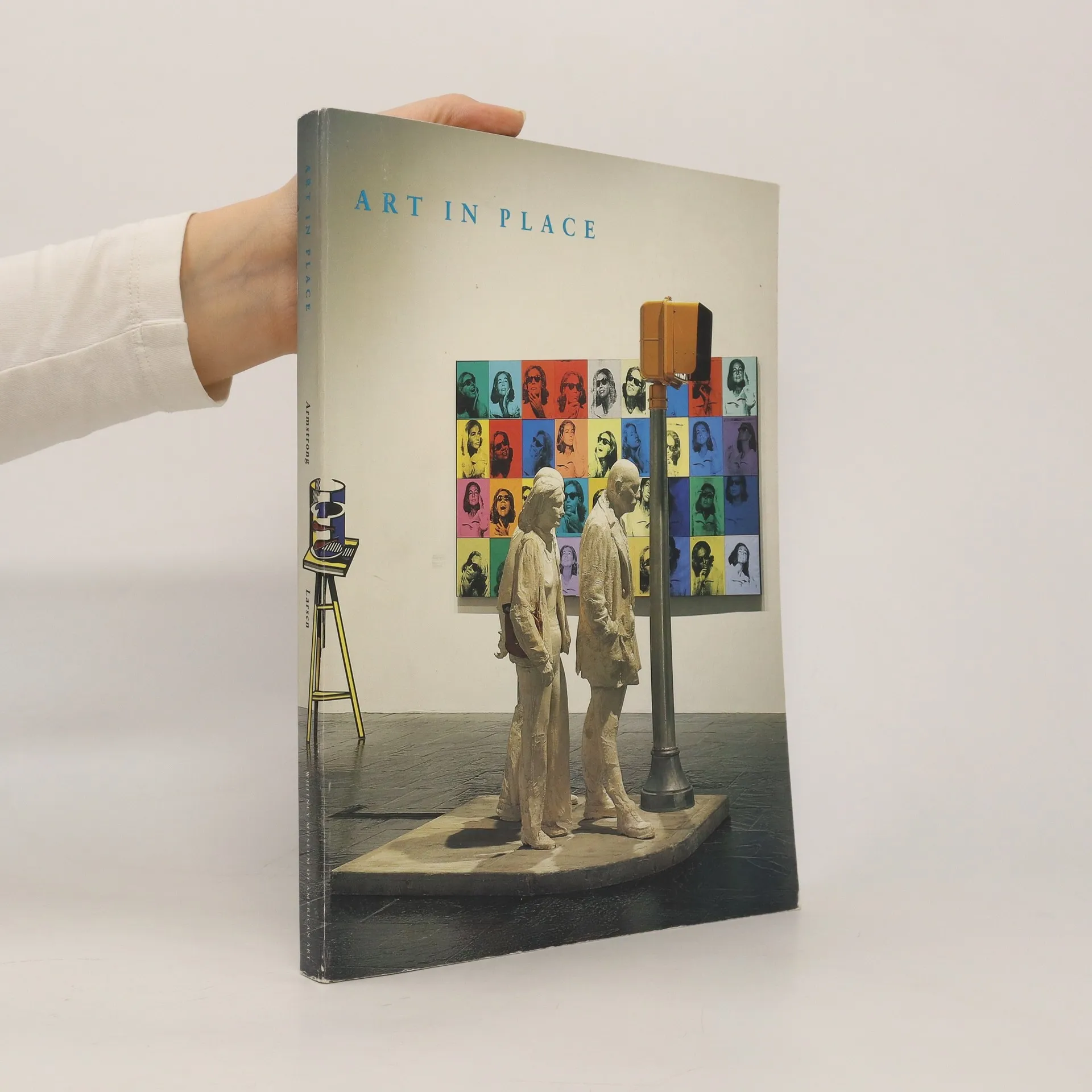
The Whitney Museum in New York stands out as a leading institution dedicated to 20th-century American art, highlighting significant works and artists that define this transformative period. It serves as a vital cultural hub, providing insight into the evolution of American artistic expression and its impact on the broader art world. The museum's collection and exhibitions reflect diverse styles and movements, making it an essential destination for art enthusiasts and scholars alike.
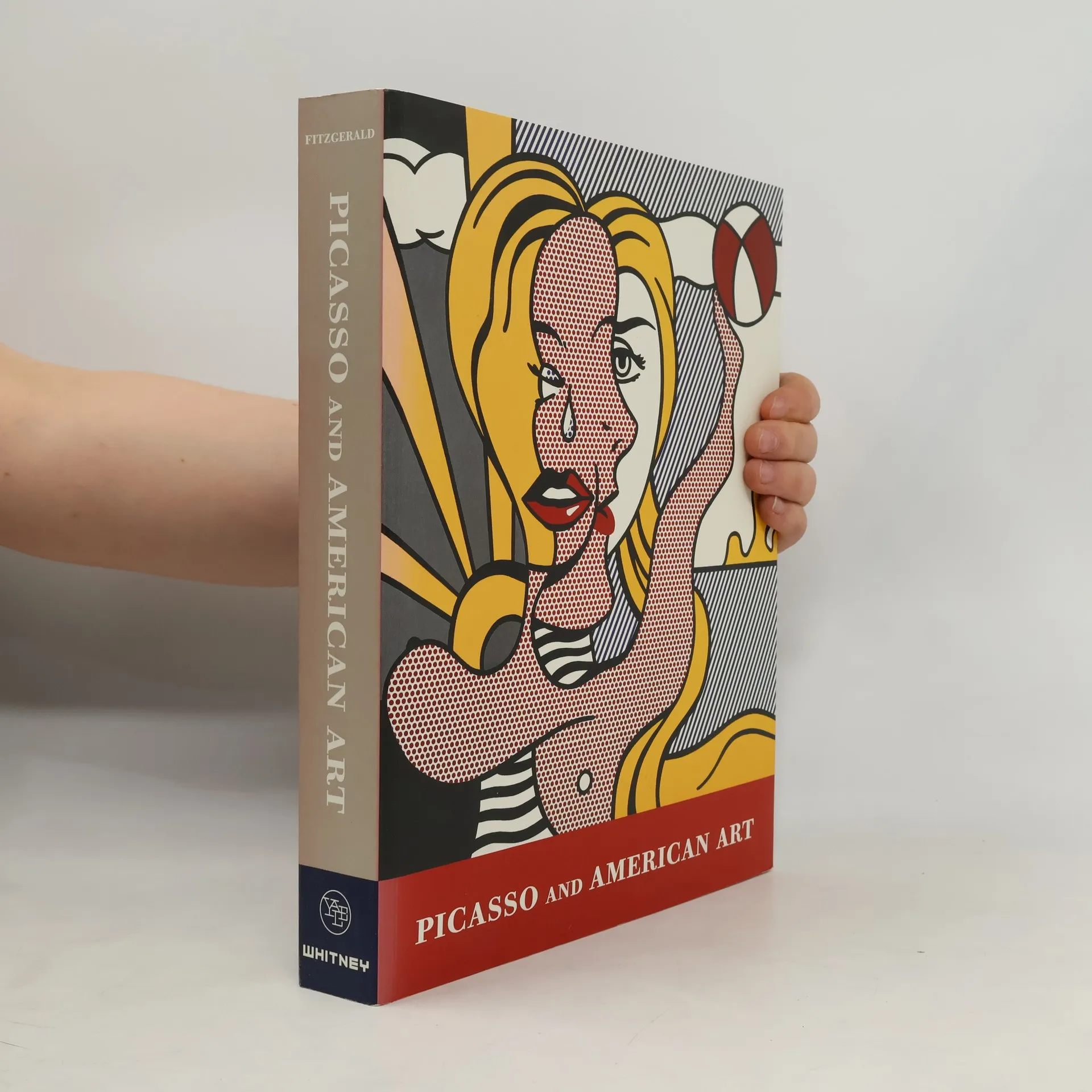
Many American artists throughout the 20th century designated Pablo Picasso as the central figure of the modern movement and defined their own artistic achievements through their absorption, critique, or rejection of his example. Picasso and American Art is a groundbreaking publication juxtaposing works by Picasso with the paintings, sculptures, and drawings created in response by an extremely diverse group of his contemporaries and successors, including Max Weber, Stuart Davis, Arshile Gorky, John Graham, Willem de Kooning, Jackson Pollock, David Smith, Roy Lichtenstein, and Jasper Johns. Based on extensive research, Michael FitzGerald's text provides valuable new information on the fundamental role that Picasso played in the development of modern American art--both through his friendships with individual artists and through the dissemination of his evolving work. This book also documents, for the first time, the accessibility of Picasso's work in the United States between 1911 and 1957 in exhibitions, collections, and publications through a comprehensive chronology. This unique book is essential for anyone interested in either Picasso or American art of the 20th century.
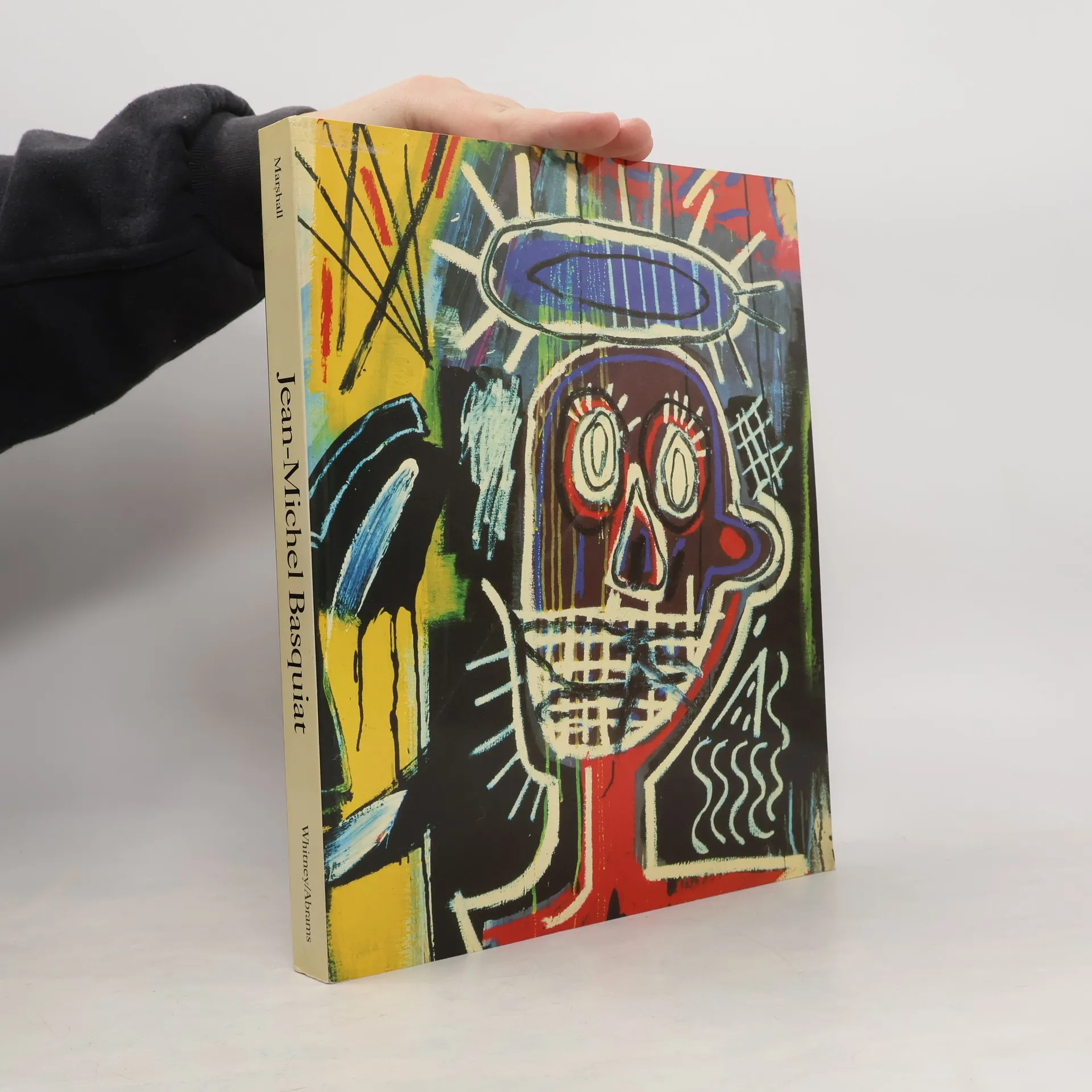
This is the first complete survey of the work of Jean-Michel Basquiat, a key member of a group of New York artists that included Keith Haring and Kenny Scharf, who used the powerful images of graffiti to create a new expressive language. Essays by Dick Hebdige, Klaus Kertess and others. 200 illustrations, including 160 colorplates.
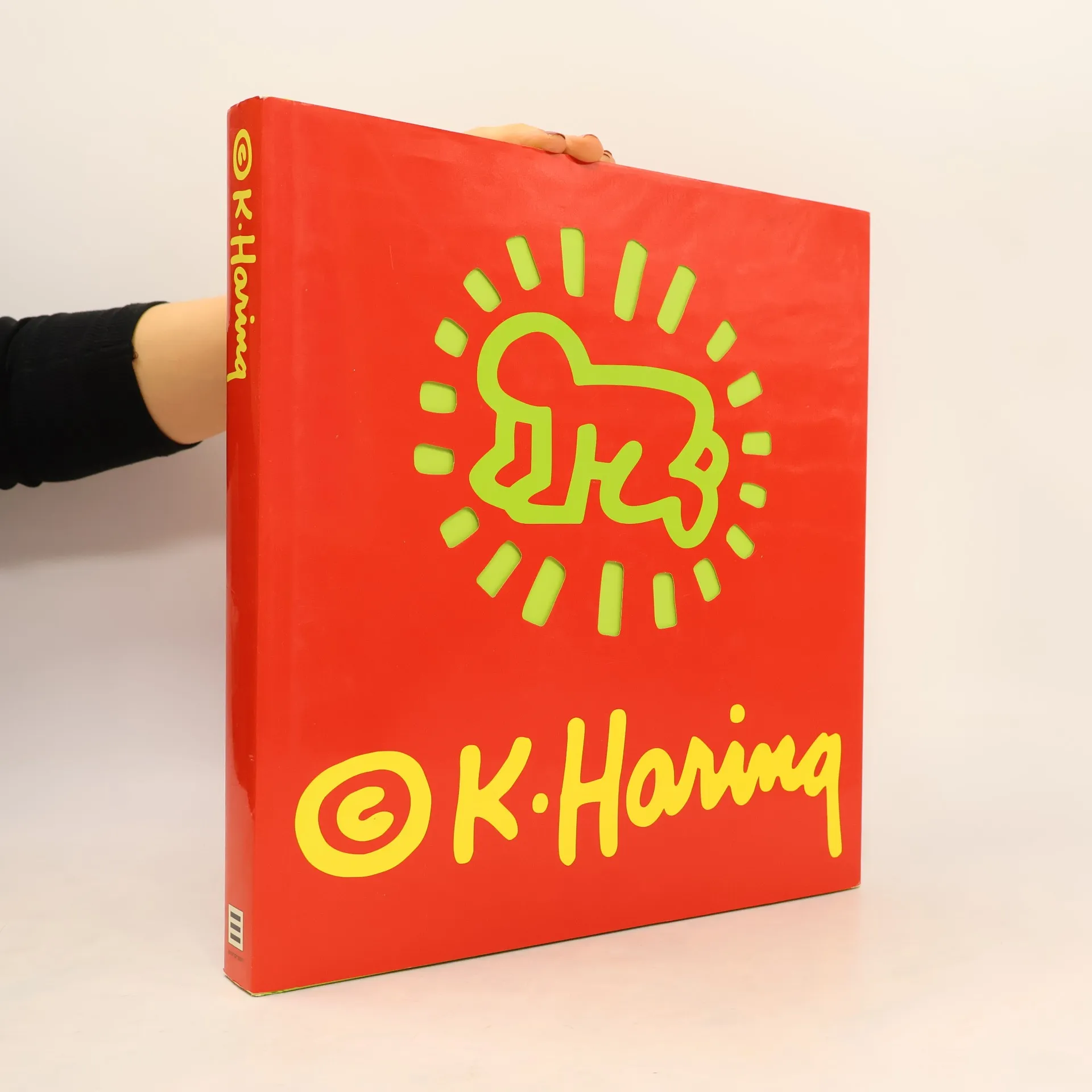
Der Pop Art Künstler Keith Haring (1958-1990) bemalte erst die Gänge der New Yorker Subway mit vielen lustigen Männchen, bevor ihm Anfang der 80er Jahre mit eben diesen Figuren der internationale künstlerische Durchbruch gelang. Strichmännchen, wie das "Baby" oder der "Hund" hüpfen, kugeln und tollen im lockeren, großzügigen Zeichenstil über die Leinwand. Seine Biographie in Verbindung mit einer kompletten Werkübersicht und vielen Fotos erscheint nun im Rahmen der "Kleinen Reihe Kunst" beim TASCHEN-Verlag.
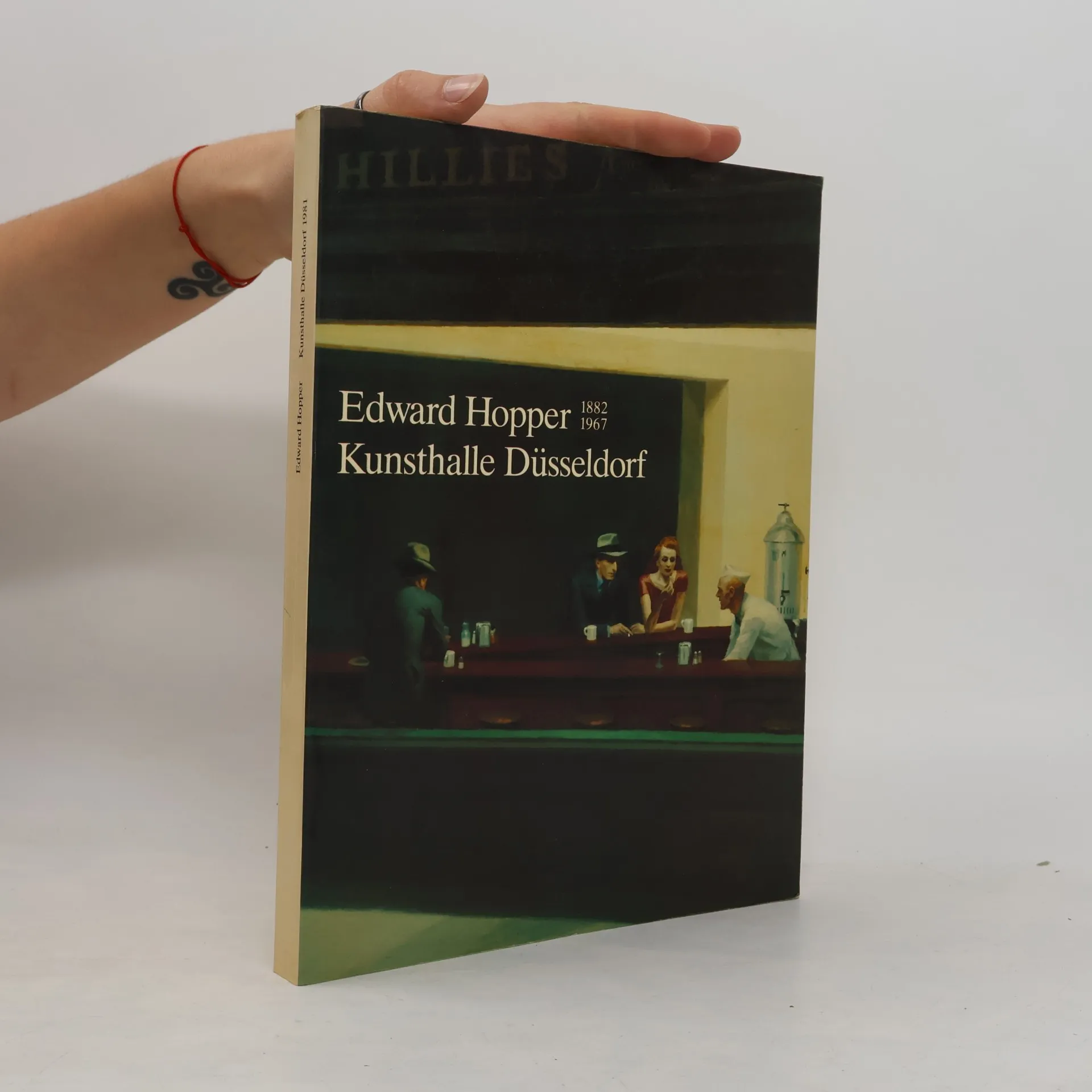
Edward Hoppers Leinwände sind gefüllt mit reduzierten Räumen und unbarmherzigem Licht, eindringlichen Landschaften und den einsamen Aspekten von Männern und Frauen, die scheinbar in ihrer Umgebung isoliert sind. Welche Art von Mensch hatte diese eindringliche Vision, und welches Leben hat diese Kunst hervorgebracht? Die Kunsthistorikerin Gail Levin, Autorin und Kuratorin bedeutender Studien und Ausstellungen zu Hoppers Werk, ist bestens qualifiziert, um diese Fragen zu beantworten. In dieser intimen Biografie enthüllt sie die wahre Natur und Persönlichkeit des Mannes selbst – und der Frau, die sein Leben teilte, der Künstlerin Josephine Nivison.
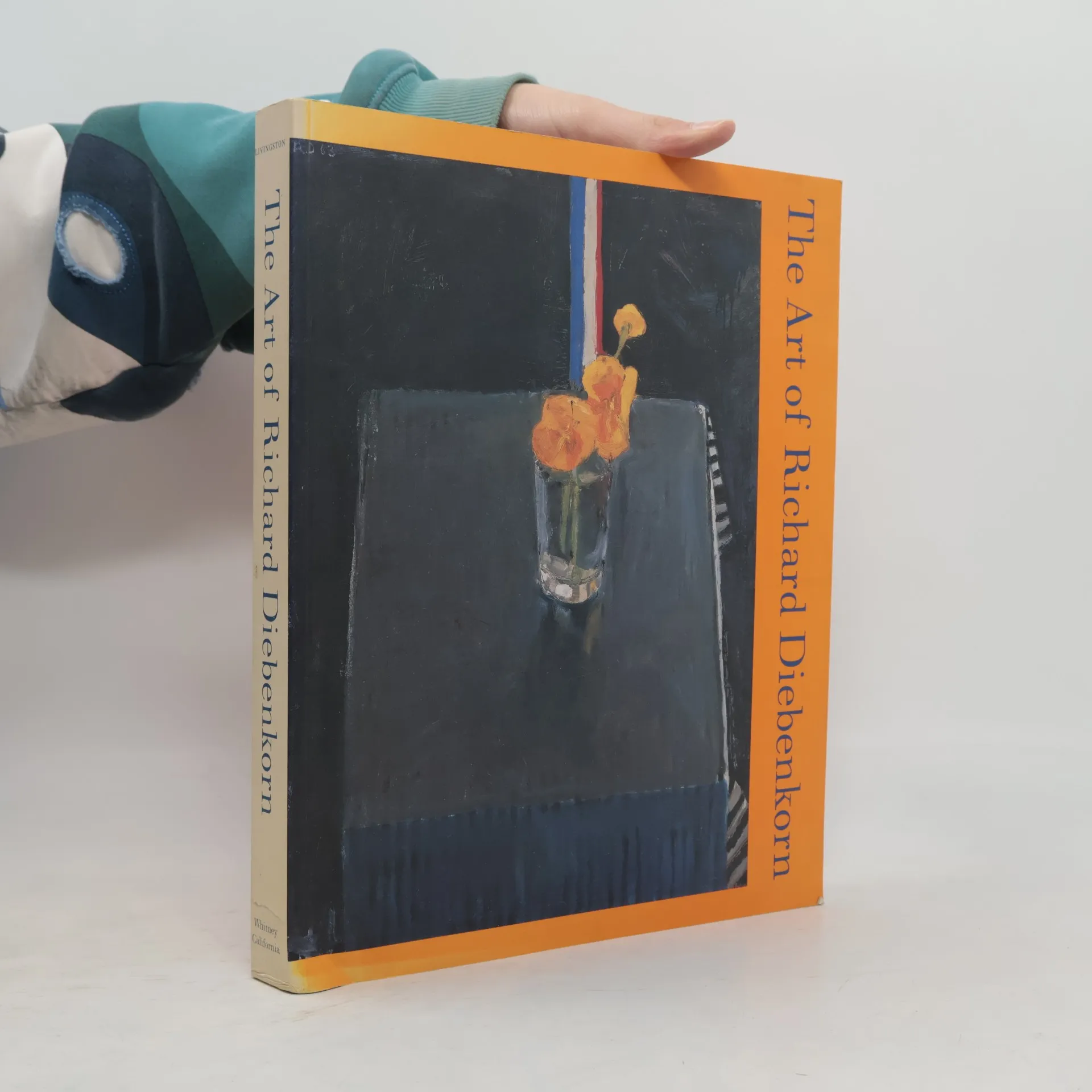
Recognized as a major figure in postwar American painting, Richard Diebenkorn (1922-1993) was an artist strongly identified with California but whose work is beloved throughout the United States and the rest of the world. This catalog is the most comprehensive volume on the artist now available.Jane Livingston's extensively researched biographical essay covers Diebenkorn's entire career and concentrates on the artist's inner life and purposes as revealed in his paintings. Ruth Fine deals primarily with the figurative aspect of Diebenkorn's work (1955-67), and John Elderfield concentrates on the Ocean Park period (1967-93). All three authors provide valuable insights based on their personal relationships with the artist and his widow, Phyllis. On both page and canvas, the reader can sense Diebenkorn's complexity and highly self-conscious working methods, as well as his formidable integrity.The Art of Richard Diebenkorn will give readers with an interest in all phases of modernism new thoughts about the relationship between abstraction and representation. Stunningly illustrated, with 192 full-color reproductions, this book is an exhilarating testament to a distinctive American artist.
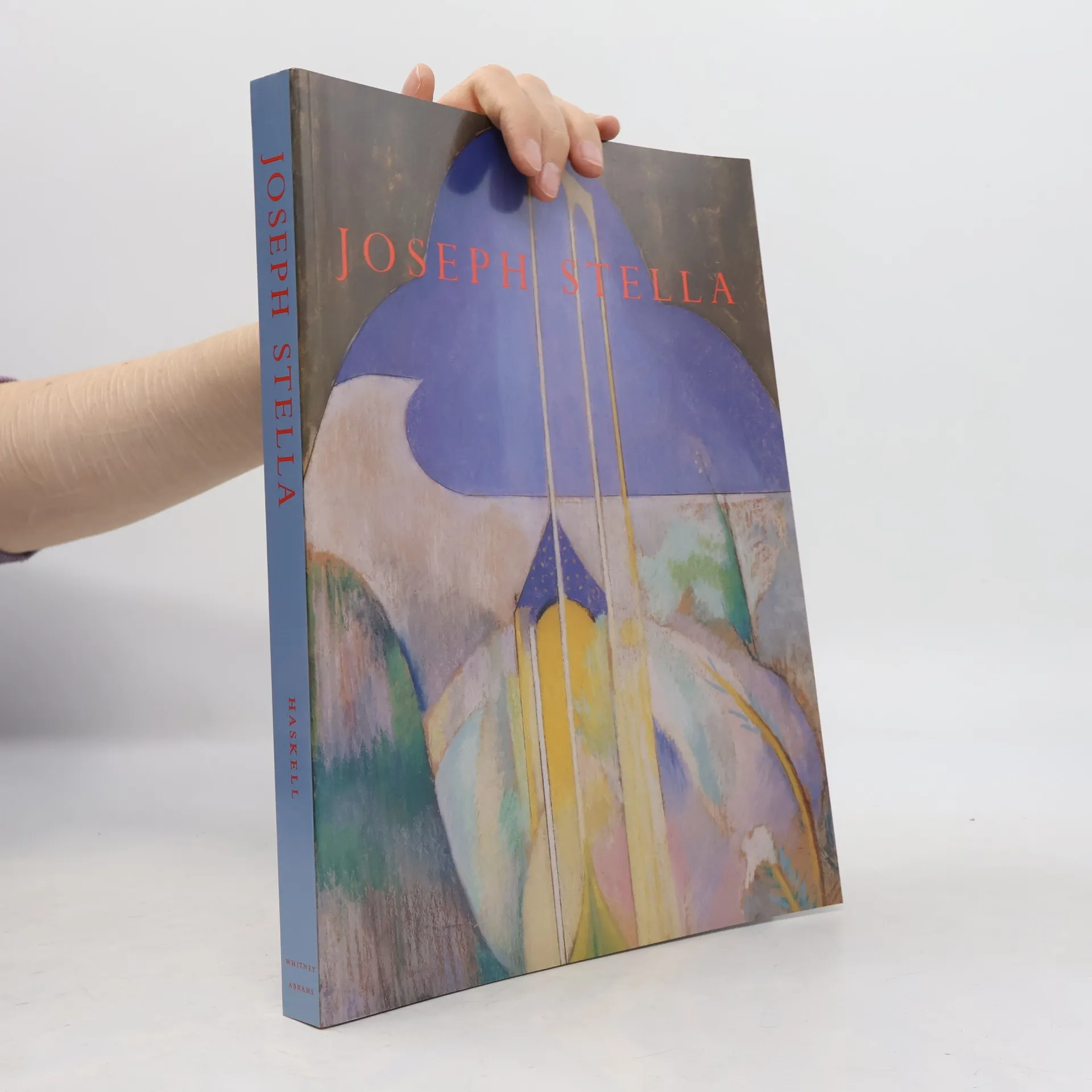
Joseph Stella (1877-1946) is best known for his Futurist-inspired paintings of New York, especially those of the Brooklyn Bridge, which remain symbols of the machine age in America. This book accompanies the first museum retrospective devoted to Stella in more than 30 years.
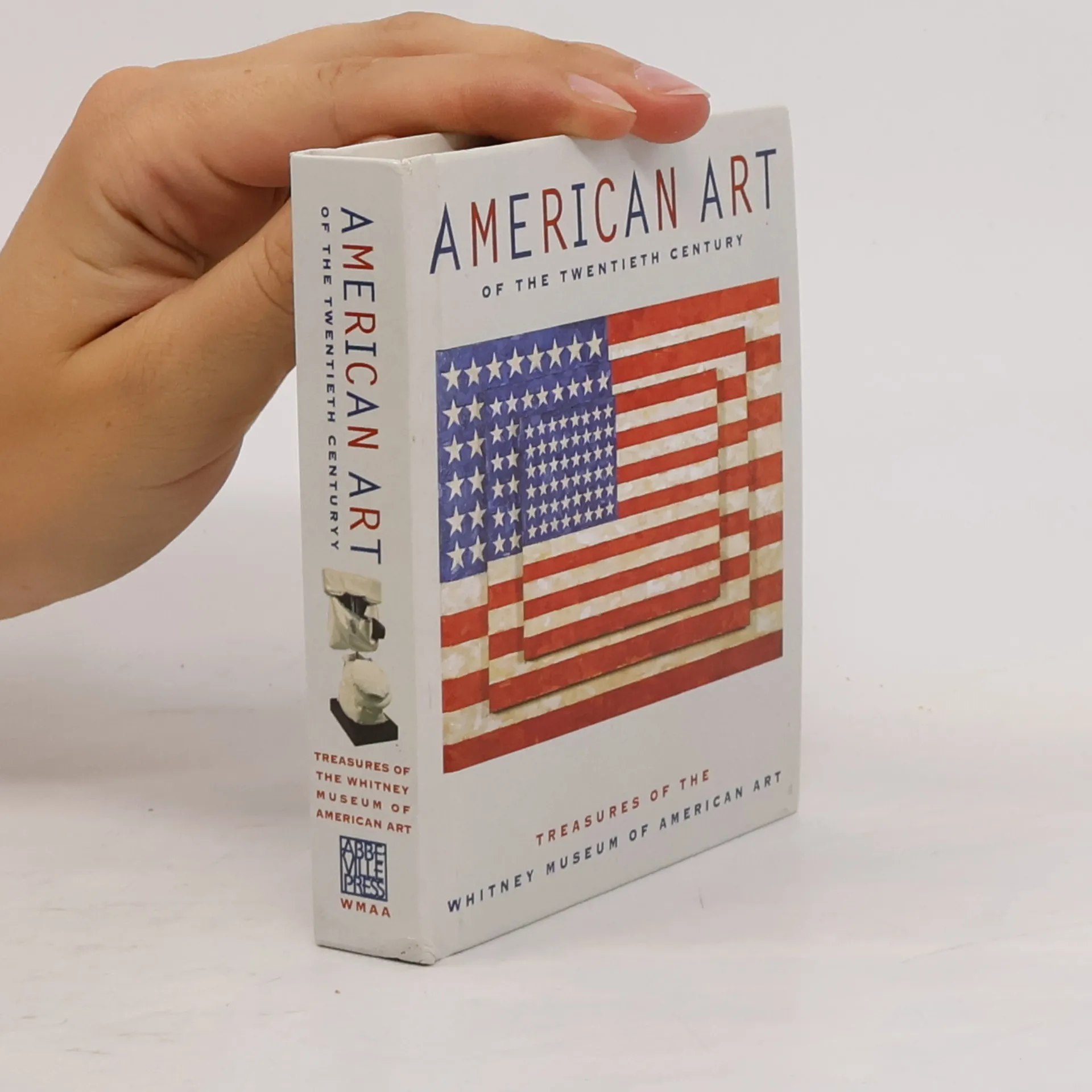
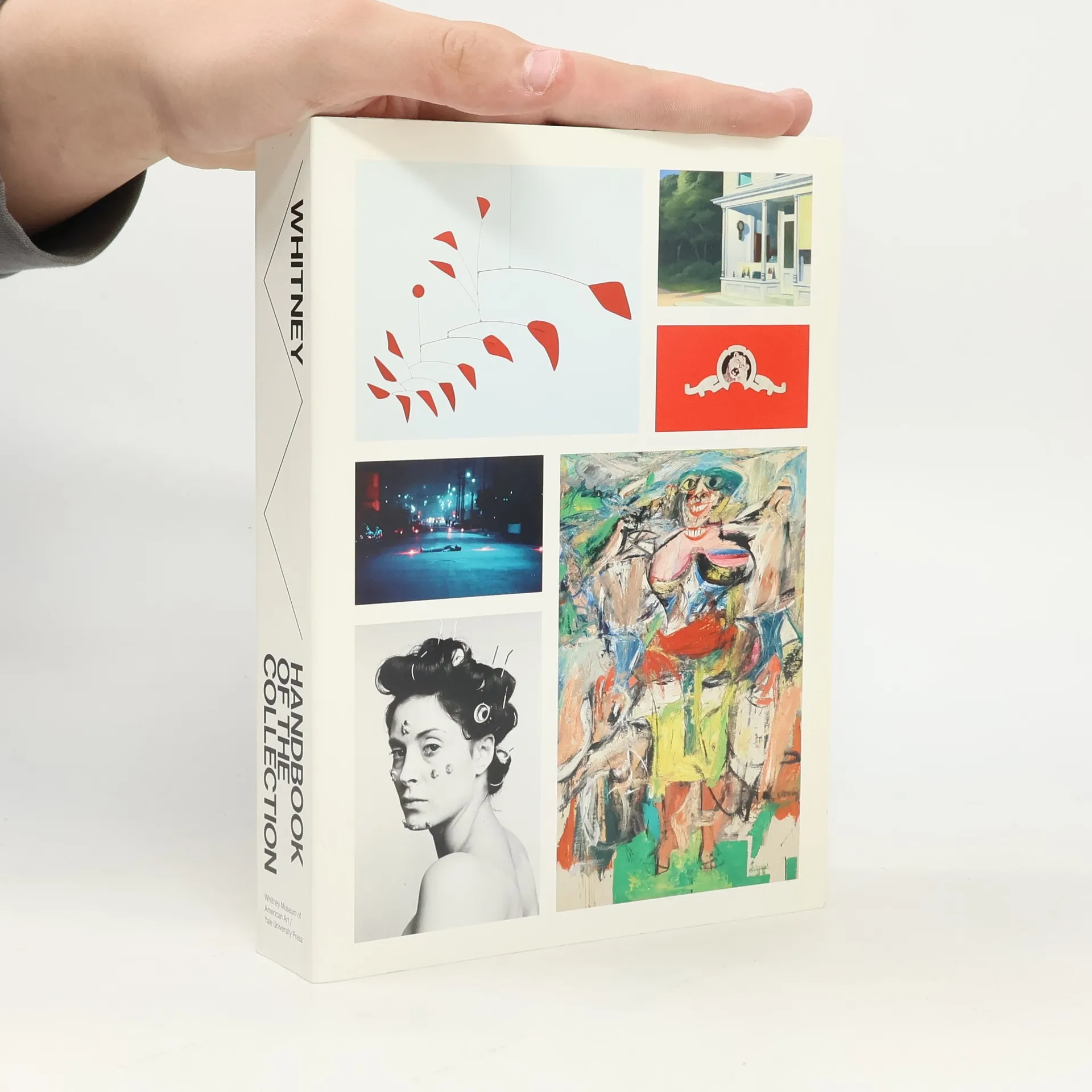
An exciting guide to, and celebration of, the Whitney Museum and its outstanding collection of American art This all-new handbook, a fresh look at the Whitney Museum of American Art's collection, highlights the museum's extraordinary holdings and its fascinating history. Featuring iconic pieces by artists such as Calder, Hopper, Johns, O'Keeffe, and Warhol--as well as numerous works by under-recognized individuals--this is not only a guide to the Whitney's collection, but also a remarkable primer on modern and contemporary American art. Beautifully illustrated with abundant new photography, the book pairs scholarly entries on 350 artists with images of some of their most significant works. The museum's history and the evolution of its collection, including the Whitney's important distinction as one of the few American museums founded by an artist, and the notion of "American" in relation to the collection, are covered in two short essays. Published to coincide with the Whitney's highly anticipated move to a new facility in downtown New York in the spring of 2015, this book celebrates the museum's storied past and vibrant present as it looks ahead to its future.