Gratis Versand in ganz Österreich
Bookbot

Pavel Florensky

    9. Jänner 1882 – 8. Dezember 1937
    Pavel Florensky
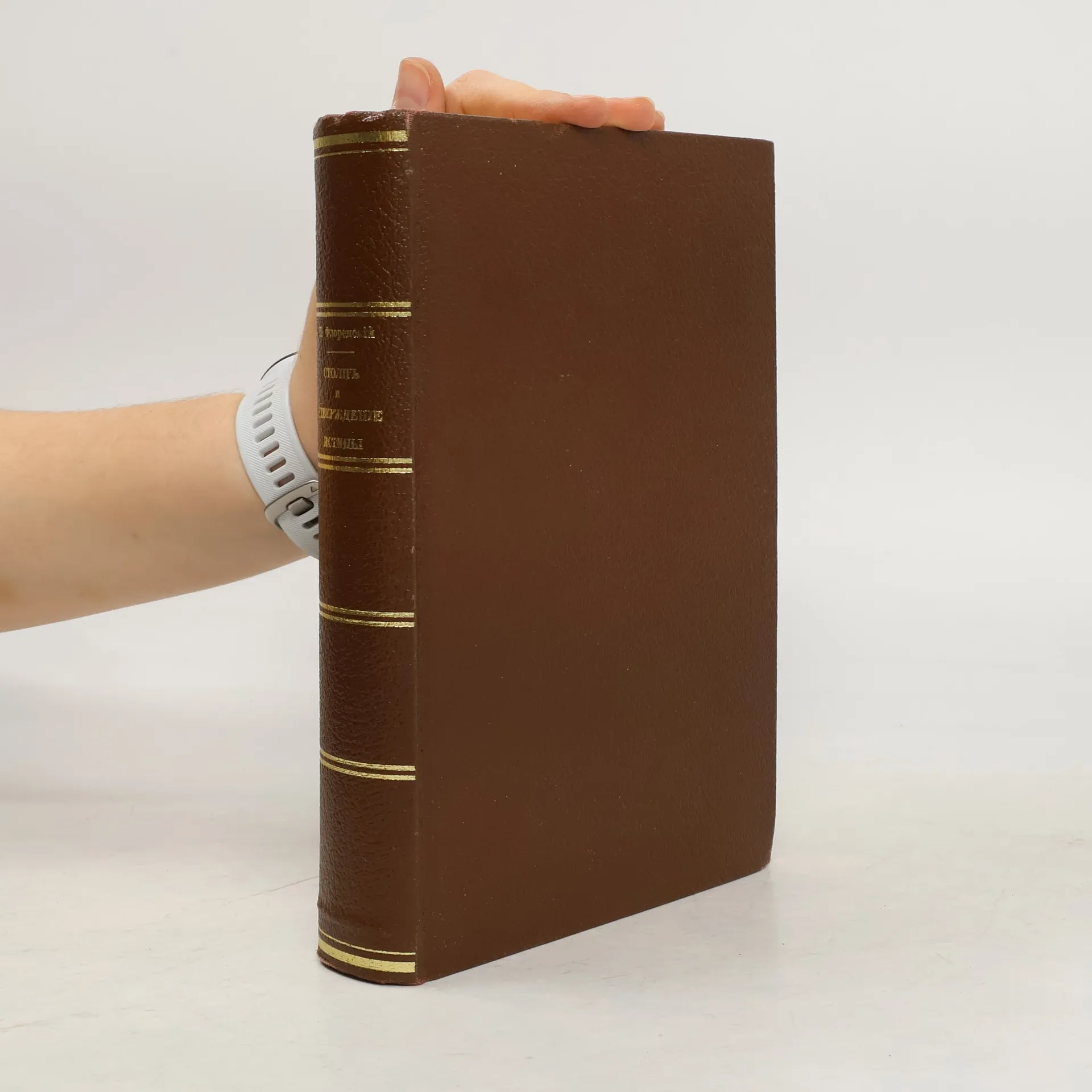
    Säule und Sockel der Wahrheit
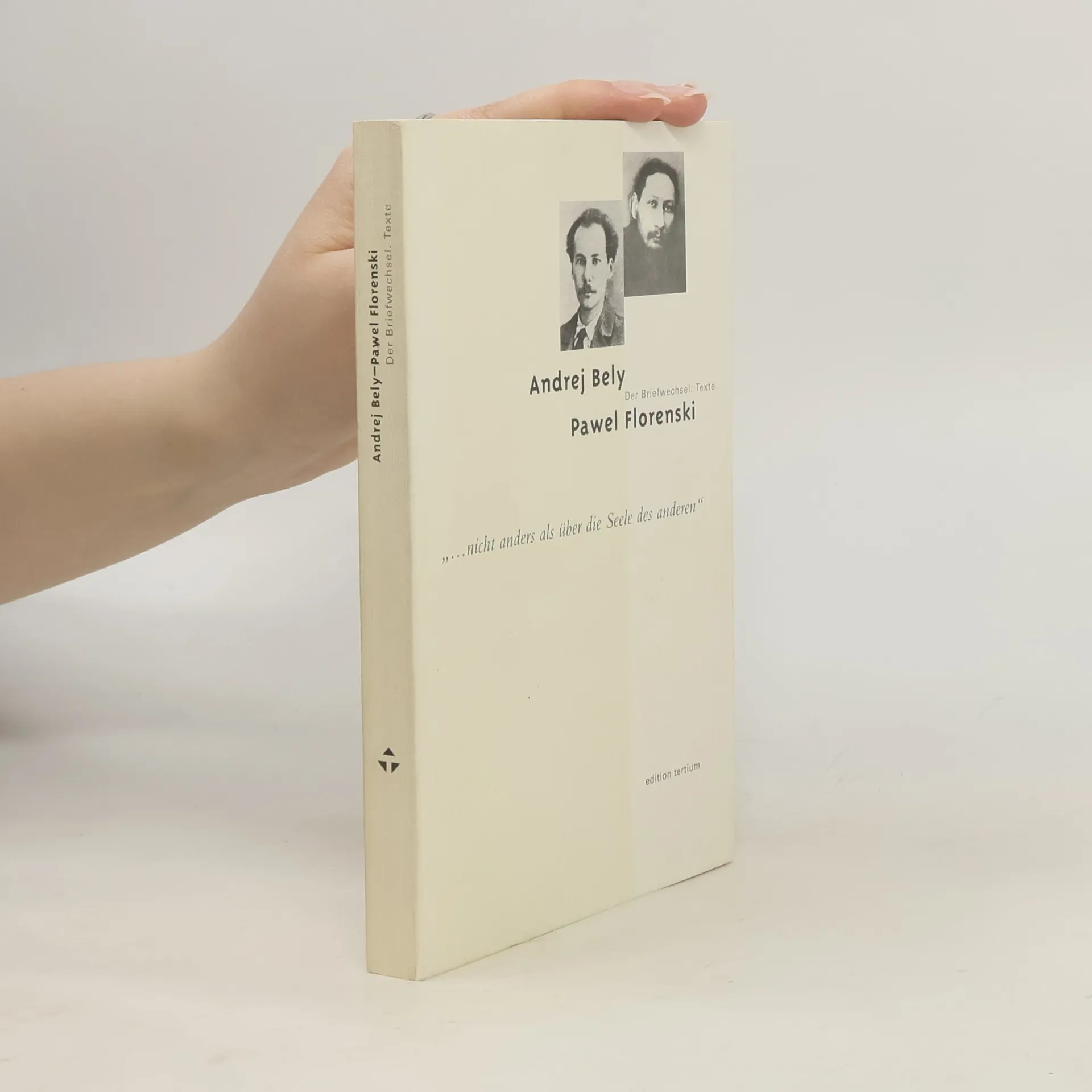
    Aktion 'Russland-Bücher'. Russland - Herzschlag einer Weltmacht, Konkrete Metaphysik, Briefwechsel zwischen zwei Zimmerwinkeln
    Namen
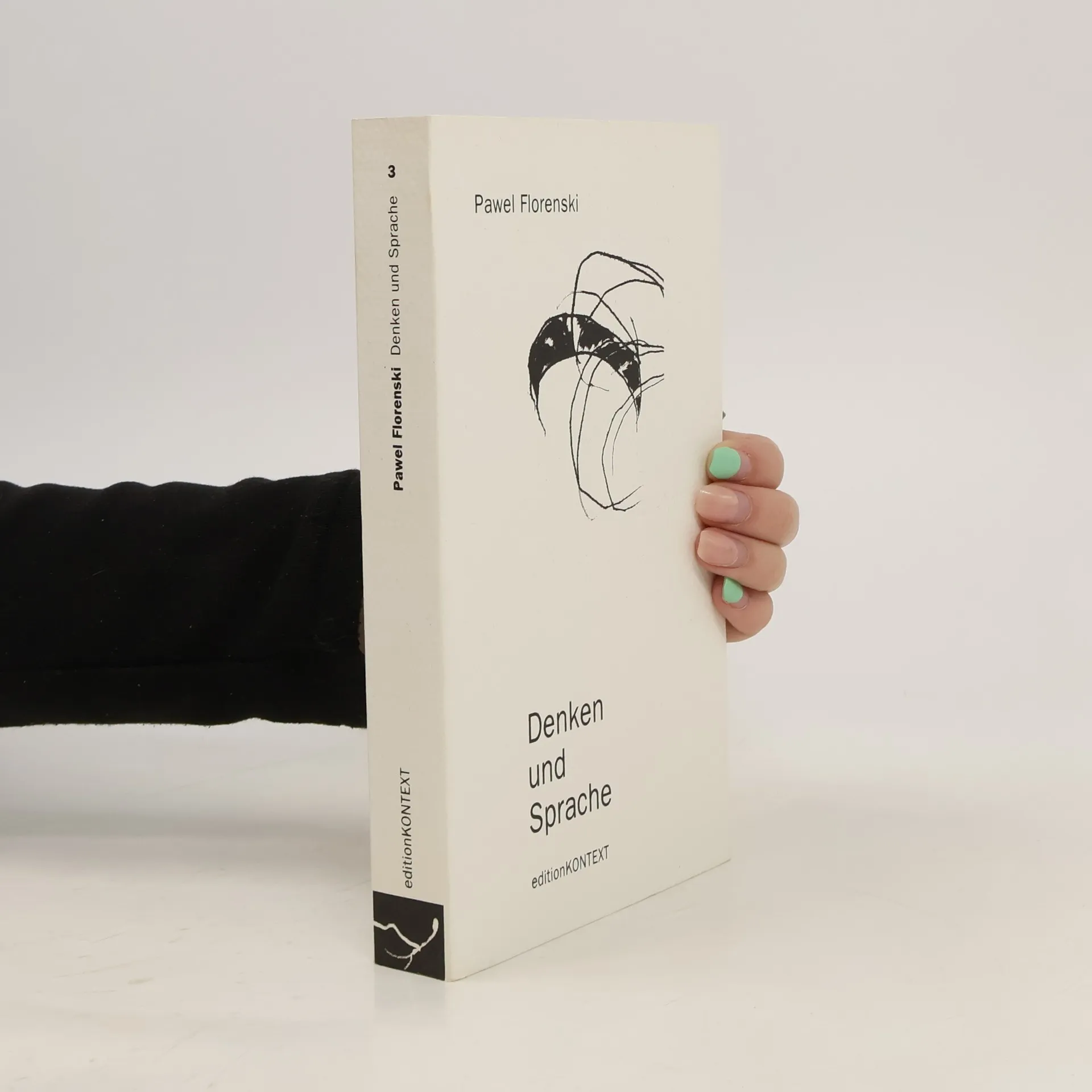
    Denken und Sprache
    Christentum und Kultur
    Eis und Algen
    • 2024

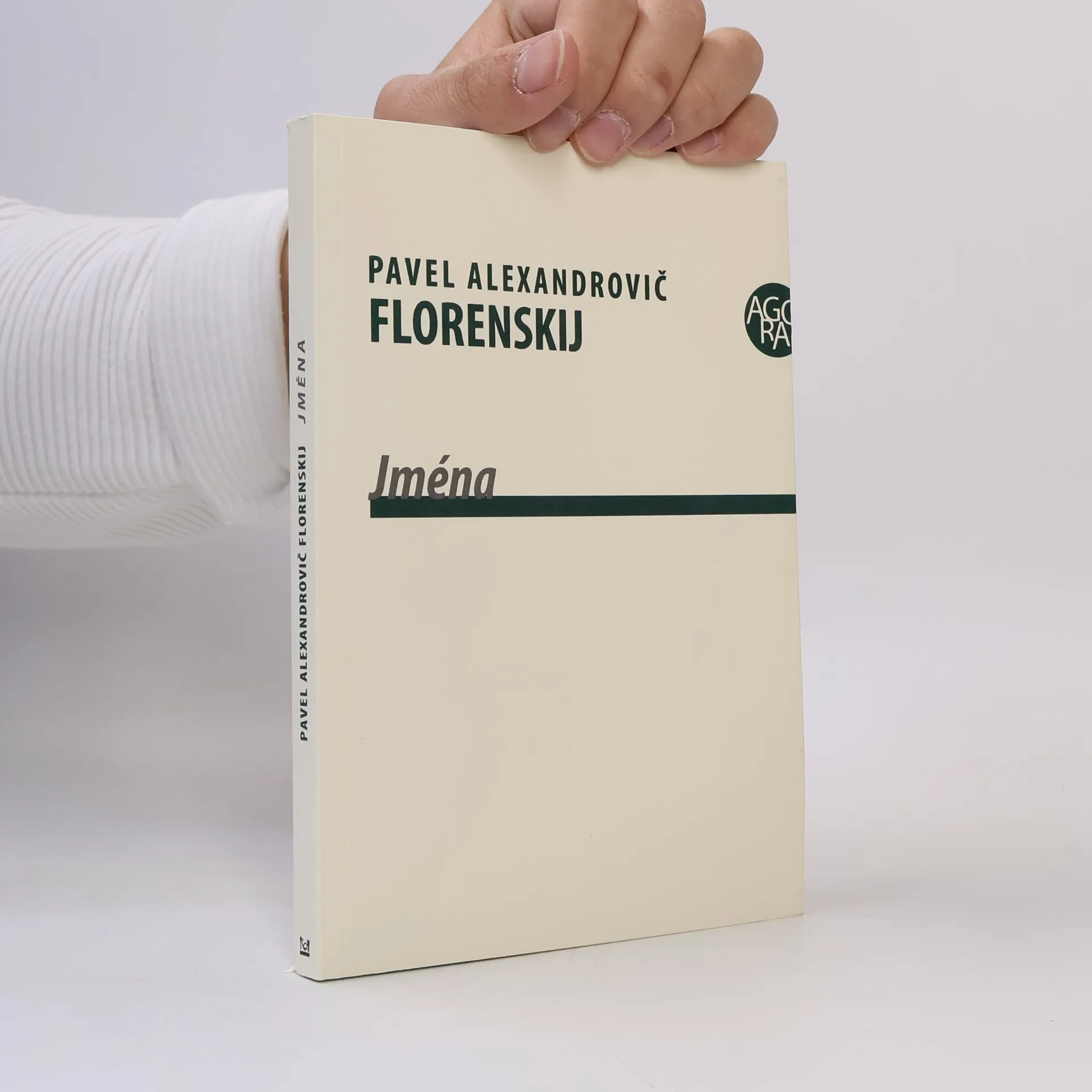
      Jména

      • 224 Seiten
      • 8 Lesestunden

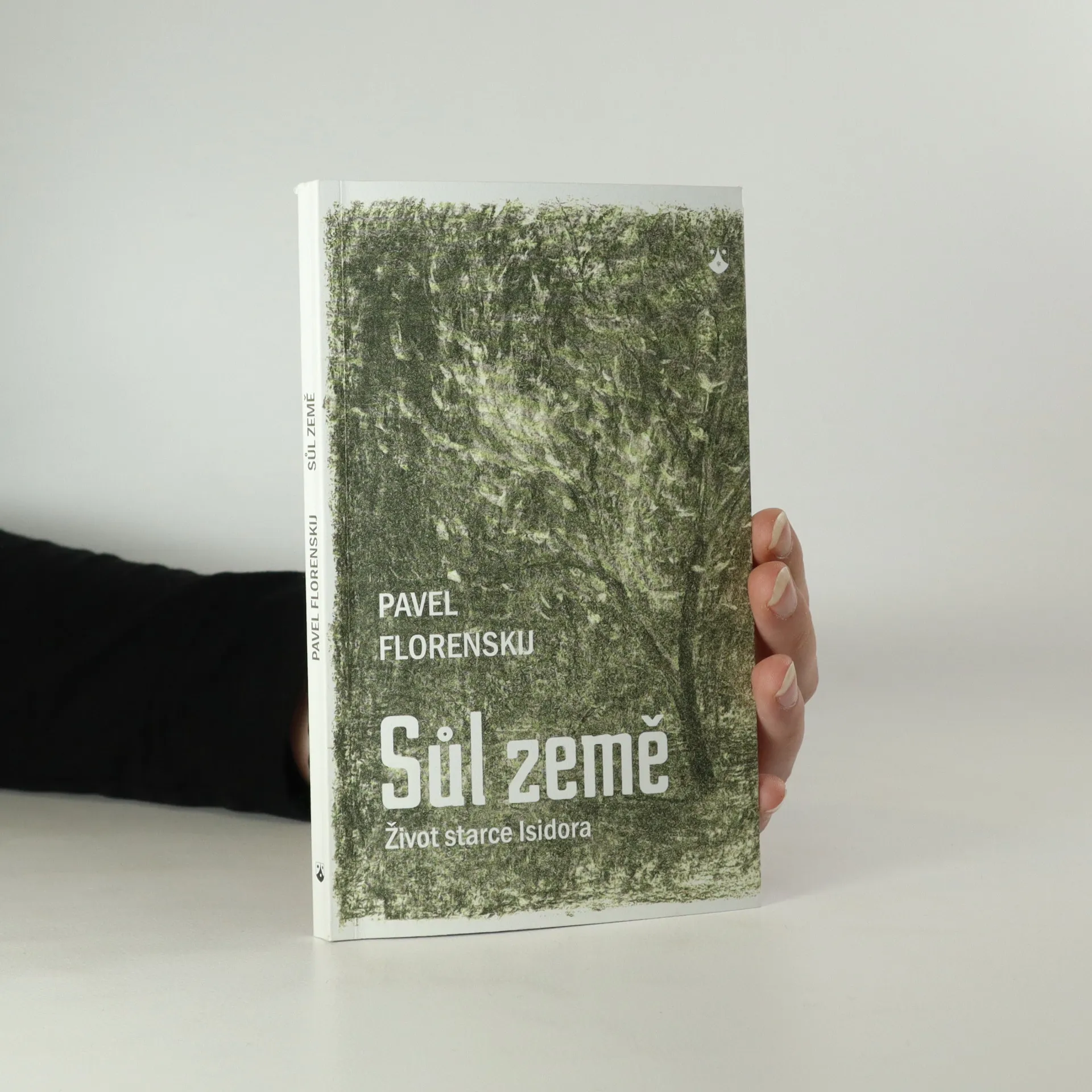
      Kniha Jména Pavla Florenského se stala od dob svého vydání významným fenoménem. Nejen do ruského filosoficko-teologického prostředí tento traktát přinesl mnoho nových impulzů: poukázal na fakt, že se kořeny různých směrů evropského filologického bádání (v tomto případě onomatologie) od konce 19. století překvapivě uchytily paralelně také v soudobém Rusku, že východoevropští badatelé do těchto diskusí vnášeli poměrně zajímavé akcenty, a že později – zhruba od 60. let 20. století – na těchto základech stavěla slavná ruská (resp. tartuská) sémiotická škola, která následně poměrně významně inspirovala západní filologii. Florenského myšlenky nepřestávají dodnes inspirovat, a to jak v oblasti filosofické či teologické, tak také filologické či sémiotické.

      Jména
    • 2021

      Säule und Sockel der Wahrheit

      Versuch einer orthodoxen Theodizee in zwölf Briefen

      • 670 Seiten
      • 24 Lesestunden

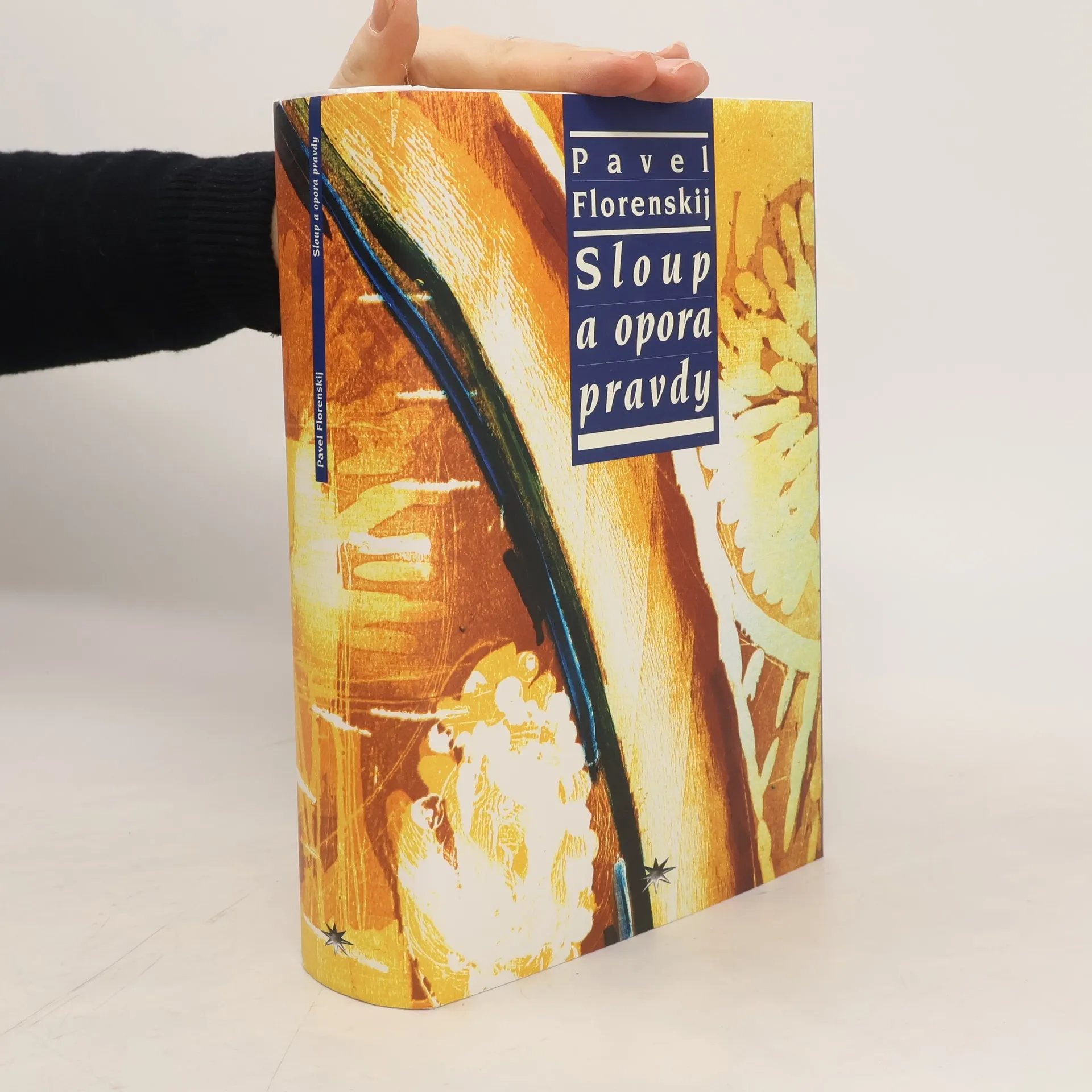
      Florenskijs philosophisches und theologisches Hauptwerk (Moskau 1914) wird hier zum ersten Mal in einer vollständigen deutschen Übersetzung vorgelegt. Das Werk ist eine breit angelegte (mit philosophischen, theologischen und mathematisch-naturwissenschaftlichen Überlegungen) Einführung in die orthodoxe religiöse und asketische Erfahrung. So entfaltet F. eine "Metaphysik der Liebe" (R. Slesinski), die sich aus antiken (Platon, die Kirchenväter) wie neuzeitlichen (Kant, Goethe, Schelling, Solovjov u.a.) Autoren speist.

      Säule und Sockel der Wahrheit
    • 2021

      Imaginaries in Geometry

      • 114 Seiten
      • 4 Lesestunden
      4,3(4)Abgeben

      This is the first complete English translation of Pavel Florensky’s original and ambitious attempt to arrive at a geometric representation of imaginary numbers, in a context that had already captured the attention of other mathematicians, including Gauss, Argan, Cauchy and Bellavitis. Florensky did not limit his attempt solely to complex projective geometry, but extended it to encompass Ptolemaic-Dantean cosmology and Einstein’s Principle of Relativity, as well as a new epistemological theory. The resulting treatise combines various disciplines and explores the relationship between an immanent realm of knowledge and a transcendent one.

      Imaginaries in Geometry
    • 2020

      The Meaning of Idealism

      The Metaphysics of Genus and Countenance

      • 108 Seiten
      • 4 Lesestunden
      4,4(14)Abgeben

      Exploring the evolution of idealism, this book traces its roots from ancient philosophers like Plato and Aristotle through Neoplatonism and Medieval thought. It delves into Orthodox spirituality and Vedic mysticism, connecting these traditions to astrology and ultimately to modern scientific concepts such as relativity and the multidimensional universe. This journey highlights the interplay between philosophical ideas and scientific advancements, offering a comprehensive view of idealism's impact across various disciplines.

      The Meaning of Idealism
    • 2017

      Eight important early writings by twentieth-century Russian Orthodox theologian Pavel Florensky-Most of them presented in English translation for the first time. Splendidly interweaving religious, scientific, and literary themes, these essays showcase the diversity of Florensky's broad learning and interests and include his reflections on the sacraments, Russian monastic culture, and other topics. The volume concludes with "The Salt of the Earth," arguably Florensky's most spiritually moving work. Book jacket.

      Early Religious Writings, 1903-1909
    • 2012
    • 2006

      Auswahl aus dem Inhalt: Natur: Feuer, Wasser, Luft, Erde – Stoff: Gewürze, Jod, Vogelmiere – Form: Elastizität des Geraden, Eis, Oberfläche, Formlosigkeit, Begrenztheit – Das Ganze: Waldgeist, Das Kleine und das Grosse, Einheit des Vielfältigen, Orpheus, Genialität, Schönheit – Makrokosmos–Mikrokosmos: Der grosse Mensch, Wirtschaft, Treue zur Erde – Symbol: Urphänomen, Punkt, Sophia – Erfahrung: Rettung, Priesterweihe, Kreuz, Sonnentod, Engel im Fleisch – Kult und Kultur: Wasser des Lebens, Affekte, Ikonen, Homo liturgus, Sternenschrift, Entropie–Ektropie – Raum und Zeit: Geste, Umgekehrte Perspektive, Querschnitt, Vierte Dimension, Gesetz des Geschlechts – Denken: Tabu, Geheimnis, Wege und Mittelpunkte – Sprache: Dialektik, Antinomie, Magie des Wortes – Namen: Typen personalen Seins, Musikalische Form, Name Gottes – Anhang.

      Konkrete Metaphysik
    • 2004

      The Pillar and Ground of the Truth

      An Essay in Orthodox Theodicy in Twelve Letters

      • 620 Seiten
      • 22 Lesestunden
      4,5(58)Abgeben

      Pavel Florensky, a prominent Russian theologian and polymath, is celebrated for his deep engagement with cultural, artistic, and scientific advancements. After becoming an Orthodox priest in 1911, he faced Soviet arrest in 1928 but resumed his scholarly pursuits until his 1933 sentencing to ten years in Siberia. Even in captivity, he continued his scientific work and provided spiritual support to fellow inmates. This volume presents the first English translation of his compelling defense of Russian Orthodox theology, showcasing his intellectual legacy.

      The Pillar and Ground of the Truth