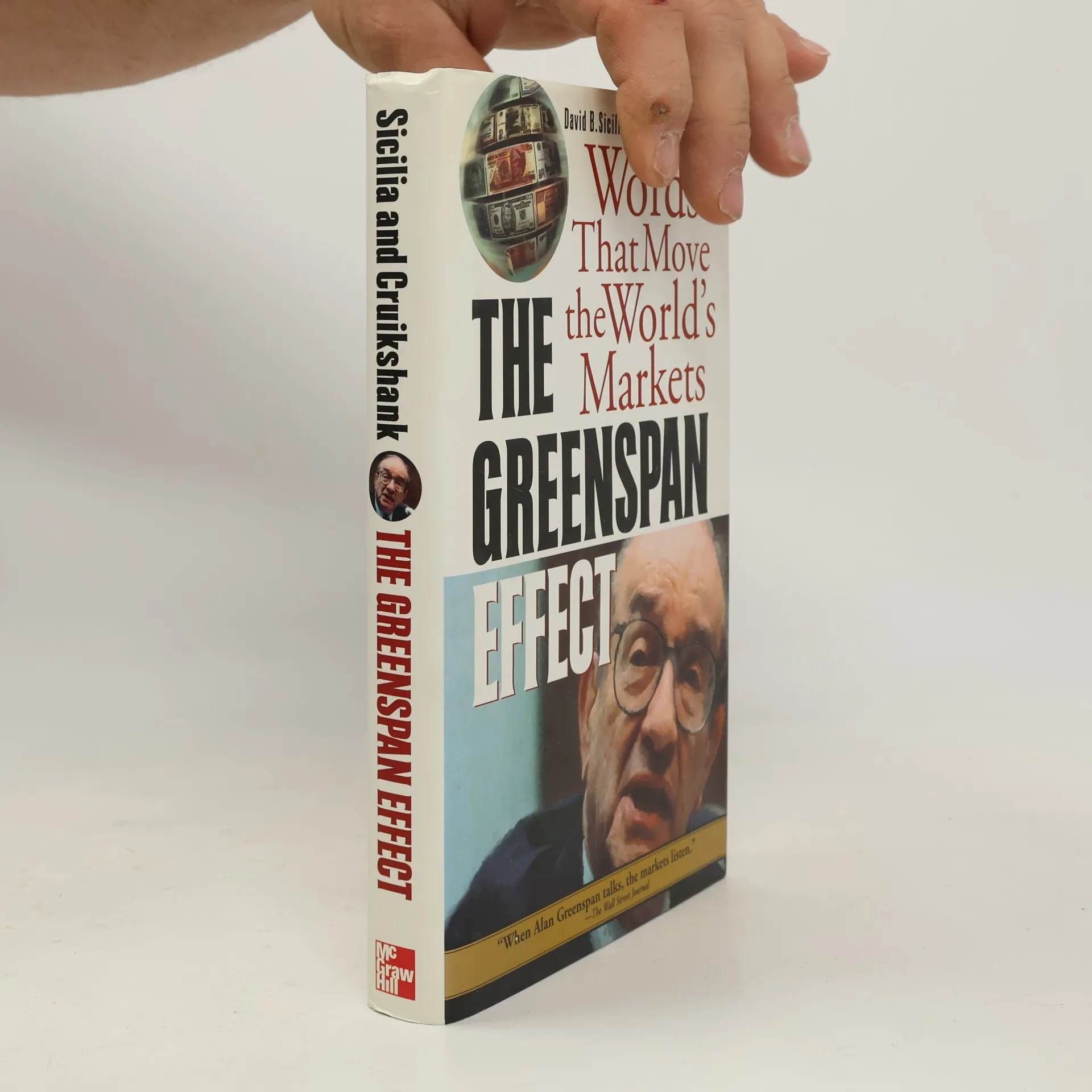
Das Buch bietet spannende Einblicke in das Denken von Alan Greenspan und ist für alle von Interesse, die sich mit den Finanzmärkten beschäftigen. Es wird als Pflichtlektüre für Anleger empfohlen, da es aufzeigt, wie Greenspan auf Marktkrisen reagiert und die Macht der Federal Reserve beleuchtet.
A History Of Entrepreneurship At Harvard Business School
371 Seiten
13 Lesestunden
In Shaping the Waves, Jeffrey L. Cruikshank recounts the evolution of entrepreneurship at Harvard Business School and among its graduates-a journey going back more than fifty years and involving many of the most influential business players of the second half of the twentieth century. Detailing dozens of stories of remarkable entrepreneurial ventures and the individuals behind them, Cruikshank describes the unique and powerful network that exists among HBS alumni-an active connection that bridges generations, fields of interest, and wide geographic boundaries. Through these stories, the book illuminates the growth of entrepreneurship at HBS from sideline elective to influential management program, the waves of change leveraged by opportunistic alumni, the classic attributes of entrepreneurial success, and the many facets of the entrepreneurial process, from raising and deploying capital to managing and developing a business. Offering a unique lens on an institution that has sown the seeds of entrepreneurship for decades, Shaping the Waves is a powerful testament to the many who have spotted, shaped, and harnessed change to improve our world.
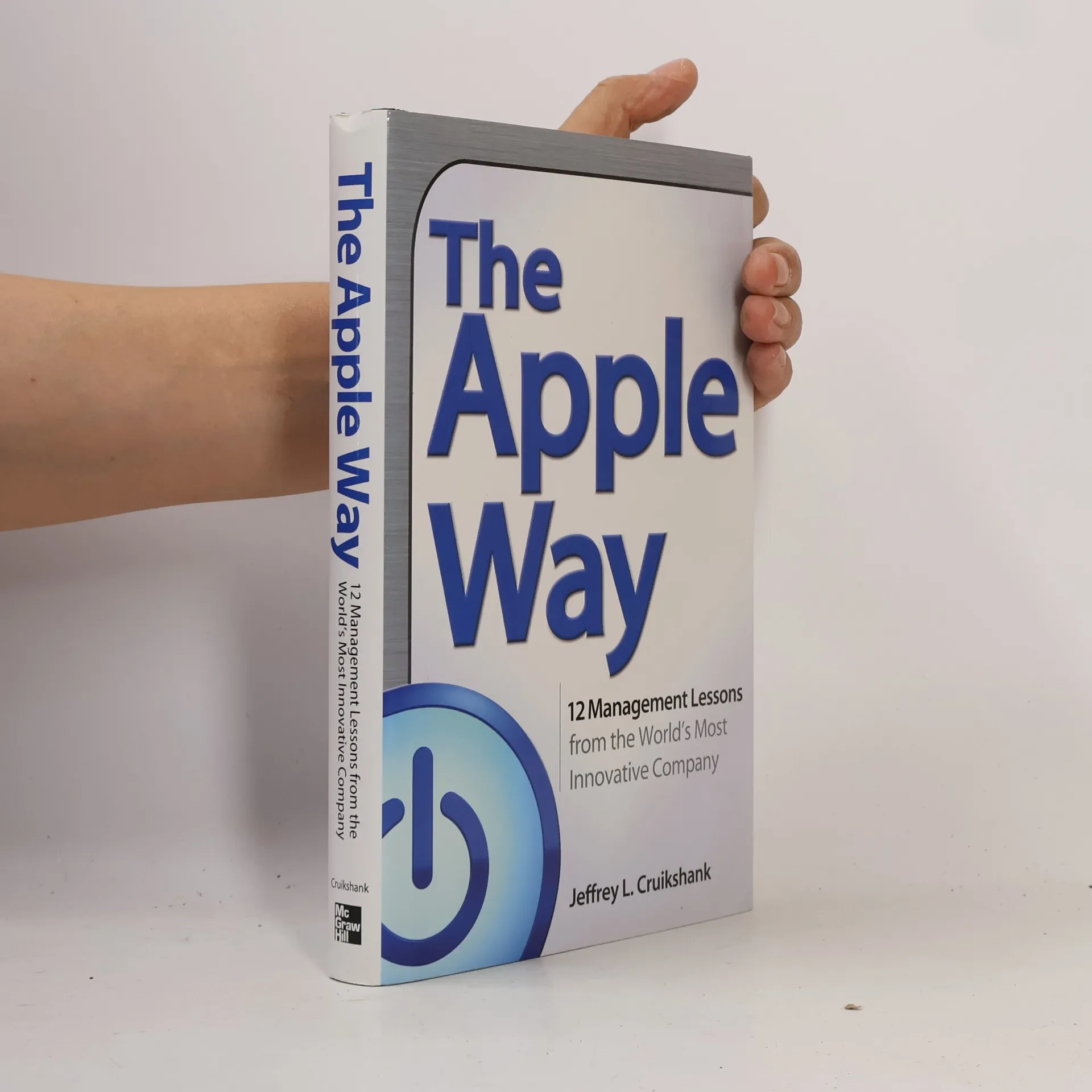
[ 12 management lessons from the world's most innovative computer maker]
224 Seiten
8 Lesestunden
Reveals the master plan behind Apple’s revolutionary business model “We don’t underestimate people....Rather than making a far inferior product for a hundred dollars less, we gave the people the product that they want and that will serve them for years, even though it’s a little pricier. People are smart; they figure these things out.” --Steve Jobs The Apple Way divulges the secrets and management principles that keep Apple far ahead of the curve. Find out how to implement these and other winning strategies in your organization to trigger a technological and stylistic revolution of your own:
Successful organizations thrive on mutual predictability, where individuals can anticipate each other's behaviors while also making their own actions predictable. This engaging and practical book explores the dynamics of organizational behavior, emphasizing the importance of building relationships and understanding interpersonal interactions. With a passionate and approachable style, it aims to entertain and inspire readers to take actionable steps toward fostering a collaborative environment.
The United States Federal Reserve System has played a key role in U.S. economic affairs since it was established in 1913. Still, it has never enjoyed the unprecedented power and influence it wields today over global financial markets. The reason? Alan Greenspan. Greenspan first gained attention when he stopped the 1987 market crash in its tracks, propelling the U.S. economy into its longest period of uninterrupted growth in history. But it was in a speech the evening of December 5, 1996, when Greenspan's words truly revealed their unprecedented powers. When his seemingly innocuous comment about the sky-high stock markets--"How do we know when irrational exuberance has unduly escalated asset values?"--hit global wires, world markets immediately plunged as much as five percent. The next morning, with Greenspan's warning on every New York trader's lips, the Dow immediately dropped two percent. To reeling traders, the dollar value of understanding Greenspan--and the instantaneous effect his speeches would have on markets--became clear. THE GREENSPAN EFFECT recalls these and other Greenspan episodes in the most honest, dependable words available--Greenspan's own. Excerpts of his speeches from 1987 to the present are followed by expert analyses of those speeches, and nuts-and-bolts reporting on global financial reactions. This up-close examination of Alan Greenspan's tumultuous regime discusses his early career, and how he developed the bottom-up analytical approach that is today his hallmark at the Fed. It shows how, unlike the politicians who appoint him, Greenspan has never allowed political distractions or personal foibles to interrupt his chosen course. By focusing on Alan Greenspan's public pronouncements as Fed chairman, THE GREENSPAN EFFECT provides a concise, accurate distillation of Greenspan's thinking on today's most important economic topics. It presents an historic, solidly researched overview of how these pronouncements have affected Wall Street and other world financial markets. In so doing, this immensely valuable profile equips investors and businesspeople with today's most important tool--an analysis of how Alan Greenspan has responded in past economic environments, what he is likely to do in the future, and how financial markets will react.