

"The Tenth Edition introduces diverse, compelling, relevant texts-from Civil War songs and stories to The Turn of the Screw to The Great Gatsby to poems by Juan Felipe Herrera and Claudia Rankine to a science fiction cluster featuring Octavia Butler and N. K. Jemisin. And continuing its course of innovative and market-responsive changes, the anthology now offers resources to help instructors meet today's teaching challenges. Chief among these resources is InQuizitive, Norton's award-winning learning tool, which includes interactive questions on the period introductions and often-taught works in the anthology. In addition, the Tenth Edition maintains the anthology's exceptional editorial apparatus and generous and diverse slate of texts overall. Available in print and as an annotatable ebook, the anthology is ideal for online, hybrid, or in-person teaching"--
Robert S. Levine Reihenfolge der Bücher (Chronologisch)
Robert S. Levine ist ein herausragender Universitätsprofessor für Englisch, dessen wissenschaftliche Arbeit sich tiefgehend mit der amerikanischen Literatur beschäftigt. Er ist bekannt für seine aufschlussreiche Analyse literarischer Werke und deren kultureller Bedeutung. Seine redaktionelle Leitung unterstreicht sein Engagement, die amerikanische literarische Tradition zu verbreiten und zu interpretieren.
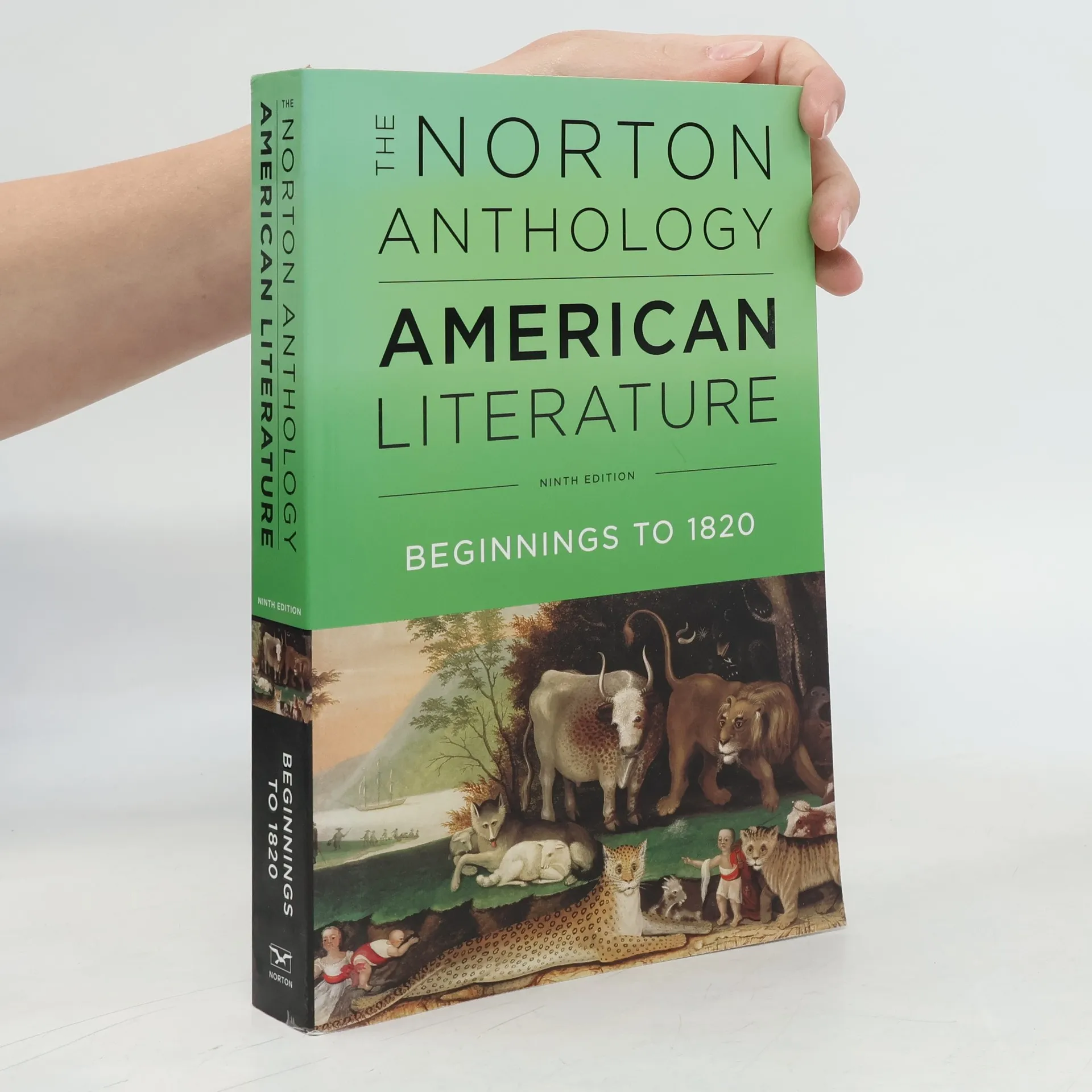

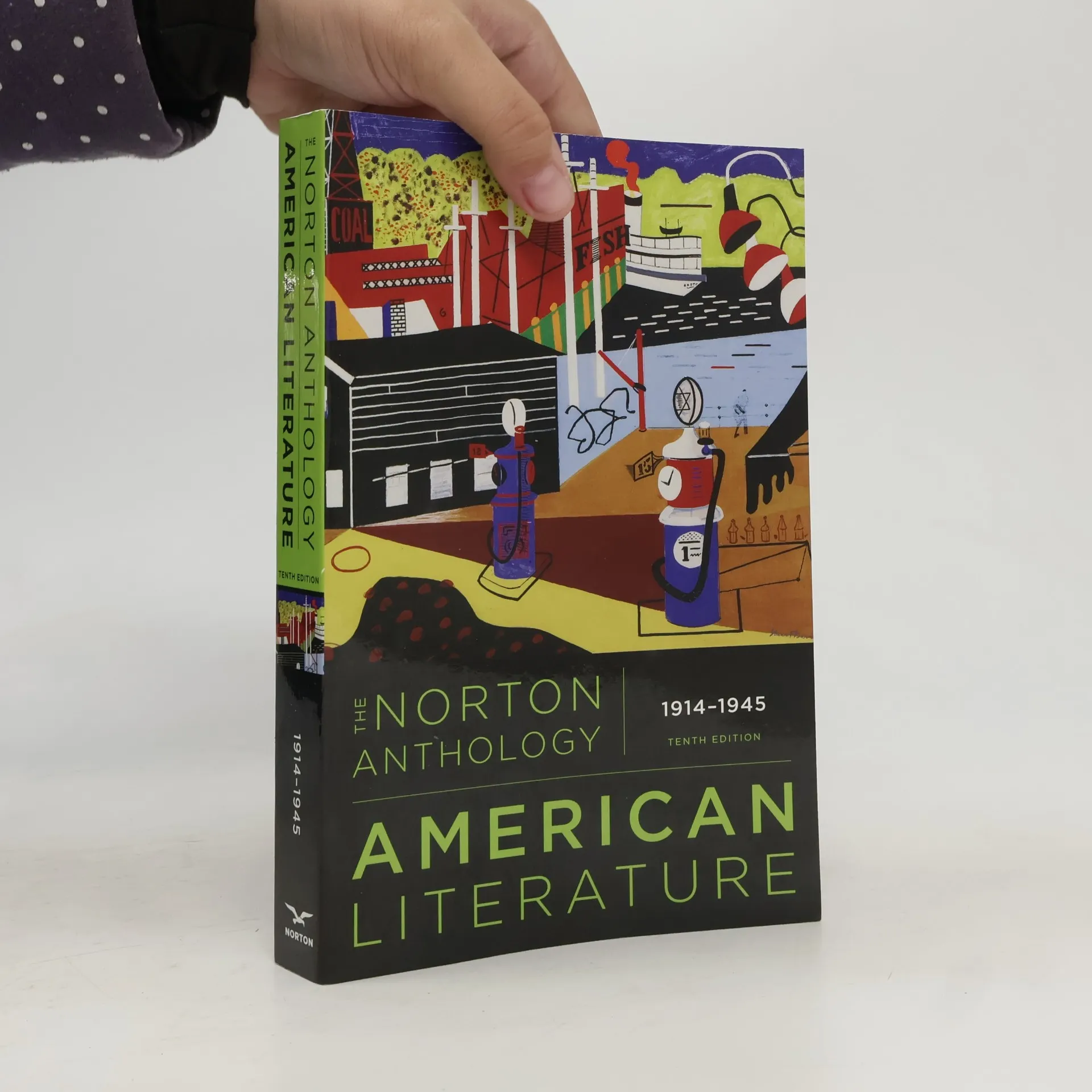
The most trusted anthology for complete works, balanced selections, and helpful editorial apparatus, The Norton Anthology of American Literature, Shorter Ninth Edition, features a cover-to-cover revision. General Editor Robert Levine and the four period editors—three of whom are new to the team—have reenergized the anthology. Fresh scholarship, NEW authors and topical clusters, a NEW ebook, and an enriched instructor site make the Norton Anthology an even better teaching tool for instructors and an unmatched value for students.
The Norton Anthology of American Literature. Vol. A - Ninth Edition
- 1064 Seiten
- 38 Lesestunden
Read by more than 2.5 million students over 30 years, The Norton Anthology of American Literature sets the standard and remains an unmatched value.
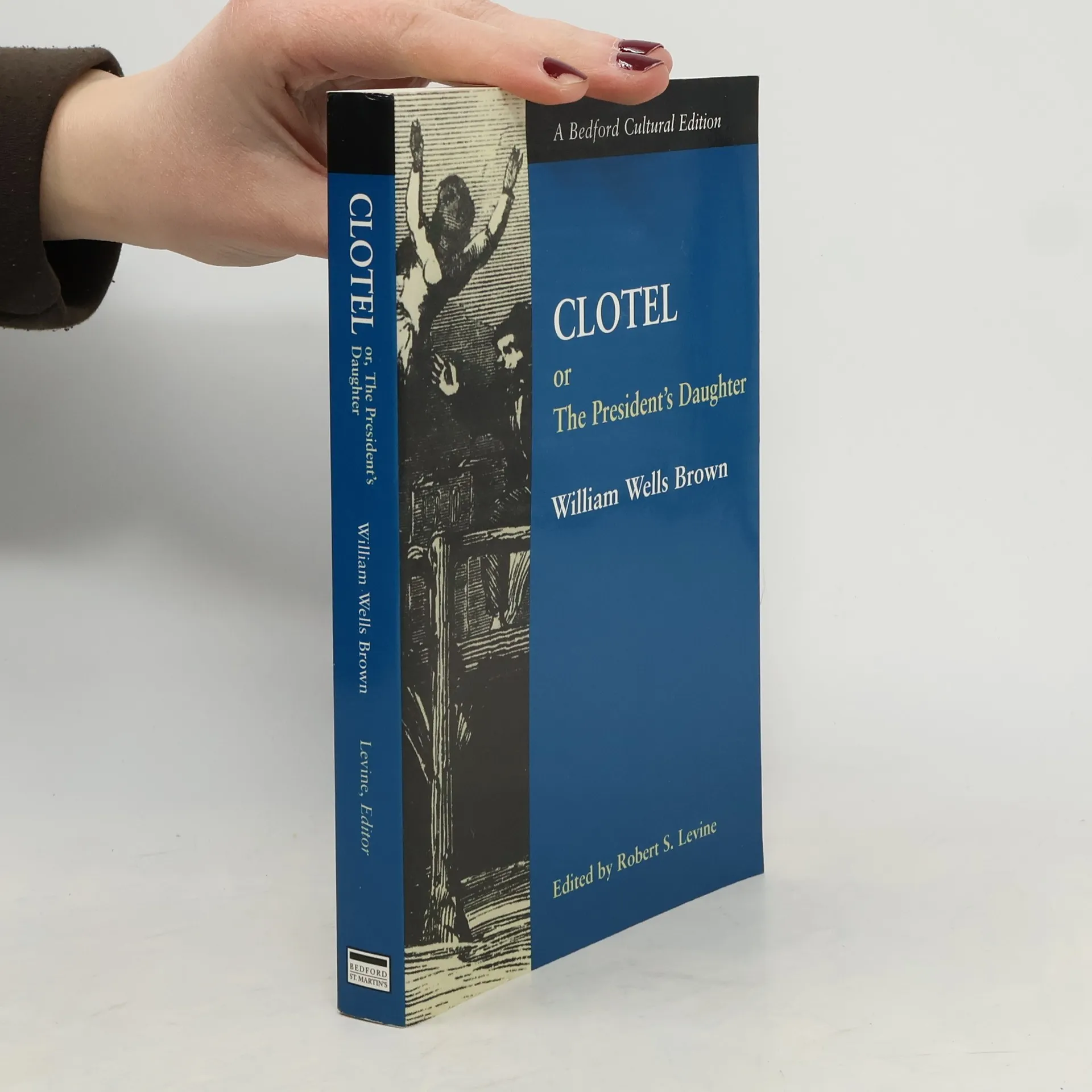
William Wells Brown’s Clotel (1853), the first novel written by an African American, was published in London while Brown was still legally regarded as "property" within the borders of the United States. The novel was inspired by the story of Thomas Jefferson’s purported sexual relationship with his slave Sally Hemings. Brown fictionalizes the stories of Jefferson’s mistress, daughters, and granddaughters — all of whom are slaves — in order to demythologize the dominant U.S. cultural narrative celebrating Jefferson’s America as a nation of freedom and equality for all. The documents in this edition include excerpts from Brown’s sources for the novel — fiction, political essays, sermons, and presidential proclamations; selections that illuminate the range of contemporary attitudes concerning race, slavery, and prejudice; and pieces that advocate various methods of resistance and reform.