Im Innern des Vatikans
- 338 Seiten
- 12 Lesestunden




Beginning with Cimabue and Giotto in the thirteenth century, Vasari traces the development of Italian art across three centuries to the golden epoch of Leonardo and Michelangelo. Great men, and their immortal works, are brought vividly to life, as Vasari depicts the young Giotto scratching his first drawings on stone; Donatello gazing at Brunelleschi's crucifix; and Michelangelo's painstaking work on the Sistine Chapel, harassed by the impatient Pope Julius II. The Lives also convey much about Vasari himself and his outstanding abilities as a critic inspired by his passion for art.
Castigliones Hofmann ist das Gegenteil von Macchiavellis Fürst. Am Hof des Montefeltro in Urbino unterhalten sich Damen und Herren über Sitten, Kultur und darüber, was Menschen angenehm und liebenswert erscheinen lässt. Aber nicht die Geburt, heißt es gleich zu Anfang, sondern der Adel des Geistes bestimmt das Geschick – das erste Zeichen für die Heraufkunft des bürgerlichen Zeitalters und ein Benehmen, an dem sich noch Knigge orientiert hat. Die Auswahl enthält alle wichtigen Vorstellungen, die Castiglione den Mitgliedern der Tischrunde in den Mund legt. Recht hat, wer im Streitgespräch besser, witziger und logischer argumentiert. Überraschendes wird auch zur Gleichberechtigung der Frauen gesagt, über Schönheit und die effektivste Art der Liebeswerbung.
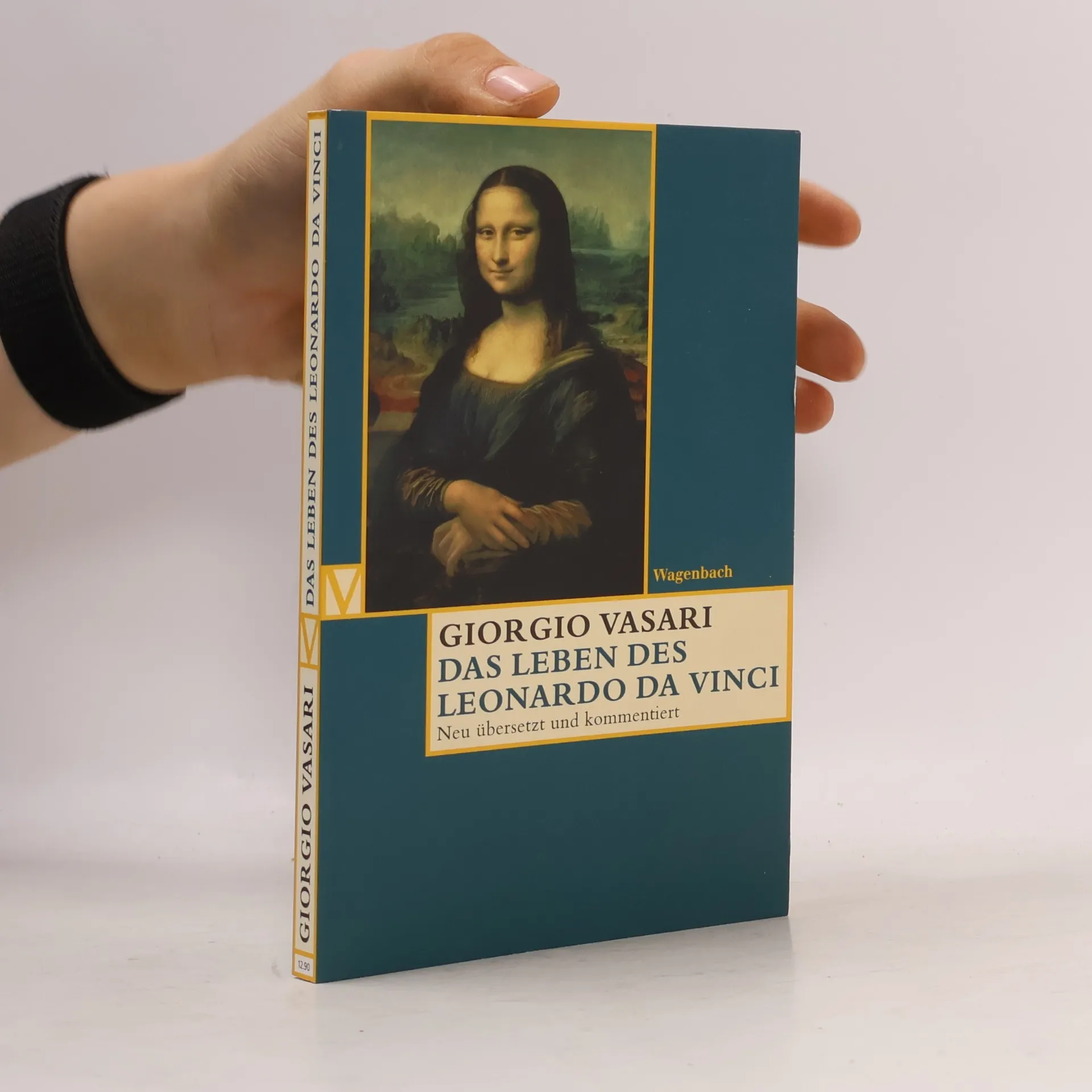
Eine anekdotenreiche, literarisch besonders schöne Biographie Vasaris: das Leben Leonardo da Vincis, des größten Universalgenies der Renaissance. Neu übersetzt und kommentiert. Mit den heutigen Standorten der Kunstwerke.
One of 60 low-priced classic texts published to celebrate Penguin's 60th anniversary. All the titles are extracts from "Penguin Classics" titles.
A Pope for our Time
English, Italian (translation)
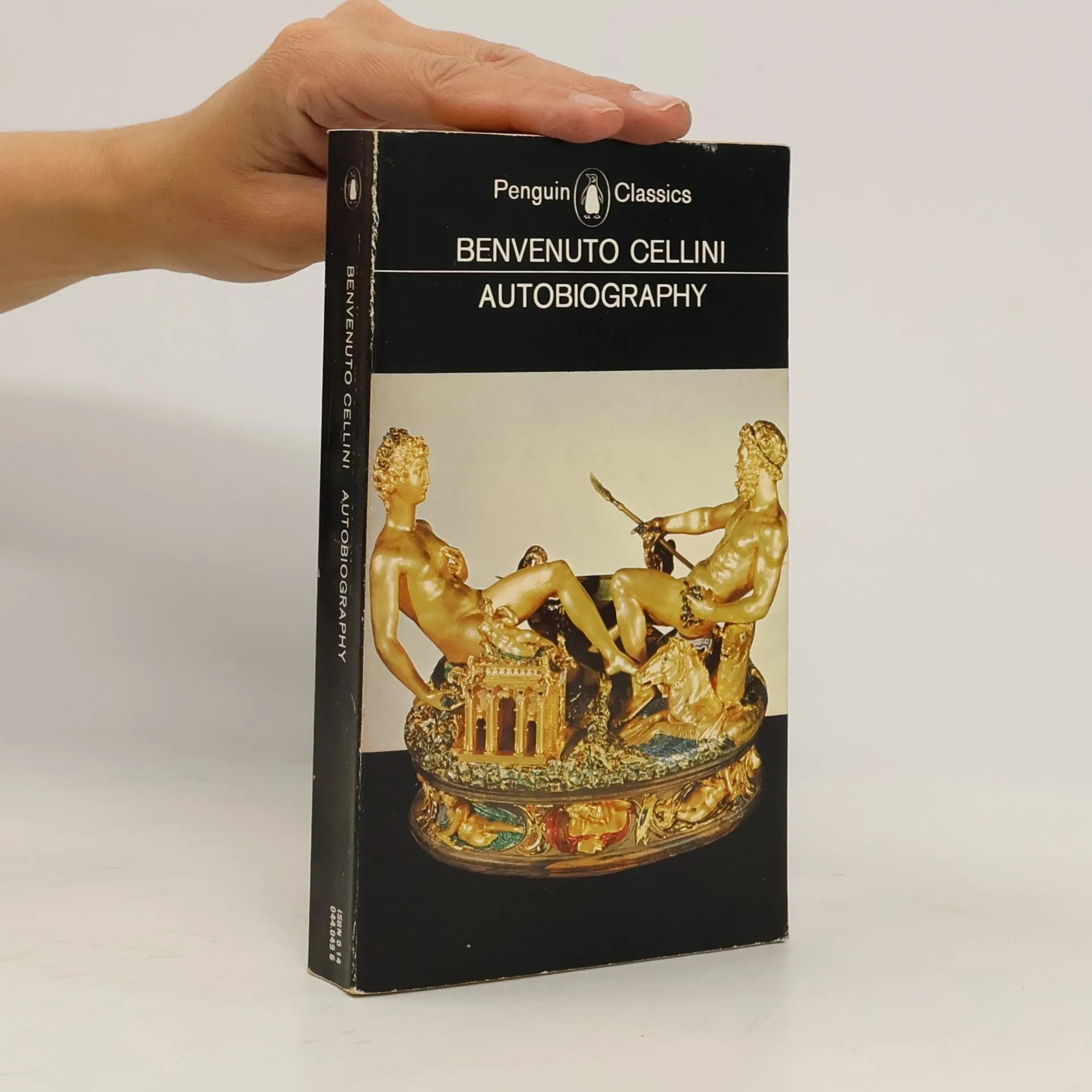
"Men like Benvenuto, unique in their profession, need not be subject to the law." --Pope Paul III on learning that Cellini had murdered a fellow artist. Benvenuto Cellini was a celebrated figure in Renaissance Florence, known for his remarkable sculpting and goldsmithing, including the iconic salt-cellar for the King of France and the statue of Perseus with Medusa's head. His life was as dynamic as his art; he participated in the Sack of Rome in 1527 and was known for his fiery temperament and audacious behavior, engaging in acts such as brawling, theft, and even murder. His patrons included popes, kings, and the Medici family. Cellini's autobiography offers a captivating glimpse into sixteenth-century Italy and France, written with the flair of a novel. This new translation, based on the latest critical edition, preserves the original's vibrancy and focuses on the pivotal event of casting the statue of Perseus. The series has provided a diverse range of literature for over a century, reflecting a commitment to scholarship with accurate texts, expert introductions, extensive notes for clarification, and updated bibliographies for further study.


