


Gratis Versand ab € 16,99. Mehr Infos.
Bookbot

Paul Gilroy

    16. Februar 1956
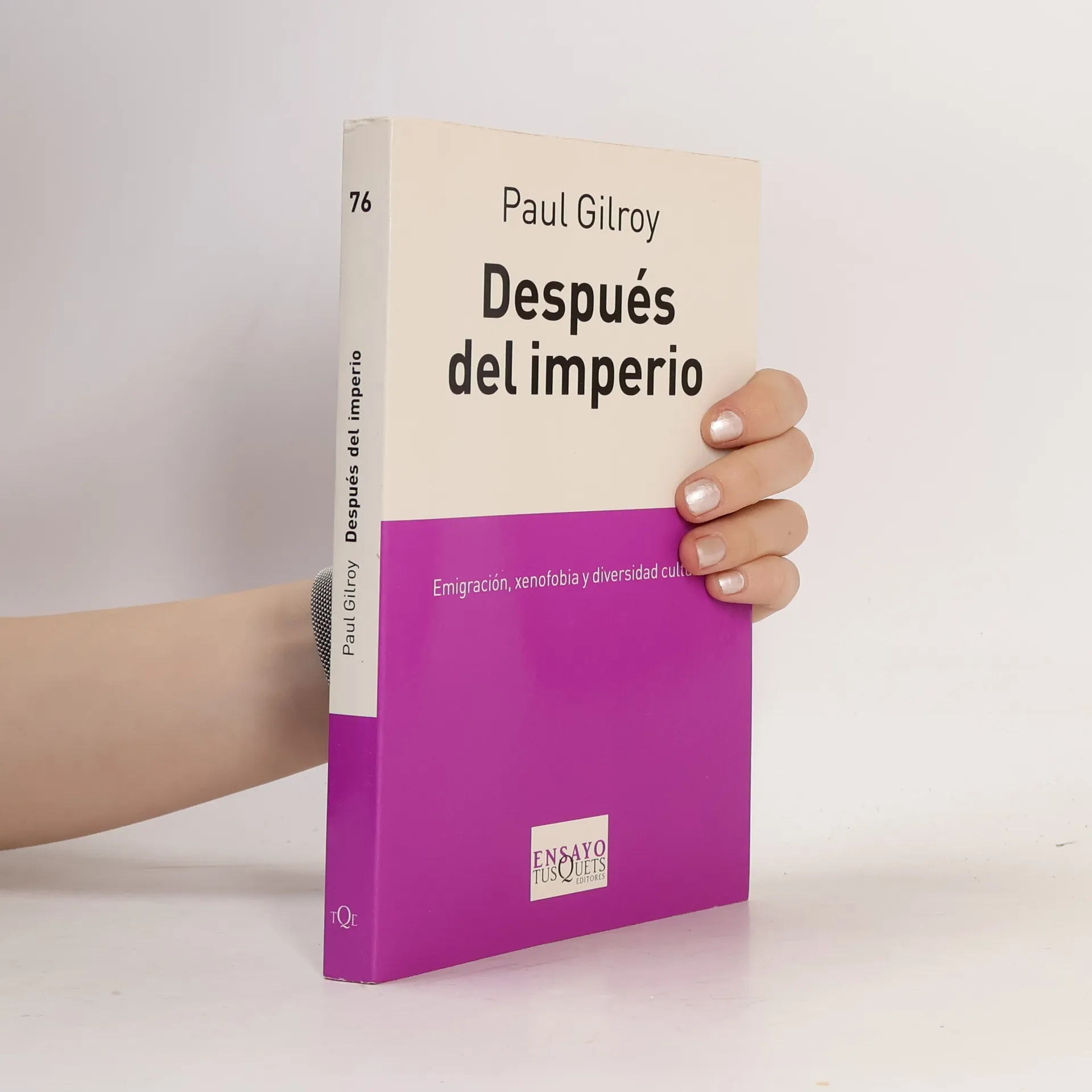
    Después del imperio
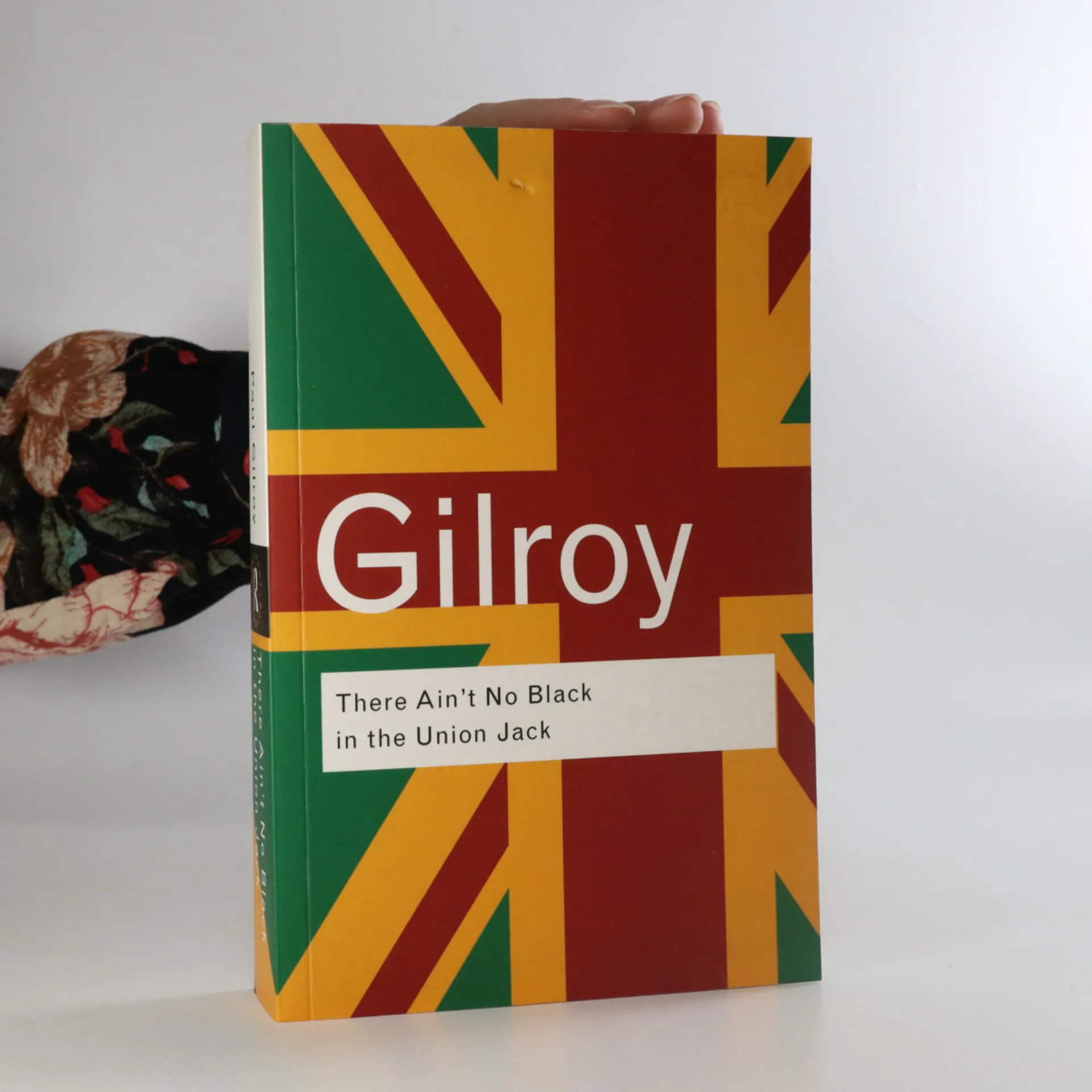
    There ain't no black in the Union Jack
    Postcolonial Melancholia
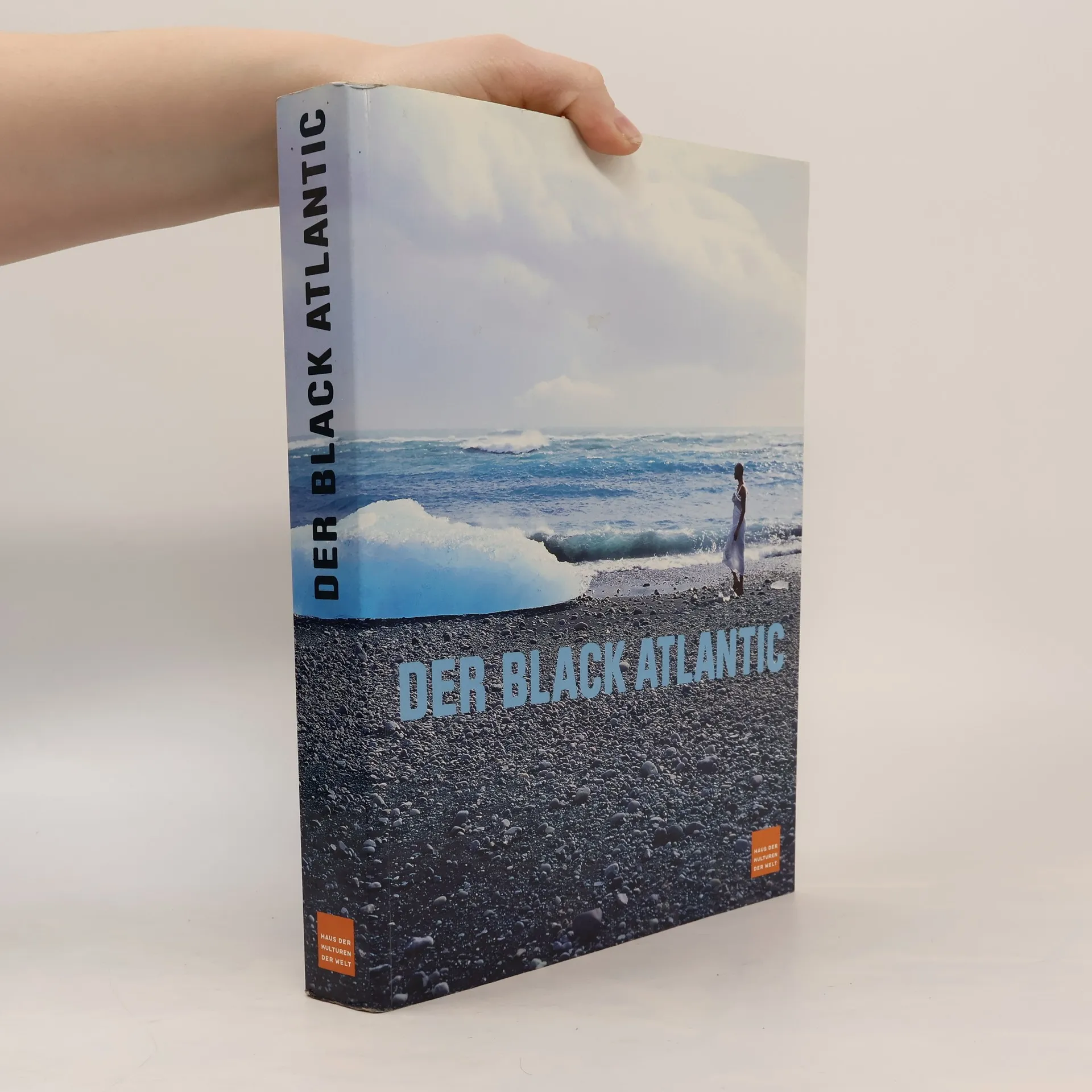
    Der Black Atlantic
    • Después del imperio

      • 296 Seiten
      • 11 Lesestunden

      En los últimos años, Europa asiste a una crisis de la sociedad multicultural, una crisis relacionada en gran medida con la «guerra contra el terrorismo global» en la que, de una u otra forma, todos estamos involucrados. Por otra parte, el auge de los discursos identitarios, nacionalistas y xenófobos representa una indudable amenaza que parece aliarse ahora con la idea de que, en nuestras avanzadas sociedades, es imposible combinar la diversidad cultural con una convivencia pacífica y mutuamente enriquecedora. ¿Podemos recuperar aún la utopía de la tolerancia, la paz y el respeto a la diferencia? Paul Gilroy aborda en este esclarecedor ensayo el decisivo debate entre homogeneización y diversidad social, y apuesta claramente por una renovación de la ética y la política multiculturalistas que permita no sólo cohabitar con el otro sino que sepa dar respuesta a cuestiones apremiantes como las desigualdades sociales, la lucha por los recursos económicos o la defensa universal de los derechos humanos. Después del imperio nos invita a contemplar bajo una nueva luz cuestiones tales como la emigración, el racismo y la historia poscolonial europea.

      Después del imperio2008
    • Postcolonial Melancholia

      • 193 Seiten
      • 7 Lesestunden

      In Postcolonial Melancholia, Paul Gilroy continues the conversation he began in his landmark study of race and nation, 'There Ain't No Black in the Union Jack, ' by once again departing from conventional wisdom to examine-and defend-multiculturalism within the context of a post-9/11 "politics of security." Gilroy adapts the concept of melancholia from its Freudian origins and applies it to the social pathology of neoimperialist politics. His unorthodox analysis pinpoints melancholic reactions not only in the hostility and violence directed at blacks, immigrants, and aliens but also in an inability to value the ordinary, unruly multiculture that has evolved organically and unnoticed in urban centers. Drawing on seminal discussions of race by Frantz Fanon, W. E. B. DuBois, and George Orwell, Gilroy goes beyond the idea of mere tolerance and proposes that it is possible to celebrate multiculture and live with otherness without becoming anxious, fearful, or violent.

      Postcolonial Melancholia2005
      4,0
    • Der Black Atlantic

      • 429 Seiten
      • 16 Lesestunden

      Die Publikation Black Atlantic versammelt erstmals im deutschsprachigen Raum Texte und visuelle Materialien unterschiedlicher Genres und Disziplinen, die die Idee des Black Atlantic reflektieren. Neben Original-Essays der Kuratoren (Paul Gilroy, Tina Campt, Fatima El-Tayeb) und Interviews mit den Künstlern (Isaac Julien, Keith Piper, Lisl Ponger und Tim Sharp, Jean-Paul Bourelly, Ismael Ivo) sind wissenschaftliche und poetische Texte internationaler Denker und Dichter vertreten, die sich mit Schwarzer Geschichte und Geschichten in Europa und in der Welt auseinandersetzen. Der Dichter und Literaturnobelpreisträger Derek Walcott fragt nach der Bedeutung und Form karibischer Geschichtenschreibung. Der Soziologe, Philosoph und Dichter Édouard Glissant entwickelt eine Poetik der Beziehungen. Eine plastisch anmutende Theorie der kubanischen Musik schreibt der Autor und Essayist Alejo Carpentier, während die Historikerin und Medienwissenschaftlerin Susan Buck-Morss über die Bedeutung der Haitianischen Revolution für Hegel reflektiert

      Der Black Atlantic1993
      4,1
    • This text is a powerful indictment of contemporary academic practices, in which Gilroy highlighted the inadequacies of the British approach to race. It provided a powerful new direction for race relations theory in Britain

      There ain't no black in the Union Jack1992
      4,2