Peter Mair Bücher
Peter Mair war ein irischer Politikwissenschaftler, der sich auf Vergleichende Politikwissenschaft spezialisierte, insbesondere auf die Untersuchung von Parteien und Parteiensystemen. Seine Arbeit konzentrierte sich auf Demokratie, politische Gleichgültigkeit und populistische Parteien. Durch seine tiefgehende Analyse des irischen Parteiensystems wurde er zu einem anerkannten Forscher auf diesem Gebiet. Mairs Beiträge lagen im Verständnis der Herausforderungen, vor denen moderne Parteiendemokratien stehen.

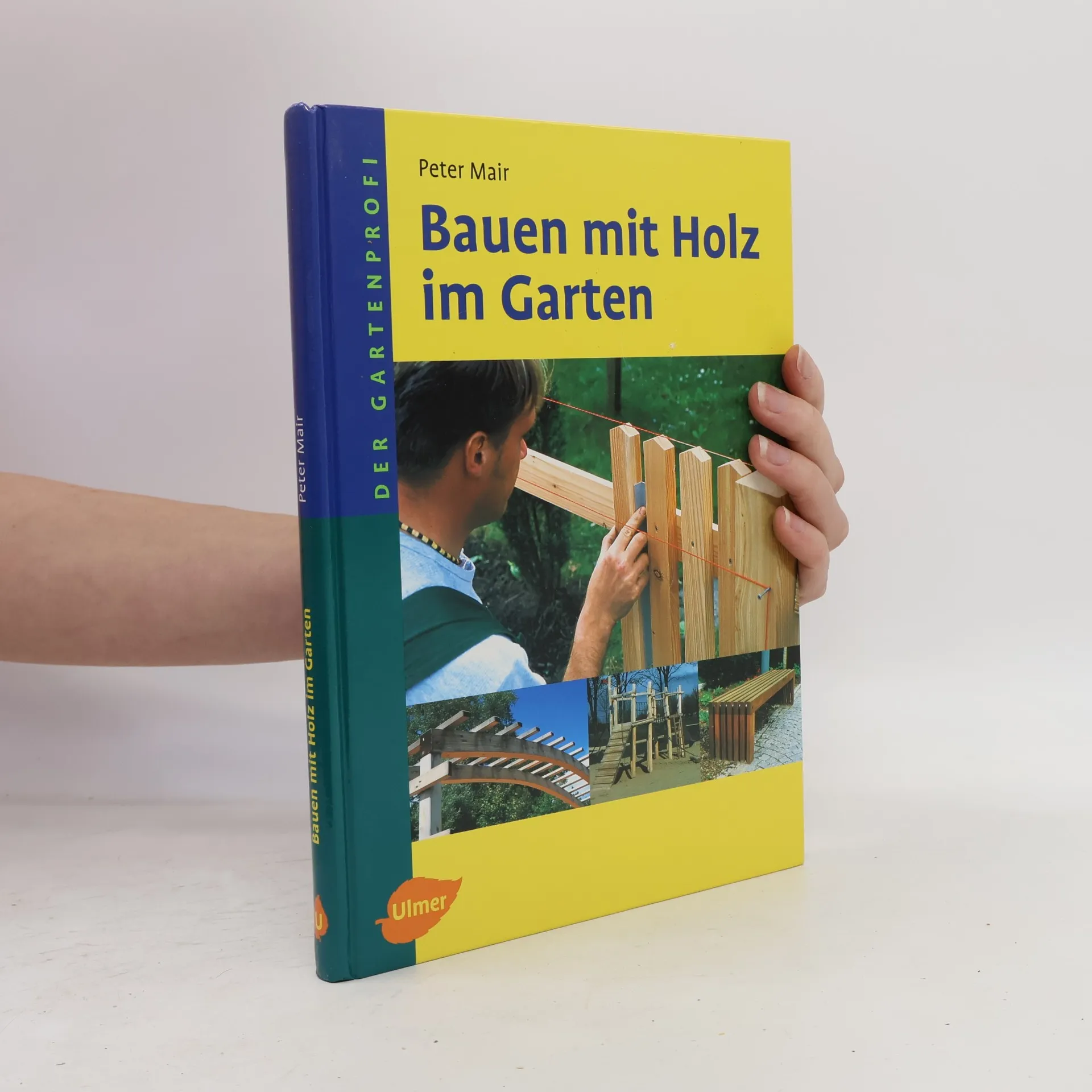

Der Gartenprofi: Bauen mit Holz im Garten
- 167 Seiten
- 6 Lesestunden
Holz ist im Garten ein vielseitig einsetzbarer und ein natürlicher Baustoff, der bei der Gartengestaltung traditionell eine entscheidende Rolle spielt. Er eignet sich für die unterschiedlichsten Bereiche im Garten – als Bodenbelag ebenso wie für Spielgeräte, für Lärmschutzwände, Zäune oder Pergolen, gleichfalls für Gartenmöbel oder Carports. Das Buch erläutert verschiedene Einsatzmöglichkeiten und stellt den Baustoff Holz mit seinen Eigenschaften und Verarbeitungsmöglichkeiten dar. Sie erhalten Anleitungen für eine fachgerechte Holzverarbeitung, den Schutz gegen Witterungseinflüsse und Tipps und Anregungen für den Bau von Holzbauwerken im Freien.
Parteien auf komplexen Wählermärkten
- 416 Seiten
- 15 Lesestunden
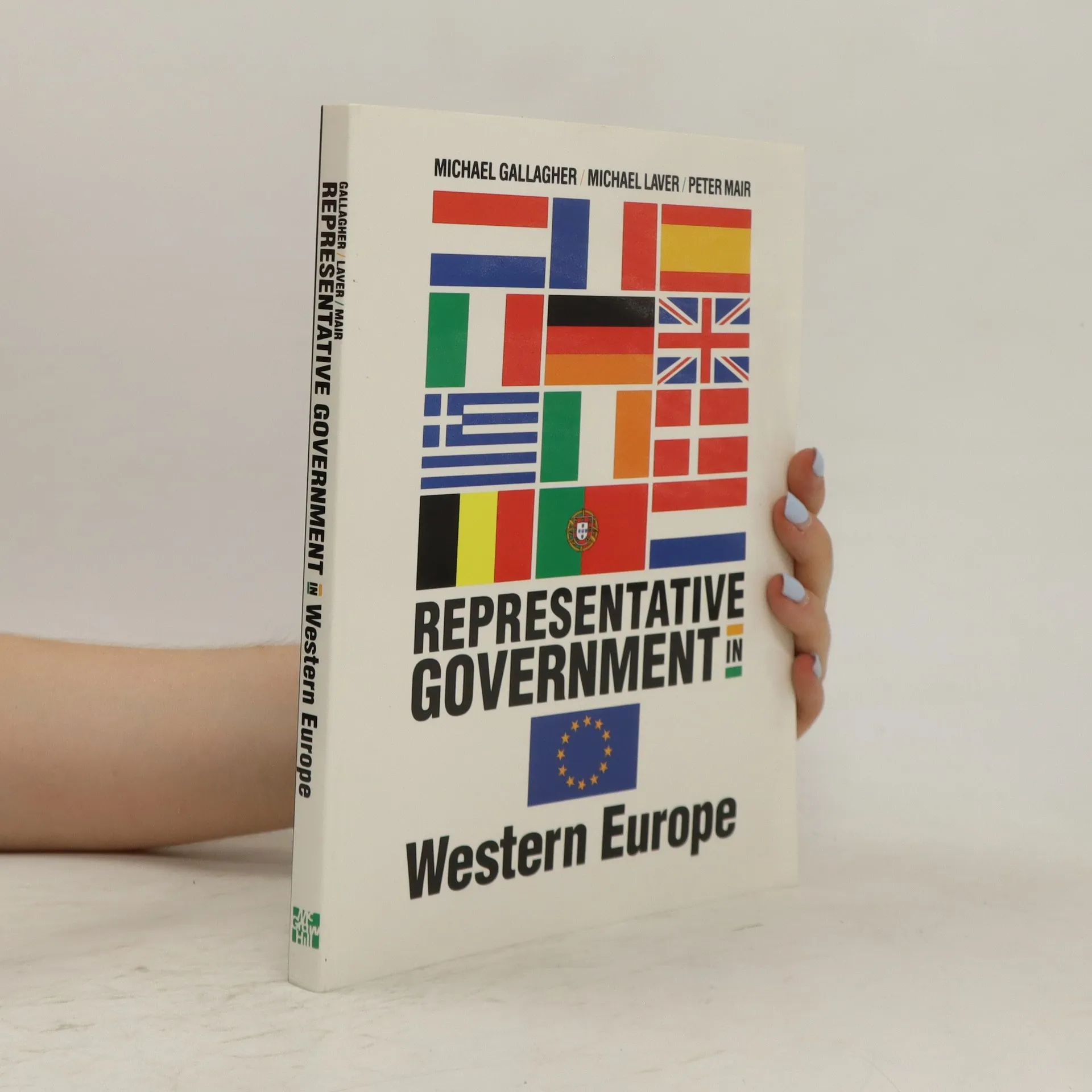
Representative Government in Western Europe
- 330 Seiten
- 12 Lesestunden
Ruling the Void
- 208 Seiten
- 8 Lesestunden
A classic account of democracy's crisis of legitimacy The age of party democracy has passed, argues Peter Mair in Ruling the Void. The major parties have become so disconnected from society that they no longer seem capable of sustaining democracy in its present form. First published in 2013, Ruling the Void presciently observed that the widening gap between citizens and their political leaders posed a crisis of legitimacy for the governing class, and was fuelling populist mobilizations against it. Europe’s political elites had remodelled themselves as a homogeneous professional class, withdrawing into state institutions that offer relative stability in a world of fickle voters. Meanwhile, non-democratic agencies and practices proliferated – not least among them the European Union itself. Mair weighs the impact of these changes, and offers an authoritative assessment of the prospects for popular political representation today, not only in the varied democracies of Britain and the EU but throughout the developed world. With a new Introduction by Chris Bickerton, author of The European Union: A Citizen’s Guide.
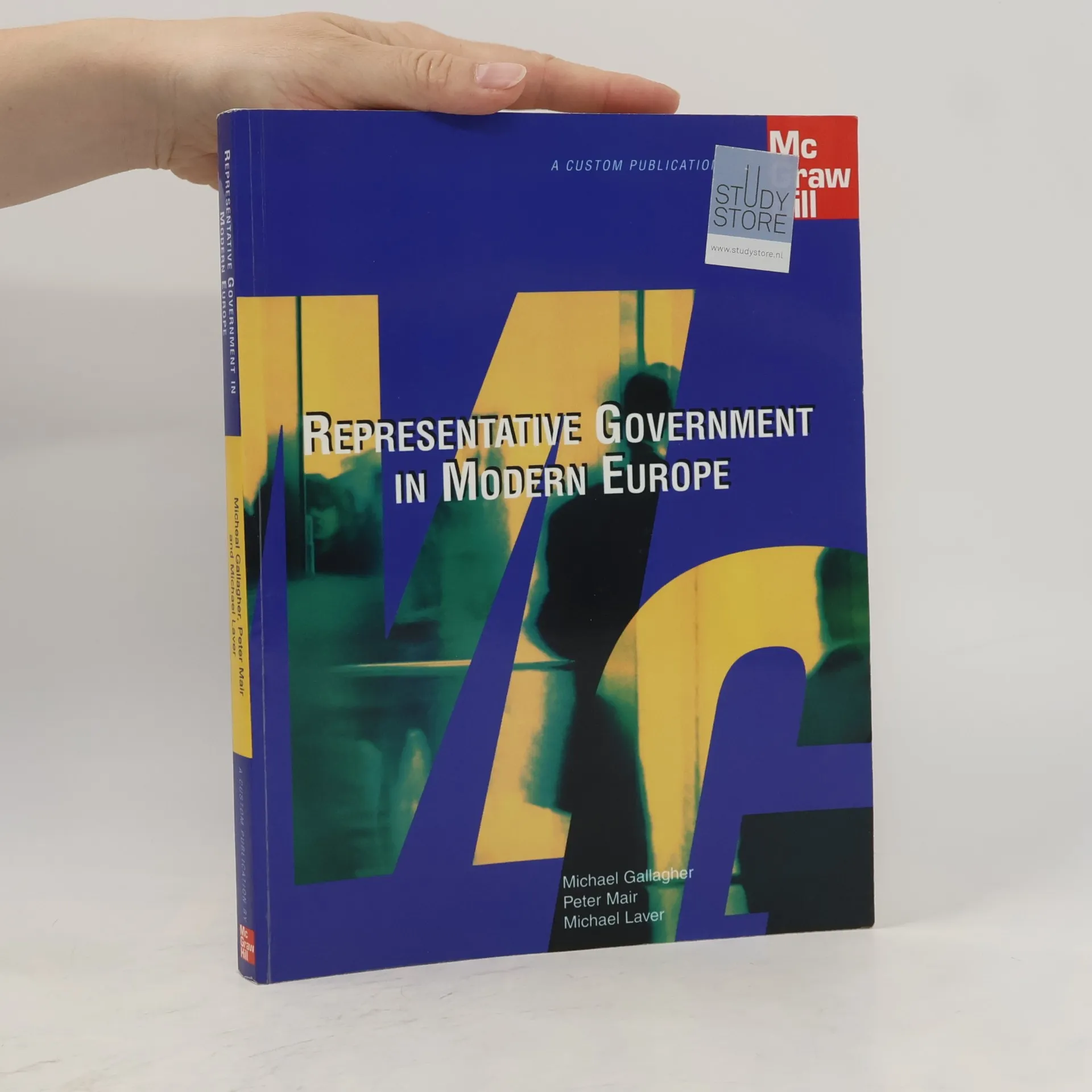
Representative Government in Modern Europe
- 298 Seiten
- 11 Lesestunden
The fourth edition of this text continues to unite the theoretical analysis of representative government and its application to the real world of politics--with a unique focus on the core features of representative government as they manifest themselves across the whole of modern Europe. The book identifies and examines broad themes and patterns in the politics of the whole of “modern Europe†--not, as some other books do, only with regard to a handful of often atypical countries. Europe has been transformed by the dramatic democratization of many of the former Communist states of central and eastern Europe; reflecting this change, the fourth edition has also been transformed: country coverage has been extended to include all of the eight post-communist states that are now members of the EU, and discussion of politics in these countries has been integrated into the main body of text and tables. The “modern Europe†discussed in this book is thus the Europe that came into being in May 2004, and the text reflects the ways in which thinking about representative government has changed as a result of these dramatic developments.