

Gratis Versand in ganz Österreich
Bookbot

Ian Johnson

    Ian Johnson ist ein preisgekrönter Schriftsteller, dessen Werk sich mit Gesellschaft, Religion und Geschichte befasst. Er bietet tiefe Einblicke in die chinesische Gesellschaft und ihre Wandlungen. Johnson führt seine Leser mit präzisem Stil durch komplexe Themen und betont historische sowie kulturelle Zusammenhänge.

    Renaissance Man
    A Mosque in Munich. Nazis, the CIA, and the Rise of the Muslim Brotherhood in the West
    Wild Grass
    Faustian Bargain
    Sparks
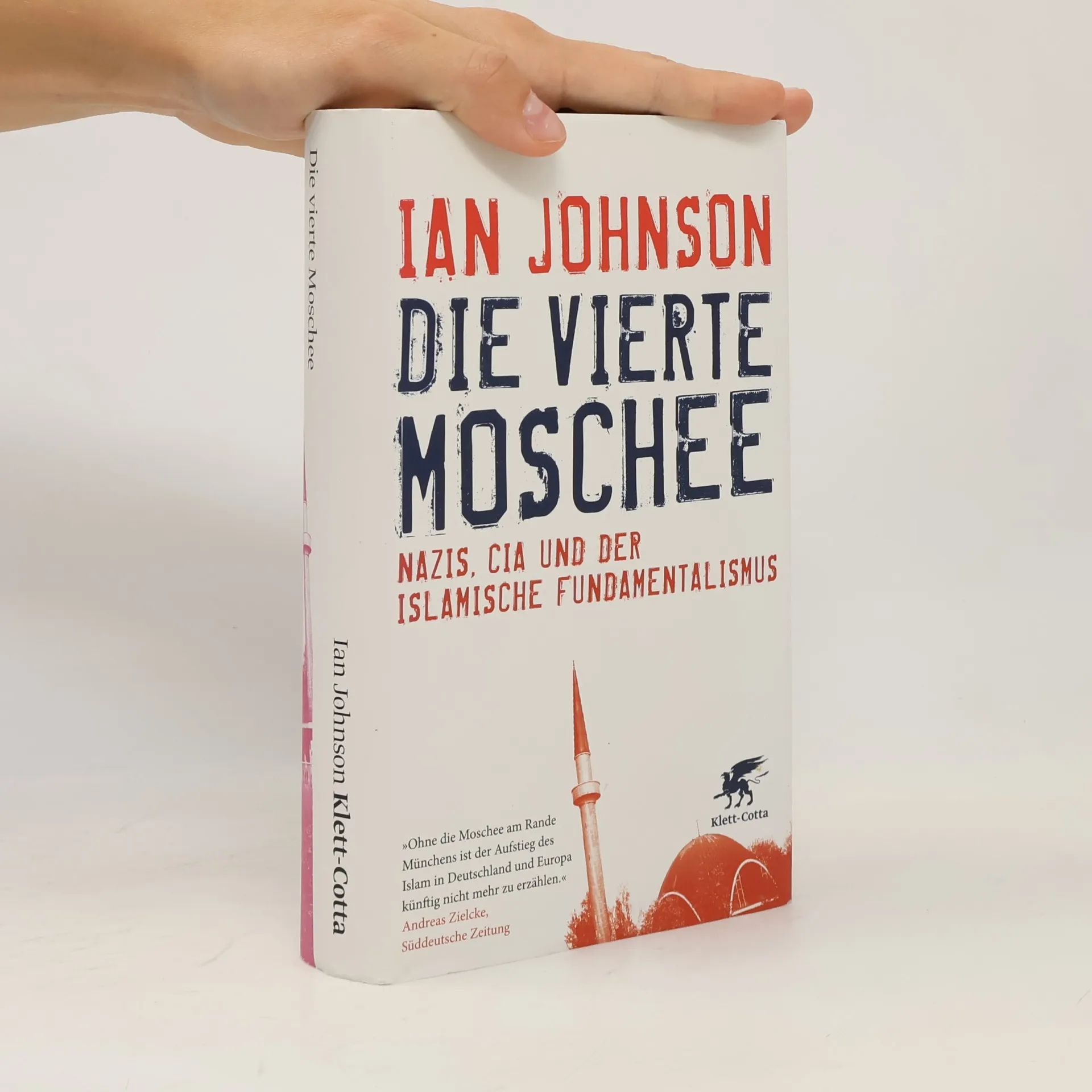
    Die vierte Moschee. Nazis, CIA und der islamische Fundamentalismus
    • Der Journalist Ian Johnson entdeckt 2003 in einer Londoner Buchhandlung, dass das islamische Zentrum in München eine zentrale Rolle in der Geschichte spielte. Von den Nazis bis zu Geheimdiensten war es ein Schauplatz politischer Intrigen und Machtkämpfe. Diese Ereignisse beeinflussten letztlich die Geschehnisse rund um den 11. September 2001.

      Die vierte Moschee. Nazis, CIA und der islamische Fundamentalismus
    • A vital account of how some of China's most important writers, filmmakers, and artists haver overcome crackdowns and censorship to challenge the Chinese Communist Party on its most sacred ground, its monopoly on history"

      Sparks
    • Offers the full story of a fateful alliance between past and future mortal enemies--long preceding the well-known Ribbentrop-Molotov Pact--whose dimensions were kept secret from the outside world and yet which set the stage for World War Two and its outcome.

      Faustian Bargain
    • 'Illuminating ... Johnson has not only lifted a corner of the curtain which covers China's reality beyond its glittering eastern cities; he has drawn the whole curtain' The Times Literary Supplement In Wild Grass, Pulitzer Prize-winning Ian Johnson describes a China caught between the desire for change percolating up from below and the ossified political structure above. He recounts the stories of three ordinary people who find themselves finding oppression and government corruption, risking imprisonment and even death. A young architecture student, a bereaved daughter, and a peasant legal clerk are the unlikely heroes of these stories, private citizens cast by unexpected circumstances into surprising roles.

      Wild Grass
    • Renaissance Man

      • 350 Seiten
      • 13 Lesestunden

      The life of Thomas Watson, a multifaceted figure of the late 16th century, is explored through his diverse talents as a classicist, poet, and government agent. Ian Johnson delves into Watson's literary works and the influential figures he interacted with, including notable contemporaries like Christopher Marlowe and the Earl of Oxford. The narrative also addresses the scandals that marked Watson's life, providing a comprehensive look at his contributions to literature and society during a dynamic period in history.

      Renaissance Man
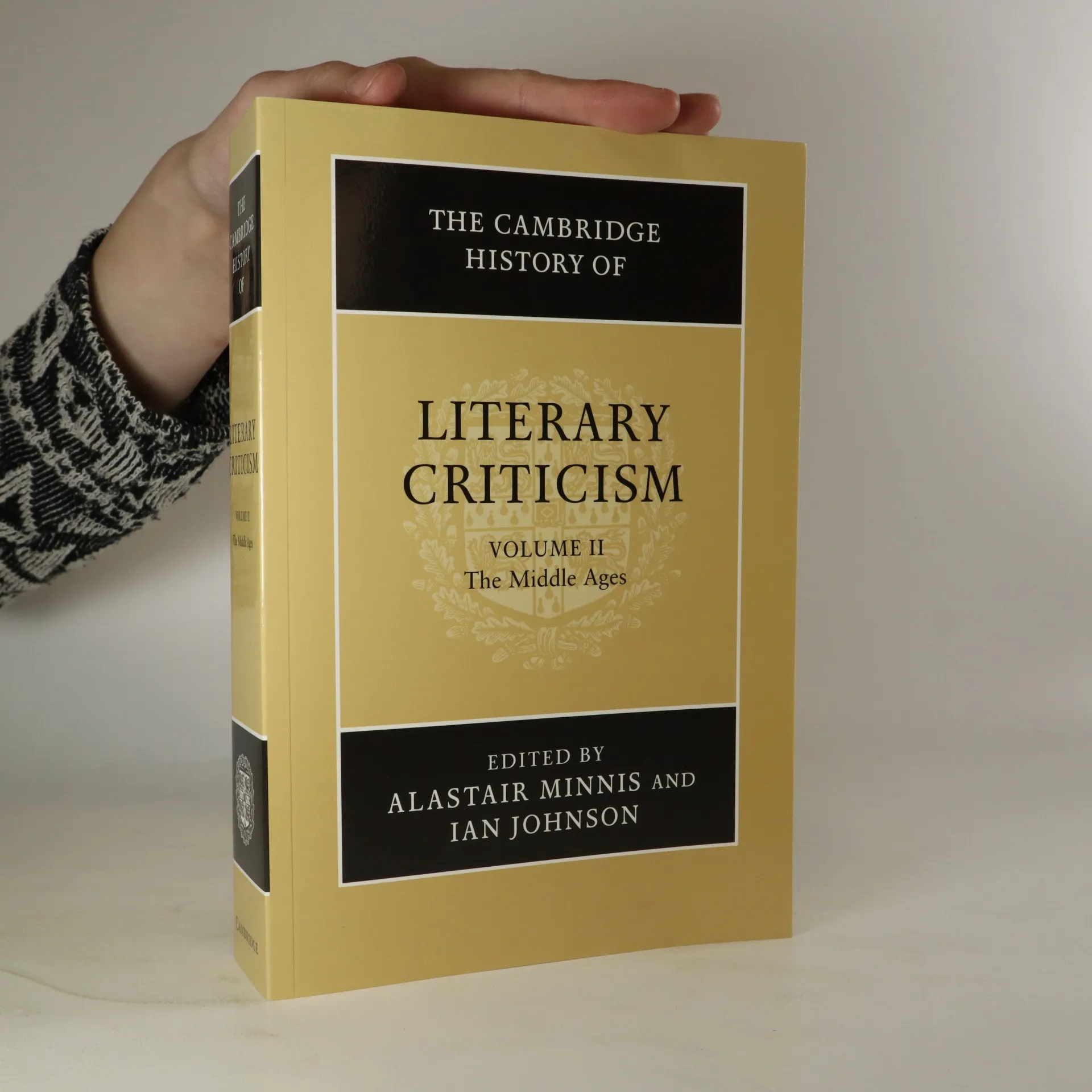
    • This unique volume offers for the first time a comprehensive introduction to the literary theory and criticism produced during the Middle Ages. The essays cover all the main traditions in Medieval Latin, Byzantine Greek, and the major European vernaculars, as well as the humanist debates on literature and its uses.

      The Cambridge History of Literary Criticism. The Middle Ages. Volume 2
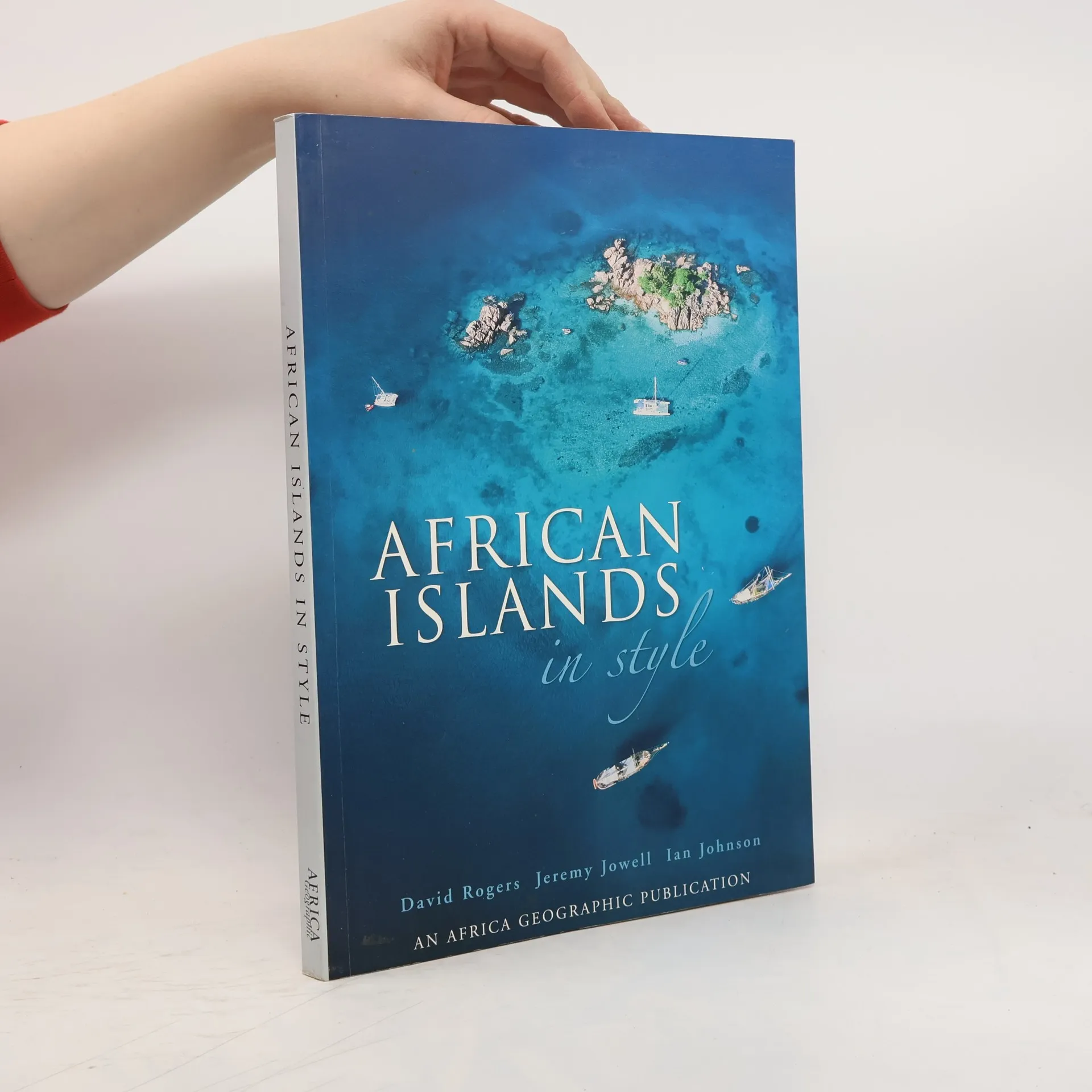
    • This title will combine the aspirational and inspirational elements of enticing travel experiences, wildlife, landscapes, architecture, decor and the individual ambience found at more than 30 prime island lodges, mostly in the Indian Ocean, but also in African lakes and rivers.

      Safari in Style Series: Islands in Style
    • Oparty na poszukiwaniach w archiwach pięciu krajów, w tym odtajnionych zbiorach rosyjskich, ten tytuł stanowi najlepsze opracowanie dziejów tajnego paktu i jego katastrofalnych skutków. Gdy Niemcy najechały Polskę 1 września 1939 roku, ich potęga wojskowa była przytłaczająca, mimo że zaledwie dwadzieścia lat wcześniej były na kolanach. Traktat wersalski drastycznie ograniczył niemiecką armię, zakazując rozwoju techniki wojskowej. Po dojściu Hitlera do władzy w 1933 roku, ustalenia te wciąż obowiązywały. Jednak w 1939 roku Niemcy dysponowały już 4,2 miliona żołnierzy i zaawansowaną bronią. Jak do tego doszło? Ian Ona Johnson udowadnia, że odpowiedzi należy szukać w Rosji Radzieckiej. Ponad dziesięć lat po I wojnie światowej Niemcy i Związek Radziecki zawiązali tajne partnerstwo, tworząc na radzieckiej ziemi sieć poligonów i fabryk zbrojeniowych. Niemcy zyskały miejsce do odbudowy wojska, a Związek Radziecki zdobył cenną wiedzę militarną i techniczną. Oba kraje stały się potęgami marzącymi o dominacji. Książka Johnsona jest pouczająca i objaśnia jedną z najmniej znanych relacji XX wieku - kontakt międzywojennych pariasów. To dobrze napisana i udokumentowana praca, niezbędna dla każdego zainteresowanego tym okresem.

      Diabelski pakt. Współpraca niemiecko-radziecka...