

Bookbot

Hayashi Fumiko

    Fumiko Hayashi war eine japanische Autorin, deren Werke sich oft auf freiheitsliebende Frauen und schwierige Beziehungen konzentrieren. Ihre Schriften zeichnen sich durch feministische Themen und eine aufschlussreiche Darstellung der Menschlichkeit von Charakteren aus, insbesondere von jenen am Rande der japanischen Gesellschaft. Hayashi's Stil wird für seine Klarheit und ihre Fähigkeit, Empathie für ihre Charaktere zu vermitteln, gelobt, und bietet den Lesern einen eindringlichen Einblick in ihr Innenleben und ihre soziale Stellung.

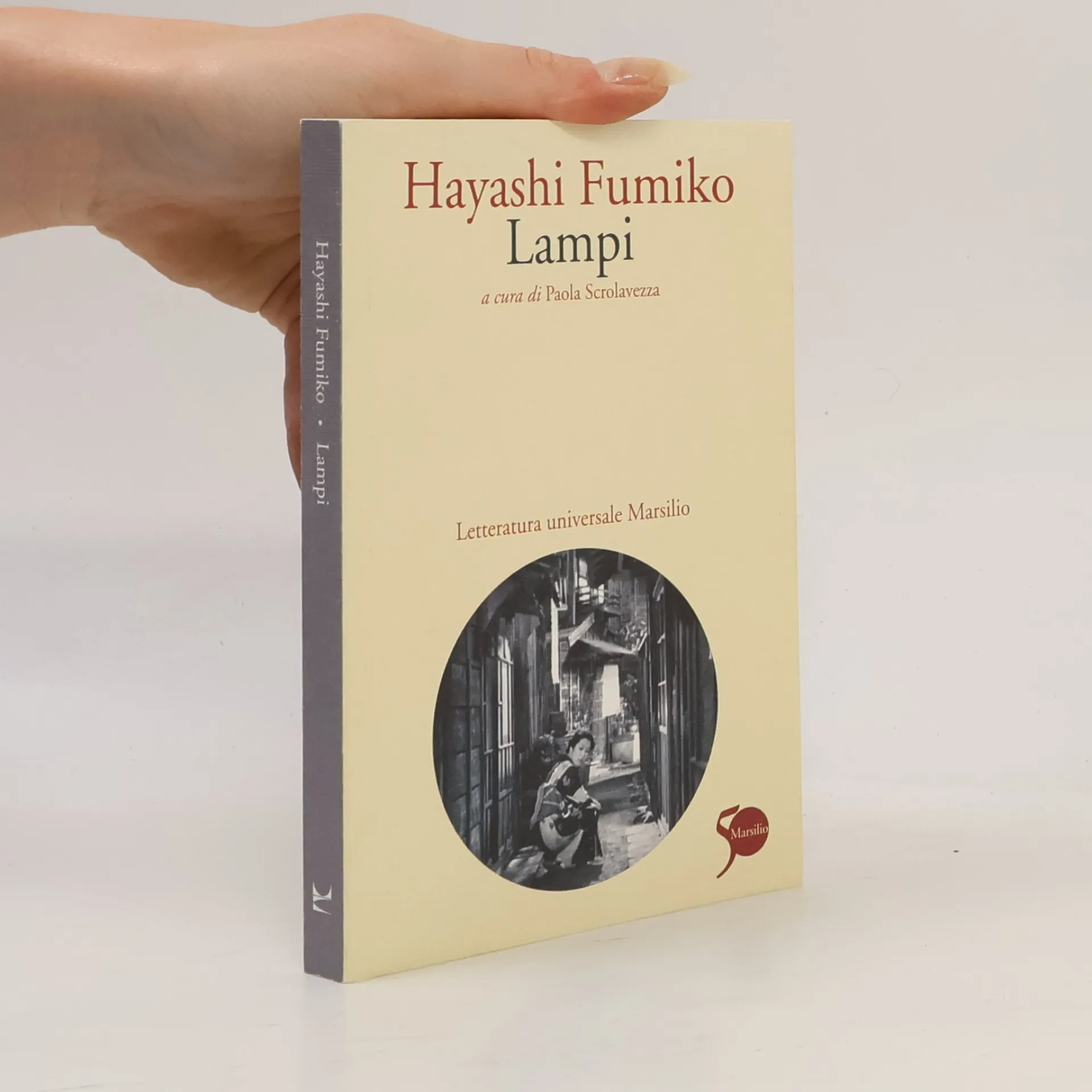
    Letteratura universale Marsilio: Lampi
    Days & Nights: Stories of classic Japanese women's literature
    • Women authors have played an important role in Japanese literature for centuries, for example Murasaki Shikibu who wrote "The Tale of Genji" over 1000 years ago, which is considered to be the world's first novel. The last few decades have seen compelling works by authors such as Banana Yoshimoto, Yoko Ogawa, and Mieko Kawakami. A few decades earlier we find another group of influential women authors, with Hayashi Fumiko--said to be one of the most important twentieth-century Japanese woman authors--a key representative of this group. Living a life of poverty until her breakthrough as an author, Hayashi Fumiko was known for her realistic depictions of urban working-class life, especially impoverished women. Her works typically address themes such as fate, troubled relationships, and the repercussions of war. These nine stories are all connected in some way by the overarching theme of human relationships. Stories from a variety of genres are included: a tale of a woman's gradual downfall in the big city, a couple's struggle to find happiness, a fairy tale about an estranged crane family, a comical look at a traveler enamored by a maid, and a man wandering through the remnants of post-war Tokyo.

      Days & Nights: Stories of classic Japanese women's literature2021
      3,9
    • Scritto nel 1936, Inazuma segna una tappa fondamentale nell'evoluzione artistica di Hayashi Fumiko, segnando il passaggio a una narrativa più oggettiva. Questa scelta stilistica affronta complessi temi come il rapporto fra gender, genere sessuale e genere letterario. Al centro del romanzo c'è Kiyoko, giovane donna ribelle in cerca della propria indipendenza, ma piena di contraddizioni nel suo rifiuto dell'etica tradizionale che la definirebbe moglie e madre. La sua diversità è evidente nel labbro leporino, che deturpa un volto altrimenti perfetto. La sua ricerca di una vita lontana dalla famiglia d'origine e dai modelli femminili delle sorelle è problematica. Il suo rifiuto del matrimonio non è un rifiuto dell'istituzione, ma delle pressioni sociali e familiari che la costringono. Inazuma è un romanzo dell'ambiguità, che si conclude senza certezze. Kiyoko decide di riprendere gli studi e cercare un lavoro dignitoso, non rifiutando il matrimonio in sé, ma la realtà familiare che ha vissuto. Tuttavia, rimane il dubbio che la possibilità di un amore differente le sia preclusa dal suo handicap.

      Letteratura universale Marsilio: Lampi2011