
Das Basilikum auf Ihrer Fensterbank mag nicht nur keine Kälte. Es sieht auch, ob Sie das Licht angelassen haben – und es spürt, wenn Sie es rupfen. Nicht nur Menschen, auch Kirschblüten können sich an gutes Wetter erinnern. Genau wie wir sieht die Sonnenblume die Welt in bunten Farben … Der renommierte Biologe Daniel Chamovitz hat den ultimativen Führer durch die Sinneswelt der Pflanzen geschrieben. „Nachdem Sie dieses Buch gelesen haben, werden Sie nie wieder achtlos auf eine Pflanze treten.“ Elisabeth Tova Bailey, Autorin von „Das Geräusch einer Schnecke beim Essen“
Daniel Chamovitz Bücher
Daniel Chamovitz ist ein anerkannter Wissenschaftler, der tief in die Welt der Pflanzen eintaucht. Seine Arbeit enthüllt faszinierende Einblicke in die Wahrnehmung und Reaktion von Pflanzen auf ihre Umwelt. Durch sein Schreiben macht er komplexe wissenschaftliche Konzepte zugänglich und bietet den Lesern eine neue Perspektive auf die Pflanzenbiologie. Sein Ziel ist es, seine Erkenntnisse und seine Begeisterung für dieses Fachgebiet zu teilen.

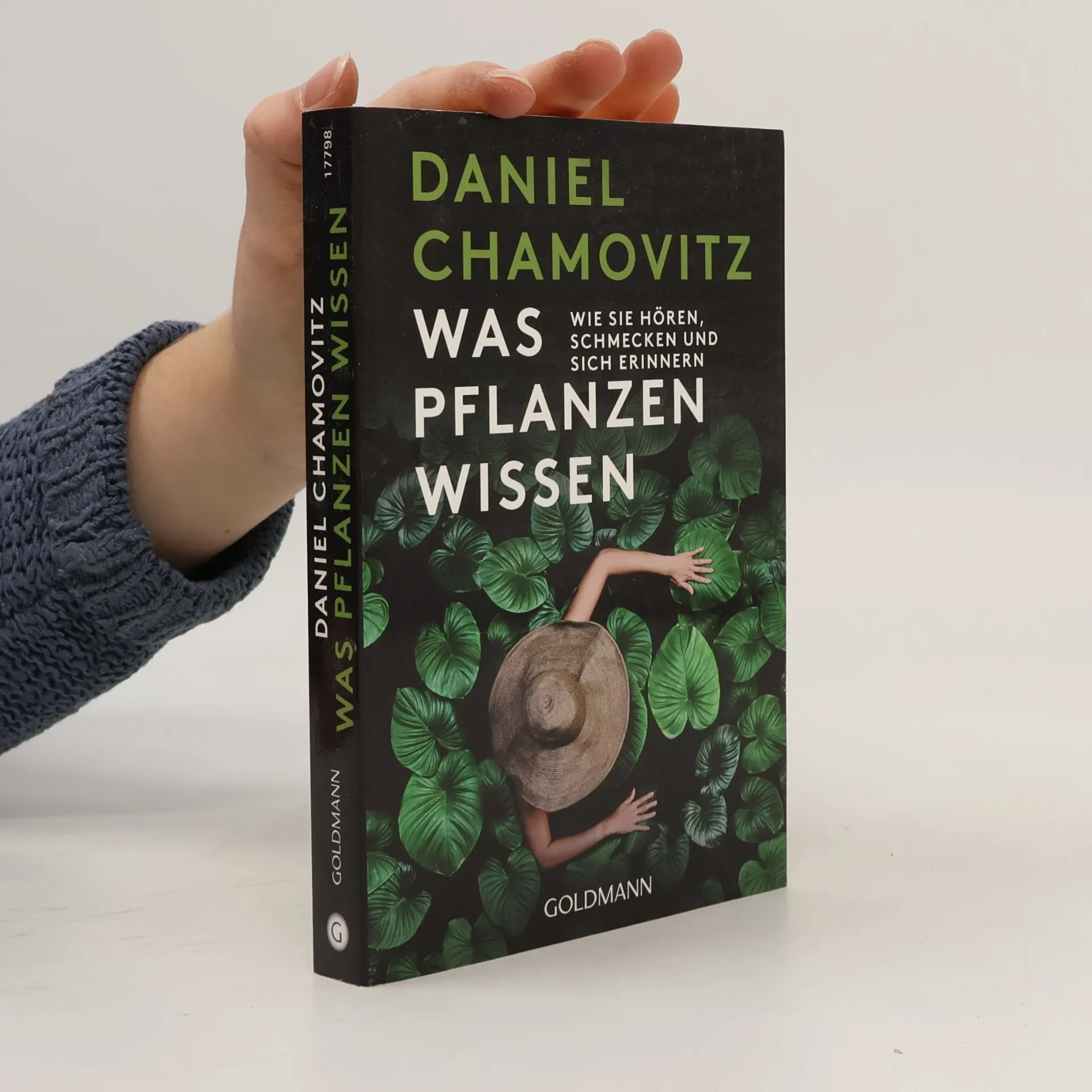


How does a Venus flytrap know when to snap shut? Can an orchid get jet lag? Does a tomato plant feel pain when you pluck a fruit from its vines? And does your favourite fern care whether you play Bach or the Beatles? Combining cutting-edge research with lively storytelling, biologist Daniel Chamovitz explores how plants experience our shared Earth – through sight, smell, touch, hearing, memory, and even awareness. Whether you are a green thumb, a science buff, a vegetarian, or simply a nature lover, this rare inside look at the life of plants will surprise and delight.
What a Plant Knows
- 192 Seiten
- 7 Lesestunden
"How does a Venus flytrap know when to snap shut? Can it feel an insect's tiny legs? And how do cherry blossoms know when to bloom? Can they actually remember the weather? For centuries we have collectively marveled at plant diversity and form. But now, in What a Plant Knows, the renowned biologist Daniel Chamovitz presents an intriguing look at how plants themselves experience the world - from the colors they see to the schedules they keep. Highlighting the latest discoveries in genetics and more, he takes us into the inner lives of plants and reveals that we have much more in common with sunflowers and oak trees than we may realize. Chamovitz shows how plants know up from down, how they know when a neighbor has been infested by hungry beetles, and whether they appreciate the Led Zeppelin you've been playing for them. Chamovitz encourages us all to consider whether plants might even be aware. A rare inside look at what life is really like for the grass we walk on, the flowers we sniff, and the trees we climb, What a Plant Knows offers a greater understanding of our own place in nature."--Book cover, p.[4]
WHAT A PLANT KNOWS REVISED
- 224 Seiten
- 8 Lesestunden
Thoroughly updated from root to leaf, this revised edition of the groundbreaking What a Plant Knows includes new revelations for lovers of all that is vegetal and verdant. Plants can hear—and taste things, too! The renowned biologist Daniel Chamovitz builds on the original edition to present an intriguing look at how plants themselves experience the world—from the colors they see to the schedules they keep, and now, what they do in fact hear and how they are able to taste. A rare inside look at what life is really like for the grass we walk on, the flowers we sniff, and the trees we climb, What a Plant Knows offers a greater understanding of their place in nature.
Co rostlina ví : průvodce smyslovým světem rostlin
- 184 Seiten
- 7 Lesestunden
Jak mucholapka ví, kdy sklapnout past? Cítí tenké hmyzí nožky? A jak třešeň pozná, že je ten správný čas vykvést? Pamatuje si, jaké bylo počasí? Svět z perspektivy rostlin je jiný než svět člověka. Jen proto, že se nepohybují a nekomunikují stejnou řečí, nebyla dříve smyslům rostlin věnována velká pozornost. Daniel Chamovitz, izraelský badatel světového formátu v oboru studia molekulárních mechanismů života rostlin, systematicky srovnává lidské a rostlinné smysly. Ukazuje, že rostliny jsou schopné vnímat a reagovat na všechny základní podněty z prostředí podobně jako my. Jen vnímání rostlin je evolučně optimalizováno na životní strategii organismu přisedlého, založeného na fotosyntéze a vystaveného mnoha stresům.