The Sleeping Sovereign
- 310 Seiten
- 11 Lesestunden
An examination of how the modern idea of constitutional referendums developed and how direct democracy became possible in modern states.


Richard Tuck ist ein führender Gelehrter auf dem Gebiet der politischen Ideengeschichte. Seine Werke befassen sich mit einer breiten Palette von Themen, darunter politische Autorität, Menschenrechte, Naturrecht und Toleranz. Seine Forschung konzentriert sich auf Schlüsseldenker und die Geschichte des politischen Denkens von Grotius und Hobbes bis Kant. Tuck befasst sich auch mit den Ursprüngen des ökonomischen Denkens und seinen aktuellen Problemen.

An examination of how the modern idea of constitutional referendums developed and how direct democracy became possible in modern states.
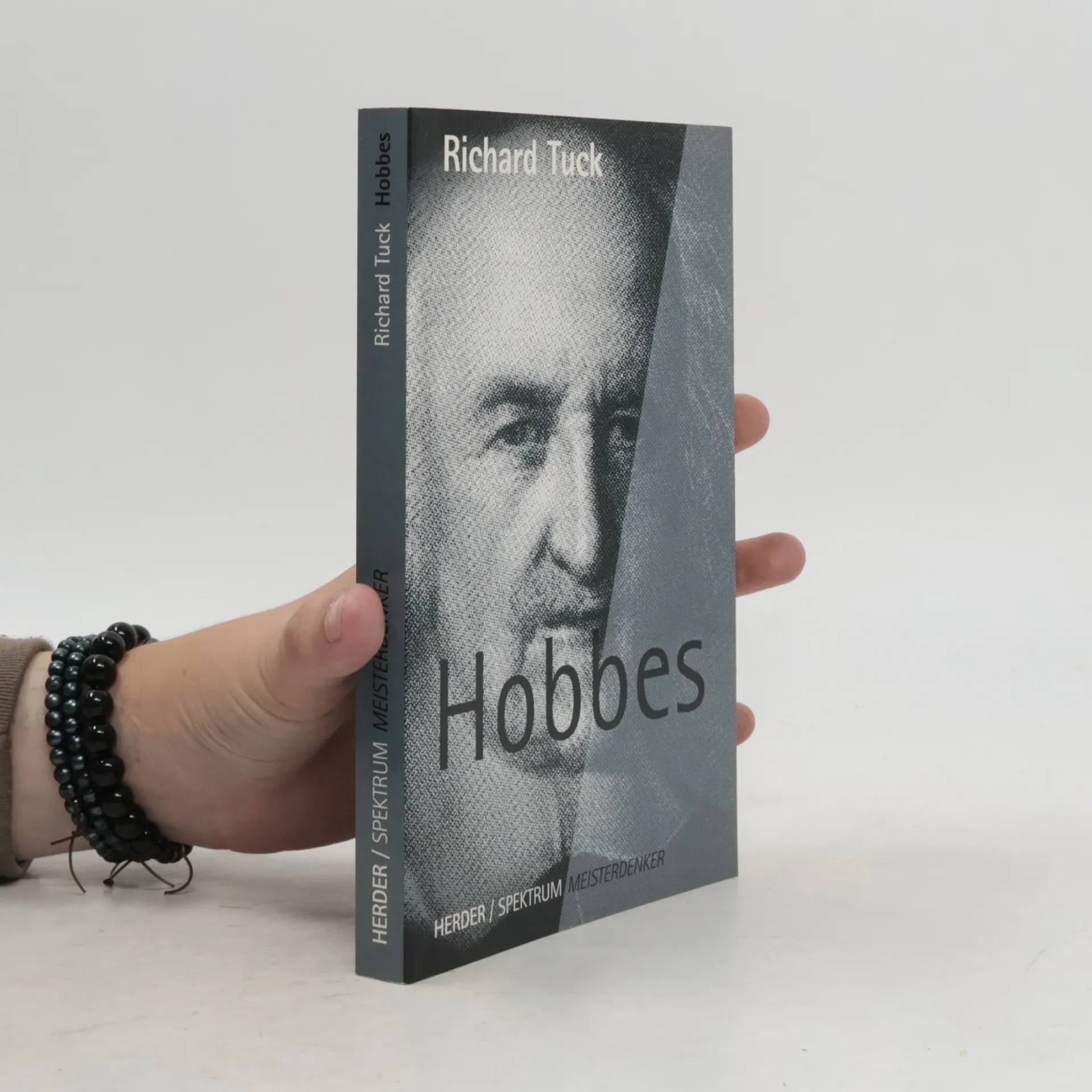
§ Thomas Hobbes` Ideen über die Freiheit und Unfreiheit des Individuums, über Macht, Gewalt, Gesetz und Gerechtigkeit waren für die Entwicklung der westlichen Demokratien von grundlegender Bedeutung. Überraschende Aspekte eines großen politischen Denkers - die spannende Einführung in das Leben eines der wichtigsten Philosophen der Neuzeit.§
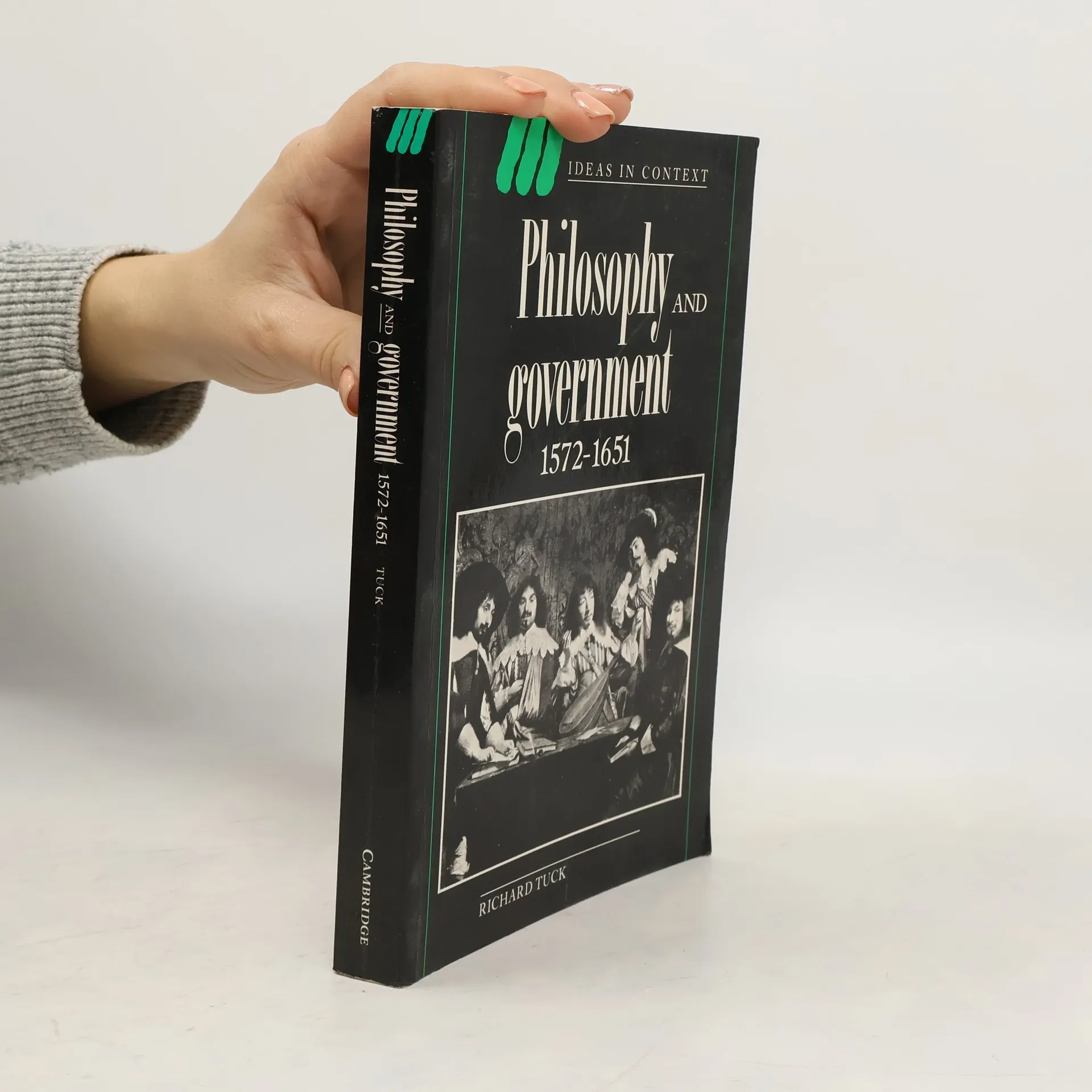
This major new contribution to our understanding of European political theory will challenge the perspectives in which political thought is understood. Framed as a general account of the period between 1572 and 1651 it charts the formation of a distinctively modern political vocabulary, based on arguments of political necessity and raison d'etat in the work of the major theorists. While Dr. Tuck pays detailed attention to Montaigne, Grotius, Hobbes and the theorists of the English Revolution, he also reconsiders the origins of their conceptual vocabulary in humanist thought--particularly skepticism and stoicism--and its development and appropriation during the revolutions in Holland and France. This book will be welcomed by all historians of political thought and those interested in the development of the idea of the state.