Kursbuch 187
- 200 Seiten
- 7 Lesestunden


Michael Lind ist ein Autor, dessen Werk sich mit Geschichte und politischem Journalismus befasst. Sein literarischer Stil zeichnet sich durch scharfsinnige Analyse und klare Formulierung komplexer Ideen aus. Lind erforscht gesellschaftliche und politische Phänomene und betont deren historische Wurzeln und gegenwärtige Auswirkungen. Seine Schriften werden für ihre intellektuelle Tiefe und ihre Fähigkeit geschätzt, zum Nachdenken anzuregen.


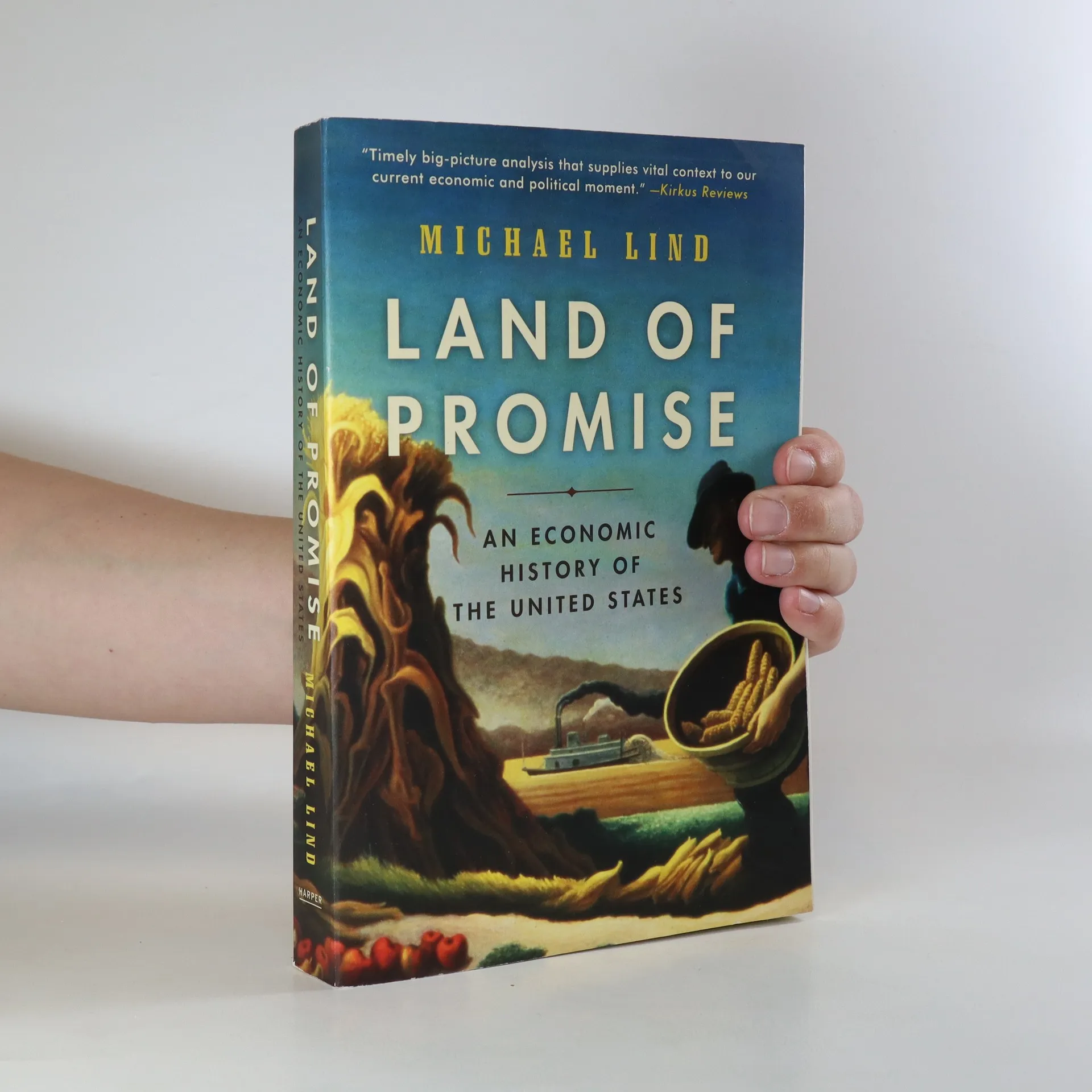

A sweeping and original work of economic history by Michael Lind, one of America’s leading intellectuals, Land of Promise recounts the epic story of America’s rise to become the world’s dominant economy. As ideological free marketers continue to square off against Keynesians in Congress and the press, economic policy remains at the center of political debate. Land of Promise: An Economic History of the United States offers a much-needed historical framework that sheds new light on our past—wisdom that offers lessons essential to our future. Building upon the strength and lucidity of his New York Times Notable Books The Next American Nation and Hamilton’s Republic, Lind delivers a necessary and revelatory examination of the roots of American prosperity—insight that will prove invaluable to anyone interested in exploring how we can move forward.
"Americans are unlikely to lose their cherished rights because of a military coup or a foreign conquest, writes Michael Lind. The more plausible and frightening scenario is one in which foreign danger forces Americans themselves to jettison their way of life, sacrificing liberty to ensure security. To prevent this scenario from happening is the real purpose of American strategy."
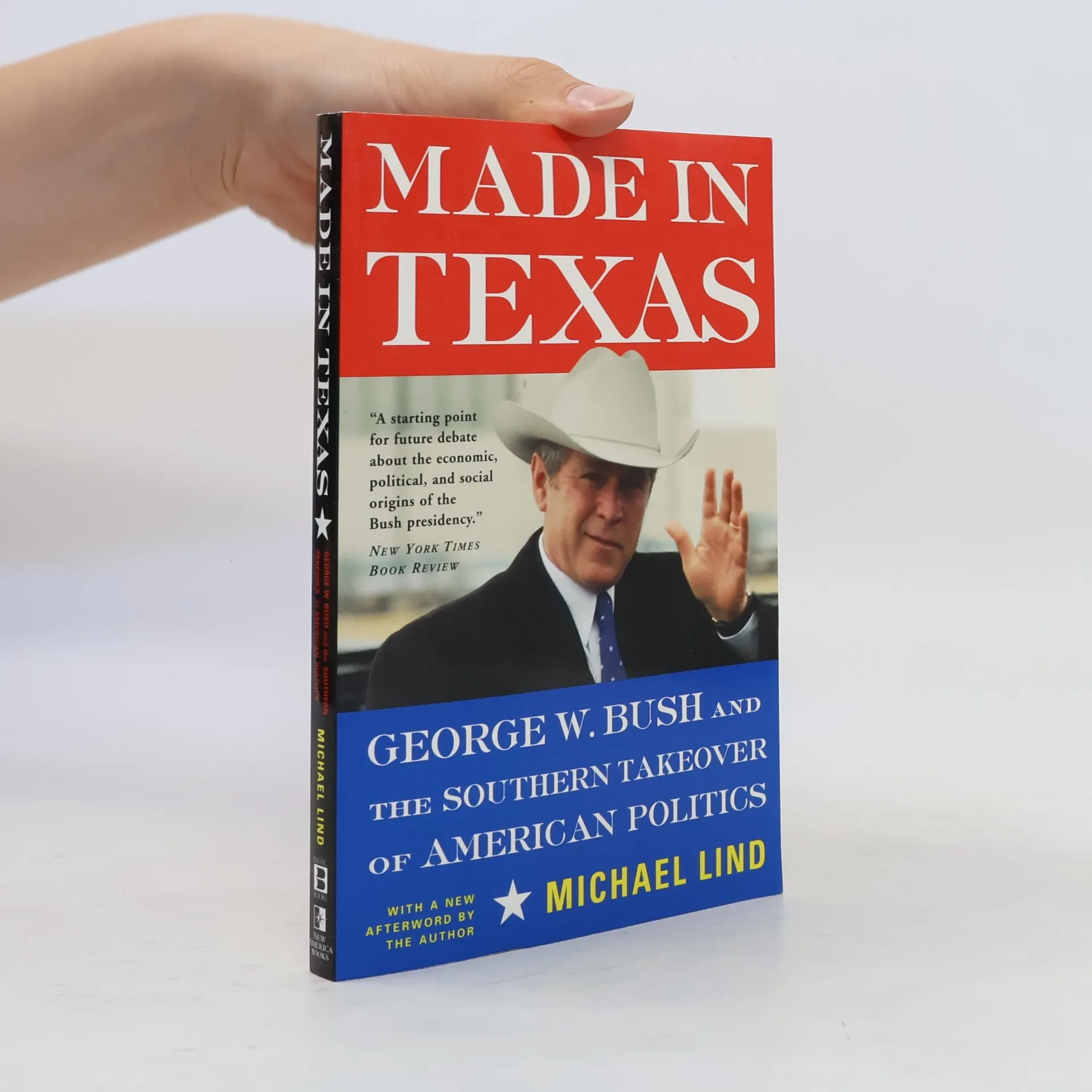
Bush, it threatens the future of the United States - and maybe the entire world." "Fortunately, George W. Bush represents only one tradition in Texas. There is another, more enlightened Texan tradition - the modernist tradition of high-tech industry and activist government represented by figures as different as Lyndon Johnson, H. Ross Perot and Admiral Bobby Ray Inman. The best antidote to Bush conservatism is made in Texas, too."--BOOK JACKET.
Aggressiv und unberechenbar verhalten sich die USA laut dem französischen Sozialwissenschaftler Emmanuel Todd. Er argumentiert, dass die Amerikaner als einzige verbliebene Supermacht nicht zu stark, sondern im Niedergang begriffen sind. Todd sieht die Ursache für den Wandel von einem „internationalen Ordnungsfaktor“ zu einem „Unruhestifter“ in der schwindenden Kontrolle der USA über die Welt. Er untermauert seine provokante These mit Beobachtungen, wie dem enormen Handelsbilanzdefizit, das die wirtschaftliche Abhängigkeit der USA vom Ausland verdeutlicht. Politisch seien sie nach dem Kalten Krieg nicht mehr als Schutzmacht gegen den Kommunismus gefragt. Diese Unsicherheit führe zu einem „theatralischen Militarismus“, bei dem Washington durch Angriffe auf schwache Gegner wie Afghanistan und den Irak Stärke demonstrieren wolle, die es nicht mehr besitze. Todd betont, dass er sich nicht zum Lager der Antiamerikaner zählt und versucht, seine Argumente wissenschaftlich zu untermauern, obwohl sie manchmal holzschnittartig wirken. Er stilisiert die USA zwischen 1950 und 1990 zum „gütigen Hegemon“ und behauptet, sie hätten das „Lager der Gerechten“ verlassen. Während seine Thesen provozieren, bleibt die Frage des weltweiten Terrorismus komplex und nicht allein Washington zuzuschreiben. Todds Buch ist ein lesenswerter Beitrag zu einer wichtigen Debatte.
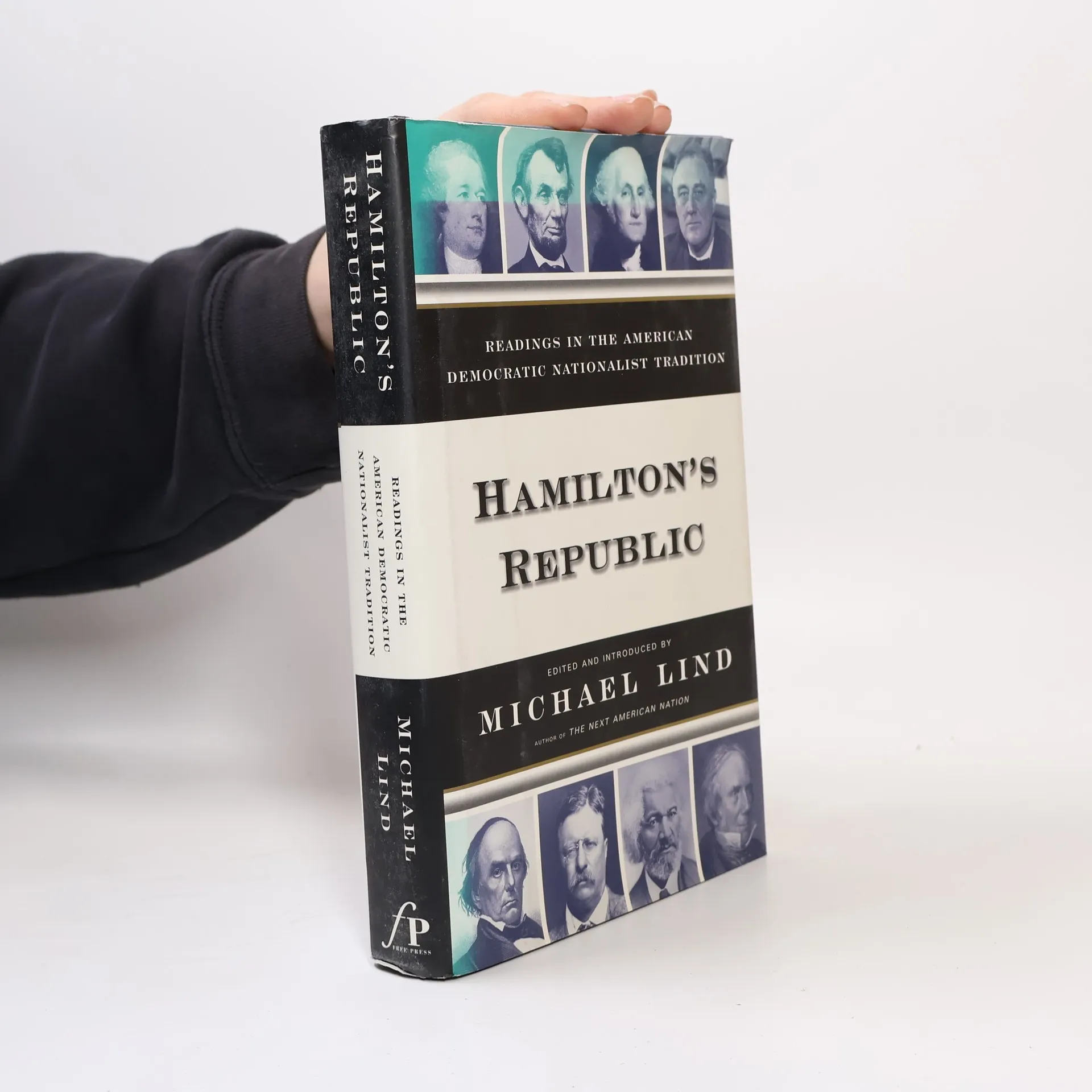
An anthology of writings on Hamiltonian democratic nationalism by such individuals as Alexander Hamilton, Frederick Douglass, and Franklin Roosevelt
The New Nationalism And The Fourth American Revolution
As the century draws to a close, debates over American identity have intensified, challenging the previous consensus that shaped our national culture. The urgency of defining our national identity has never been greater. Are we fragmenting into separate ethnic enclaves, or can we create a unified identity as we enter the 21st century? The author argues that American society is not splintering; instead, a multiracial middle-class majority is emerging, connected by a shared language, customs, and culture. This new majority has historically lacked a clear sense of identity and has been subject to divide-and-rule tactics by a wealthy elite controlling both major political parties. To realize the promise of American life, this 'Trans-American' majority needs a new social compact and a fresh theory of national identity. The author presents a comprehensive revisionist perspective on American history and proposes nation-building reforms to enhance our future. He argues that nationalism and the ideal of a trans-racial melting pot can coexist, offering a practical agenda for a liberal nationalist revolution that emphasizes color-blind civil rights while addressing class-based barriers to racial integration. This thought-provoking work challenges readers to reconsider the foundations of American identity and the path forward.