
Lieferung vor Weihnachten: Noch 5 Tage, 12 Stunden
Bookbot

Daisy Hay

    Daisy Hay
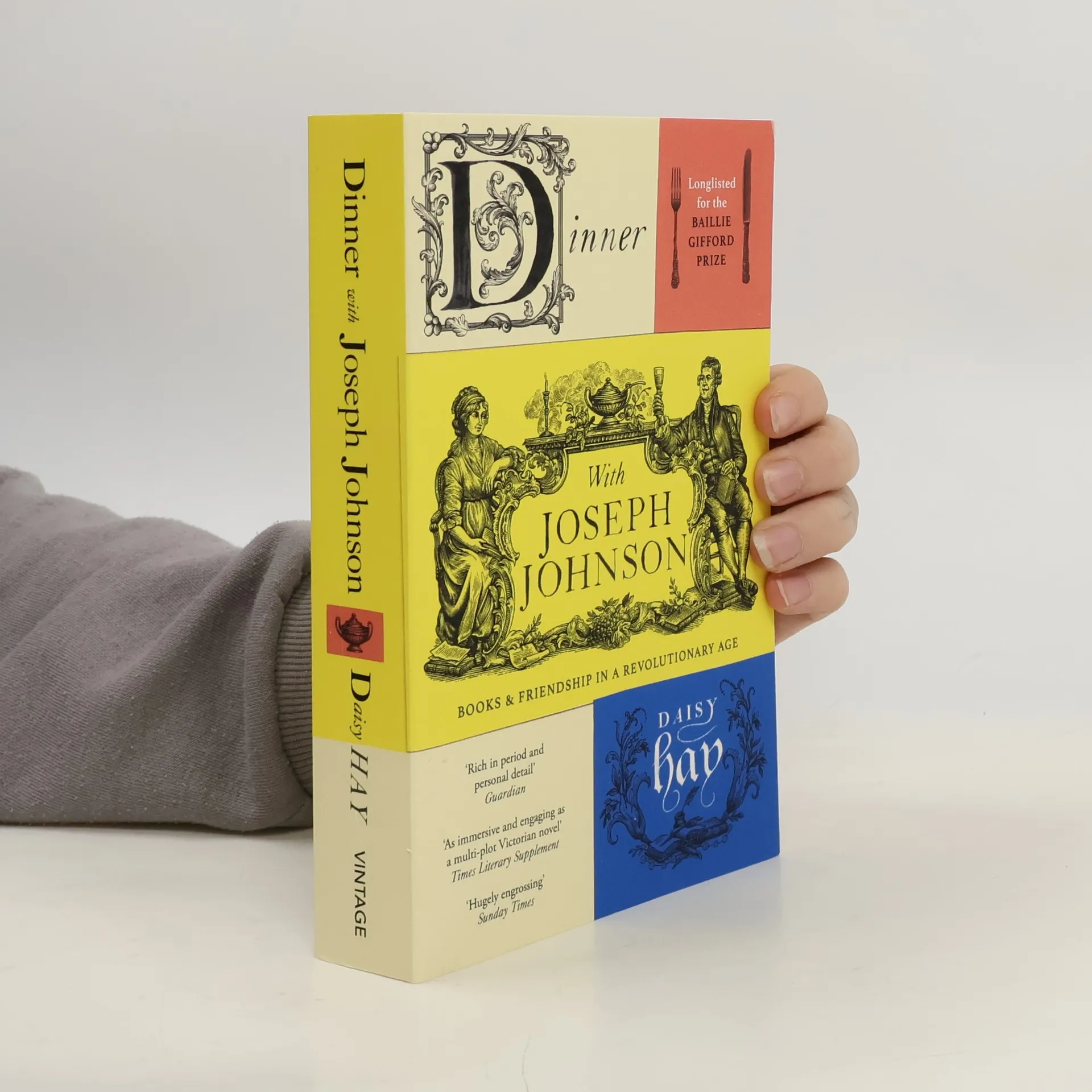
    Dinner with Joseph Johnson
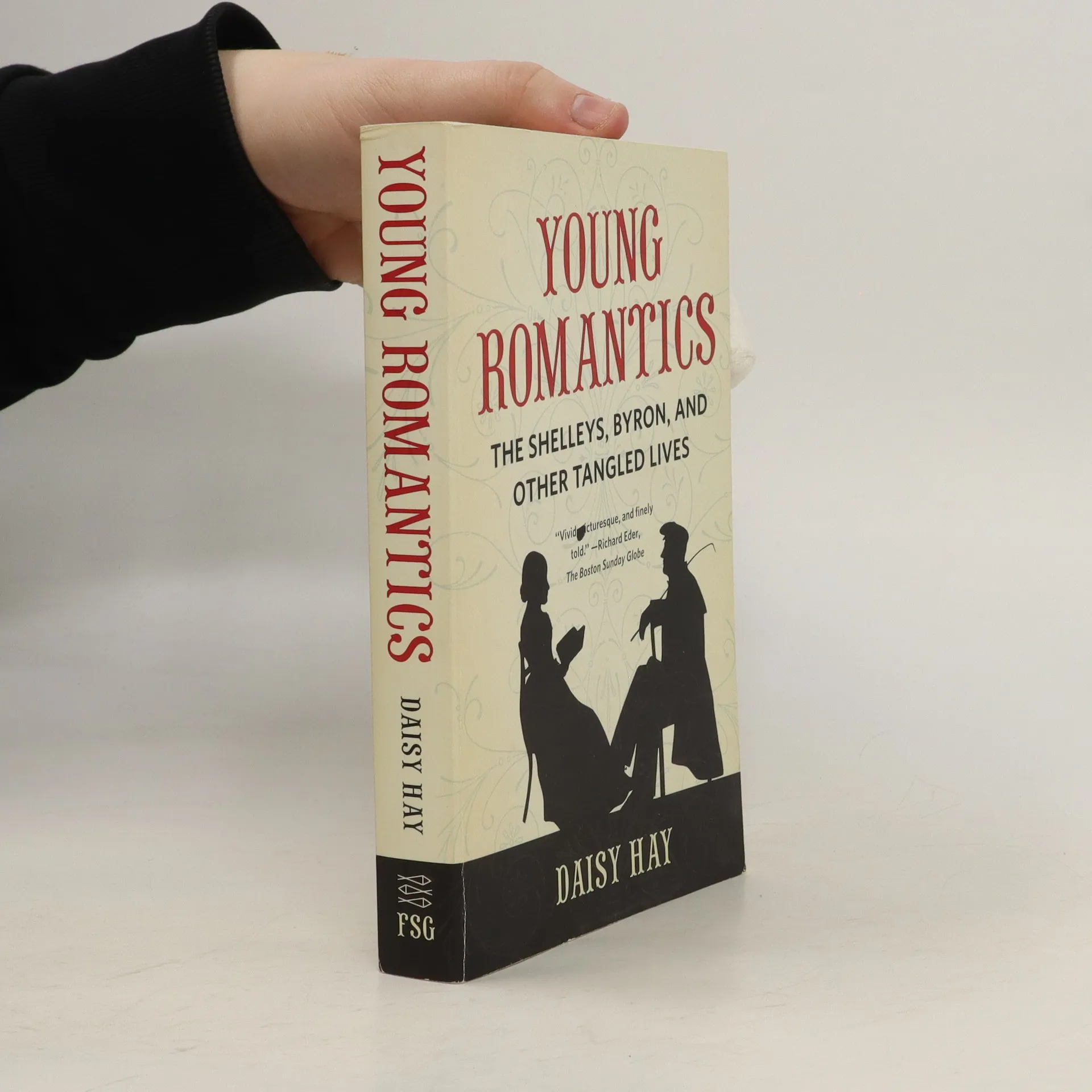
    Young Romantics
    Katzen sind die besseren Männer
    • Katzen sind die besseren Männer

      • 95 Seiten
      • 4 Lesestunden
      3,7(39)Abgeben

      Wir haben es immer gewusst: Katzen und Frauen sind wie füreinander geschaffen. Beide lieben Ruhe und Ordnung, sind reinlich und bescheiden und wissen einen gemütlichen Kuschelnachmittag auf dem Sofa sehr zu schätzen. Warum also mit einem Typen zusammenleben? Eine Mieze ist zärtlich und verständnisvoll, sie stinkt nicht, schnarcht nicht, raucht und trinkt nicht, hat keine eifersüchtige Exfreundin und kommt problemlos mit einem kleinen Zipfel der Bettdecke aus. Recht hat, wer Bett und Haus mit einer Katze teilt - und nicht mit einem Mann.

      Katzen sind die besseren Männer
    • Young Romantics

      • 402 Seiten
      • 15 Lesestunden
      4,2(114)Abgeben

      Young Romantics explores the interconnected lives of young English Romantic poets, highlighting their extreme youth, yearning for friendship, individuality, and political radicalism. The narrative centers on the community surrounding Percy Bysshe Shelley and journalist Leigh Hunt, featuring prominent figures like Lord Byron, John Keats, and Mary Shelley, along with lesser-known yet intriguing personalities such as Claire Clairmont, Elizabeth Kent, Vincent Novello, and artists like Benjamin Haydon and Joseph Severn. These individuals were marked by talent, idealism, and youthful fervor, which influenced their politically oppositional views. The story unfolds from 1813, when they began to gather around Hunt in London, to 1822. The book presents a captivating tale of love, betrayal, sacrifice, and friendship set against a backdrop of political upheaval and vibrant literary creativity. The prose is described as firm, clear, and elegant, effectively narrating the significant events in the lives of these figures. The account vividly captures the passionate and tumultuous experiences of the Romantics, providing a picturesque and finely told exploration of their lives.

      Young Romantics
    • Dinner with Joseph Johnson

      • 384 Seiten
      • 14 Lesestunden
      4,2(49)Abgeben

      "A portrait of a radical age via the writers who gather around a publisher's dining table - from William Wordsworth to Mary Wollstonecraft. Joseph Johnson became a bookseller and a maker of books in an age when books appeared to have the potential to change the world. Between 1760 and 1809, the years of Johnson's adulthood, Britain experienced a period of political, social, scientific, cultural, religious and scientific change during which nothing was certain and everything seemed possible. On paper Johnson's dinner guests charted the evolution of Britain's relationship first with America and then with Europe: several were intimately involved in the struggles that reformed the world order. They pioneered revolutions in medical treatment and scientific enquiry and they proclaimed the rights of women and children. The men and women who gathered around Johnson had no communal name and they never moved as a single group. Some, like Wollstonecraft, Fuseli, Bonnycastle and Lindsey, frequented his shop and his dining room without waiting to be invited, treating his home as an extension of their own. Others, like Priestley and Barbauld, viewed St Paul's Churchyard as their pole star. Paine, Trimmer and Darwin left fewer textual traces of their physical presence in Johnson's house. One man, Johnson's engraver William Blake, came to dinner only rarely. The poet William Cowper never visited London but he made his presence felt in the dining room just as surely as did those who came to Johnson's shop and home. Johnson turned his home into a place where writers of contrasting politics and personalities could come together. The dining room provided space for thinking and talking but it also symbolised and served as a sanctuary at times of crisis. Johnson's guests had to contend with events that threatened their physical security as well as their intellectual liberty. In the tumultuous years either side of the French Revolution they faced riots, fire, exile and prison, alongside the more quotidian but no less serious threats of homelessness, mental collapse, poverty and the exigencies of childbirth. Throughout Johnson's house provided a refuge, and his labours allowed his visitors to make their voices heard even when external forces conspired to silence them"--Publisher's description

      Dinner with Joseph Johnson