Owen Barfield explores the evolution of consciousness through a profound analysis of mythology and poetics, influenced by figures like Coleridge and Steiner. His philosophy highlights the noetic role of poetry and its transformative impact on cultural history. As a member of the Oxford Inklings, Barfield's debut work, The Silver Trumpet, stands out as the first märchen published by the group, marking a significant contribution to fantasy literature.
Owen Barfield Reihenfolge der Bücher (Chronologisch)
9. November 1898 – 14. Dezember 1997
Arthur Barfield war ein britischer Philosoph, dessen Werk sich primär mit der Evolution des Bewusstseins befasste. Als engagierter Dichter und Schriftsteller hinterließ er ein Erbe an Essays, Büchern und Versen. Barfield gilt als Schlüsselfigur der Anthroposophie im englischsprachigen Raum. Seine einzigartige Perspektive und intellektuelle Strenge beeinflussten maßgeblich Zeitgenossen wie C. S. Lewis und J. R. R. Tolkien.


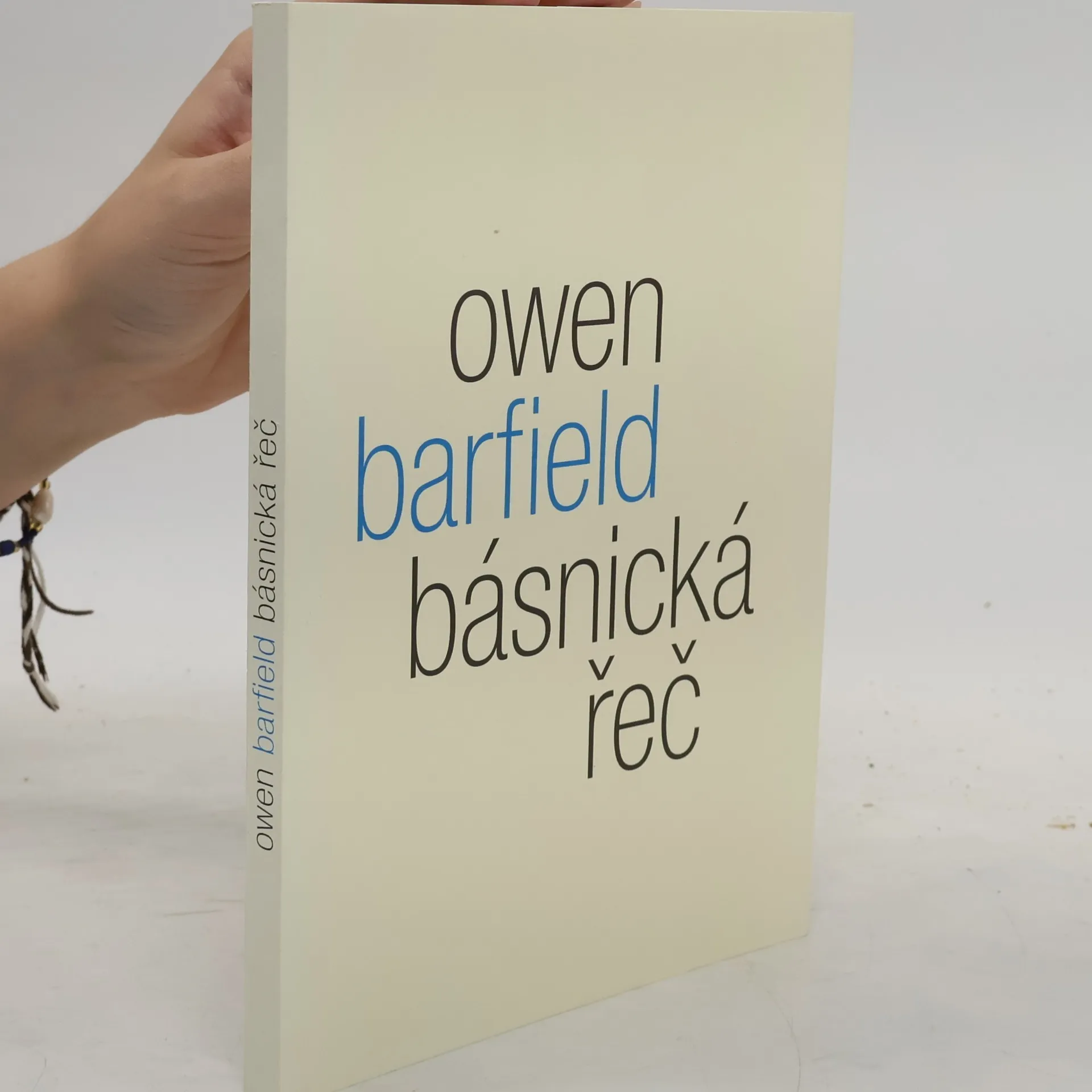
Básnická řeč: Studie o významu
- 192 Seiten
- 7 Lesestunden
Jen stěží lze najít českého čtenáře, který by neznal Pána prstenů nebo Letopisy Narnie. Jméno Owena Barfielda, bez něhož by tato díla pravděpodobně nebyla nikdy vznikla, je však v českém prostředí téměř neznámé. Přitom to byl právě Barfield, kdo rozhodující měrou přispěl ke zformování volného filosoficko-literárního sdružení Inklings, k němuž od počátku náležel jeho celoživotní přítel C. S. Lewis a později též J. R. R. Tolkien. Právě Barfieldova pohádka Stříbrná trubka přivedla Tolkiena k tomu, aby se pokusil psát příběhy pro děti, a Básnická řeč ho vyzbrojila pohledem, který mu pomohl oslovit novou mýtotvorbou celý svět. C. S. Lewis označil Barfielda za nejlepšího a nejmoudřejšího ze svých neoficiálních učitelů a své Letopisy Narnie věnoval Barfieldově dceři Lucy, která ho inspirovala k postavě hlavní hrdinky. V Básnické řeči dostává český čtenář do ruky knihu, jež zahájila epochu nové literární fantazie, epochu nového hledání celistvosti, která by obsáhla vědu i víru, zachytila věcnou dovednost i uměleckou tvorbu, nasytila rozum i srdce. Slova Howarda Nemerova, nositele Pulitzerovy ceny za poezii a několika dalších prestižních literárních ocenění, který označuje Básnickou řeč za „posvátnou knihu“ své básnické generace, nejsou nadsazená. „Máme dost zajímavých autorů, ale Owen Barfield se nespokojuje s tím, že je zajímavý,“ říká Saul Bellow, nositel Nobelovy ceny za literaturu: „Jeho předsevzetím je pomoci nám na svobodu."
Owen Barfield on C.S. Lewis
- 188 Seiten
- 7 Lesestunden
The book features a compilation of essays and lectures that delve into the life and works of C. S. Lewis, exploring his contributions as an author, theologian, and literary scholar. Through Owen Barfield's insights, readers gain a deeper understanding of Lewis's philosophies and literary impact, highlighting the significance of his ideas in the context of literature and theology.
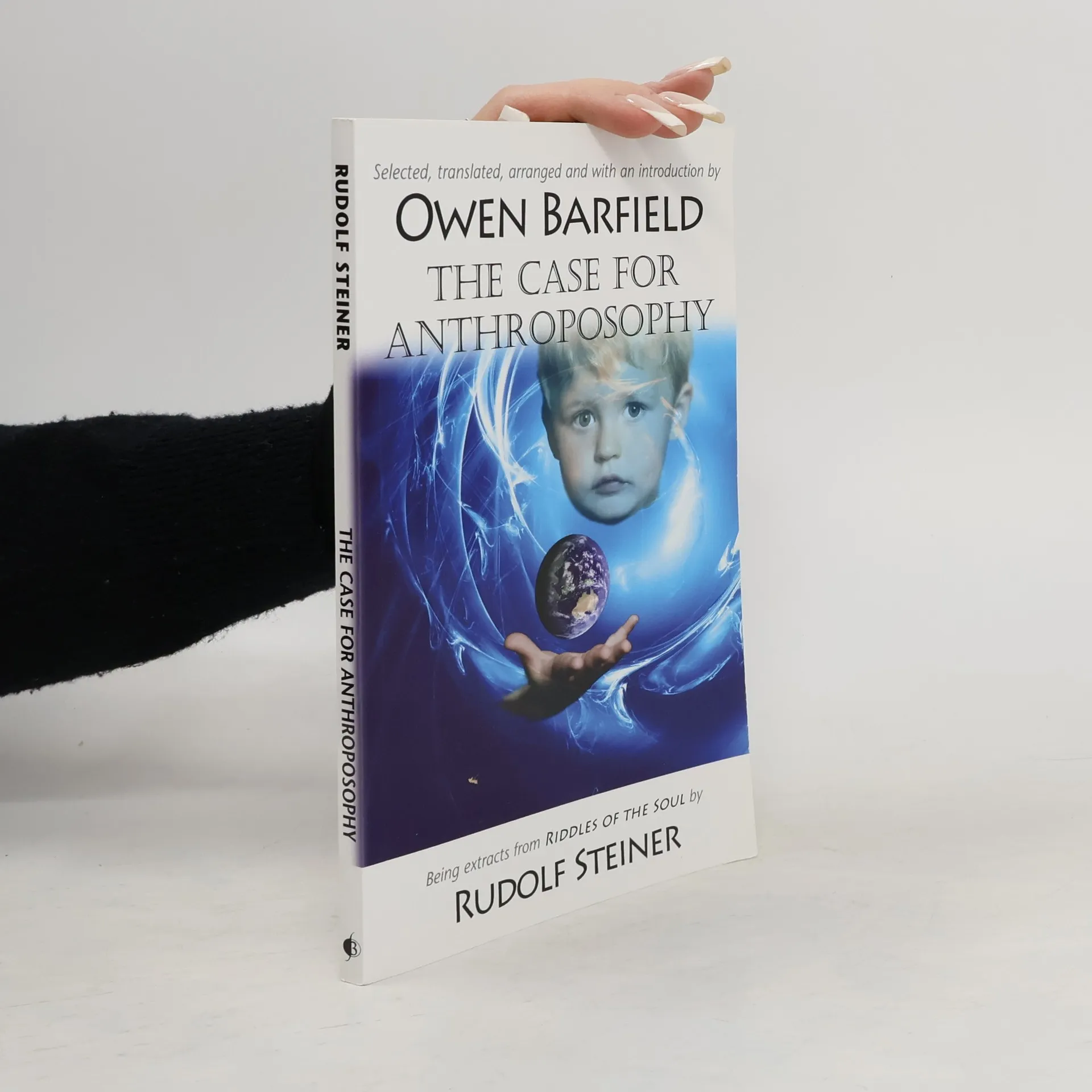
The Case for Anthroposophy
- 104 Seiten
- 4 Lesestunden
What does it mean to be human? 'The Case for Anthroposophy' invites us to explore human nature in the true scientific spirit, "a will to know and a refusal to accept boundaries except for the purpose of overthrowing them" (Owen Barfield, "Introduction"). Doing so, we discover that we are essentially spiritual beings. Internationally renowned for his books about language, the imagination, and the evolution of consciousness, Owen Barfield found that his own researches were consistently confirmed, deepened, and enlarged by anthroposophy, the science of the spirit inaugurated by Rudolf Steiner. For almost three quarters of a century, from 1923 until his death in December 1997, Barfield actively studied anthroposophy. Those who are interested in his life and work will find this volume particularly valuable, not only because it so lucidly and powerfully sets forth the case for the science of the spirit that Barfield himself practiced, but also because it is a splendid example of Barfield's outstanding skill as translator and editor.
The book features a fictional dialogue among eight diverse characters, each representing different fields such as physics, biology, theology, philosophy, psychiatry, education, rocket science, and law. Through their conversations, they explore the cultural and intellectual landscape of the 1960s, delving into the era's significant themes and debates. This interplay of perspectives offers a rich exploration of the complexities of the time, highlighting the intersections between science, faith, and human experience.
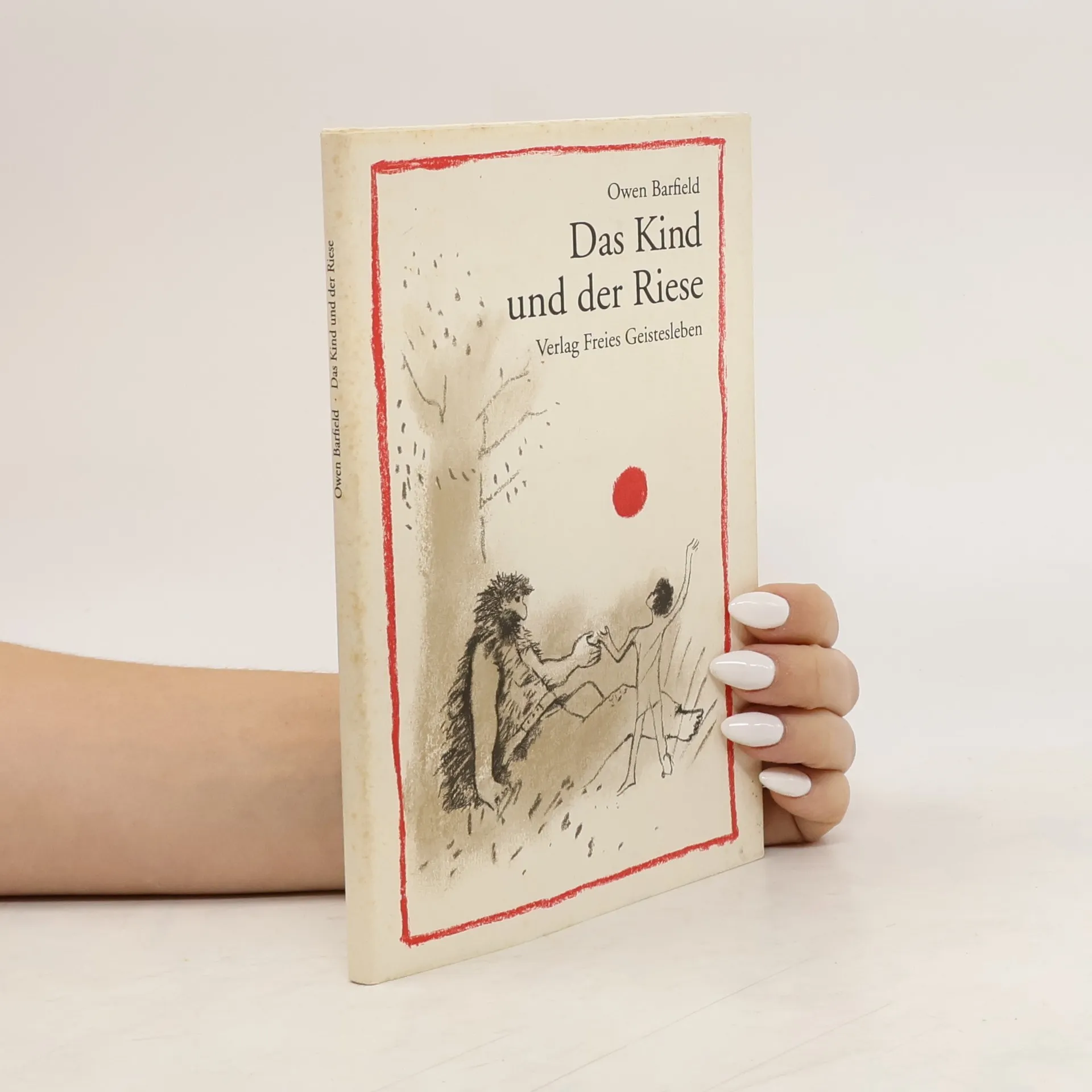
Das Kind und der Riese
Eine orphische Erzählung
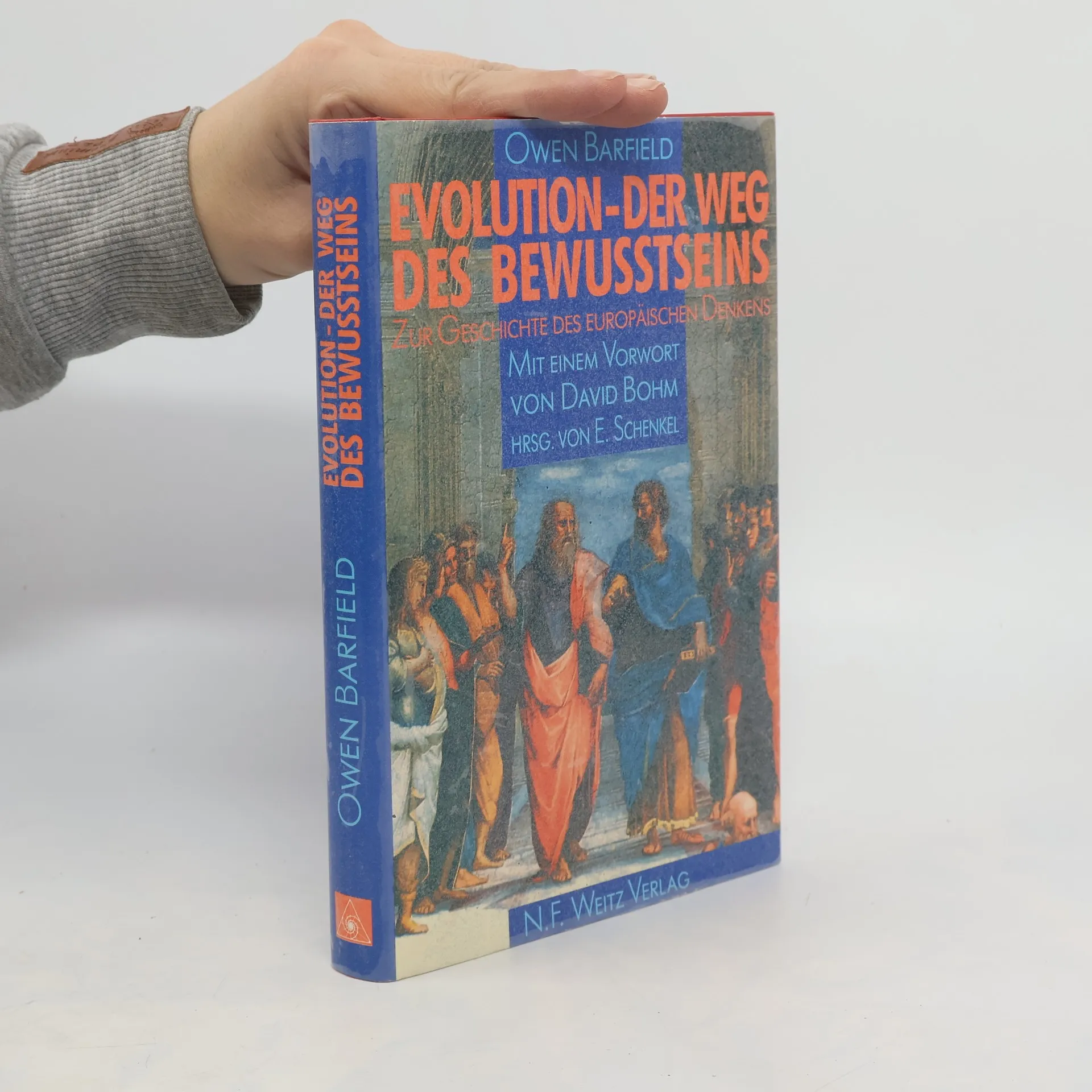
Evolution - der Weg des Bewusstseins
Zur Geschichte des europäischen Denkens
Seit Jahrzehnten gilt das Werk des englischen Philosophen Owen Barfield als Geheimtipp; vor allem in den USA wird es inzwischen aber intensiv gelesen. Hier ist ein Denker, der wieder die Frage nach dem Sinn von Geschichte und Wissenschaft zu stellen wagt und der beide im größeren Rahmen der Evolution des menschlichen Geistes begreift. Mit Evolution – Der Weg des Bewusstseins liegt nun Barfields Hauptwerk vor, das in mancher Hinsicht dem Denken Ernst Cassirers, Rudolf Steiners und Jean Gebsers nahesteht. Es entwirft in subtiler Analyse die Bewusstseinsgeschichte des abendländischen Geistes von seinen griechisch-jüdischen Ursprüngen her bis in das Atomzeitalter. Dabei werden erstaunliche Einblicke möglich in die Entwicklung des Raum- und Zeitbewusstseins, des Verständnisses von Natur, Kosmos und Person.
Work of the Angels in Man's Astral Body
- 40 Seiten
- 2 Lesestunden
Reprint. Originally published: London: Faber & Faber, 1957.
History in English Words
- 192 Seiten
- 7 Lesestunden
A classic historical excursion through the English language.