

Stimmt es wirklich, dass die meisten Menschen nur einen Bruchteil ihres Gehirns nutzen? Und ist das alte Sprichwort ›was Hänschen nicht lernt, lernt Hans nimmermehr‹ auch wissenschaftlich belegbar? Sie werden sich wundern, denn einige der in diesem Buch entlarvten Mythen der Populärpsychologie haben sich so in unserem Alltag festgesetzt, dass man nicht einmal auf die Idee kommen würde, sie anzuzweifeln. Die Autoren haben 25 der in der Bevölkerung meist verbreiteten Psychologie-Irrtümer ausgewählt. Sie erläutern, weshalb sie entstehen und warum wir immer wieder so blauäugig auf sie hereinfallen. Das Buch bietet zudem eine allgemeine Anleitung zum ›Mythenknacken‹, denn viele Psychologie-Irrtümer, denen wir auf den Leim gehen, ›funktionieren‹ immer gleich – man muss sie nur erkennen können!
Scott O. Lilienfeld Bücher
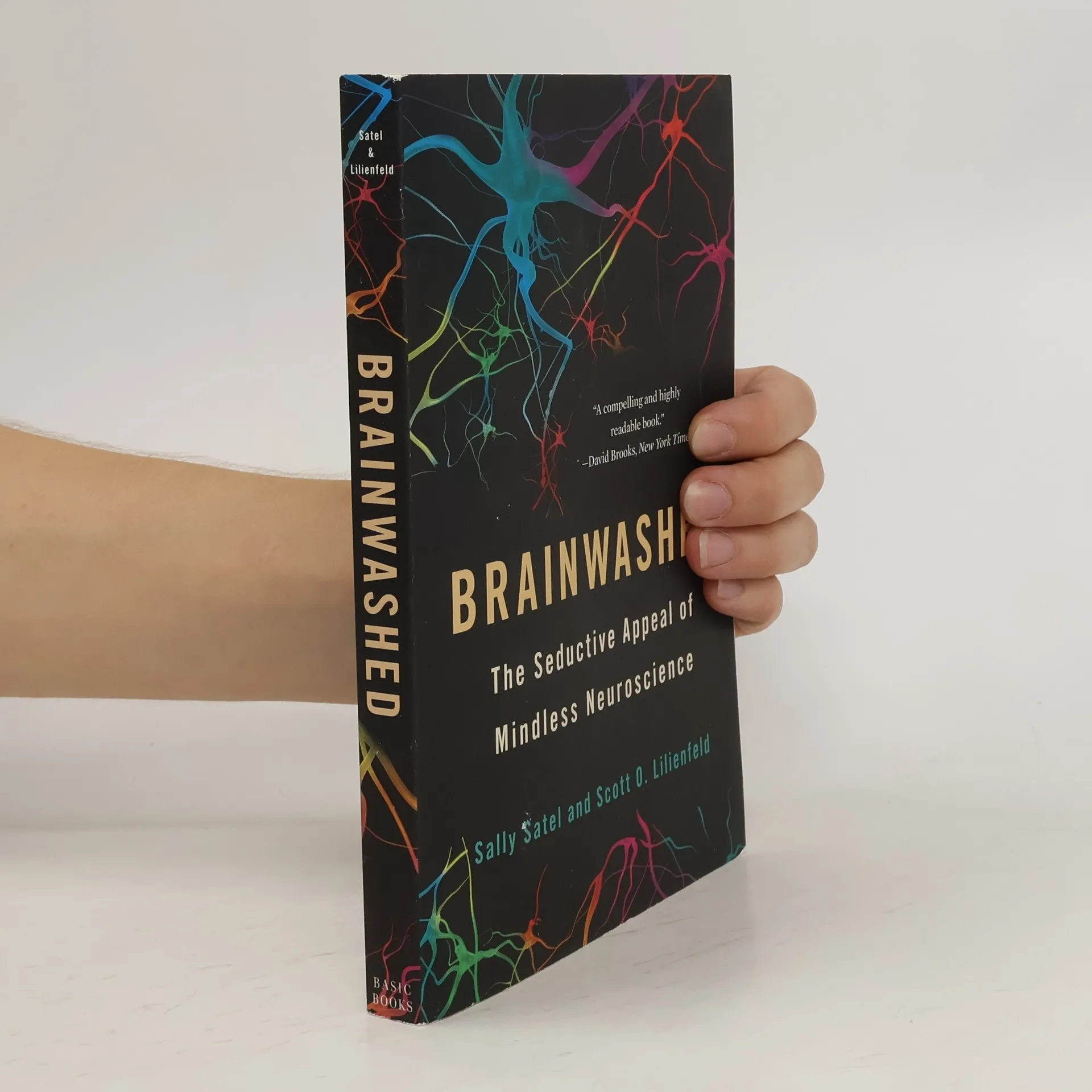

Brainwashed
- 256 Seiten
- 9 Lesestunden
A well-informed attack on the extravagances of'neurocentrist' thought.-Slate
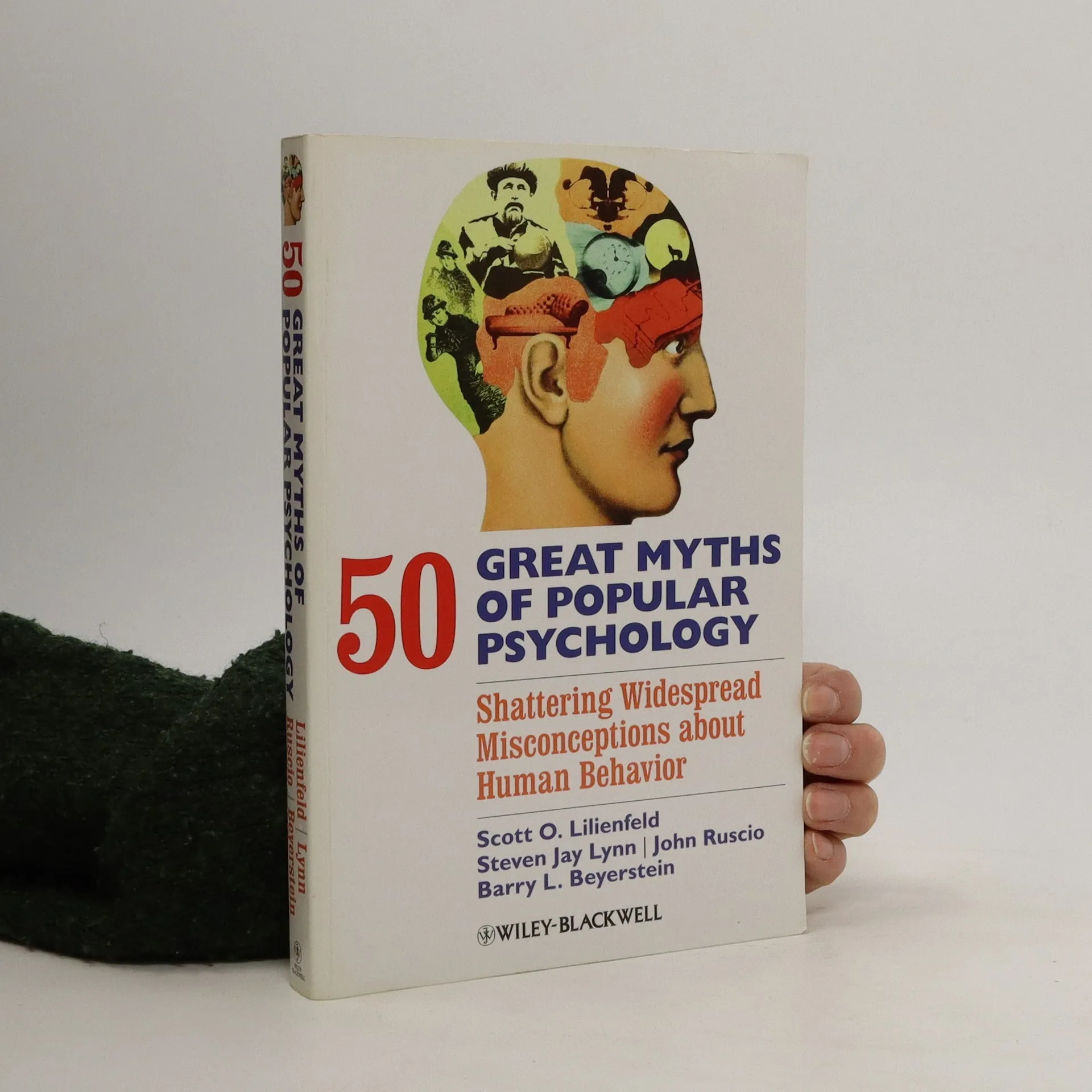
50 Great Myths of Popular Psychology uses popular myths as a vehicle for helping students and laypersons to distinguish science from pseudoscience.# Uses common myths as a vehicle for exploring how to distinguish factual from fictional claims in popular psychology# Explores topics that readers will relate to, but often misunderstand, such as 'opposites attract', 'people use only 10% of their brains', and 'handwriting reveals your personality'# Provides a 'mythbusting kit' for evaluating folk psychology claims in everyday life# Teaches essential critical thinking skills through detailed discussions of each myth# Includes over 200 additional psychological myths for readers to explore# Contains an Appendix of useful Web Sites for examining psychological myths# Features a postscript of remarkable psychological findings that sound like myths but that are true# Engaging and accessible writing style that appeals to students and lay readers alike
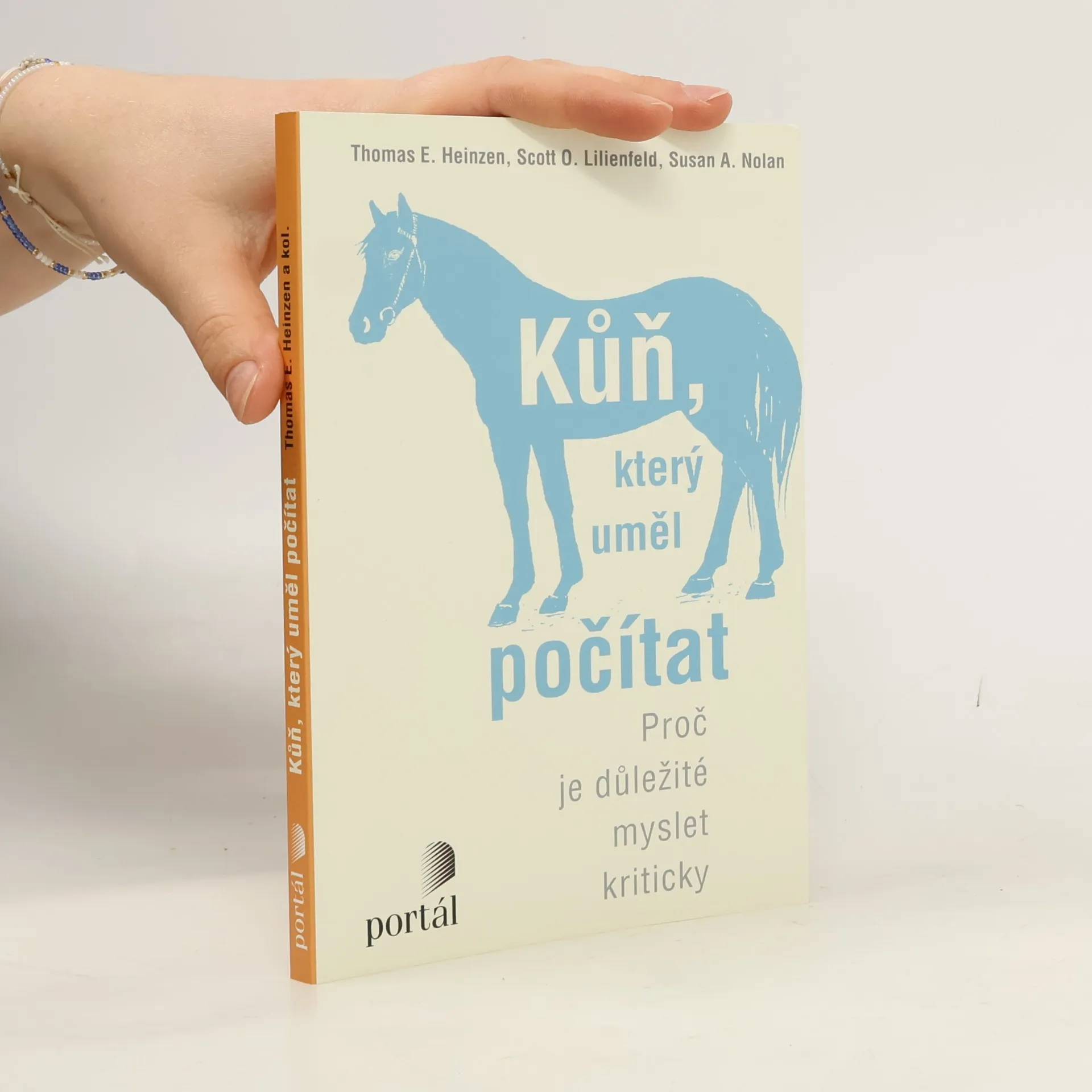
Kůň, který uměl počítat: Proč je důležité myslet kriticky
- 160 Seiten
- 6 Lesestunden
Na začátku 20. století proslul penzionovaný berlínský učitel matematiky tím, že jeho kůň, jemuž se začalo přezdívat „chytrý Hans“, umí počítat a rozumí složitým slovním pokynům. Byly schopnosti koně skutečné? Jistěže ne! Ale čím to, že jim uvěřilo tolik lidí a že vzbudil takový zájem médií? A jak tento mechanismus ve skutečnosti fungoval? Na počátku 90. let minulého století získala velkou pozornost takzvaná facilitovaná komunikace, užívaná u dětí s autismem. Jenže na jejím základě nejenže začaly děti zázračně „mluvit“, ale také došlo k obvinění jejich rodičů ze zneužívání. I funkčnost této metody se ukázala jako klamná. Co má kůň, který uměl počítat, společného s metodou zázračné komunikace? Američtí profesoři psychologie za pomoci těchto i jiných příkladů ukazují, jak funguje naše myšlení, jak se vyhnout sebeklamu a jak myslet jasně a kriticky. Jakoby mimochodem přitom vysvětlují řadů vědeckých pojmů a zajímavých skutečností.