Bookbot

Patricia Churchland

    16. Juli 1943

    Patricia Smith Churchland erforscht die Schnittstelle von Neurowissenschaften und Philosophie und argumentiert, dass das Verständnis des Gehirns entscheidend für das Verständnis des Geistes ist. Ihre Arbeit ist mit dem eliminativen Materialismus verbunden, der besagt, dass gängige psychologische Konzepte durch wissenschaftliche Erkenntnisse über Gehirnfunktionen ersetzt werden müssen. Ihre auf Naturalismus und wissenschaftlicher Forschung basierende Arbeit konzentriert sich neuerdings auch auf die Neuroethik, indem sie Wahl, Verantwortung und Moral im Kontext von Gehirnfunktion, -evolution und kultureller Interaktion untersucht. Churchland ist bekannt dafür, ihre philosophischen Prinzipien im Alltag anzuwenden und ihre inneren Zustände mit präziser neurochemischer Terminologie zu beschreiben.

    Braintrust
    Die Rechenmaschine und das Gehirn
    Brain-Wise
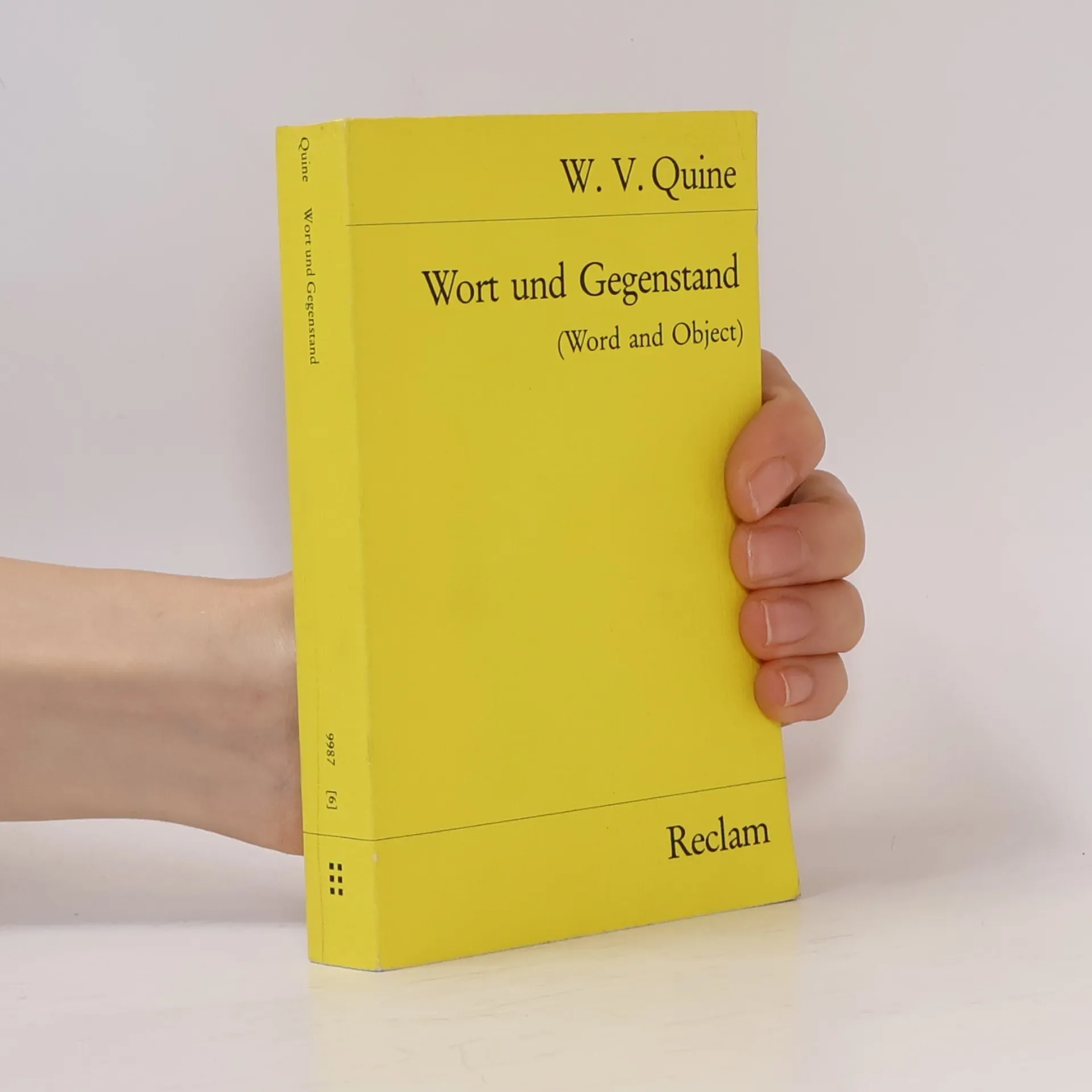
    Wort und Gegenstand
    Neurophilosophy
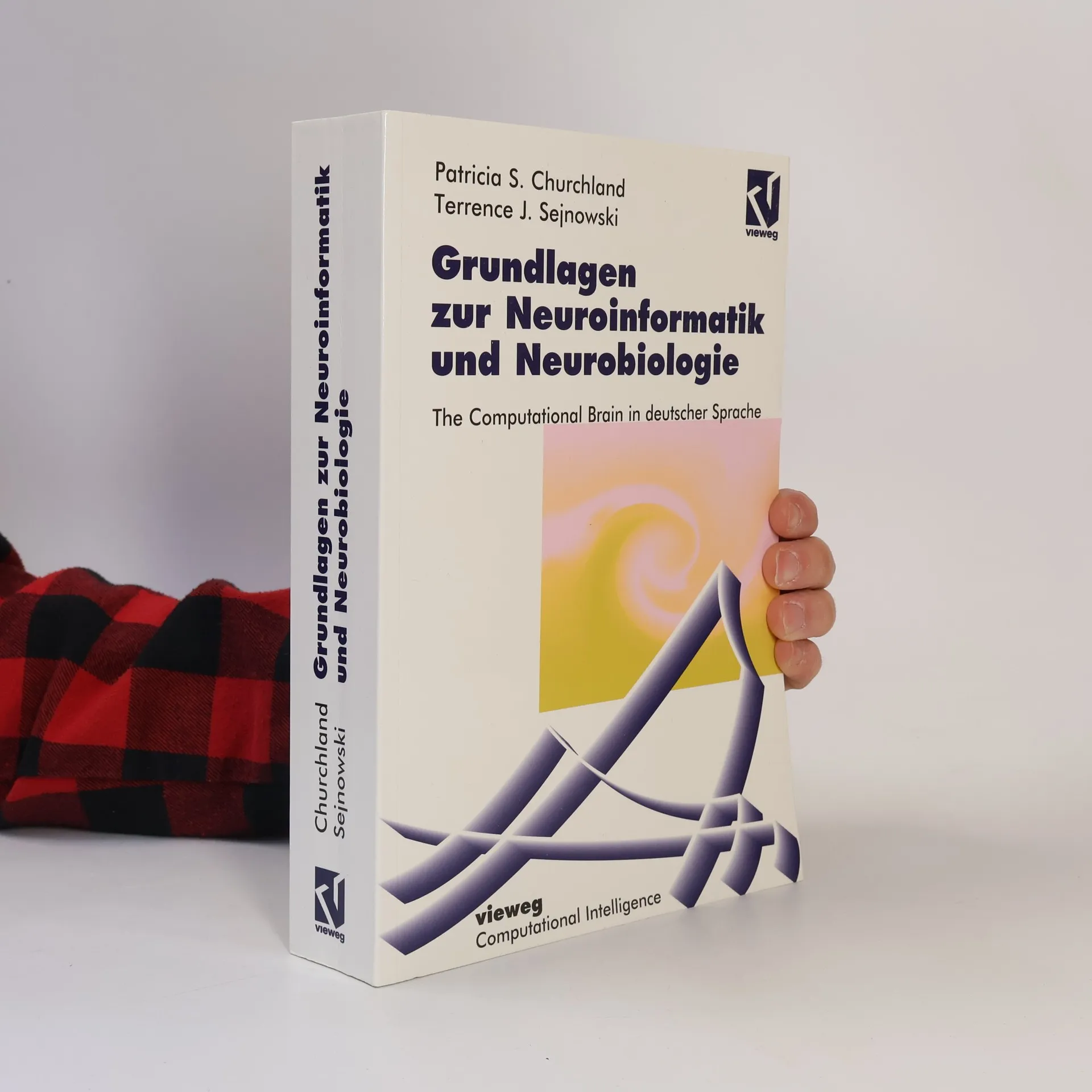
    Grundlagen zur Neuroinformatik und Neurobiologie
    • Das außergewöhnliche Buch über vergleichende Forschung zwischen menschlichem Gehirn und moderner Computertechnologie liegt nun erstmals in deutscher Sprache vor. Geschrieben von einem führenden Forscherteam aus den USA, bietet es eine umfassende Übersicht über den aktuellen Stand der Wissenschaft in diesem Bereich. Die Autoren verknüpfen Neuroinformatik und Neurobiologie geschickt mit anschaulichen Beispielen und fundierter Hintergrundinformation. Dadurch wird das Werk sowohl für Fachwissenschaftler als auch für interdisziplinär interessierte Informatiker und Biologen äußerst wertvoll. Übersetzt von einem Informatiker und einer Biologin, wird die Verbindung von Neurobiologie und Neuroinformatik in diesem Buch auf einzigartige Weise thematisiert. Die 1992 erschienene amerikanische Originalausgabe hat sich als so erfolgreich erwiesen, dass sie mittlerweile als Klassiker gilt. Es wird empfohlen, da es die Faszination theoretischer Hirnforschung vermittelt, die zunehmend mehr Wissenschaftler in Deutschland anzieht. Das Buch ist somit eine unverzichtbare Ressource für alle, die sich für die Schnittstellen von Neurowissenschaft und Informatik interessieren.

      Grundlagen zur Neuroinformatik und Neurobiologie
      5,0
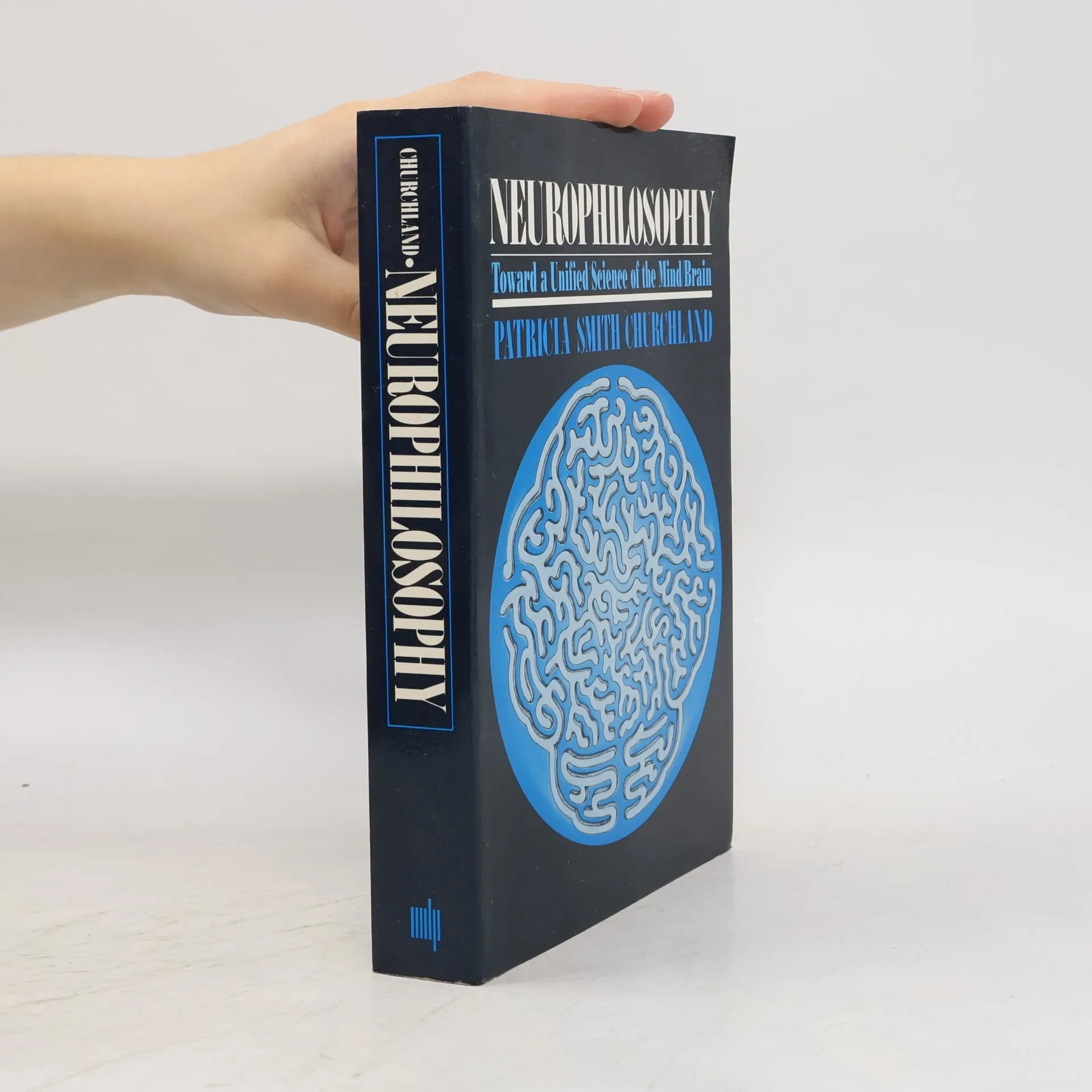
    • Neurophilosophy

      Toward a Unified Science of the Mind-brain

      Five chapters in the book's first part, "Some Elementary Neuroscience," sketch the history of the science of nervous systems and provide a general introduction to neurophysiology, neuroanatomy, and neuropsychology. In the second part, "Recent Developments in the Philosophy of Science," chapters place the mind-body problem within the wider context of the philosophy of science. Drawing on recent research in this area, a general account of intertheoretic reduction is explained, arguments for a reductionist strategy are developed, and traditional objections from dualists and other antireductionists are answered in novel ways. The third part, "A Neurophilosophical Perspective," concludes the book with a presentation and discussion of some of the most promising theoretical developments currently under exploration in functional neurobiology and in the connectionist models within artificial intelligence research.

      Neurophilosophy
      4,5
    • Wort und Gegenstand

      • 504 Seiten
      • 18 Lesestunden

      »Wort und Gegenstand« gilt als das Hauptwerk W. V. Quines und als eines der wichtigsten philosophischen Bücher der zweiten Hälfte des 20. Jahrhunderts. Es gliedert sich in folgende Kapitel: Sprache und Wahrheit Übersetzung und Bedeutung Die Ontogenese des Bezeichnens Die Launen des Bezeichnens Reglementierung Flucht vor der Intension Ontische Entscheidung.

      Wort und Gegenstand
      4,4
    • Brain-Wise

      Studies in Neurophilosophy

      • 491 Seiten
      • 18 Lesestunden

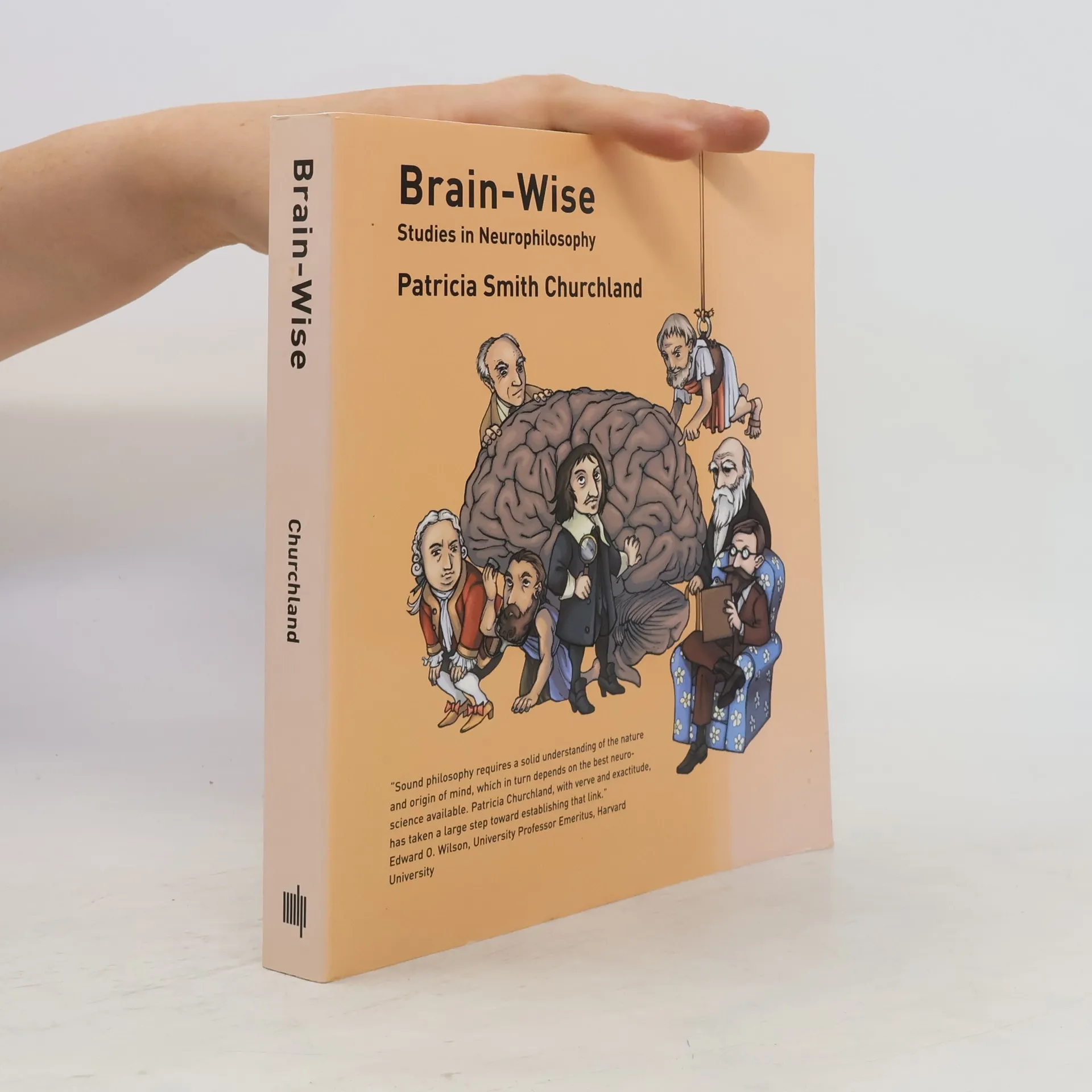
      Progress in the neurosciences is profoundly changing our conception of ourselves. Contrary to time-honored intuition, the mind turns out to be a complex of brain functions. And contrary to the wishful thinking of some philosophers, there is no stemming the revolutionary impact that brain research will have on our understanding of how the mind works. Brain-Wise is the sequel to Patricia Smith Churchland's Neurophilosophy, the book that launched a subfield. In a clear, conversational manner, this book examines old questions about the nature of the mind within the new framework of the brain sciences. What, it asks, is the neurobiological basis of consciousness, the self, and free choice? How does the brain learn about the external world and about its own introspective world? What can neurophilosophy tell us about the basis and significance of religious and moral experiences? Drawing on results from research at the neuronal, neurochemical, system, and whole-brain levels, the book gives an up-to-date perspective on the state of neurophilosophy—what we know, what we do not know, and where things may go from here.

      Brain-Wise
      4,0
    • Die Rechenmaschine und das Gehirn

      • 84 Seiten
      • 3 Lesestunden

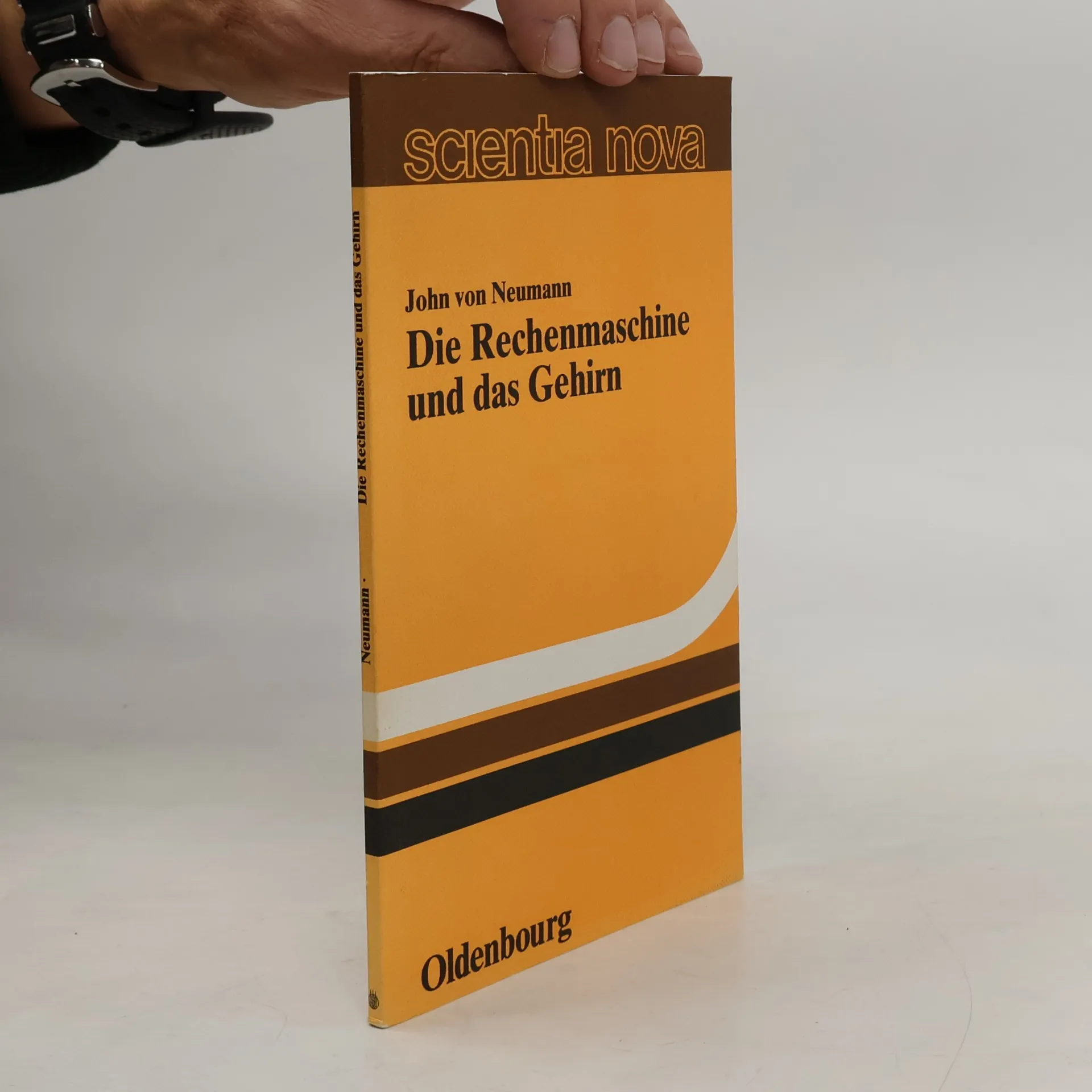
      „The Computer and the Brain“ war der Titel von John von Neumanns letzter hinterlassener Arbeit, in der er den wechselseitigen Beziehungen zwischen der Rechenmaschine und dem menschlichen Denk- und Nervensystem nachgeht. Diese Arbeit gibt ein zusammengefaßtes Zeugnis seiner eindringlichen und unorthodoxen Denkweise. John von Neumann gilt heute als einer der Pioniere der modernen Rechentechnik.

      Die Rechenmaschine und das Gehirn
      3,9
    • Braintrust

      What Neuroscience Tells Us about Morality

      • 288 Seiten
      • 11 Lesestunden

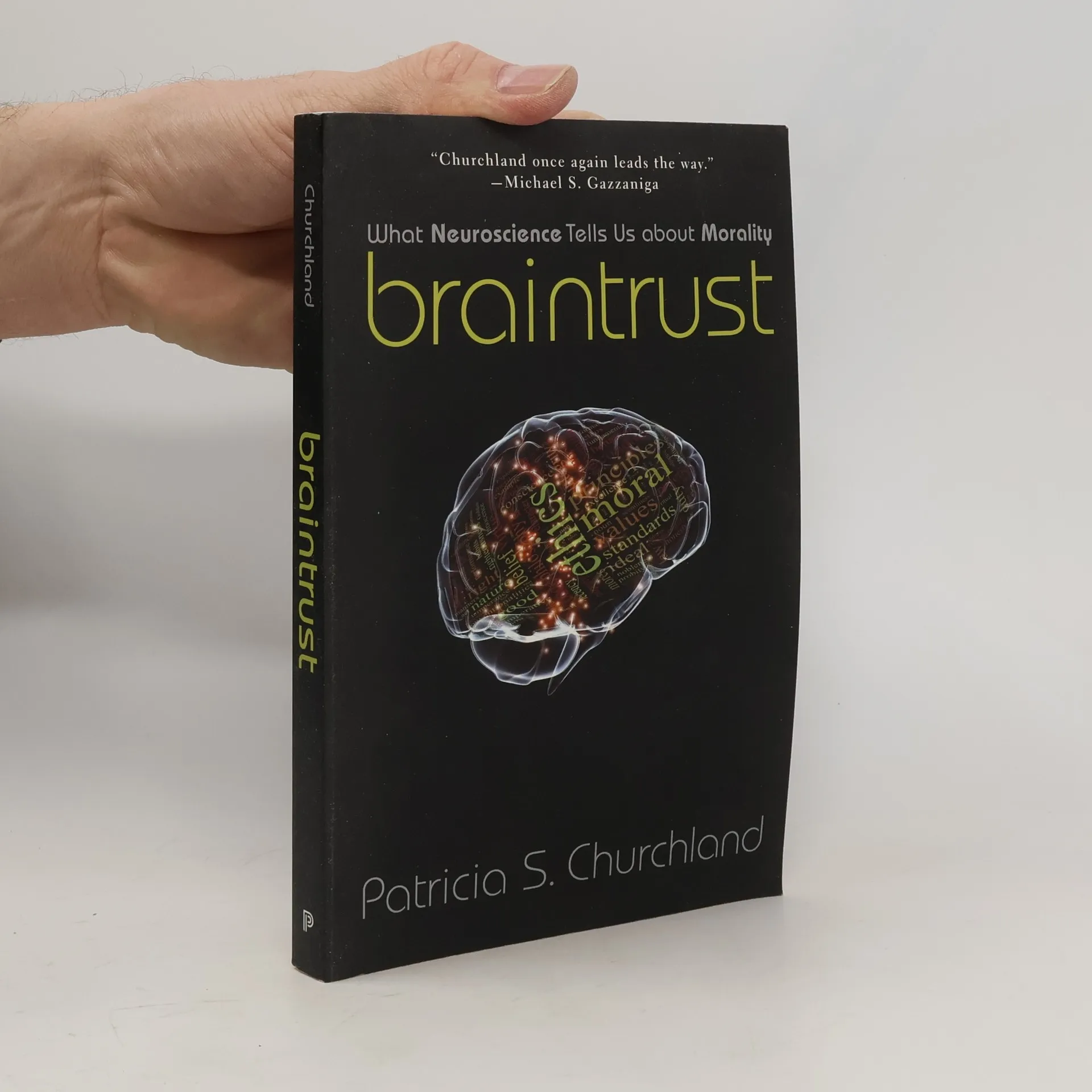
      Where does morality come from? Can its origins be found in biology? What role does the brain play in shaping our moral attitudes? Is morality something specifically human? In "Braintrust," Patricia Churchland takes the reader on a journey through the latest discoveries in neuroscience and evolutionary theory. The aim of this extraordinary journey is to understand the fundamental values that make our social life also a moral life. The bold questions posed by the author and the sometimes even bolder answers should interest all those who are curious not only about the mystery of the origins of morality but also about understanding human nature.

      Braintrust
      3,9
    • Conscience

      The Origins of Moral Intuition

      • 240 Seiten
      • 9 Lesestunden

      Exploring the intersection of neurobiology and philosophy, Patricia S. Churchland examines the universal presence of behavioral ideals across diverse cultures. She investigates the evolutionary underpinnings of our brain's capacity for bonding and empathy, while also addressing how moral values are passed down through generations. By combining insights from nature and nurture, Churchland sheds light on the foundational role of morality in societal structures, revealing its significance in shaping human interactions and community dynamics.

      Conscience
      3,8
    • Touching a Nerve

      • 304 Seiten
      • 11 Lesestunden

      In this thought-provoking narrative - drawn from professional expertise and personal experience - trailblazing neurophilosopher Patricia S. Churchland lucidly explains the latest brain science and explores its ethical and philosophical implications for our understanding of identity, consciousness, memory, and free will

      Touching a Nerve
      3,8
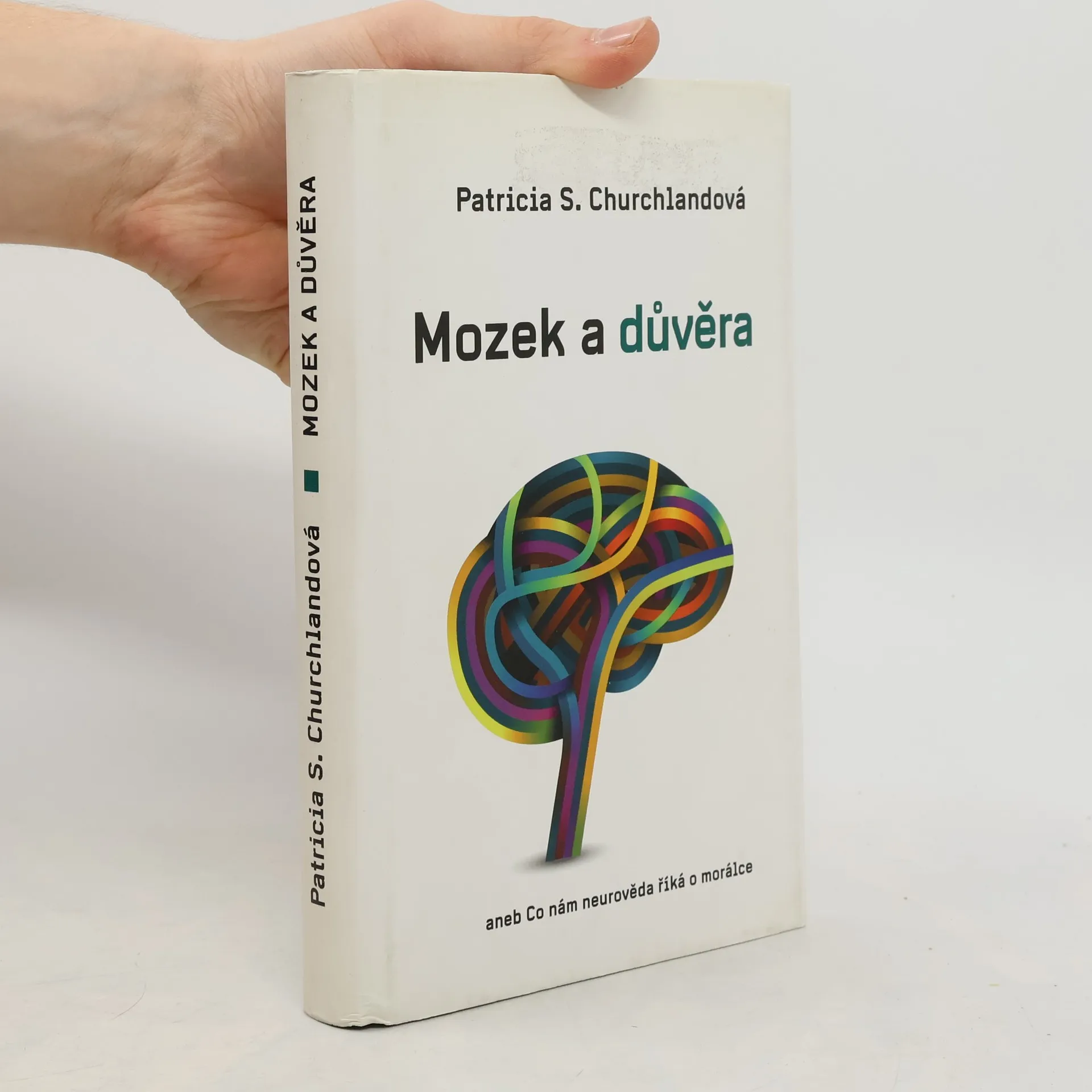
    • Mozek a důvěra

      • 264 Seiten
      • 10 Lesestunden

      Kniha Mozek a důvěra přináší zcela nové vysvětlení základů morálky, což nás nutí znovu promyslet původ jedné z našich nejuctívanějších hodnot. Průkopnice neurofilozofie Patricia Churchlandová ukazuje, že morálka má původ v biologii mozku. V evoluci vyvinutá struktura, procesy a chemie mozku motivují člověka k tomu, aby dbal nejen o svůj život a potřeby, ale také o blahobyt svých blízkých - nejprve potomků, následně svých partnerů, příbuzných a teprve pak dalších lidí. Odloučení a vyloučení ze skupiny způsobují jedincům bolest, společnost druhých naopak přináší potěšení. Výsledky vědeckého bádání nám nyní ukazují, že bude nutné přehodnotit priority, které při vysvětlování původu morálky dáváme náboženství, absolutním pravidlům a čistému rozumu. Odkud se tedy berou lidské hodnoty? Jak se přihodilo, že našemu mozku začalo záležet na ostatních? Jestliže mi geny nastaví mozek tak, aby zajišťoval, že zůstanu naživu, zplodím potomstvo, a předám tak tytéž geny dál, jak jej mohou zároveň nastavit tak, aby mu záleželo i na ostatních? Jsou morální hodnoty ryze lidským specifikem, nebo je možné tvrdit, že morálku mají i zvířata? Na tyto a mnohé další otázky se Churchlandová snaží odpovědět. Krátce po svém vydání kniha získala nejvyšší ocenění v oboru biologických věd, biomedicíny a neurovědy udělované Asociací amerických nakladatelů.

      Mozek a důvěra
      3,8
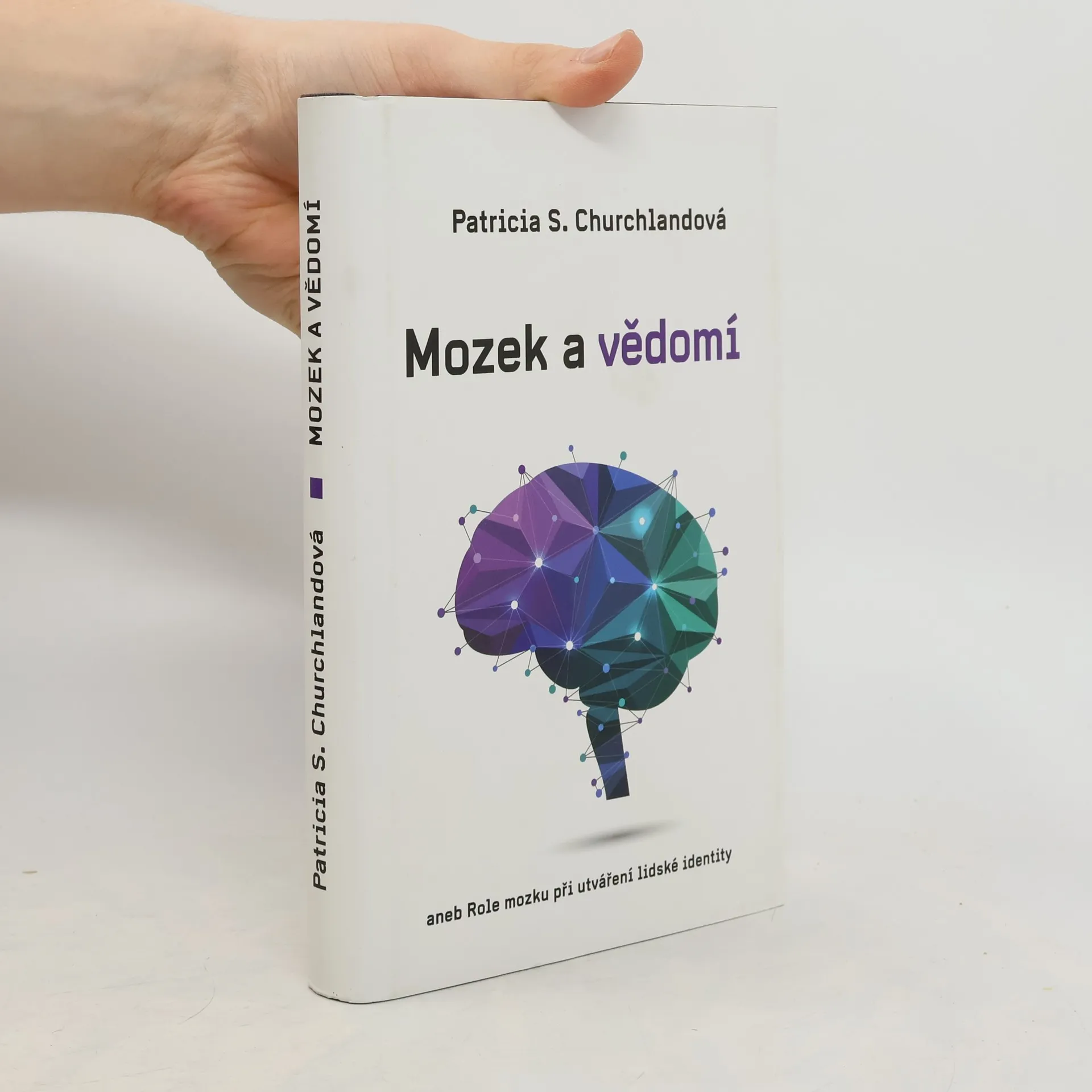
    • Co se stane, když přijmeme jako fakt, že vše, co si myslíme a cítíme, nevychází z nehmotné duše, ale z elektrochemické aktivity našeho mozku? V tomto inspirativním příběhu založeném na vědeckých poznatcích i osobních zkušenostech staví průkopnice neurofilozofie Patricia S. Churchlandová filozofii mysli na biologické základy. Nabízí jasné vysvětlení neuronálních mechanismů v pozadí lidské identity a ukazuje, jak nejnovější výzkumy vědomí, paměti a svobody vůle poskytují nový pohled na prastaré filozofické, etické a duchovní otázky: Co formuje naši osobnost? Jak vysvětlíme zážitky blízkosti smrti? Jak se rozhodujeme? Proč máme empatii? Nové vědecké objevy také přinášejí vhled do fascinující škály každodenních dilemat – například zda je možné přisuzovat mladistvým zodpovědnost za jejich činy nebo zda má pacient v kómatu ještě nějaké Já. Pochopení, že náš mozek je základem naší identity, nás vysvobozuje z pout pověr a mýtů. Umožňuje nám brát se vážně jako produkty evolučních mechanismů, minulých zkušeností a společenských vlivů. Také nám dává naději, že budeme moci vyléčit některé vážné choroby, a pokud ne, alespoň je dokážeme se soucitem pochopit.

      Mozek a vědomí aneb Role mozku ve vzniku lidské identity
      3,9