How Boards Work
- 304 Seiten
- 11 Lesestunden
A unique insight into the work of corporate boards and why their work is so important in society, by a hugely influential economist who has global recognition[Bokinfo].


Dambisa Moyo ist eine internationale Ökonomin, die sich in ihren Schriften mit Makroökonomie und globalen Angelegenheiten befasst. Mit ihrer Arbeit untersucht sie komplexe Wirtschaftssysteme und deren Auswirkungen auf die globale Bühne. Moyo bietet tiefgründige Einblicke in entscheidende weltweite Wirtschaftsherausforderungen und mögliche Lösungsansätze. Ihre Analysen erscheinen regelmäßig in führenden Wirtschafts- und Finanzpublikationen.


A unique insight into the work of corporate boards and why their work is so important in society, by a hugely influential economist who has global recognition[Bokinfo].
From an internationally acclaimed economist, a provocative call to jump-start economic growth by aggressively overhauling liberal democracy Around the world, people who are angry at stagnant wages and growing inequality have rebelled against established governments and turned to political extremes. Liberal democracy, history's greatest engine of growth, now struggles to overcome unprecedented economic headwinds--from aging populations to scarce resources to unsustainable debt burdens. Hobbled by short-term thinking and ideological dogma, democracies risk falling prey to nationalism and protectionism that will deliver declining living standards. In Edge of Chaos, Dambisa Moyo shows why economic growth is essential to global stability, and why liberal democracies are failing to produce it today. Rather than turning away from democracy, she argues, we must fundamentally reform it. Edge of Chaos presents a radical blueprint for change in order to galvanize growth and ensure the survival of democracy in the twenty-first century.
Výstižná a čtivá zpráva o současném úpadku hospodářské nadvlády Západu. Jak kvůli chybné hospodářské politice v uplynulých padesáti letech nejvyspělejší a nejbohatší státy světa promarnily své dominantní postavení? Podle ekonomky D. Moyové jsou příčiny hospodářského úpadku tři: za prvé západní svět většinu kapitálu investoval špatně, za druhé pracovní síla na Západě příliš zdražila a za třetí se začala snižovat produktivita obecně. Základním rysem naší společnosti už není inovace a progresivní myšlení. Místo toho jsme krátkozraká a lhostejná civilizace, které nejvíc záleží na spotřebě. Jaká opatření je třeba přijmout? Moyová ve své knize nabízí řešení.
China's race for recources and what it means for us
We all know the world's resources the commodities that underpin our daily lives and economies are scarce. But how many of us know what that really means for the global economy today?
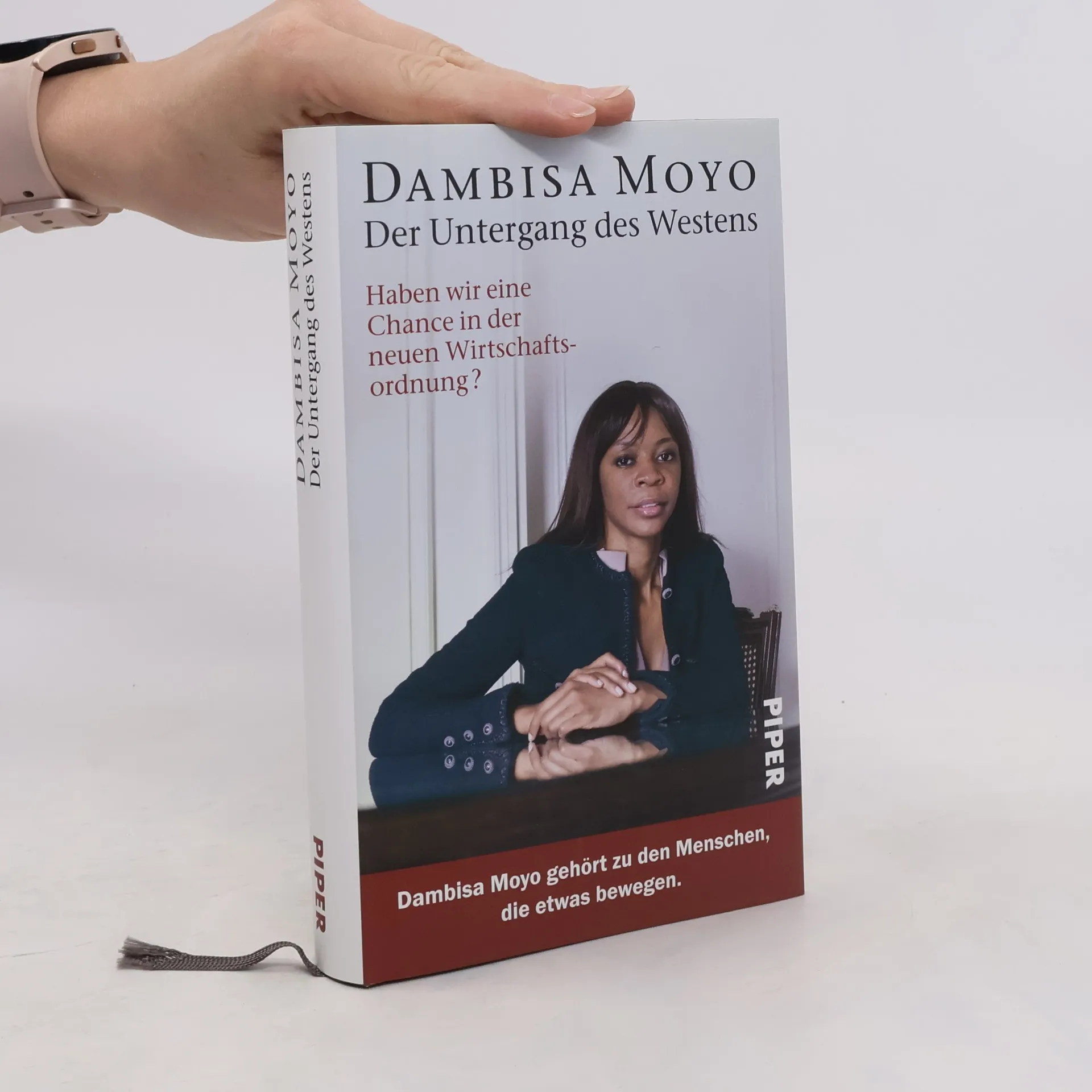
Dambisa Moyo wurde vom amerikanischen TIME Magazine zu den 100 einflussreichsten Menschen der Welt gezählt. Die Karriere der gebürtigen Afrikanerin ist (fast) beispiellos global: Aus Sambia geht sie nach Harvard, promoviert in Oxford, erhält einen Topjob bei Goldman Sachs. Aufgrund ihrer einzigartigen Kenntnis hat sie eine aufrüttelnde Botschaft an uns alle. Die Finanzkrise war nur ein kurzes Zwischenspiel – das eigentliche Drama kommt erst noch und heißt: Der Untergang des Westens. Seit Jahren schon produziert der Westen immer weniger und lässt stattdessen arbeiten. Man will immer nur Geld aus Geld machen, wirkliche Waren werden kaum noch hergestellt. Und vor allem: Innovationen finden anderswo statt. Wir leben auf Kosten der anderen. Dambisa Moyo sagt, was wir tun müssen. Und zwar jetzt.
Mit Dead Aid hat Dambisa Moyo ein provokatives Plädoyer gegen Entwicklungshilfe und für Afrika geschrieben. Knapp, faktenreich und zwingend legt sie ihre Argumente dar. Entwicklungshilfe, im Sinne von Geld-Transfers zwischen Regierungen, macht abhängig. Sie zementiert die bestehenden Gegebenheiten, fördert Korruption und finanziert sogar Kriege. Sie zerstört jeden Anreiz, gut zu wirtschaften und die Volkswirtschaft anzukurbeln. Entwicklungshilfe zu beziehen ist einfacher, als ein Land zu sanieren. Im Gegensatz zu Bono und Bob Geldoff weiß Moyo, wovon sie spricht. Die in Sambia geborene und aufgewachsene Harvard-Ökonomin arbeitete jahrelang für die Weltbank. In Dead Aid erklärt sie nicht nur, was die negativen Folgen von Entwicklungshilfe sind und warum China für Afrika eine Lösung und nicht Teil des Problems ist; sie entwirft zudem einen Weg, wie sich Afrika aus eigener Kraft und selbstbestimmt entwickeln kann. In den USA und Großbritannien löste Dead Aid eine hitzige Debatte aus. Es stand mehrere Wochen auf der New York Times Bestsellerliste und wurde vom Sunday Herald zum Buch des Jahres gewählt.