

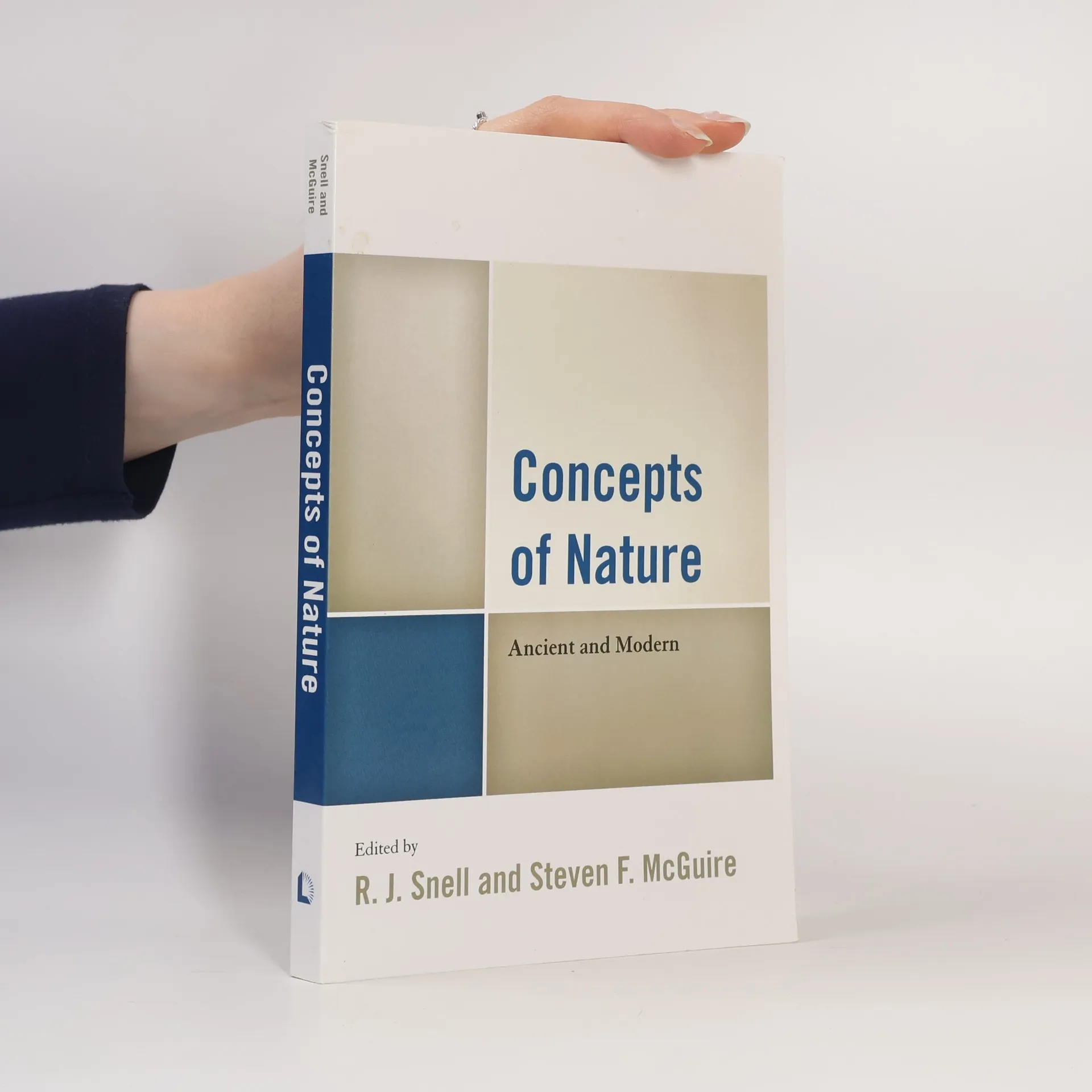
If natural law arguments struggle to gain traction in contemporary moral and political discourse, could it be because we moderns do not share the understanding of nature on which that language was developed? Building on the work of important thinkers of the last half-century, including Leo Strauss, Eric Voegelin, John Finnis, and Bernard Lonergan, the essays in Concepts of Nature compare and contrast classical, medieval, and modern conceptions of nature in order to better understand how and why the concept of nature no longer seems to provide a limit or standard for human action. These essays also evaluate whether a rearticulation of pre-modern ideas (or perhaps a reconciliation or reconstitution on modern terms) is desirable and/or possible. Edited by R. J. Snell and Steven F. McGuire, this book will be of interest to intellectual historians, political theorists, theologians, and philosophers.
Barry Reihenfolge der Bücher (Chronologisch)


The Irish Review 22. Summer 1998
- 184 Seiten
- 7 Lesestunden
Mit Schiff, Bahn und Elefanten - kurz, mit jedem sich bietenden Transportmittel - jagen Mr. Phileas Fogg, Esq., und sein Diener Passepartout um die Erde. Aufgrund einer Wette stehen Mr. Foggs Ehre als pünktlich-korrekter Gentleman und sein Vermögen auf dem Spiel. Der Jules Verne-Bewunderer Jean Cocteau ließ sich von diesem Buch verführen, die gleiche Reise zu unternehmen. Im 20. Jahrhundert brauchte er dazu immerhin noch 57 Tage. "... Jules Verne, den kein Schulmann aufzunehmen gewillt gewesen wäre, obwohl er als Stilist an Voltaire geschult ist und als Visionär akademische romanciers dutzendweise an die Wand drückt." - Robert Minder "Die Jules Verne-Ausgabe des Diogenes Verlags sollte an Schulen und Volkshochschulen als Lehrmaterial eingeführt werden, denn nichts scheint mir heute so wichtig wie Lockerungsübungen der Phantasie." - Robert Jungk