

A history of the war in Afghanistan between 2001 and 2020. The work follows a narrative format to go through the 2001 US invasion, the state-building of 2002-2005, the Taliban offensive of 2006, the US surge of 2009-2011, the subsequent drawdown, and the peace talks of 2019-2020
Carter Malkasian Bücher
1. Jänner 1975
Dr. Carter Malkasian ist ein führender Experte für moderne Kriegsführung, insbesondere für Aufstandsbekämpfungstaktiken und historische Konflikte. Seine Forschung befasst sich mit der Dynamik von Abnutzungskriegen und den strategischen Komplexitäten moderner militärischer Auseinandersetzungen. Malkasians Arbeit untersucht die entscheidenden Faktoren, die den Erfolg oder Misserfolg von Aufstandsbekämpfungsoperationen beeinflussen, und stützt sich dabei auf umfangreiche Erfahrungen und rigorose historische Analysen. Seine Beiträge bieten tiefgreifende Einblicke in die Natur gegenwärtiger Konflikte und die Herausforderungen, vor denen Militärs stehen.



Counterinsurgency in modern warfare
- 304 Seiten
- 11 Lesestunden
Through history armies of occupation and civil power have been repeatedly faced with the challenges of insurgency. US involvement in Iraq and Afghanistan has highlighted this form of conflict in the modern world. Armies, sometimes reluctantly, have had to adopt new doctrines and tactics to deal with the problems of insurgency and diverse counterinsurgency strategies have been developed. These have ranged from conventional military operations to a combination of military and political strategy including propaganda, Psy-Ops, and other approaches. In Counterinsurgency in Modern Warfare 13 contributors examine developments in counterinsurgency from the early 20th century to the present. Each author, an expert in his field, discusses in depth the conduct and outcomes of operations across the globe, including the Arab-Israeli conflict, Afghanistan and Iraq, and draws out the lessons to be learned from them
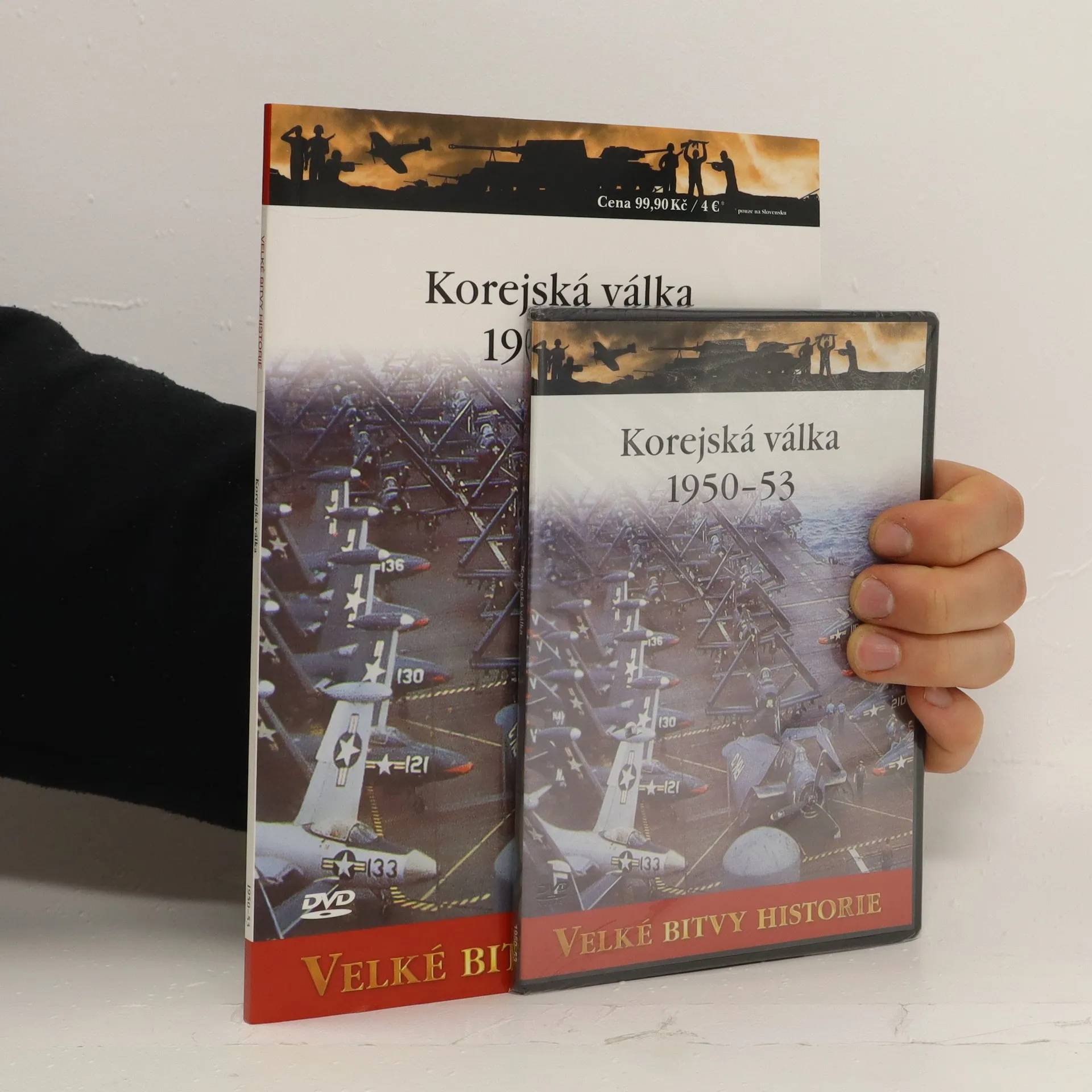
Korejská válka 1950–53
- 96 Seiten
- 4 Lesestunden
Korejská válka byla významným přelomovým bodem ve studené válce. Tato kniha vysvětluje, jak obrovský vliv měl konflikt, odehrávající se na malém poloostrově ve východní Asii, na celý systém mezinárodních vztahů a na rovnováhu sil mezi dvěma světovými supervelmocemi - Spojenými státy a Sovětským svazem. Západní svět v průběhu konfliktu demonstroval své odhodlání čelit komunistické agresi. Byl to jediný případ za celé období studené války, kdy se ozbrojené síly Čínské lidové republiky, Sovětského svazu a Spojených státu střetly v přímém boji.