Professor Frank McDonough ist ein britischer Historiker, der sich auf das Deutschland des 20. Jahrhunderts und die internationale Geschichte spezialisiert hat. Seine Forschung konzentriert sich auf internationale Beziehungen, insbesondere auf die britisch-deutschen Beziehungen im Laufe des 20. Jahrhunderts. Er befasst sich auch ausführlich mit der Geschichte des Dritten Reiches, einschließlich des Holocaust und des Lebens von Sophie Scholl, einer Schlüsselfigur des NS-Widerstands.
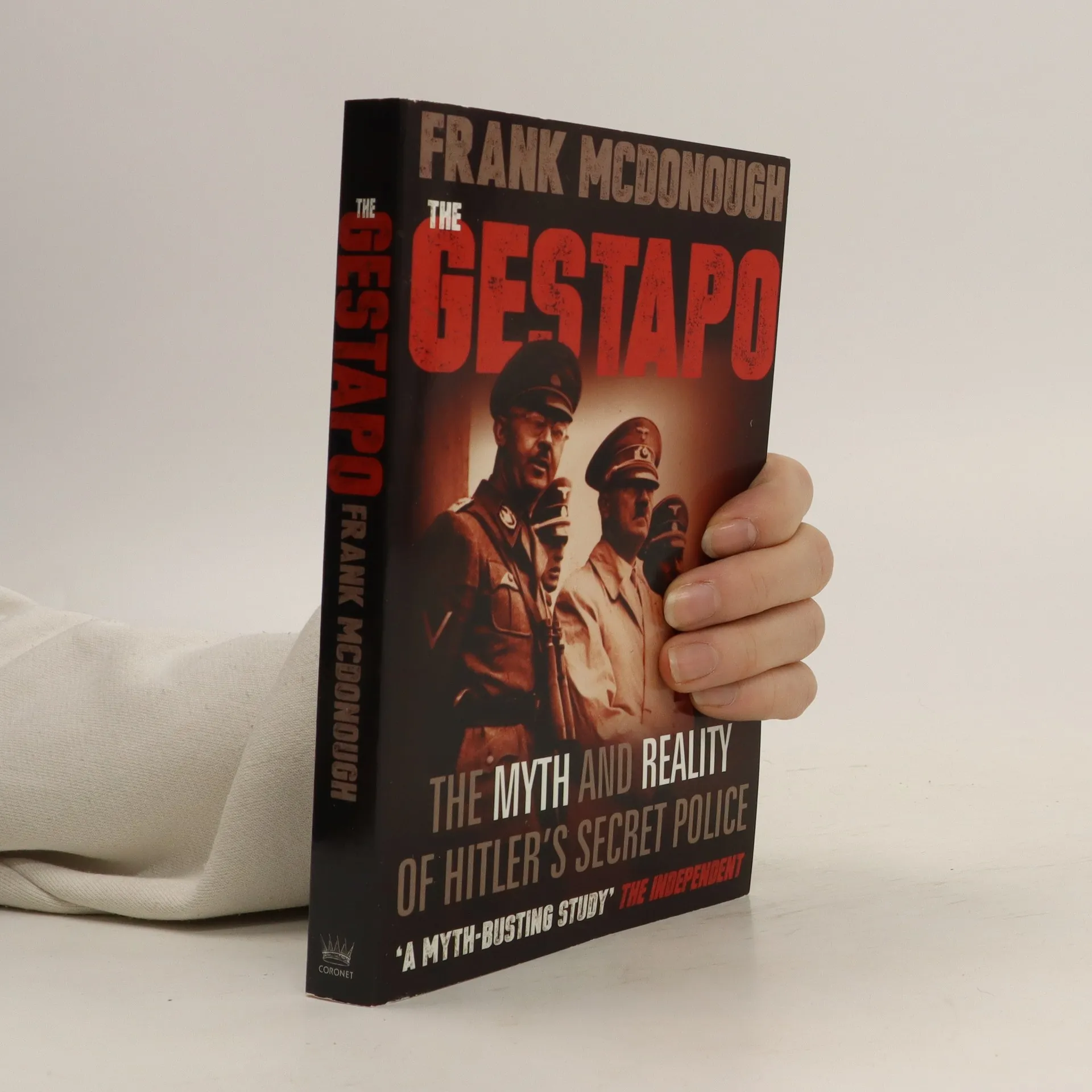
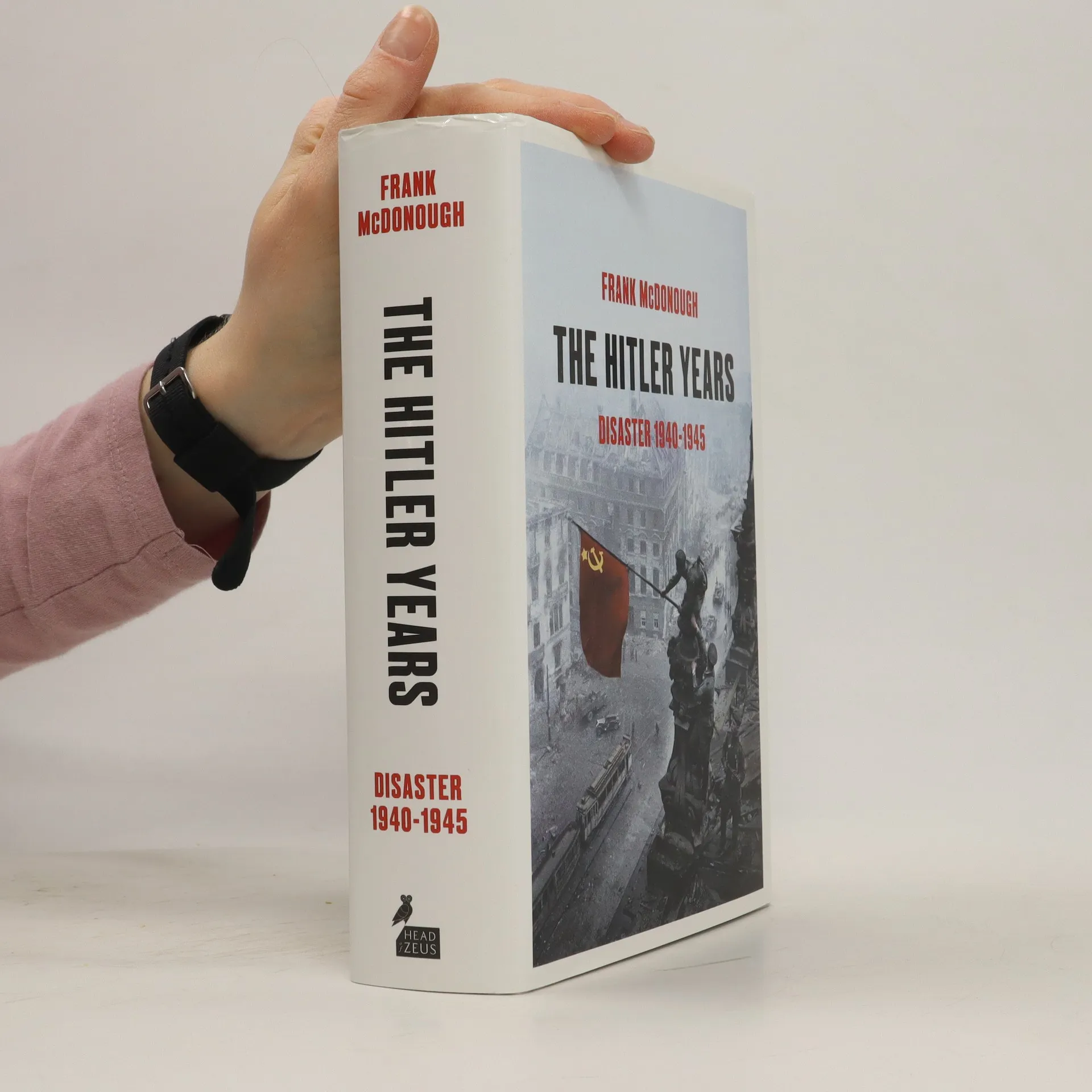
'Superbly scholarly and just as readable. A chilling, meticulous record of state brutality that is more compelling than any novel' DAN SNOW on THE GESTAPO. In The Hitler Years, Frank McDonough charts the rise and fall of the Third Reich under Hitler's hand. The second volume, Disaster, charts Germany's domination throughout Europe, the turning tides of World War II and the catastrophic fall of the Reich.
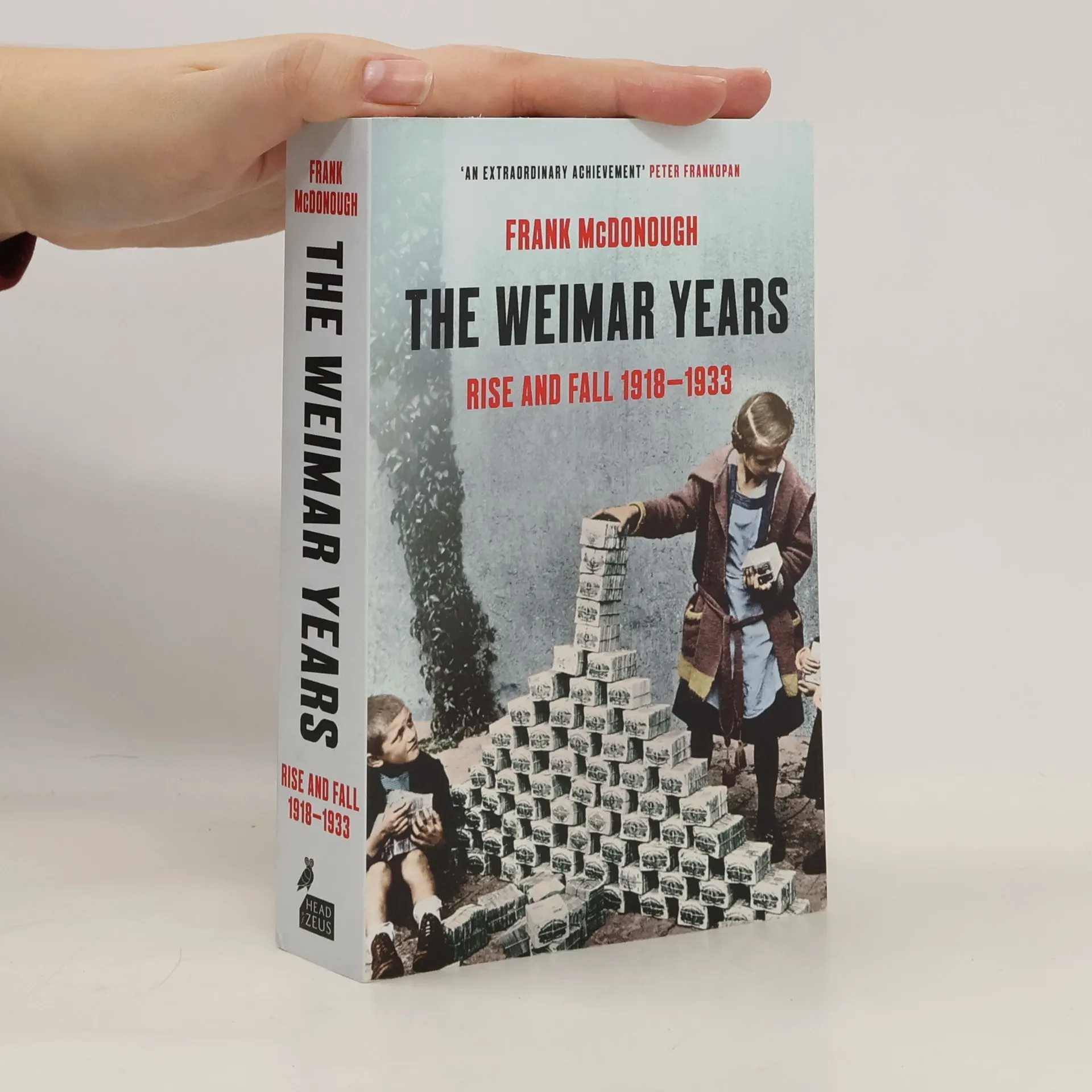
Set against the backdrop of pivotal German history, this prequel explores the tumultuous events leading up to Hitler's ascent in 1933. It delves into the political, social, and economic factors that shaped the nation, providing a comprehensive understanding of the era's complexities. Through a detailed narrative, the book offers insights into the key players and movements that contributed to the rise of one of history's most infamous figures.
This collection features a diverse selection of period texts and thematic books tailored for AS and A Level history students. It aims to enhance understanding of historical contexts and themes, providing a comprehensive resource for academic study and exploration. The materials are designed to engage learners and support their critical analysis of historical events and figures.
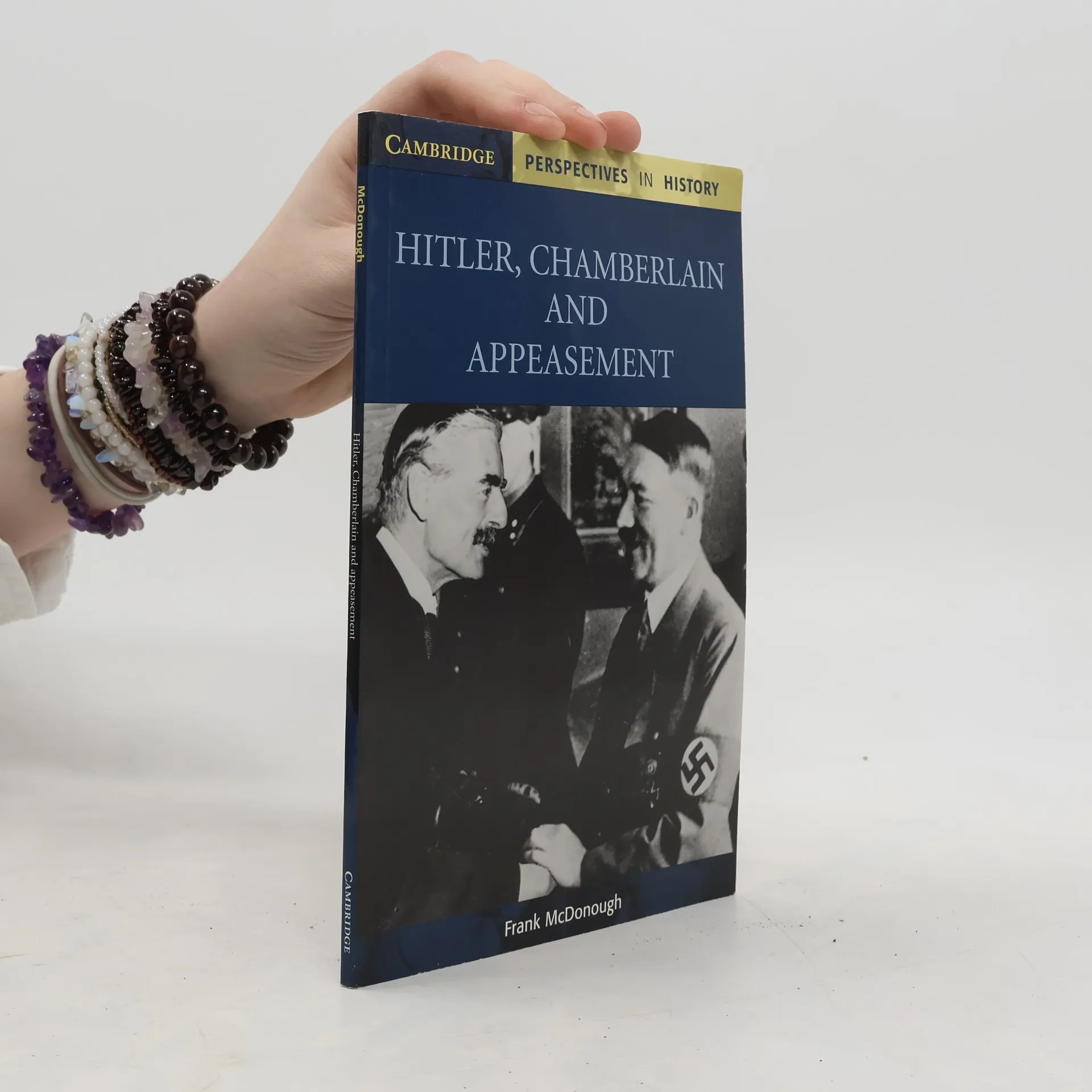
McDonough takes a broad approach which brings social, economic and strategic
factors together with a detailed analysis of Chamberlain's policy, allowing
students to explore questions of continuity and change more clearly.
An engaging range of period texts and theme books for AS and A Level history. This book examines the key roles played by Adolf Hitler and Neville Chamberlain in the events that led to the outbreak of the Second World War. It looks at Hitler's foreign-policy aims, why appeasement became British foreign policy and, most extensively, the role of Chamberlain and appeasement in the unfolding international crisis of the late 1930s. Using a wide range of primary sources, Frank McDonough offers a generally critical interpretation of Chamberlain and appeasement, and suggests that standing up to Hitler earlier may have prevented war. The book also features a detailed analysis of the historical debates surrounding the issue of appeasement.
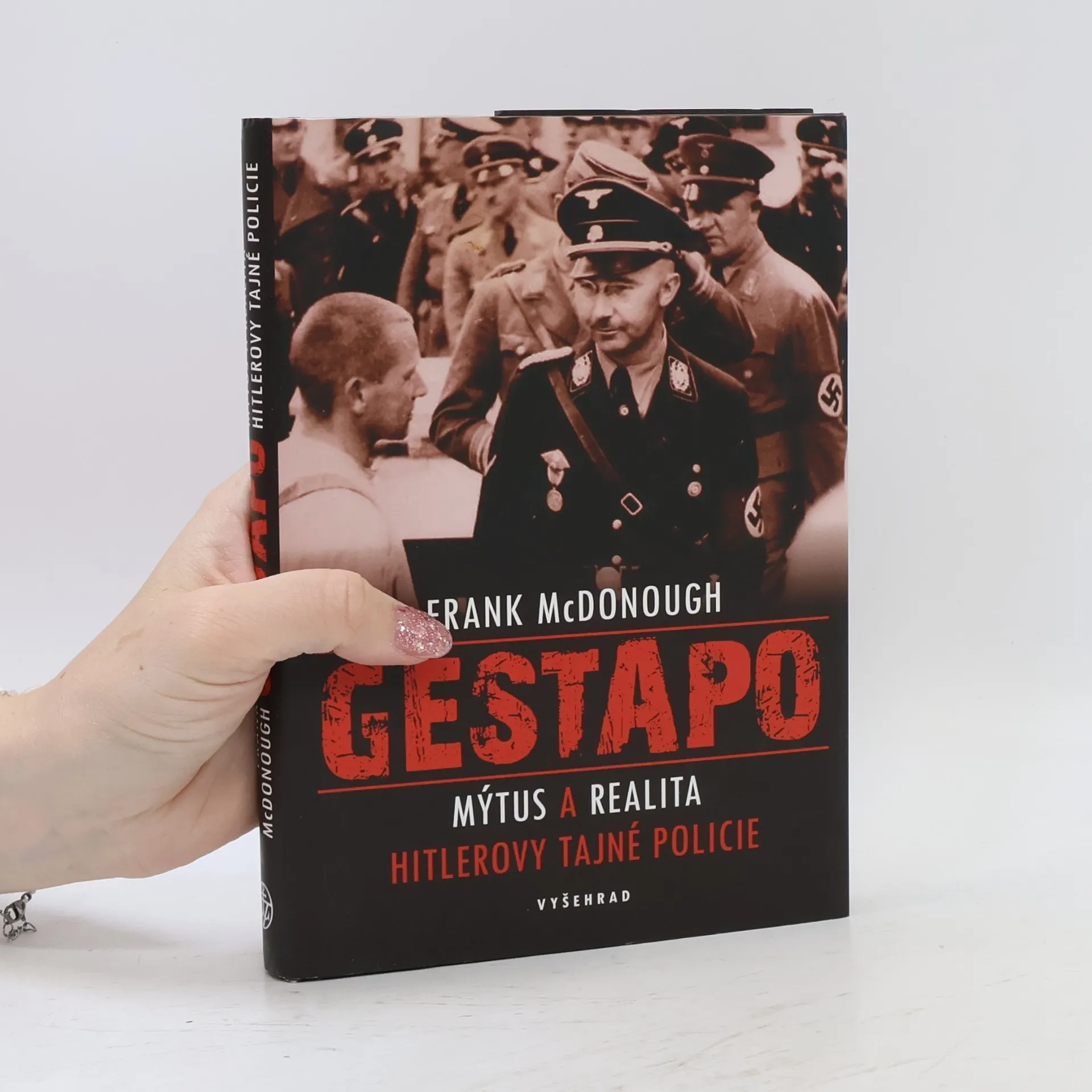
"The Gestapo was Hitler's secret police force. Popularly depicted as a central part of an all-powerful 'Big Brother' Nazi totalitarian police state, its primary aim was to hunt down 'the enemies of the people'. Drawing on a detailed examination of previously unpublished Gestapo case files this book relates the fascinating, vivid and disturbing stories of a cross-section of ordinary and extraordinary people who opposed the Nazi regime. It also tells the equally disturbing stories of their friends, neighbours and sometimes even relatives, people drawn into the Gestapo's web of intrigue, either as informers as staff. The book reveals, too, the cold-blooded and efficient methods of the Gestapo officers. This book will reveal that the Gestapo lacked the manpower and resources to spy on everyone, that it was reliant on tip offs from the general public. Yet this did not mean the Gestapo was a weak or inefficient instrument of Nazi terror. On the contrary, it ruthlessly and efficiently targeted its officers against clearly defined political and racial enemies. The Gestapo provides a chilling new doorway into the everyday life of the Third Reich and gives powerful new testimony from the victims of Nazi terror."--Book jacket.
Cieľom knihy je vyrozprávať príbeh o histórii Tretej ríše od roku 1933 do 1945 v dvoch zväzkoch s chronologickým výkladom. Každá kapitola sa zameriava na konkrétny rok a podrobne ho opisuje, pričom odseky skúmajú rôzne témy, aby poskytli kontext k udalostiam. Tento naratívny prístup, ktorý zahŕňa analýzu a interpretáciu, je vhodnejší pre bežného čitateľa než tematická štruktúra, ktorá môže byť pre študentov náročná. Hoci existuje množstvo nových kníh o rôznych aspektoch histórie Tretej ríše, celkové rozprávanie je málo, čo robí toto dielo opodstatneným.
Prvý diel pokrýva obdobie 1933 až 1939, začínajúc dramatickými udalosťami, ktoré vyniesli Hitlera k moci, a končiac jeho rýchlym dobytím Poľska. Druhý diel sa zameriava na prípravy na útok na západnú Európu v roku 1940, skúmanie kľúčových bitiek druhej svetovej vojny a holokaustu, a končí katastrofálnou porážkou Nemecka v roku 1945.
Oba zväzky môžu byť čítané samostatne, no spoločne tvoria ucelenú históriu obdobia, keď Hitler vládol Nemecku.
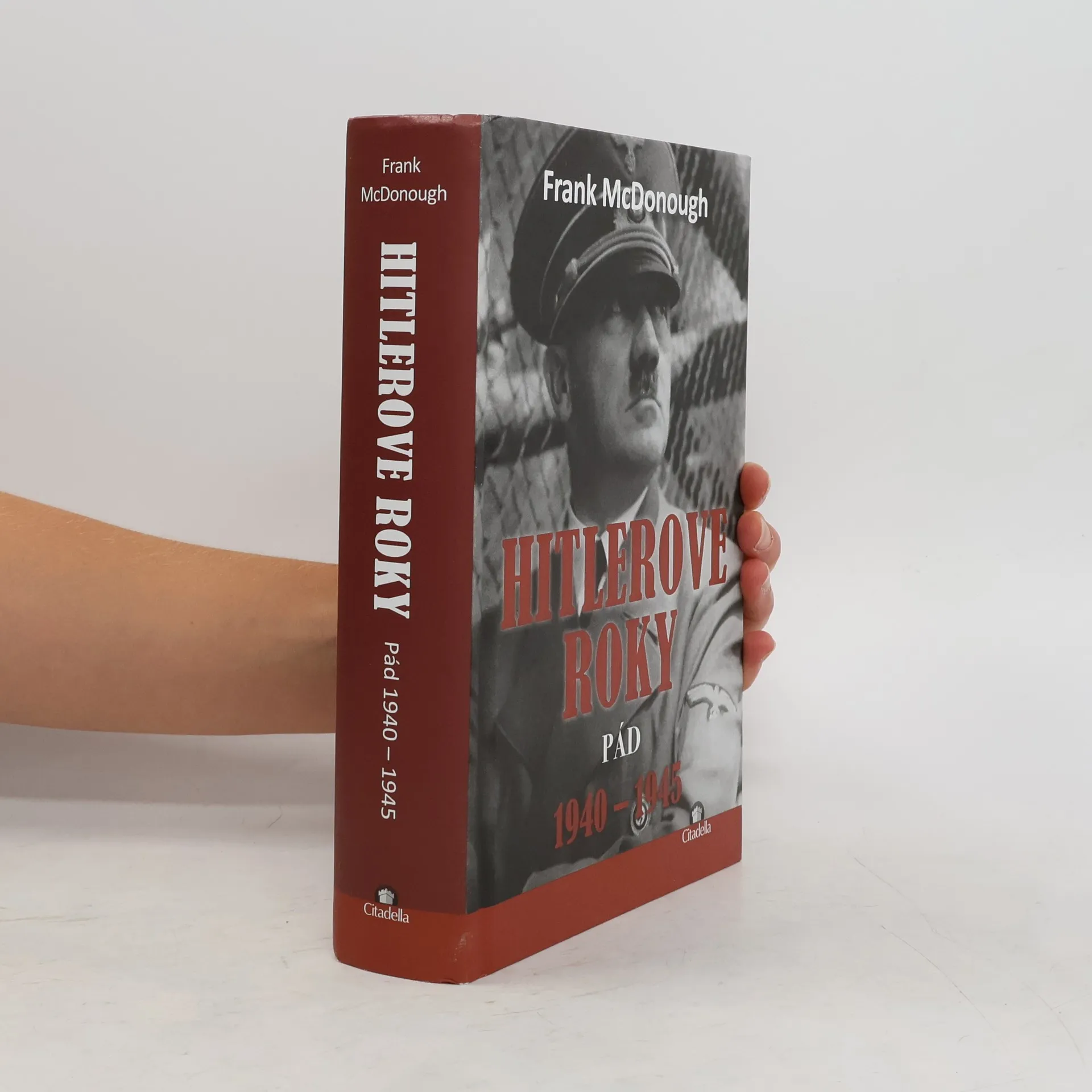
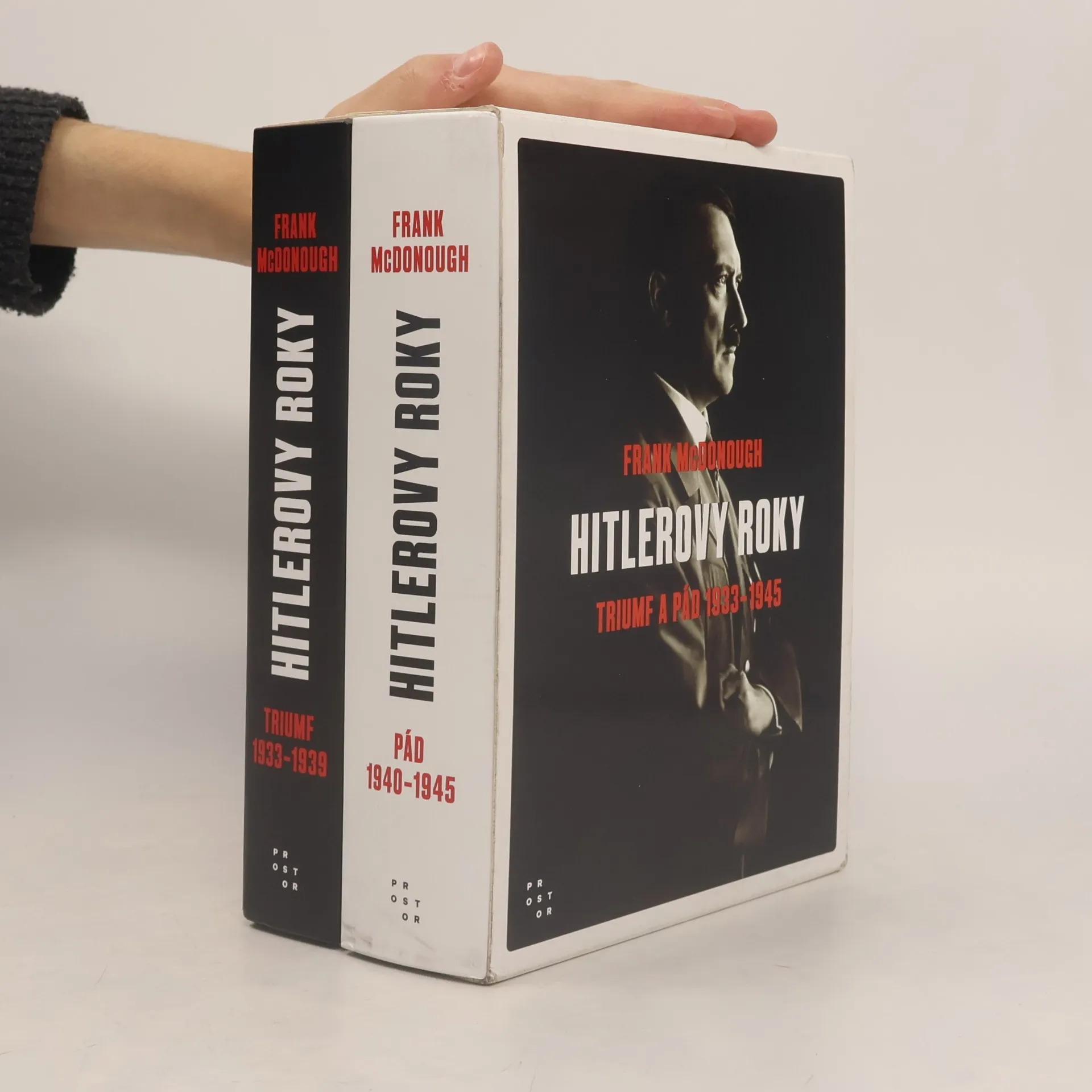
Na začiatku roku 1940 Nemecko zažívalo vrchol svojej moci, no v máji 1945 bol Hitler mŕtvy a Nemecko utrpelo katastrofálnu porážku. V druhom zväzku monografie profesor Frank McDonough mapuje dramatickú zmenu osudu Tretej ríše a spochybňuje doterajšie výklady holokaustu a konečnej porážky Nemecka. Napriek Hitlerovým ambíciám a počiatočným úspechom McDonough tvrdí, že Nemecko bolo len mocnosťou strednej kategórie a nikdy nemalo šancu proti kombinovaným silám Spojencov. Dvojzväzkový životopis pokrýva obdobie rokov 1933 až 1945, začínajúc intrigami, ktoré vyniesli Hitlera k moci, a končiac porážkou Nemecka. Druhý zväzok začína prípravami na útok na západnú Európu v roku 1940, skúmaním kľúčových bitiek druhej svetovej vojny a holokaustu, a končí bezprostredným obdobím po Hitlerovej smrti a bitke o Berlín. Frank McDonough, britský historik Tretej ríše a medzinárodných dejín, sa špecializuje na britsko-nemecké vzťahy v 20. storočí. Je autorom viacerých významných publikácií o dejinách Tretej ríše a jeho posledným dielom je tento monumentálny dvojzväzkový životopis, ktorý podrobne mapuje Hitlerovu cestu k moci a jeho pád.
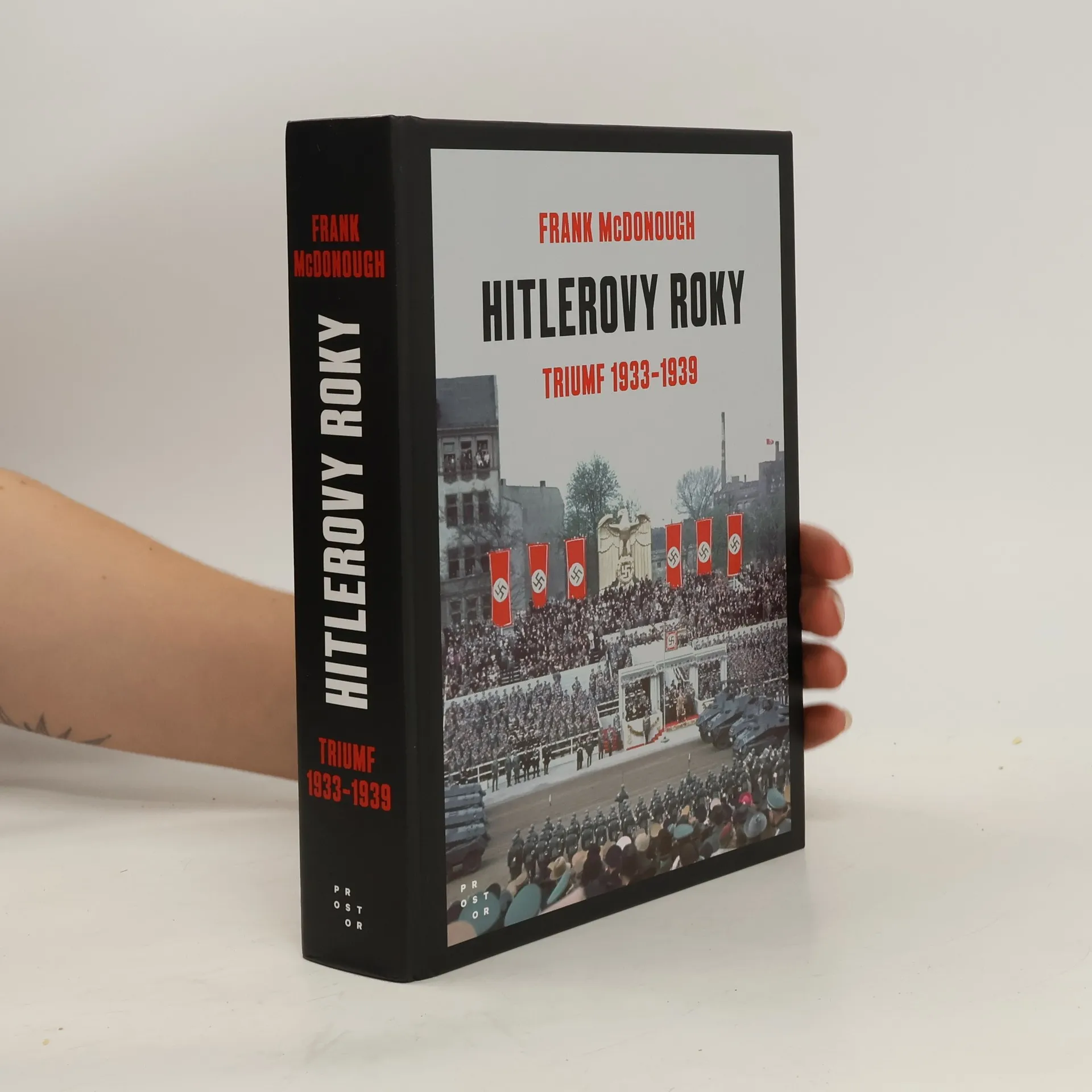
V roce 1933 se Adolf Hitler dostal k moci pučem. Během několika měsíců zavedl diktaturu, uvěznil a zabil své levicové protivníky, terorizoval zbytek populace a vyhnal Židy z veřejného života. Zahájil program militaristického keynesianismu, oživil ekonomiku a dosáhl plné zaměstnanosti prostřednictvím masivních veřejných prací, obrovských výdajů na zbrojení a zrušení zahraničních dluhů. Po temných letech Velké hospodářské krize se Německo zdálo být znovuzrozeno jako brutální a odhodlaná evropská mocnost, která chtěla pomstít mytický 'dýku do zad', jež vedla k porážce v roce 1918. Jak ukazuje Frank McDonough ve své mistrovské populární historii let 1933 až 1939, Hitler získal většinu populace pro svou vizi obnoveného Reichu. Ale to, co hnalo Hitlera, byla také fatální chyba jeho režimu: neúprosná víra ve válku jako motor velikosti, sen o obrovských dobyvačných taženích ve východní Evropě a ohromně fanatický rasismus. V těchto letech domácího triumfu, mazaných manévrů, vyjednávání sousedních mocností proti sobě a vyčkávání na správný okamžik vidíme, jak se Hitler připravuje na chvíli, která by naplnila jeho ambice. Tento první svazek končí úspěšnou manipulací Hitlera s Chamberlainem v Mnichově v roce 1938. Nyní se zdá, že mu nic nestojí v cestě...
Zdařile napsaná a přehledně strukturovaná publikace představuje jednu z řady složek nacistického represivního aparátu, a to tajné státní policie, známé pod zkratkovým slovem gestapo. Autor, aniž by čtenáře ochudil o výklad vzniku a formování nacistické tajné policie a její struktury, se vyhýbá statistickým metodám sociologizujícího dějepisectví a nezapírá své zaujetí „malými dějinami“. Čtenář tak dostává možnost seznámit se s řadou strhujících „mikropříběhů“ mužů i žen, kteří nalezli odvahu k odporu vůči nacistickému režimu a jeho ideologii, anebo jen prostě nezapadali do představ o „novém německém člověku“, ale i jejich přátel, členů rodiny či sousedů. Otevírá se mu tak široké panorama každodenního fungování jednoho z hlavních nástrojů represe a současně je konfrontován s příběhy hrdinství a vzdoru, ale i mnoha lidských tragédií, tak jak je autor získal pečlivým studiem mnoha osobních svazků. Frank McDonough (1957) je profesorem mezinárodních dějin na univerzitě v Liverpoolu.
Impozantní dvoudílná práce renomovaného britského historika Franka McDonougha čtivě vypráví příběh nacistického Německa prostřednictvím Adolfa Hitlera. McDonoughovo líčení nabízí děsivé paralely s nedávnými událostmi v Evropě a je doplněno pečlivým poznámkovým aparátem a unikátním fotografickým materiálem. První díl se zaměřuje na léta 1933–1939, kdy byl Hitler zvolen říšským kancléřem. Popisuje, jak během několika měsíců zavedl v Německu diktaturu, vyřadil Židy z veřejného života a zastrašil populaci terorem. Díky masivním veřejným zakázkám a investicím do zbrojního průmyslu dosáhl plné zaměstnanosti a oživení ekonomiky, čímž se Německo stalo brutální silou na světové scéně. Hitler systematicky připravoval expanze na východ a jeho ambice vyvrcholily ve válce. Druhý díl pokrývá léta 1940–1945, kdy nacistické Německo stálo na vrcholu moci, ale na konci bylo v troskách a neslo si hanbu holokaustu a válečných zločinů. McDonough ukazuje, že i přes Hitlerovy plány a počáteční úspěchy se Německo nikdy nestalo skutečnou supervelmocí a nemělo šanci uspět proti Spojencům. Díl sleduje Hitlerova vojenská vítězství, nelidské vraždění a konečný obrat na bitevním poli vedoucí k porážce nacionálního socialismu.