Sylvan BarnetReihenfolge der Bücher (Chronologisch)
1. Dezember 1926 – 11. Jänner 2016
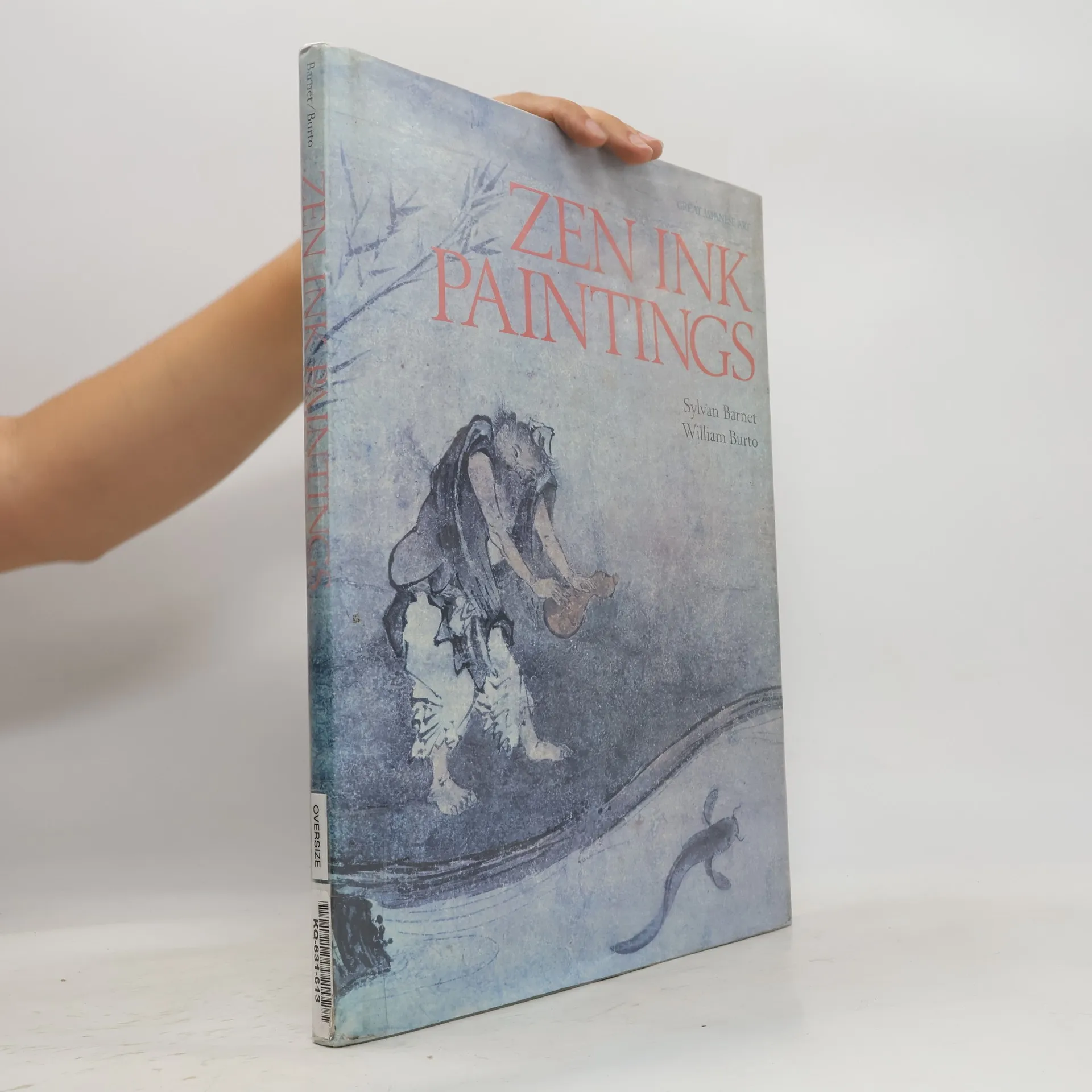
Sylvan Barnet ist ein amerikanischer Literaturkritiker und Shakespeare-Gelehrter, dessen Werk sich mit der Kunst des Schreibens befasst. Sein umfassendes Wissen über Shakespeare zeigt sich in seinen zahlreichen Büchern und Artikeln sowie in seiner Rolle als leitender Herausgeber der Reihe Signet Classics Shakespeare. Über Shakespeare hinaus beschäftigt sich Barnet auch mit den Feinheiten der japanischen Kunst in gelegentlichen Essays, die er gemeinsam mit William Burto verfasst hat. Seine Schriften bieten tiefe Einblicke in literarische Werke und künstlerische Themen.
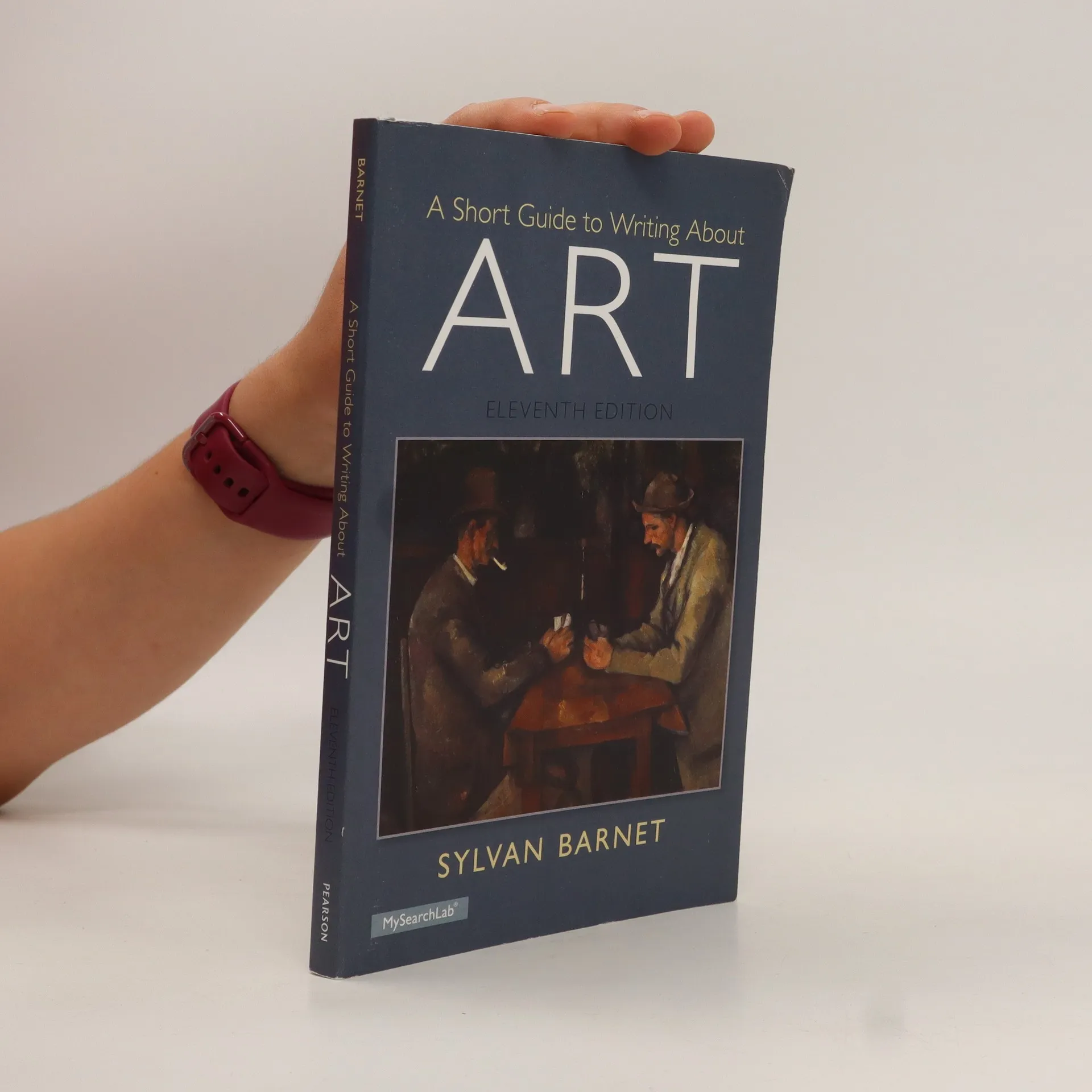
"A Short Guide to Writing About Art provides you with the tools to effectively articulate ideas about art. You'll analyze drawings, paintings, photographs, sculptures, and architecture, as the text guides you in writing a formal analysis, a research paper, a review of an exhibition, an essay, and more."--
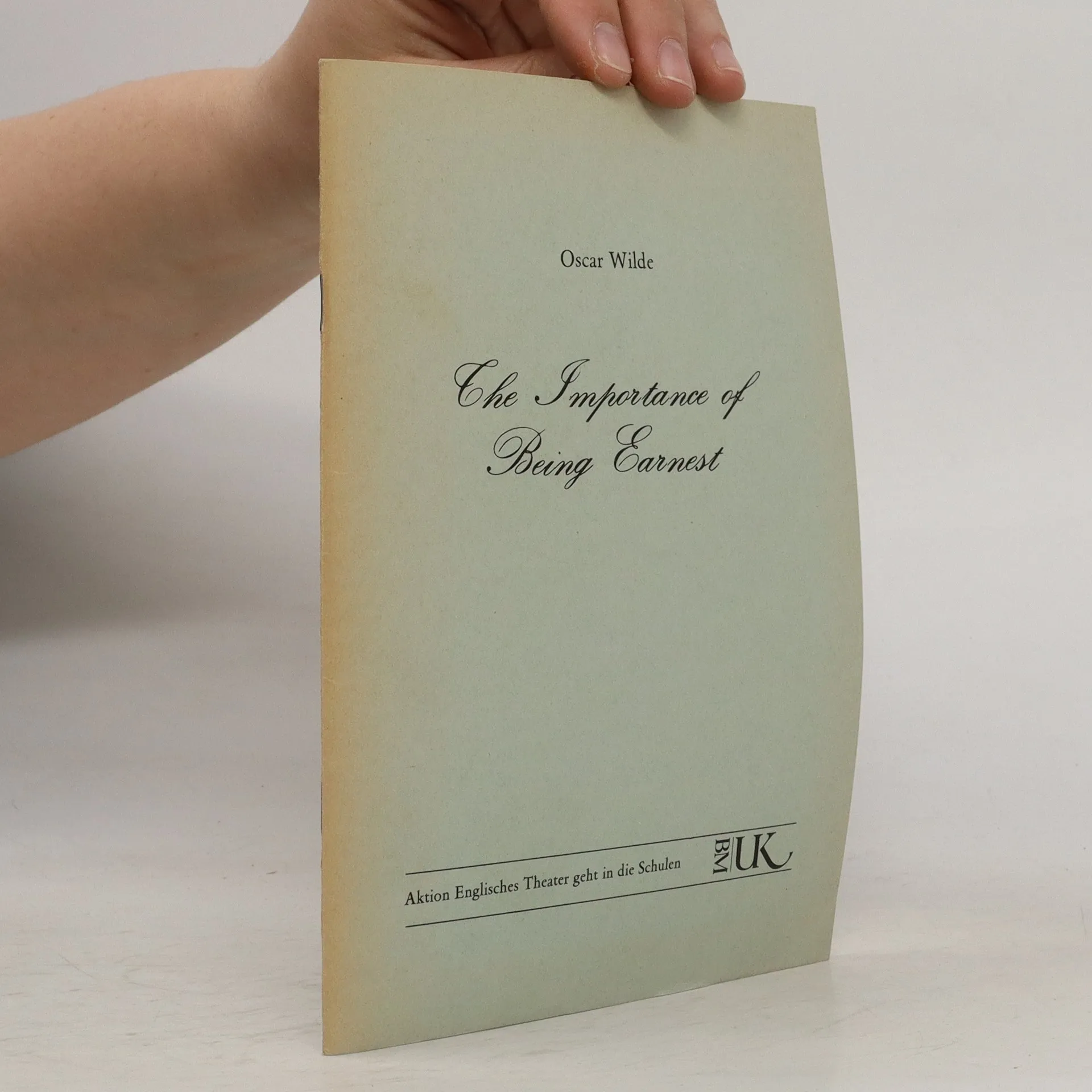
Oscar Wilde's renowned social satire features protagonists Algernon, a London dandy, and Jack, a rising gentleman from the countryside, who lead double lives to escape the constraints of their social status. Algernon enjoys country life as "Bunbury," while Jack travels to the city as "Ernest." Jack's love for Gwendolen, the daughter of Lady Bracknell and cousin to Algernon, forces him to abandon his troublesome alibi, which proves to be challenging. Algy visits him in Hertfordshire posing as his brother "Ernest," and Gwendolen, who insists on marrying only an "Ernest," also arrives. Lady Bracknell remains steadfast in her social prejudices. This comedy is one of the brightest in world theater, a precursor to absurdist theater and a masterpiece of aestheticism that exposes the superficiality of morality and social snobbery in the Victorian era while providing stylish entertainment.
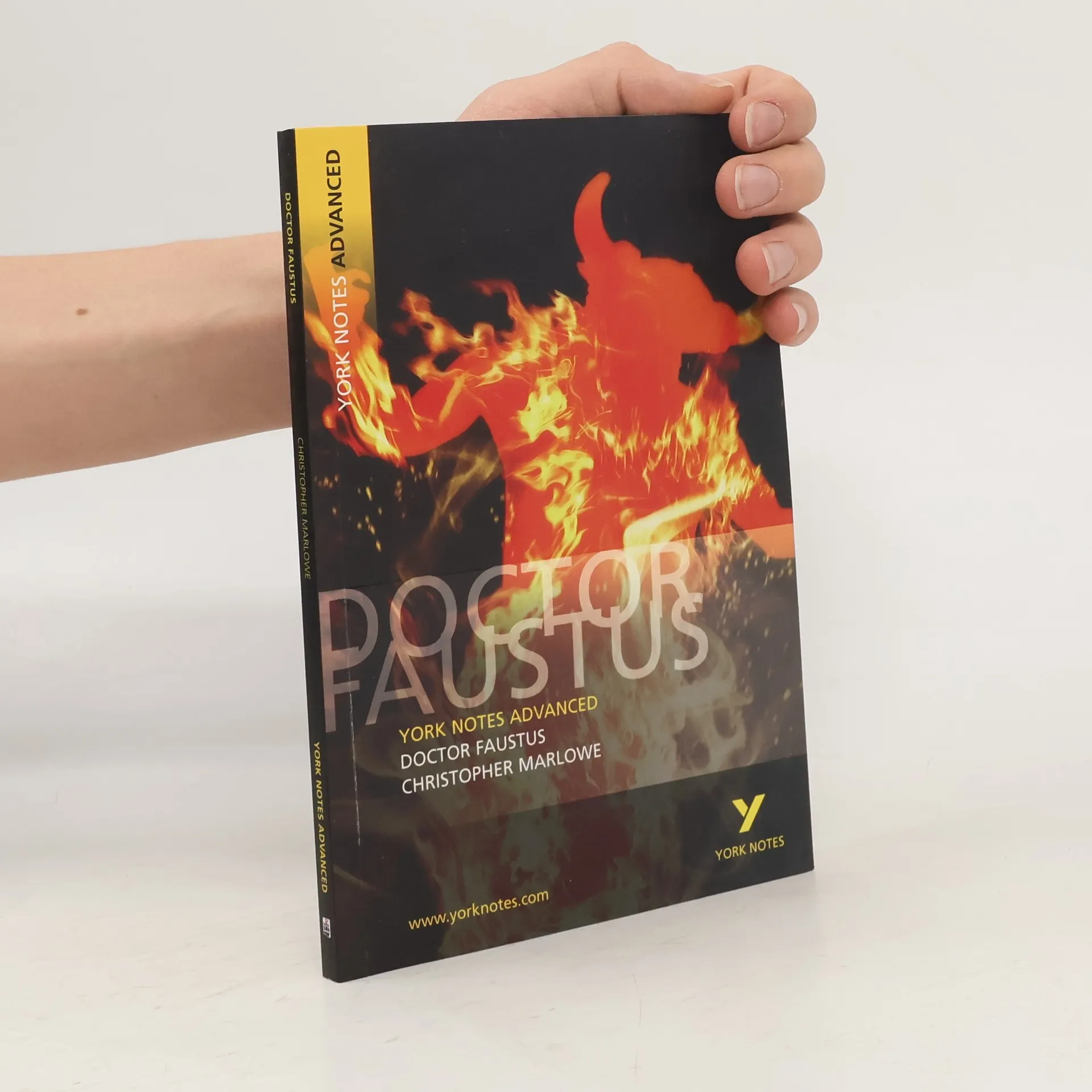
'York Notes' offer an approach to English literature that aims to fully
reflect student needs. They are filled with summaries, commentaries, exam
advice, margin and textual features to offer a wider context to the text and
encourage a critical analysis. schovat popis
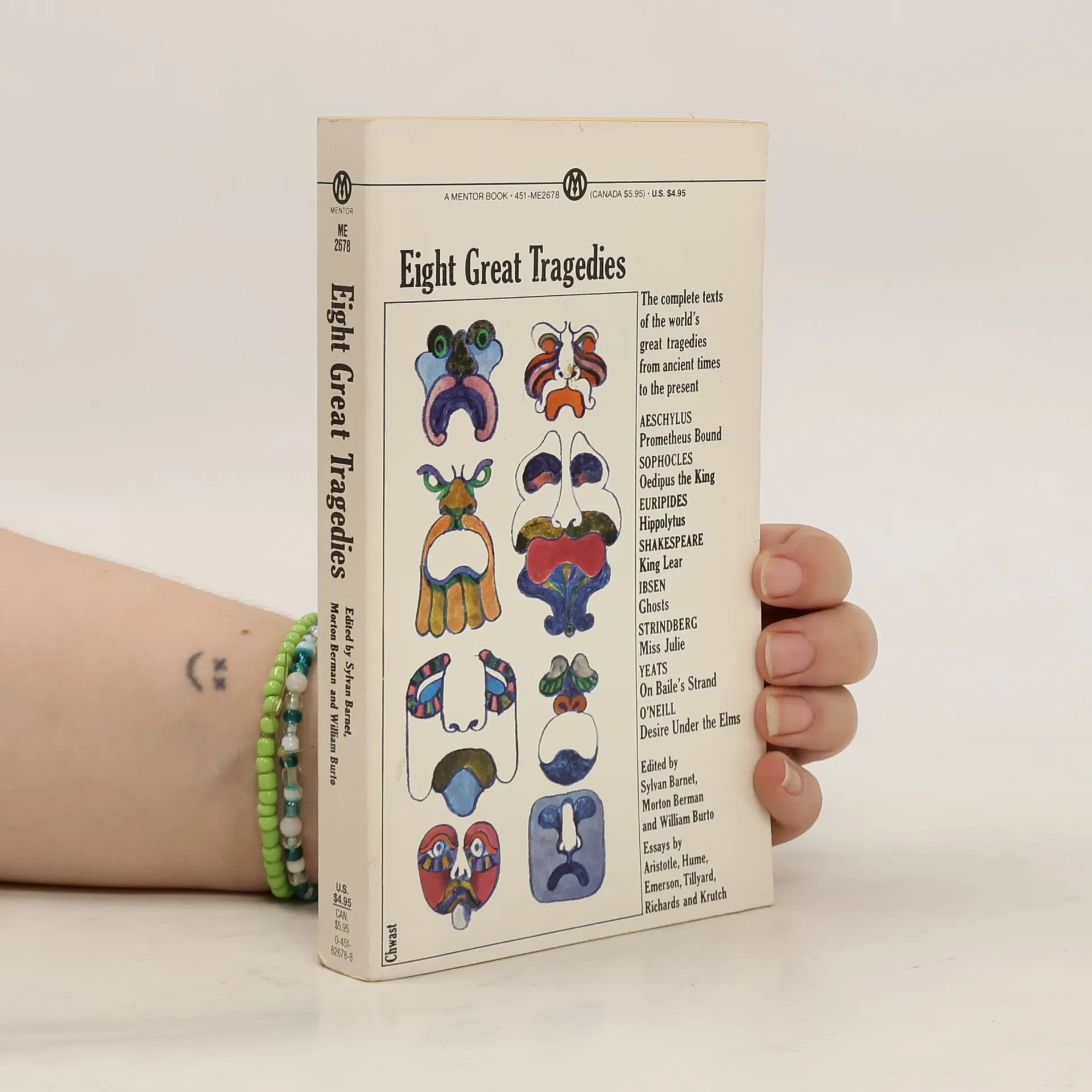
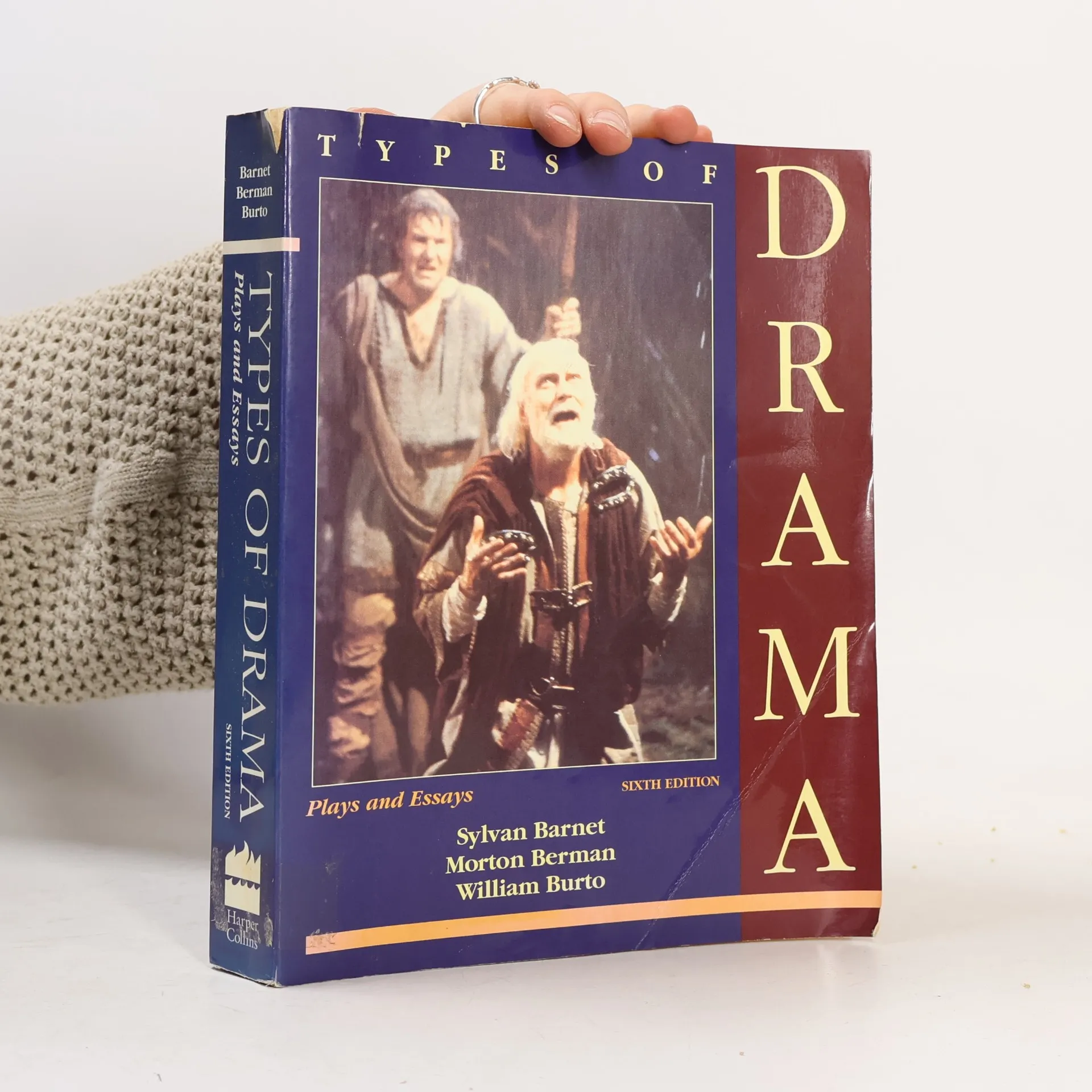
This text presents a full range of drama from Ancient Greece to the present. It features an informal tone and an apparatus that provides students with reading strategies for the 27 plays anthologized in the text and discussions on how to criticize them.
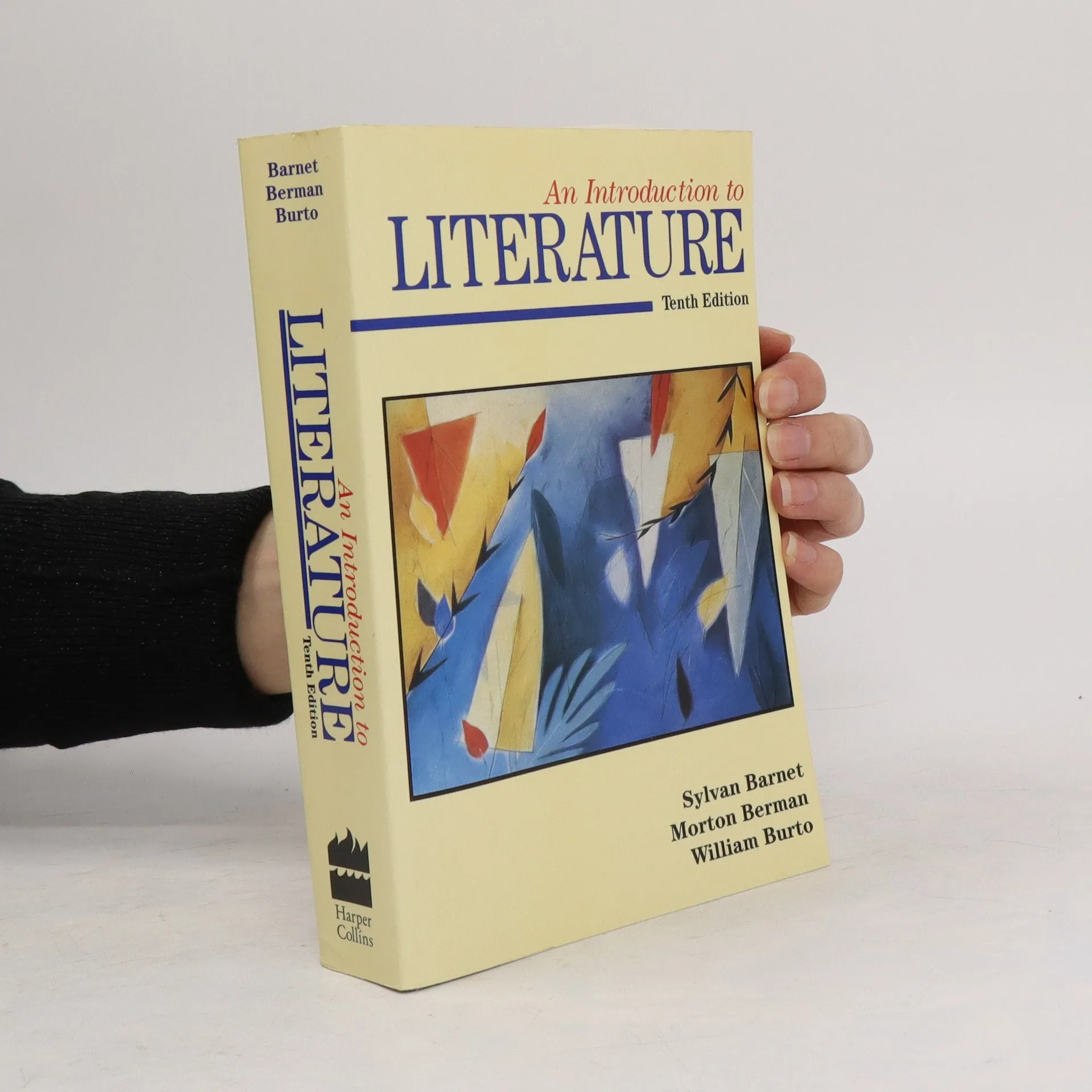
This edition includes 19 new stories, 49 poems and 7 new plays consisting largely of emerging contemporary and multicultural voices, giving students and instructors a range of selections from both new and established writers.
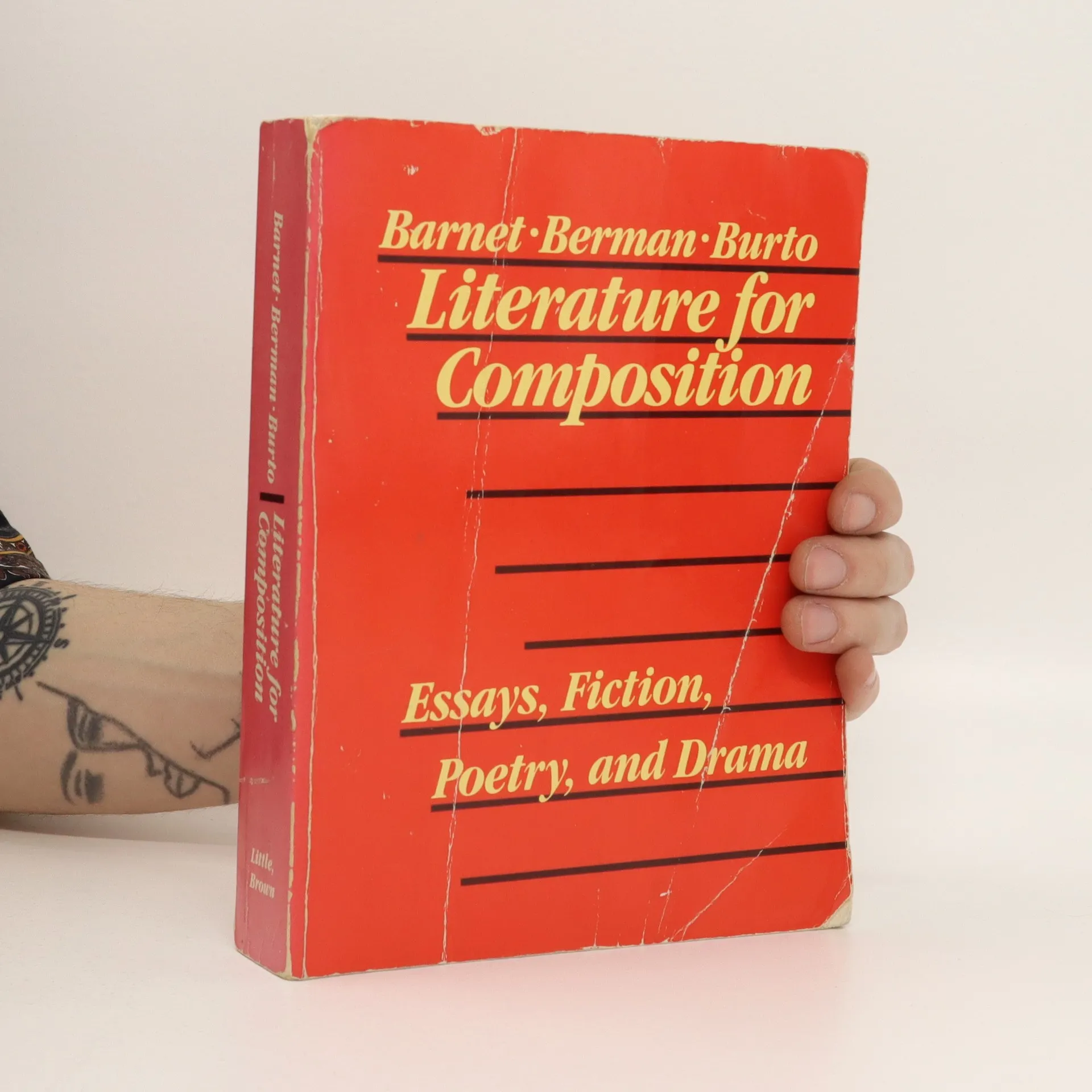
"Literature for Composition" offers the finest writing and argument coverage, helpful discussions of the literary elements, compelling case studies, and a diverse array of selections. The book includes complete coverage of the writing process, three chapters devoted to argument, complete chapters on interpretation and evaluation, coverage of the literary elements and the study of visual images, and case studies. The book opens with five chapters devoted to reading, writing, and argument. An entire chapter on critical thinking equips readers with a foundation upon which to study the chapters on the literary forms that follow. An anthology is organized around six engaging themes. Special chapters on visuals and film along with ten case studies offer additional resources. For those interested in the study and composition of literature.
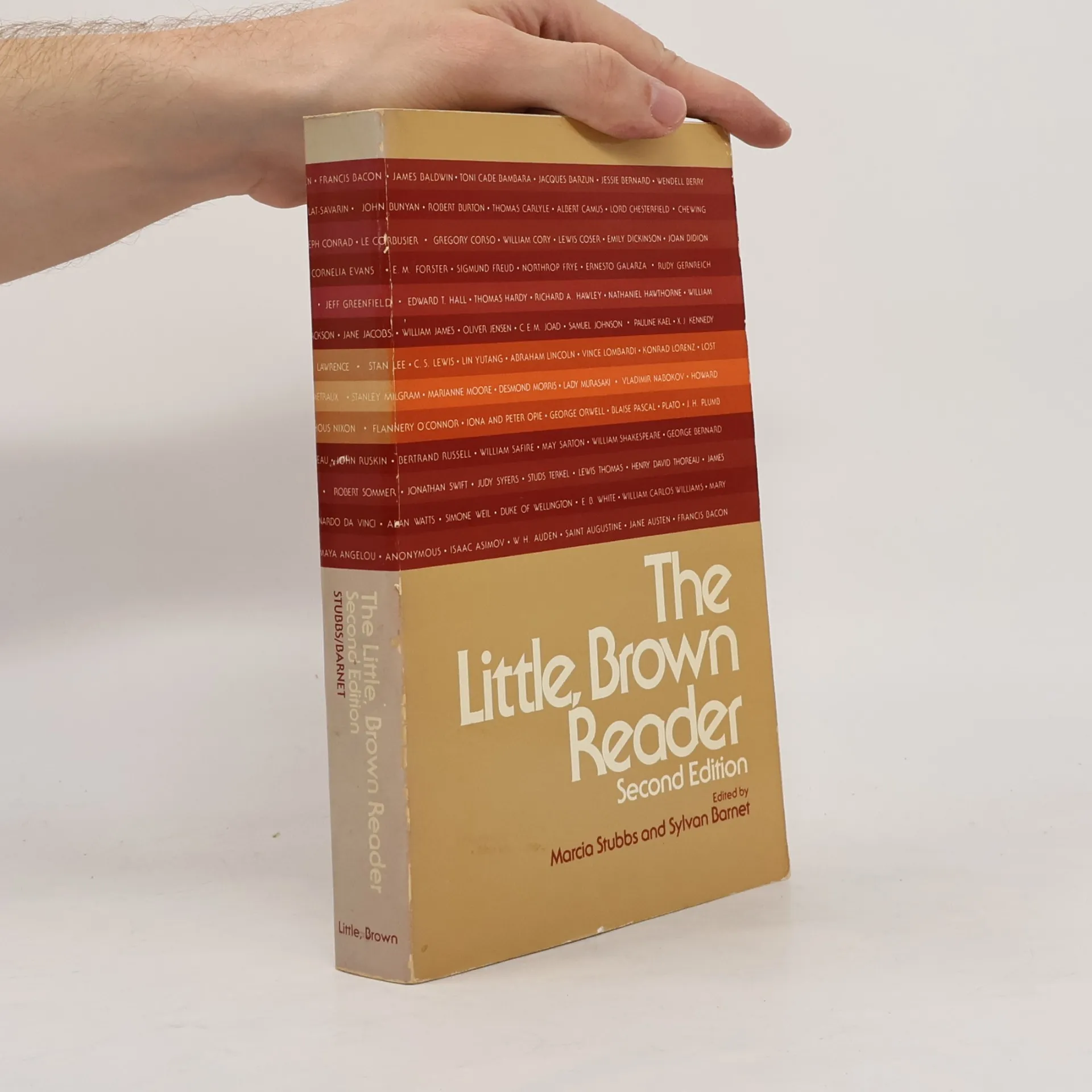
The Little, Brown Reader, one of the best-known and most respected thematic readers available today, continues its tradition of excellence by bringing together contemporary and classic readings with extensive critical reading and writing instruction and numerous illustrations. The strength of The Little, Brown Reader has always been its distinctive collection of readings and its unmatched apparatus; the Tenth Edition enhances both features, further improving the text's focus on critical thinking and writing. Little Brown works in every classroom—a range of themes and a flexible format encourage a variety of teaching styles. The readings are well balanced with selections by well-known writers, new writers, and students. General Interest: Improving writing